Rare species of Massachusetts · Birds
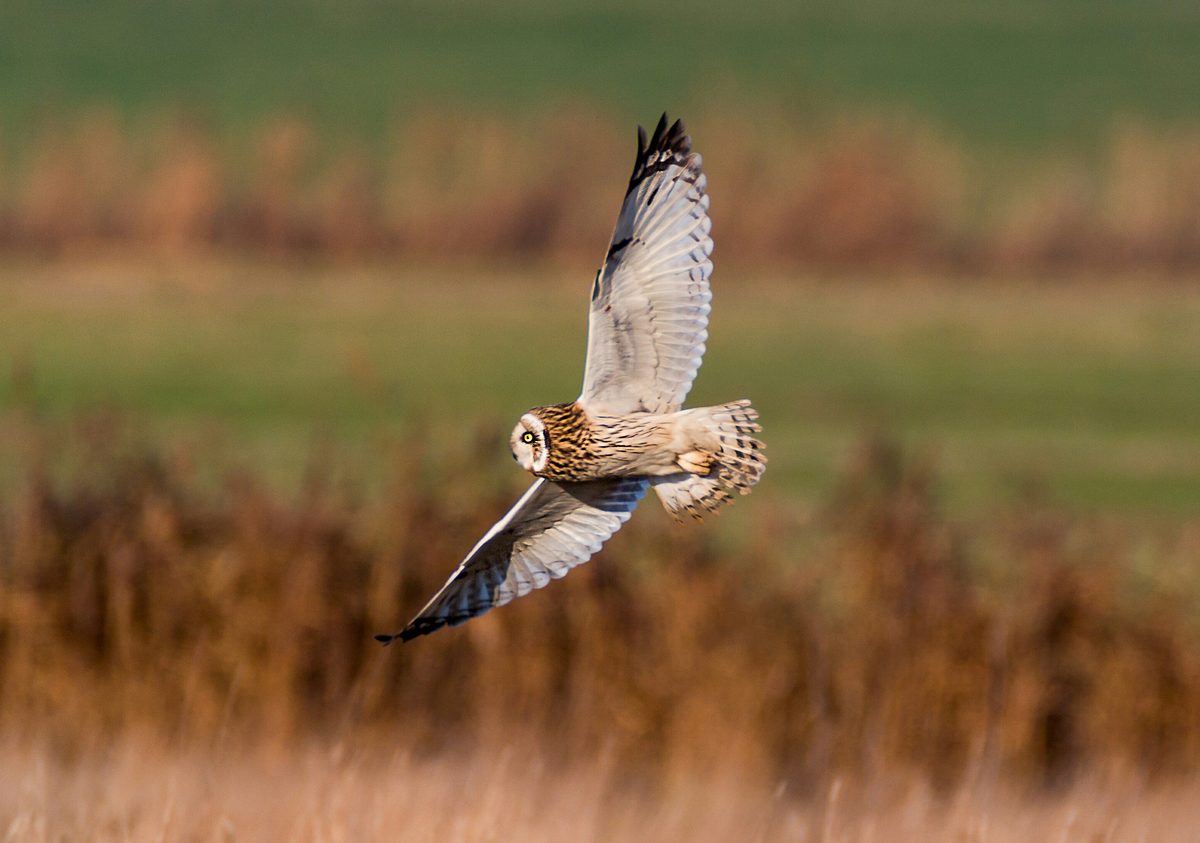
Short-eared Owl
Status Endangered · Group Birds · Recorded in 13 towns, 2 since 2001 · State sightings records: most recent 2019 · eBird reported in 4 of 14 counties in the last 30 days, latest 5 November 2026 (birders’ reports, eBird, Cornell Lab of Ornithology; as of 6 November 2026)
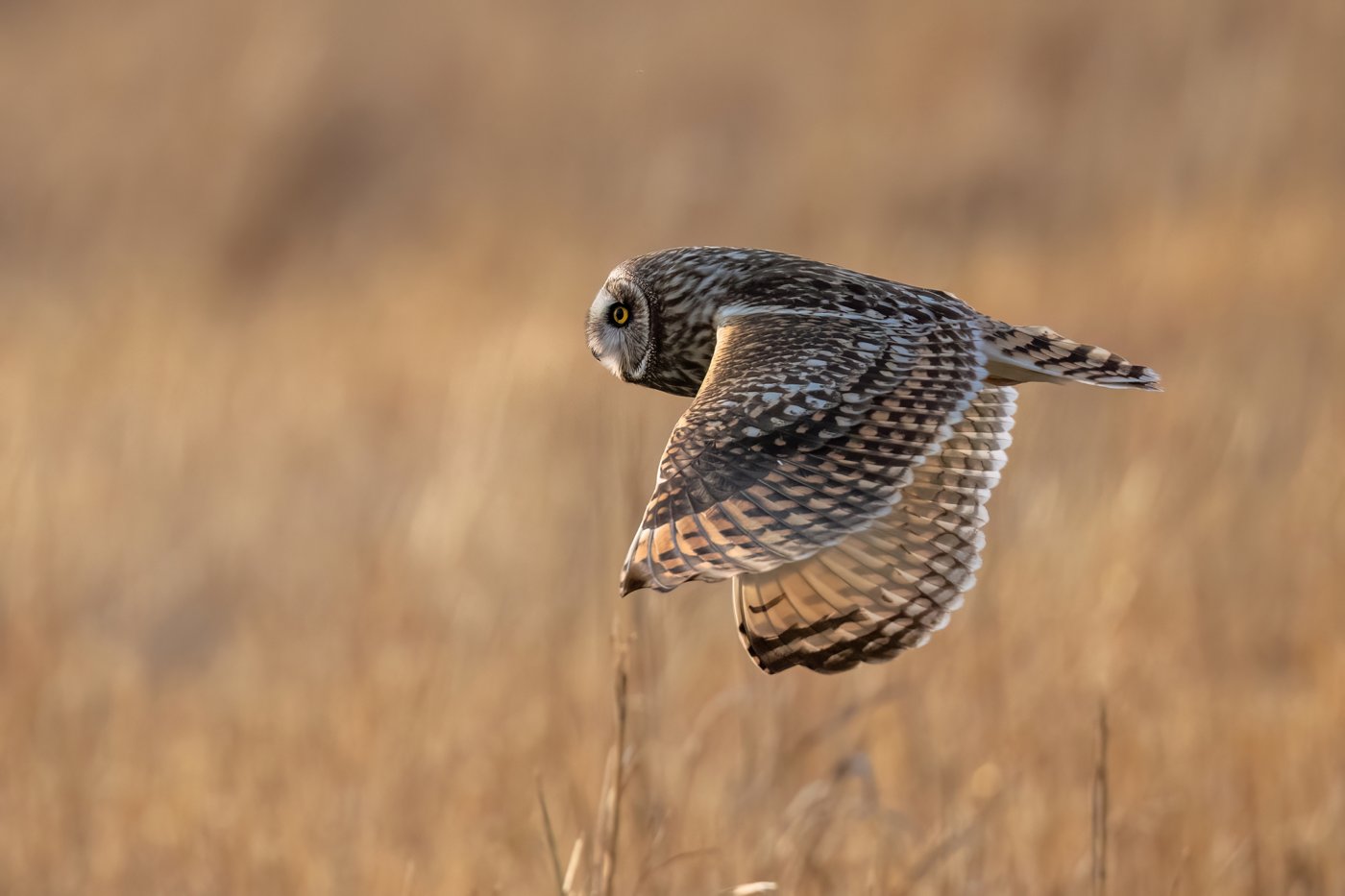
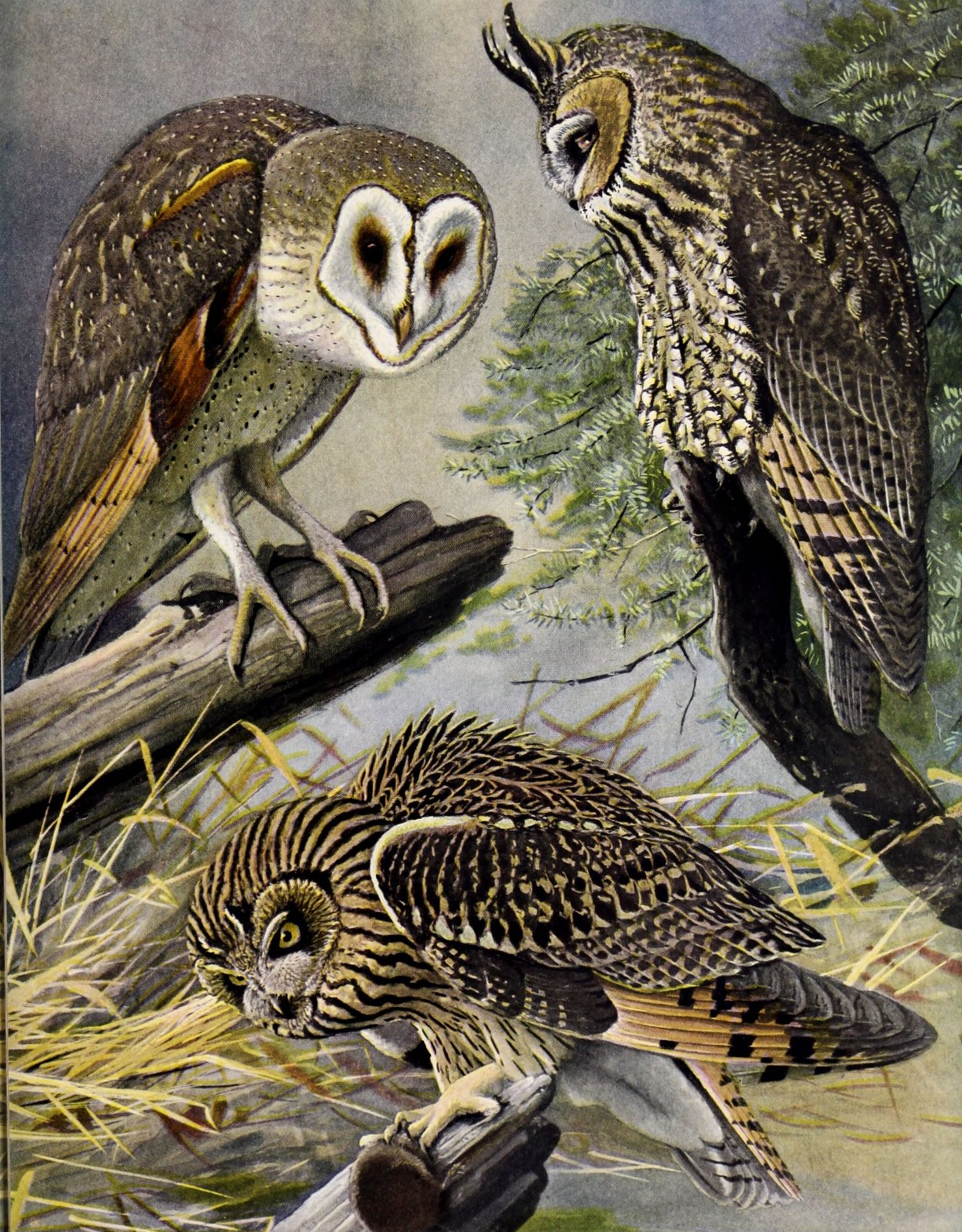
The short-eared owl (Asio flammeus) is a widespread grassland species in the family Strigidae. Owls belonging to genus Asio are known as the eared owls, as they have tufts of feathers resembling mammalian ears. These "ear" tufts may or may not be visible.
Description: Wikipedia (CC BY-SA 4.0).
Where NHESP has recorded it
last recorded since 2001 last recorded earlier
- Boston 2019eBird: Suffolk County, 29 Oct 2026
- Nantucket 2010
- Edgartown 1997
- West Tisbury 1987
- Orleans 1985
- Chatham 1984
- Chilmark 1983
- Longmeadow 1935
- Barnstable PRE-1965
- Danvers CIRCA-1878eBird: Essex County, 5 Nov 2026
- Falmouth CIRCA-1927
- Rehoboth PRE-1938
- Springfield CIRCA-1927
Town-level documented observations from NHESP’s Rare Species Viewer, read 4 November 2026; the year is the last documented record, as NHESP prints it, not evidence of absence. NHESP does not publish locations. The list shows NHESP’s documented record (year) and, for birds, birders’ reports to eBird in the last 30 days by county.
Reported to eBird in the last 30 days: Essex, Middlesex, Plymouth, Suffolk
eBird reports are birders’ sightings, not the state’s record. eBird hides the locations of sensitive species, so a county is the finest level shown here and a species can be missing for that reason. Source: eBird, Cornell Lab of Ornithology, reports of the last 30 days as of 6 November 2026.
More about this species
Population
Breeding has not been confirmed here since 2010, leaving only a small wintering contingent as a regular presence. The species appears to have ceased nesting across the entire northeastern region.
State fact sheet, 2025. Source: Massachusetts state rare-species fact sheet, Short-eared Owl (published April 2025).
In Massachusetts
Historically the owl bred in coastal open grassland and maritime heath on Cape Cod, Martha's Vineyard, and Nantucket. Today small numbers appear each winter across the state wherever open ground provides hunting habitat.
Source: Massachusetts state rare-species fact sheet, Short-eared Owl (published April 2025).
Threats
Loss and degradation of open grassland habitat are the foremost pressures. Pesticide and rodenticide contamination affect the birds and their prey. Human activity near nesting or roosting locations drives birds away. Skunk predation on eggs and chicks is an identified risk, and how much rodenticides reduce the population has not been determined.
Source: Massachusetts state rare-species fact sheet, Short-eared Owl (published April 2025).
Protections
The species is classified as Endangered in Massachusetts and is on the state's list of conservation priorities.
Source: Massachusetts state rare-species fact sheet, Short-eared Owl (published April 2025).
One fact
The last documented nesting attempt in Massachusetts was recorded in 2010.
Source: Massachusetts state rare-species fact sheet, Short-eared Owl (published April 2025).
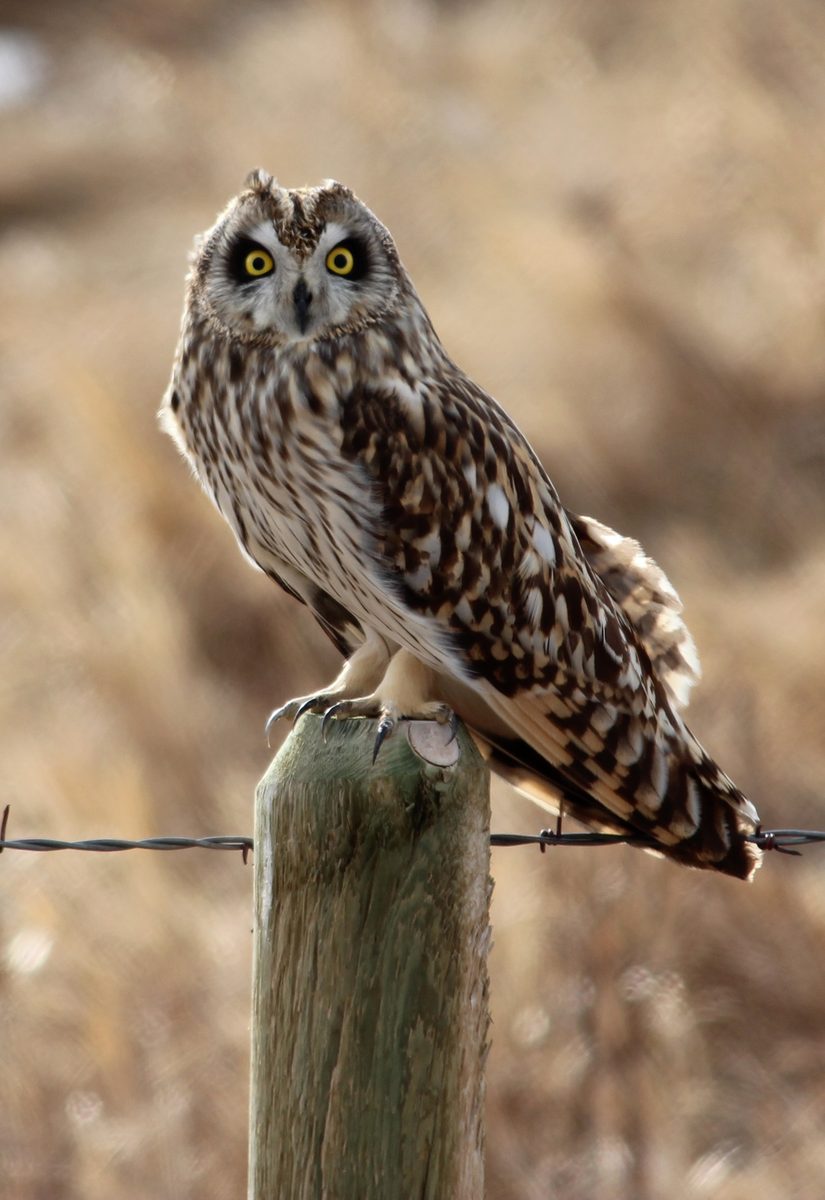
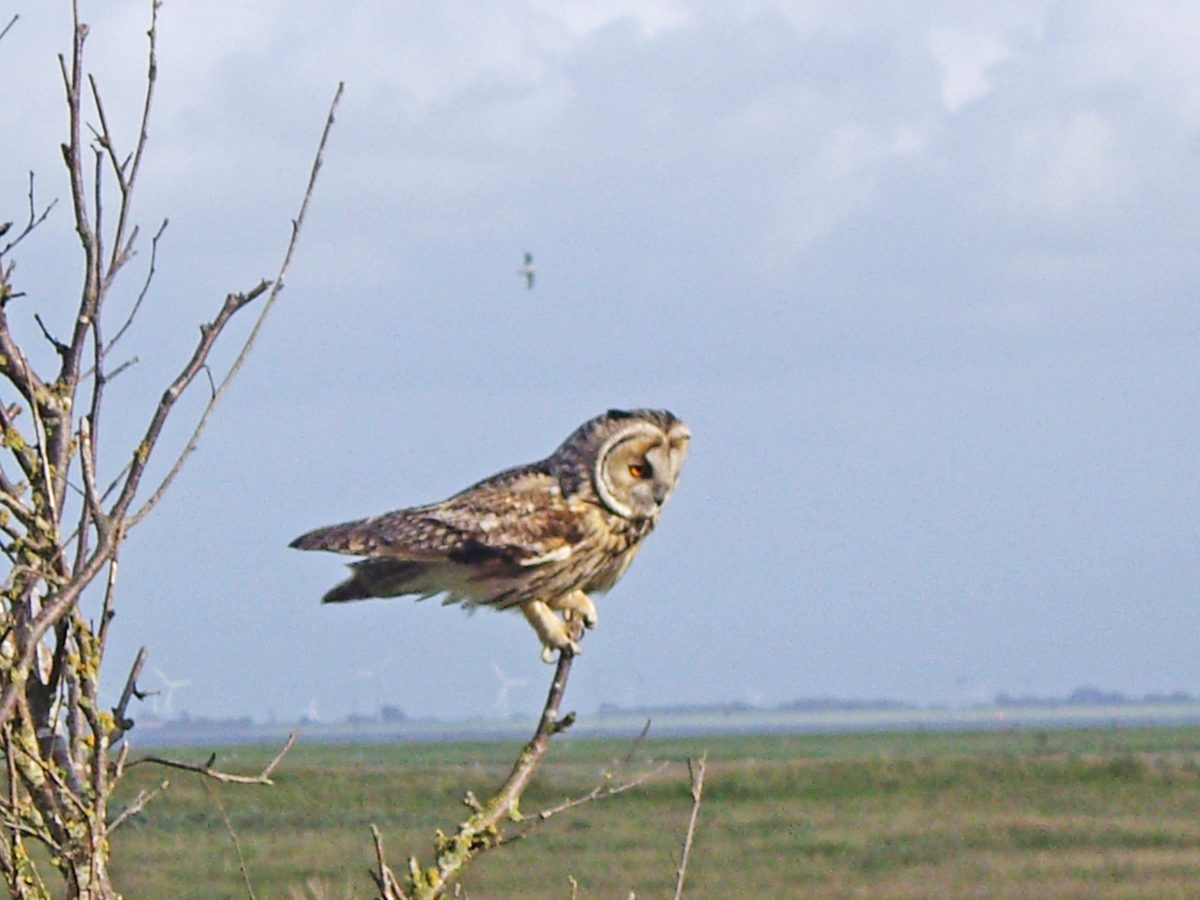
State list: 321 CMR 10.90, as of 16 August 2024. Rare species of Massachusetts · Trees of Massachusetts