Rare species of Massachusetts · Birds
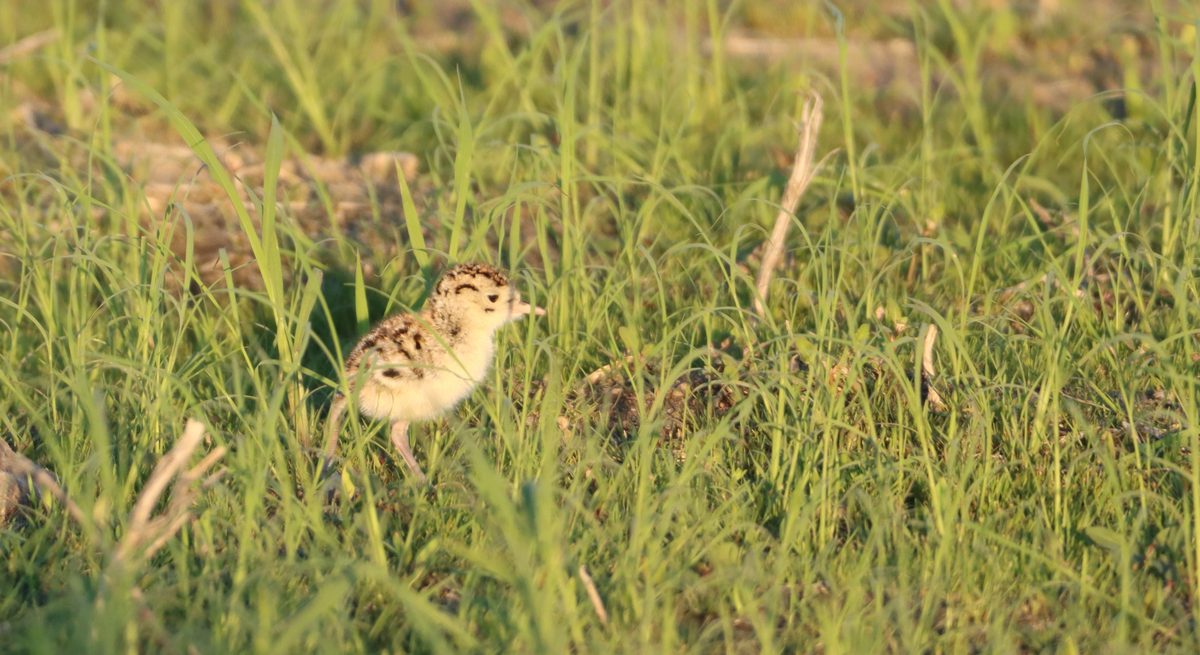
Upland Sandpiper
Status Endangered · Group Birds · Recorded in 41 towns, 14 since 2001 · State sightings records: most recent 2025 · eBird no reports in Massachusetts in the last 30 days (as of 6 November 2026)
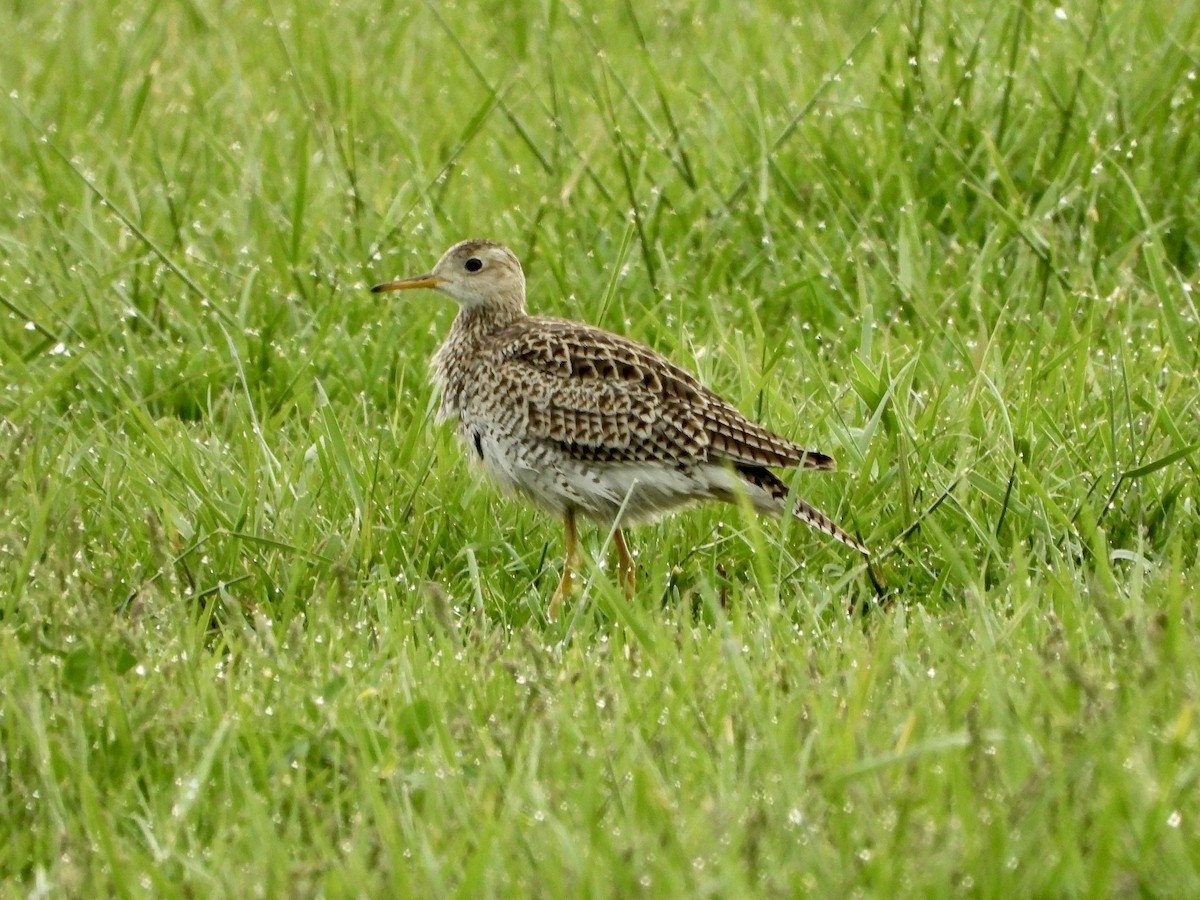
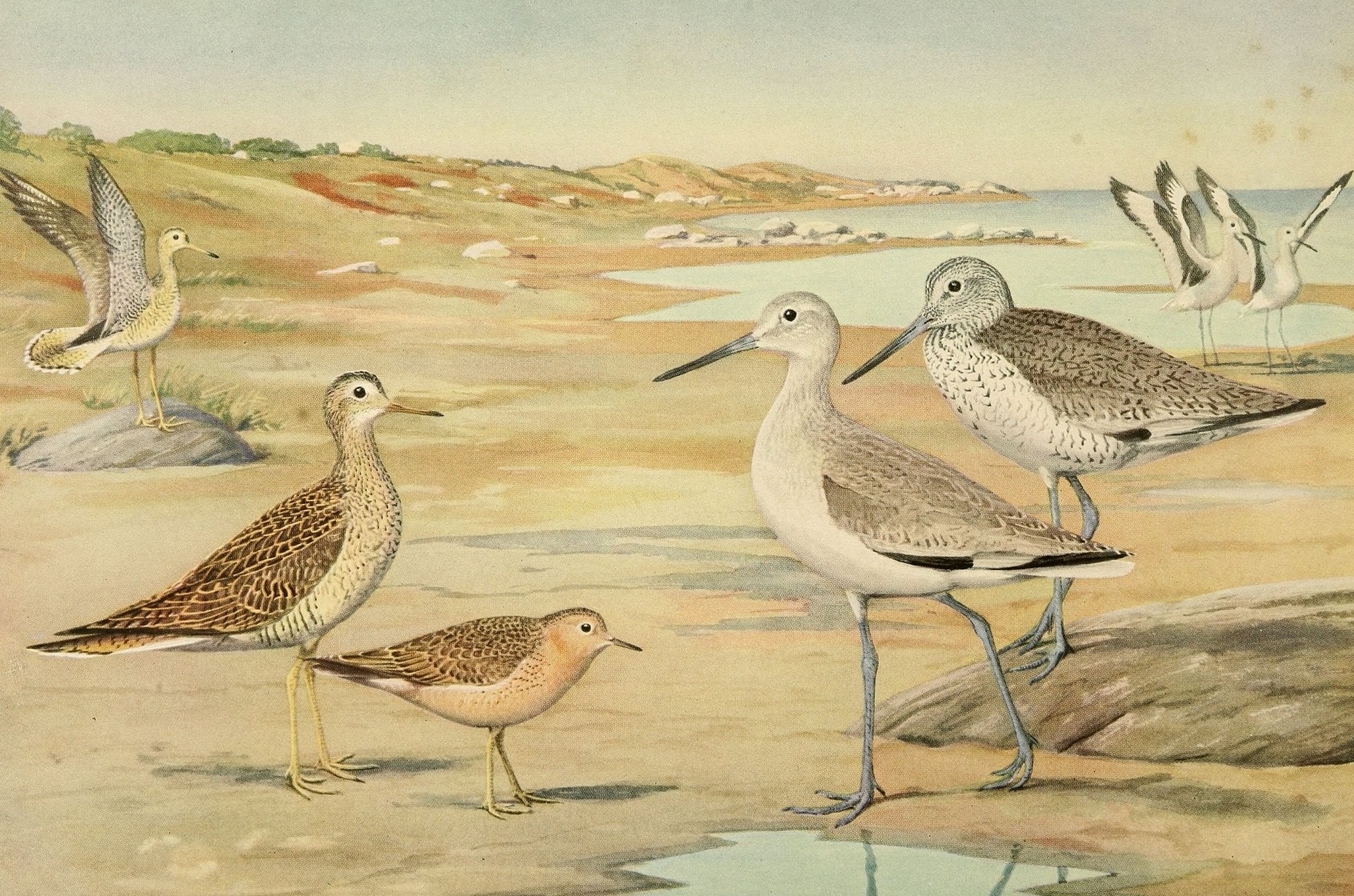
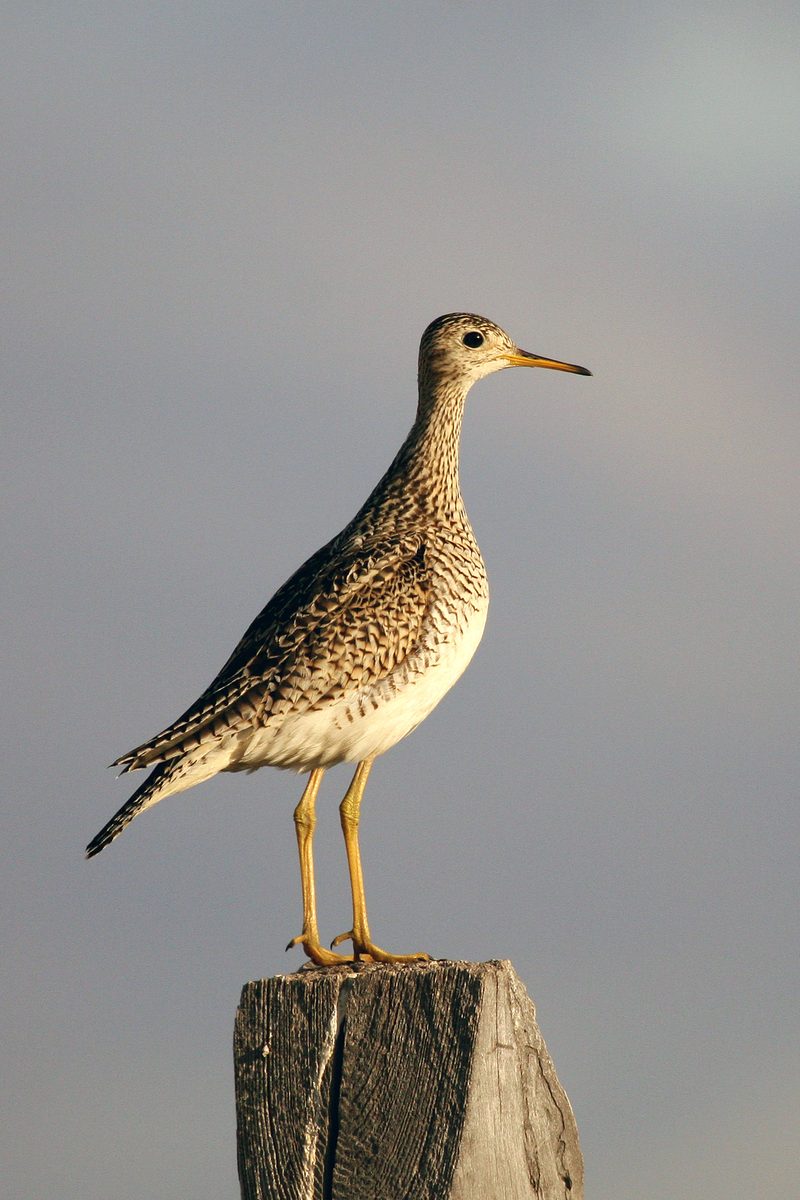
The upland sandpiper (Bartramia longicauda) is a large sandpiper, closely related to the curlews. Older names are the upland plover and Bartram's sandpiper. In Louisiana, it is also colloquially known as the papabotte.
Description: Wikipedia (CC BY-SA 4.0).
Where NHESP has recorded it
last recorded since 2001 last recorded earlier
- Bourne 2025
- Mashpee 2025
- Sandwich 2025
- Chicopee 2017
- Bedford 2015
- Boston 2015
- Ludlow 2015
- Winthrop 2015
- Carver 2014
- Falmouth 2014
- Plymouth 2014
- Westfield 2014
- Concord 2013
- Rockland 2005
- Lancaster 1994
- Middleborough 1994
- Newbury 1994
- Ayer 1993
- Newburyport 1990
- Hadley 1984
- Bridgewater 1980
- Marshfield 1978
- Duxbury 1975
- Agawam 1967
- Worcester 1960
- Edgartown 1957
- Nantucket 1955
- Williamstown 1931
- Chilmark 1918
- Shelburne 1908
- Amherst 1906
- Lunenburg 1892
- Eastham 1850
- Truro 1850
- Blandford PRE-1901
- Brookfield CIRCA-1926
- Hamilton CIRCA-1870
- Princeton No Date
- Russell PRE-1901
- Salem CIRCA-1929
- Winchendon CIRCA-1888
Town-level documented observations from NHESP’s Rare Species Viewer, read 4 November 2026; the year is the last documented record, as NHESP prints it, not evidence of absence. NHESP does not publish locations. The list shows NHESP’s documented record (year) and, for birds, birders’ reports to eBird in the last 30 days by county.
eBird reports are birders’ sightings, not the state’s record. eBird hides the locations of sensitive species, so a county is the finest level shown here and a species can be missing for that reason. Source: eBird, Cornell Lab of Ornithology, reports of the last 30 days as of 6 November 2026.
More about this species
In Massachusetts
Now among the rarest grassland-nesting birds in the state, the upland sandpiper breeds at a small number of scattered sites. Before the mid-1800s it was reasonably common across large pasturelands in Massachusetts.
Source: Massachusetts state rare-species fact sheet, Upland Sandpiper (published April 2025).
Threats
Development destroys open nesting habitat, and the advance of woody vegetation into sandplain grassland eliminates additional acreage. Haying or mowing during the nesting period can wipe out individual breeding attempts.
Source: Massachusetts state rare-species fact sheet, Upland Sandpiper (published April 2025).
Protections
The state lists the species as Endangered and places it among wildlife conservation priorities.
Source: Massachusetts state rare-species fact sheet, Upland Sandpiper (published April 2025).
One fact
The species recolonizes restored open habitat with notable speed, turning up at suitable sites soon after conditions improve.
Source: Massachusetts state rare-species fact sheet, Upland Sandpiper (published April 2025).
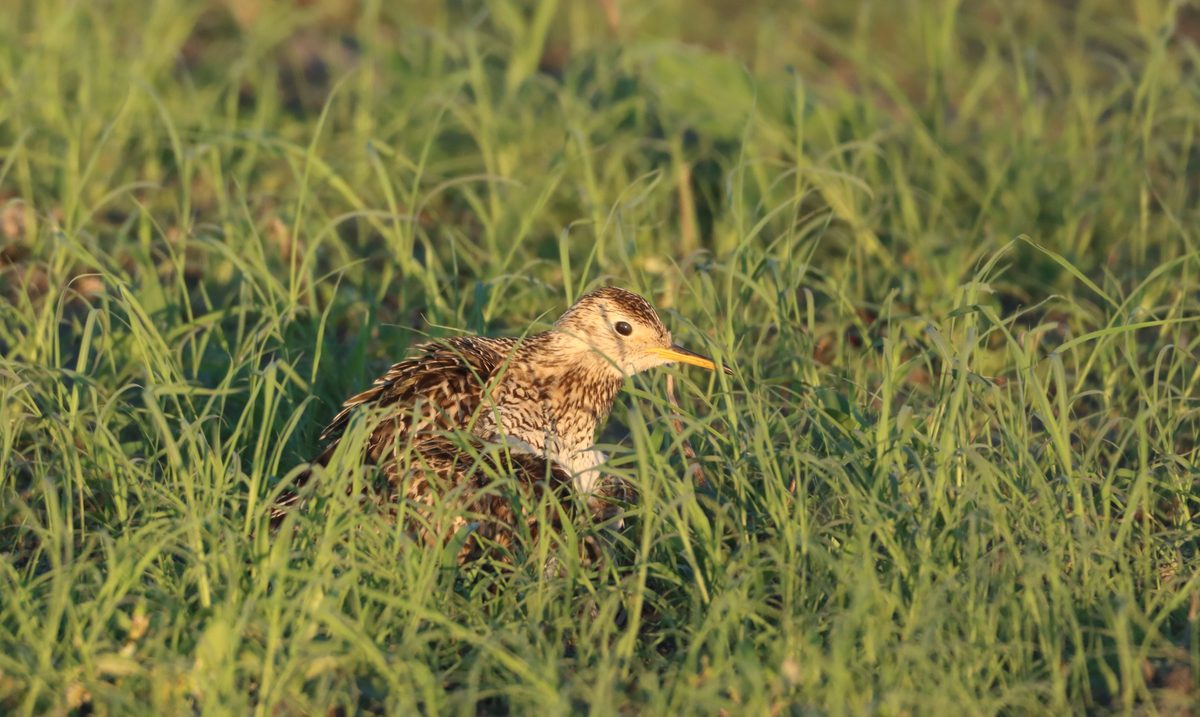
State list: 321 CMR 10.90, as of 16 August 2024. Rare species of Massachusetts · Trees of Massachusetts