Rare species of Massachusetts · Birds
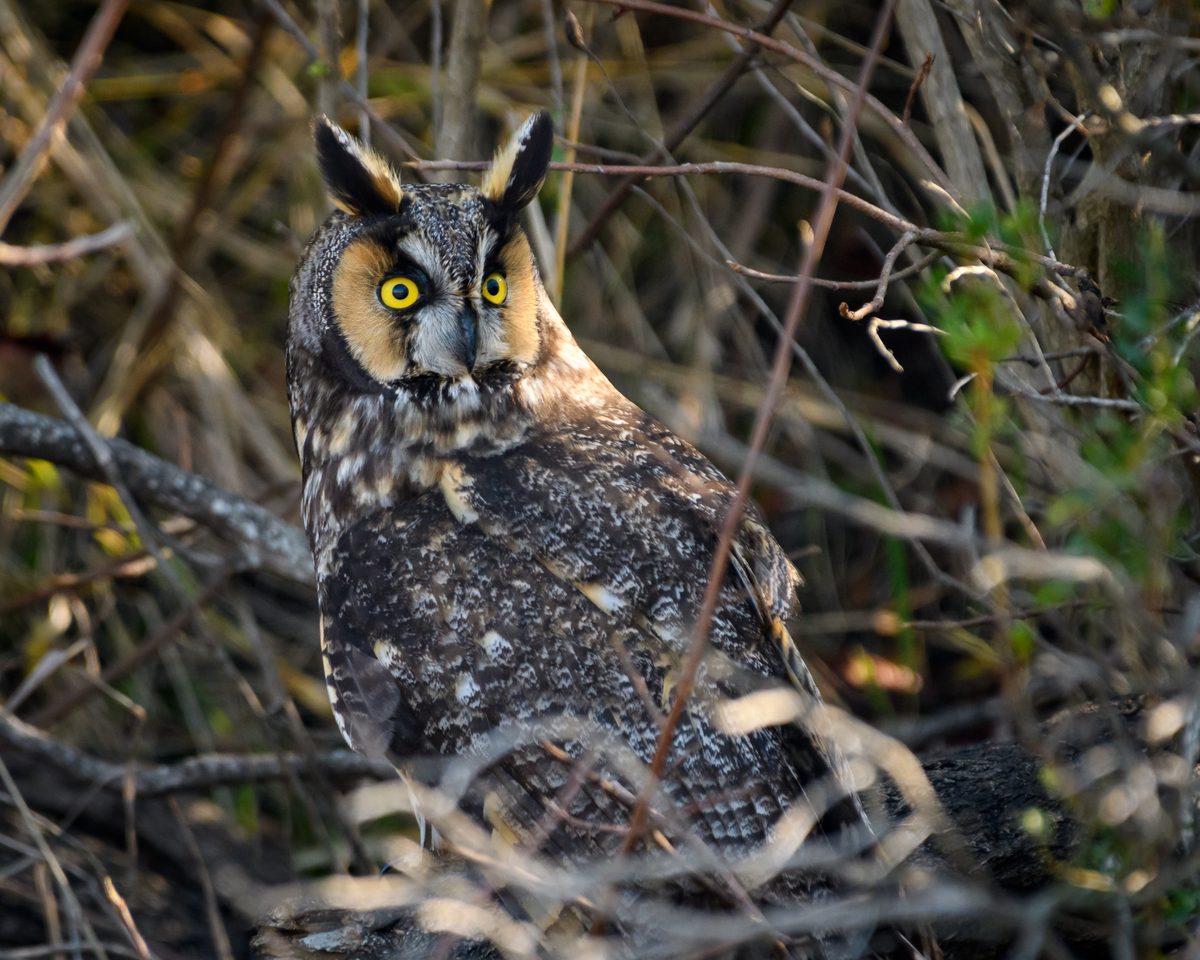
Long-eared Owl
Status Special Concern · Group Birds · Recorded in 12 towns, 5 since 2001 · State sightings records: most recent 2022 · eBird no reports in Massachusetts in the last 30 days (as of 6 November 2026)
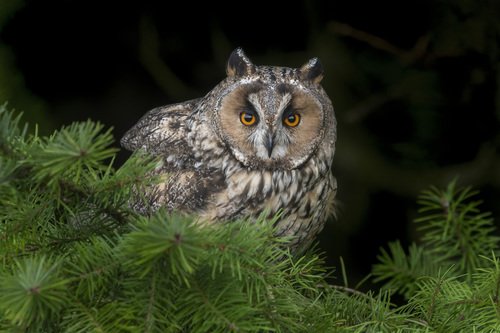
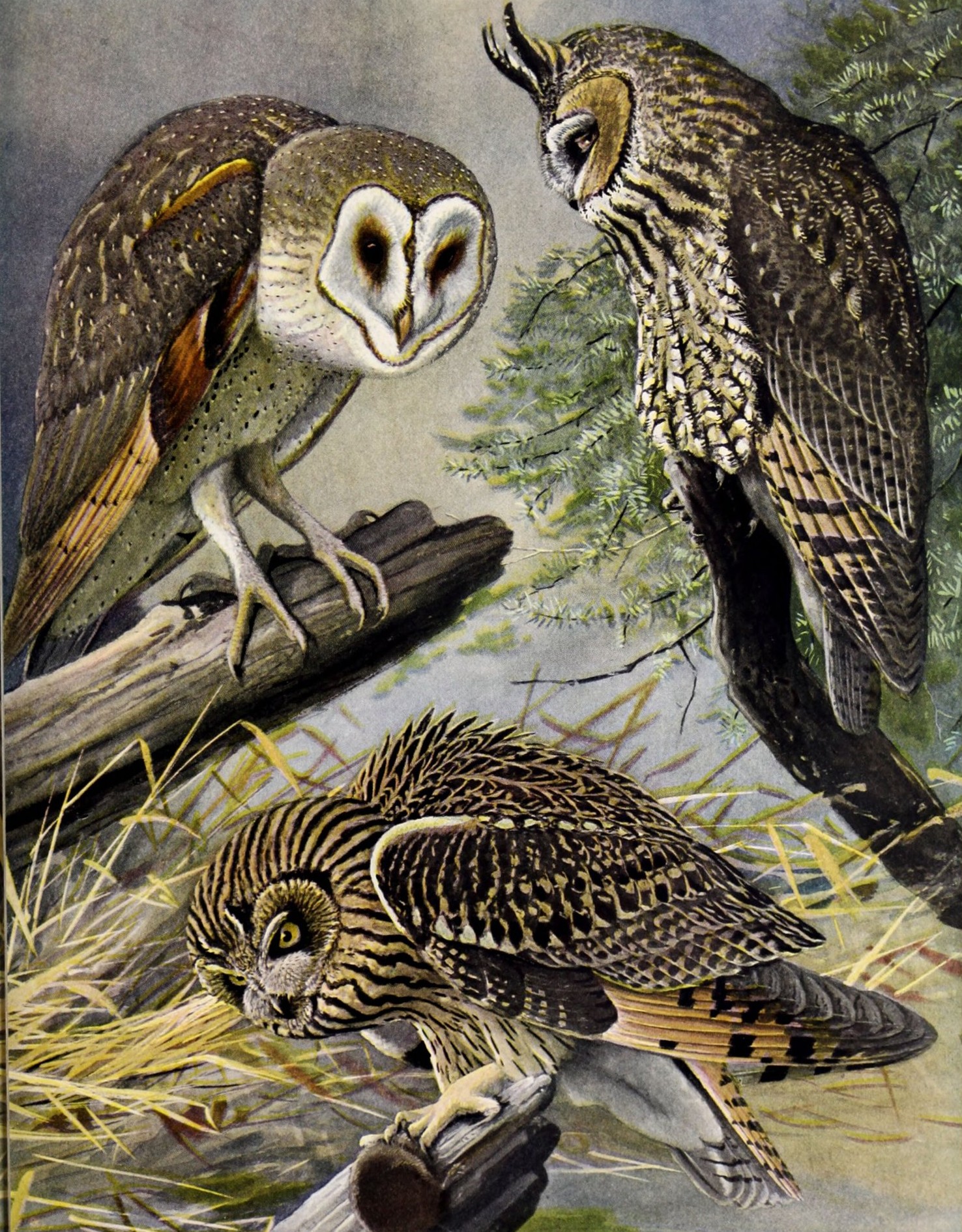
The long-eared owl (Asio otus), also known as the northern long-eared owl or informally as the lesser horned owl or cat owl, is a medium-sized typical owl with an extensive range. The genus name, Asio, is Latin for "horned owl", and the specific epithet, otus, is derived from Greek and refers to a small eared owl. It breeds in Europe and the Palearctic, as well as in North America.
Description: Wikipedia (CC BY-SA 4.0).
Where NHESP has recorded it
last recorded since 2001 last recorded earlier
- Amherst 2022
- Boston 2021
- Nantucket 2016
- Truro 2013
- Winchendon 2009
- Georgetown 1981
- Edgartown 1979
- Barnstable 1978
- Bridgewater 1978
- Templeton 1978
- Middleborough 1974
- Lancaster 1898
Town-level documented observations from NHESP’s Rare Species Viewer, read 4 November 2026; the year is the last documented record, as NHESP prints it, not evidence of absence. NHESP does not publish locations. The list shows NHESP’s documented record (year) and, for birds, birders’ reports to eBird in the last 30 days by county.
eBird reports are birders’ sightings, not the state’s record. eBird hides the locations of sensitive species, so a county is the finest level shown here and a species can be missing for that reason. Source: eBird, Cornell Lab of Ornithology, reports of the last 30 days as of 6 November 2026.
More about this species
Population
Confirmed nesting records in the state total fewer than 10 over the past 35 years. The owl's secretive habits make estimating breeding numbers difficult; it is considered a rare nesting species here.
State fact sheet, 2025. Source: Massachusetts state rare-species fact sheet, Long-eared Owl (published April 2025).
In Massachusetts
Confirmed breeding records come from Worcester, Essex, Plymouth, and the island counties — Barnstable, Dukes, and Nantucket — distributed across a small number of scattered sites.
Source: Massachusetts state rare-species fact sheet, Long-eared Owl (published April 2025).
Threats
Human disturbance near active nests or communal roost sites can displace the birds. Second-generation anticoagulant rodenticides have been detected in a high proportion of tested raptors in Massachusetts; the owl faces comparable exposure through its prey. Urbanization and advancing forest reduce open foraging land, while pressure from larger owl species adds further stress.
Source: Massachusetts state rare-species fact sheet, Long-eared Owl (published April 2025).
Protections
The state classifies the species as Special Concern and places it among conservation priorities.
Source: Massachusetts state rare-species fact sheet, Long-eared Owl (published April 2025).
One fact
This owl does not build its own nest; it typically occupies an existing structure left behind by a crow, hawk, or squirrel.
Source: Massachusetts state rare-species fact sheet, Long-eared Owl (published April 2025).
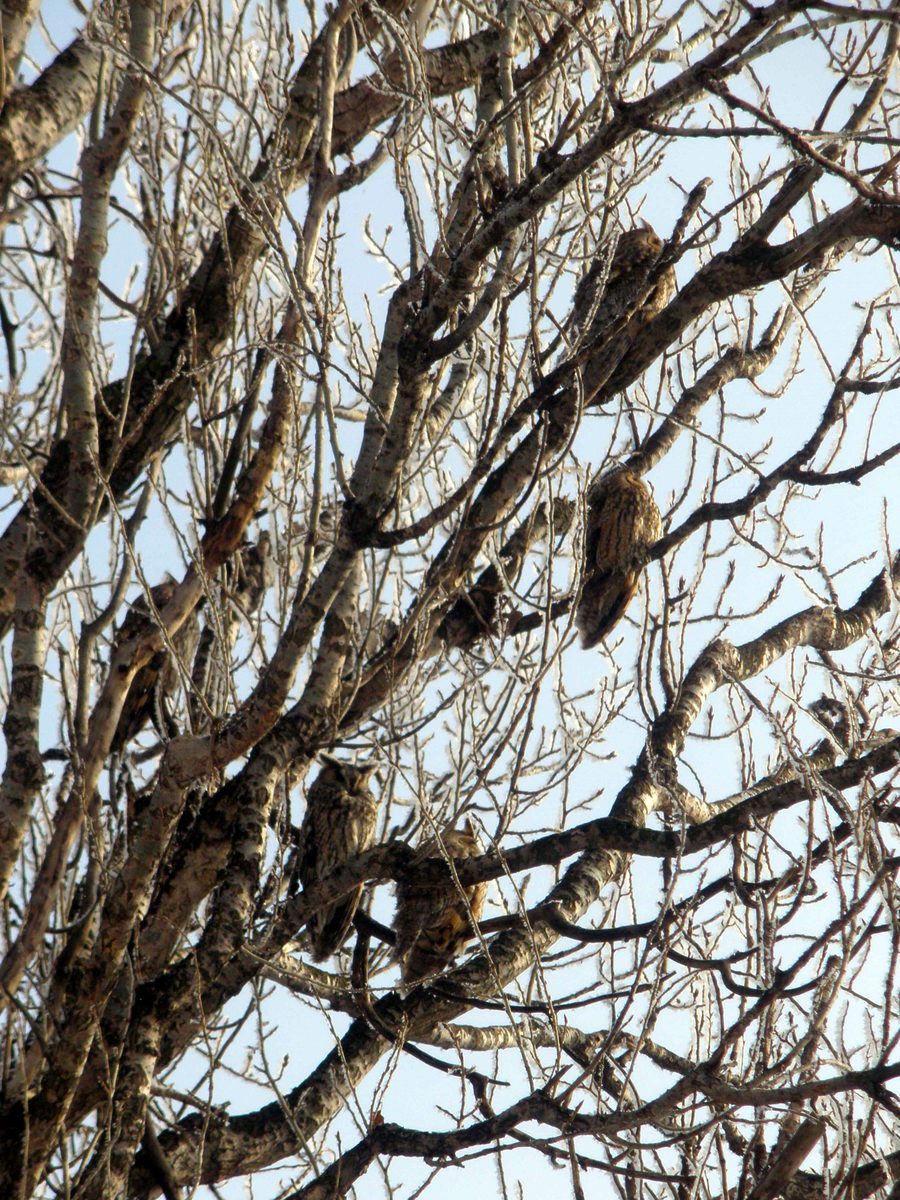
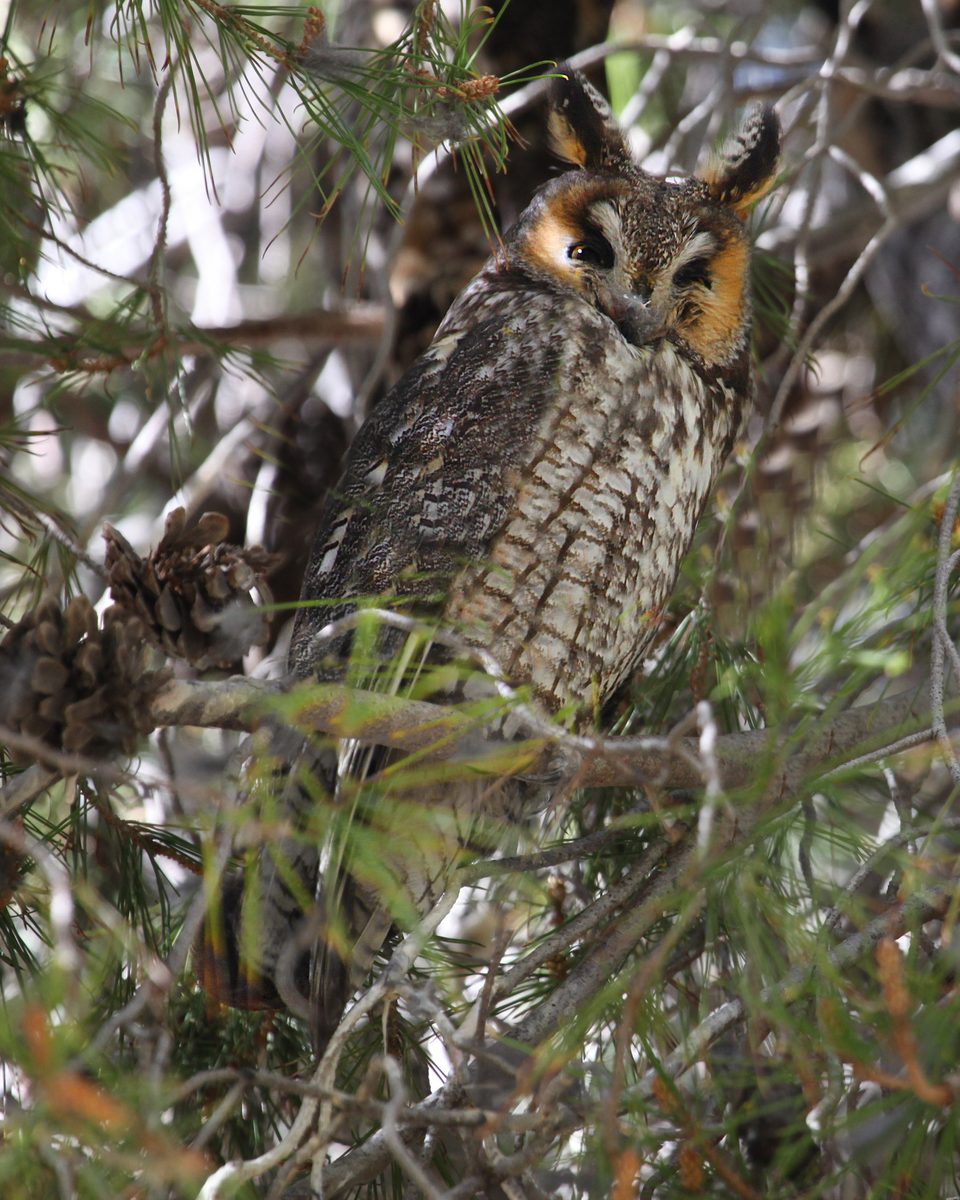
State list: 321 CMR 10.90, as of 16 August 2024. Rare species of Massachusetts · Trees of Massachusetts