Rare species of Massachusetts · Birds
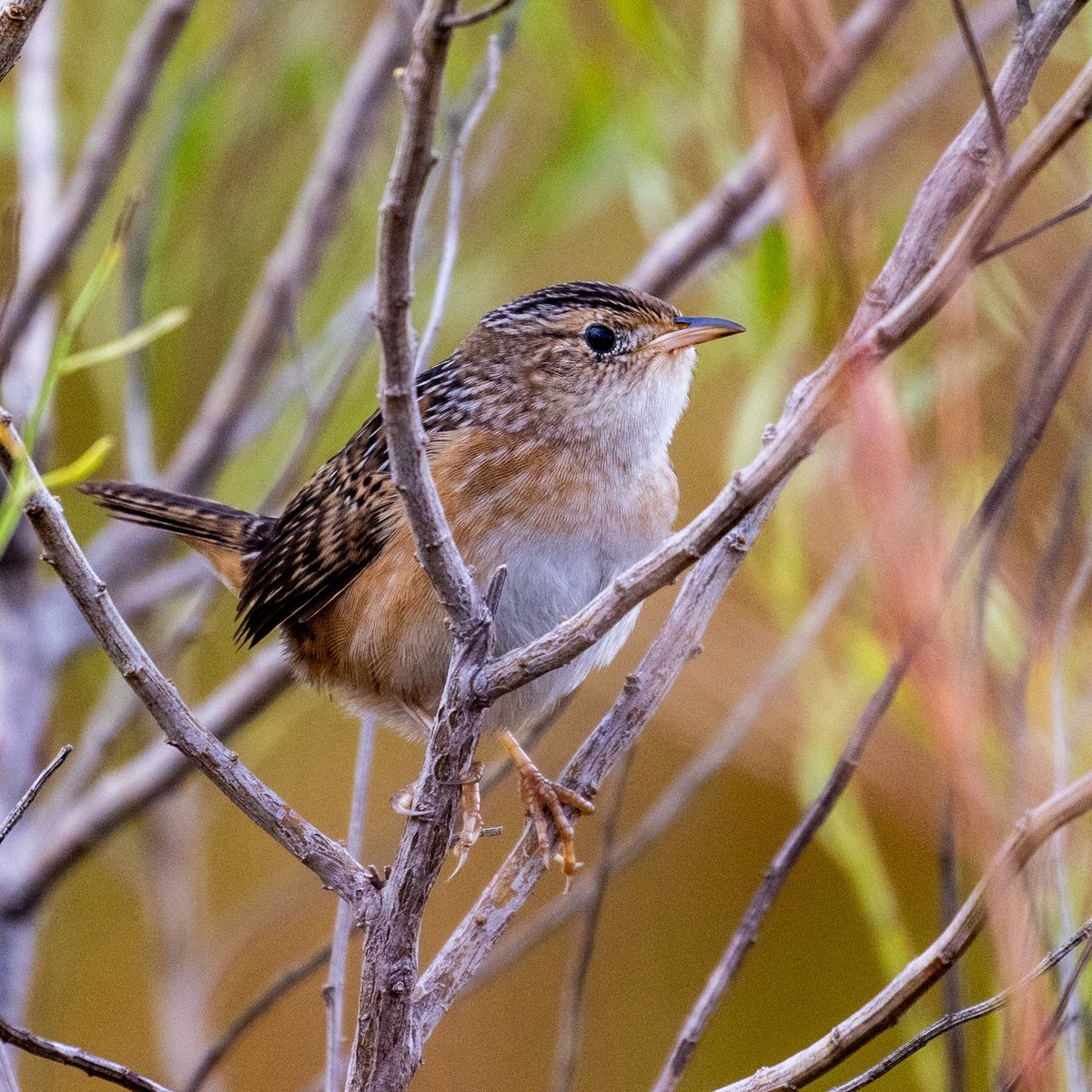
Sedge Wren
Status Endangered · Group Birds · Recorded in 43 towns, 5 since 2001 · State sightings records: most recent 2024 · eBird no reports in Massachusetts in the last 30 days (as of 6 November 2026)
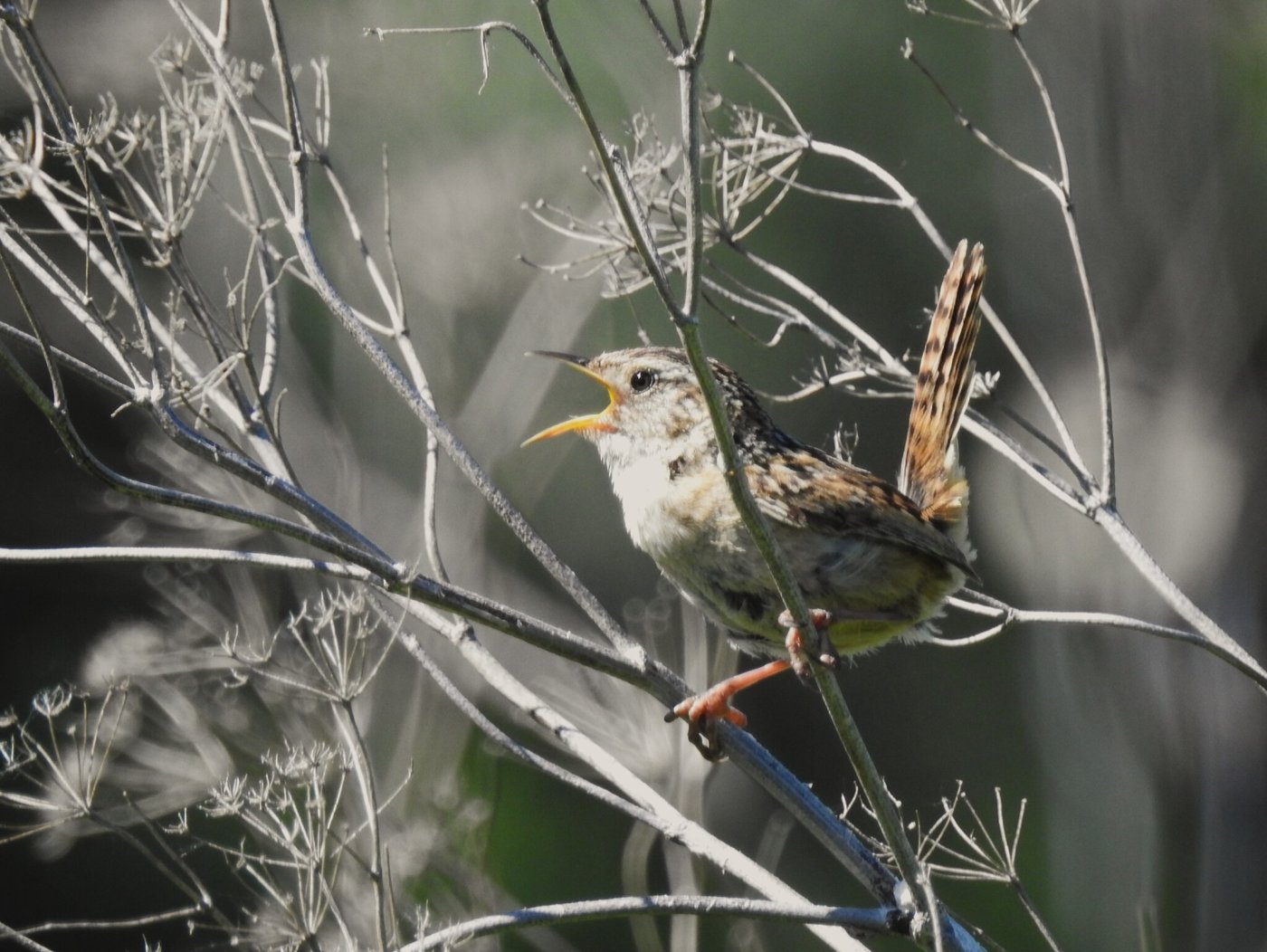
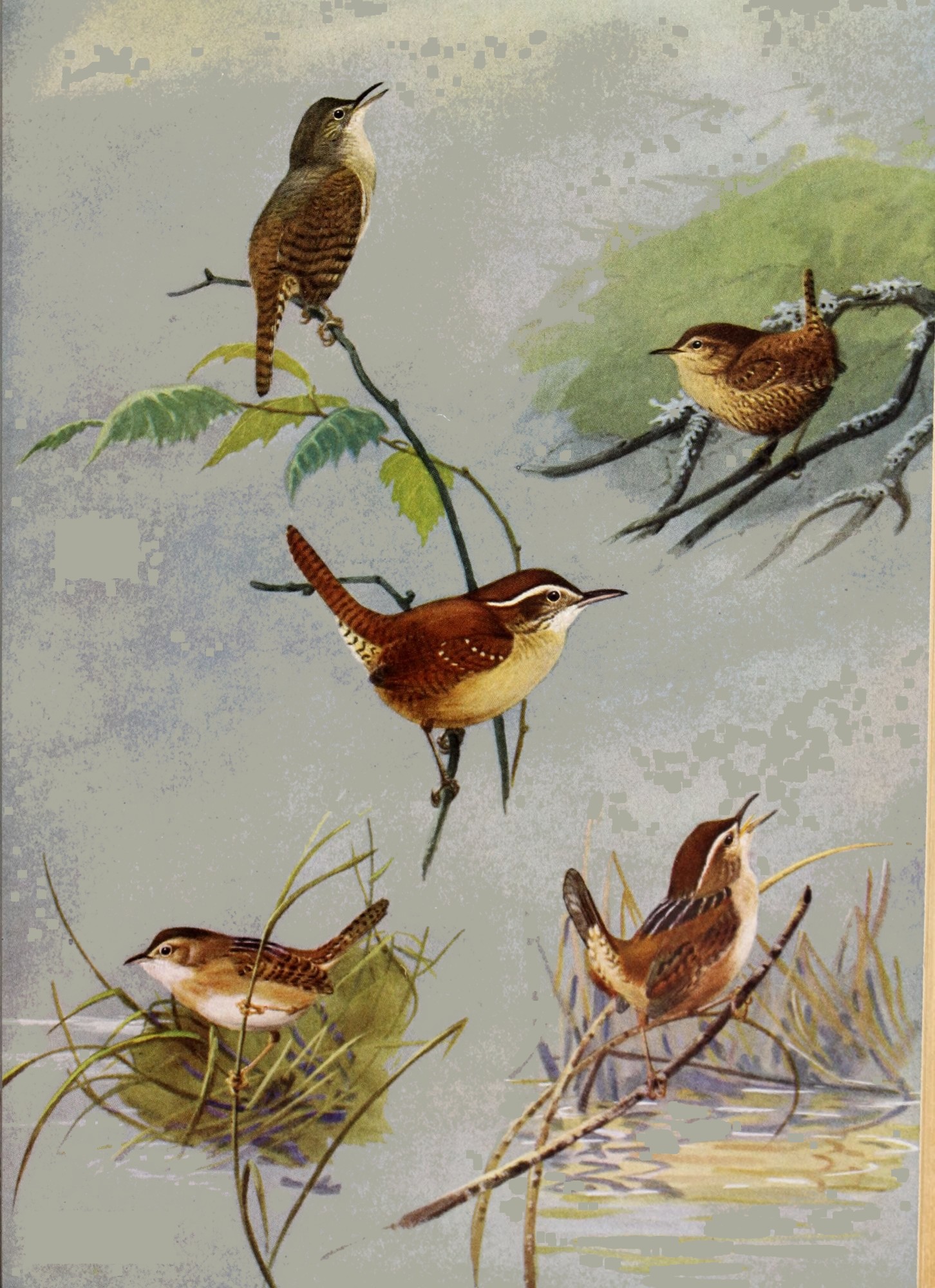
The state list uses the earlier name Cistothorus platensis; the American Ornithological Society now treats the Sedge Wren as C. stellaris, formerly considered conspecific with C. platensis.
The grass wren (Cistothorus platensis) is a species of passerine bird in the family Troglodytidae. It is widely distributed in central and southern America.
Description: Wikipedia (CC BY-SA 4.0).
Where NHESP has recorded it
last recorded since 2001 last recorded earlier
- Hadley 2024
- Stockbridge 2008
- Amherst 2007
- West Brookfield 2007
- Athol 2001
- Tyringham 2000
- Gill 1996
- Lincoln 1993
- Windsor 1993
- Brookfield 1992
- Richmond 1988
- Newbury 1985
- Blandford 1982
- Tewksbury 1978
- Petersham 1971
- West Newbury 1962
- Ashfield 1955
- Egremont 1955
- Goshen 1955
- New Braintree 1955
- Pittsfield 1955
- Sheffield 1955
- Deerfield 1951
- Concord 1949
- Lanesborough 1948
- Sudbury 1945
- Princeton 1942
- Longmeadow 1937
- Chesterfield 1934
- New Salem 1934
- Washington 1934
- Granby 1928
- Pelham 1926
- Canton 1893
- Wayland 1890
- Medfield 1884
- Belmont 1868
- Cambridge 1840
- Hamilton PRE-1905
- Lenox PRE-1948
- Lunenburg CIRCA-1937
- Lynnfield PRE-1905
- Saugus PRE-1905
Town-level documented observations from NHESP’s Rare Species Viewer, read 4 November 2026; the year is the last documented record, as NHESP prints it, not evidence of absence. NHESP does not publish locations. The list shows NHESP’s documented record (year) and, for birds, birders’ reports to eBird in the last 30 days by county.
eBird reports are birders’ sightings, not the state’s record. eBird hides the locations of sensitive species, so a county is the finest level shown here and a species can be missing for that reason. Source: eBird, Cornell Lab of Ornithology, reports of the last 30 days as of 6 November 2026.
More about this species
Population
An extremely rare breeder, with numbers that have fallen since the 1940s. The 2007–2011 atlas detected possible, probable, or confirmed breeding activity in 6 blocks, up from 3 blocks in the 1975–1979 atlas, and the state's heritage database holds 12 occurrence records since 1989.
2007-2011 atlas. Source: Massachusetts state rare-species fact sheet, Sedge Wren (published April 2025).
In Massachusetts
Sedge wrens are among the rarest breeding birds in the state. No specific counties or regions are identified on the state record; the most recent breeding atlas found activity in 6 blocks across its survey period.
Source: Massachusetts state rare-species fact sheet, Sedge Wren (published April 2025).
Threats
The primary pressure is declining availability of damp, grassy meadow, reduced by altered hydrology, encroachment by woody and invasive vegetation, and falling water tables. Haying during the nesting period, prolonged drought or flooding, feline predation, and strikes with structures add further risk.
Source: Massachusetts state rare-species fact sheet, Sedge Wren (published April 2025).
Protections
Classified Endangered under state law and among the state's priority wildlife for conservation planning. Controlled burning or strategic mowing to hold back shrub encroachment benefits the grassy, saturated habitat this bird requires.
Source: Massachusetts state rare-species fact sheet, Sedge Wren (published April 2025).
One fact
Males may construct several dummy nests; females choose among them and add lining material only to the cup where they actually deposit eggs.
Source: Massachusetts state rare-species fact sheet, Sedge Wren (published April 2025).
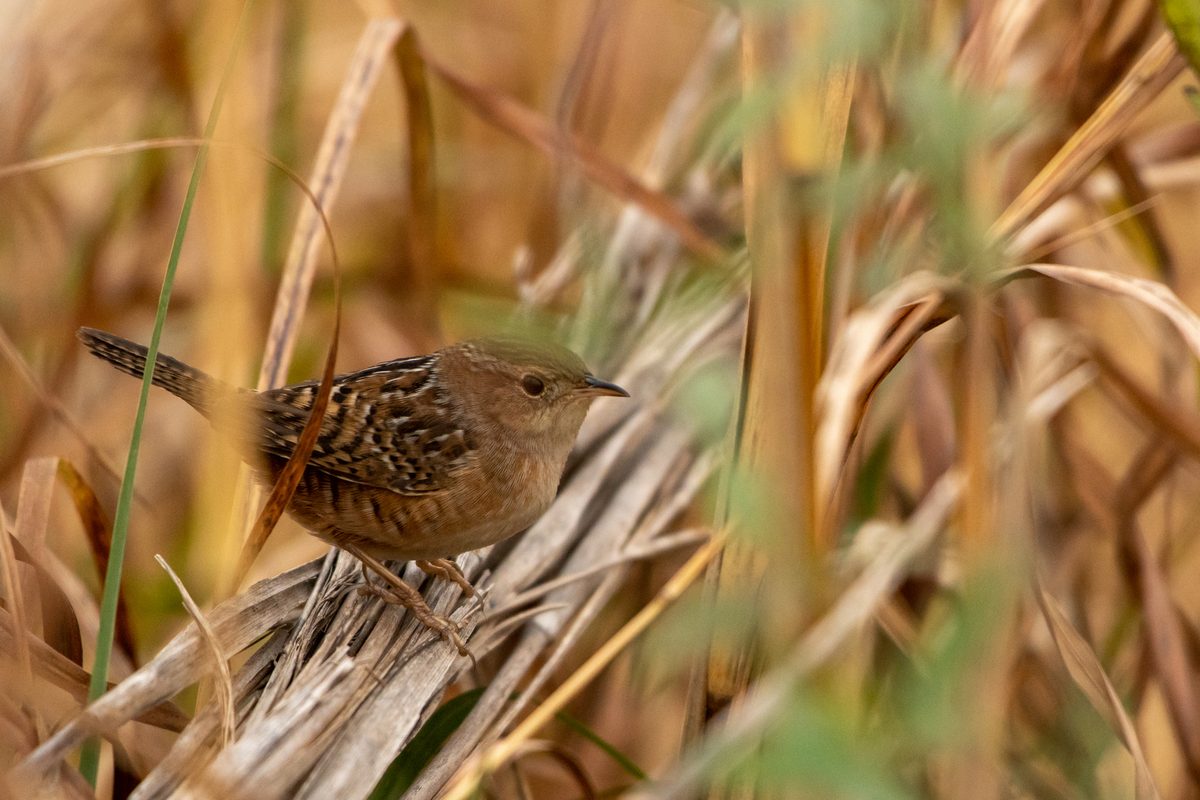
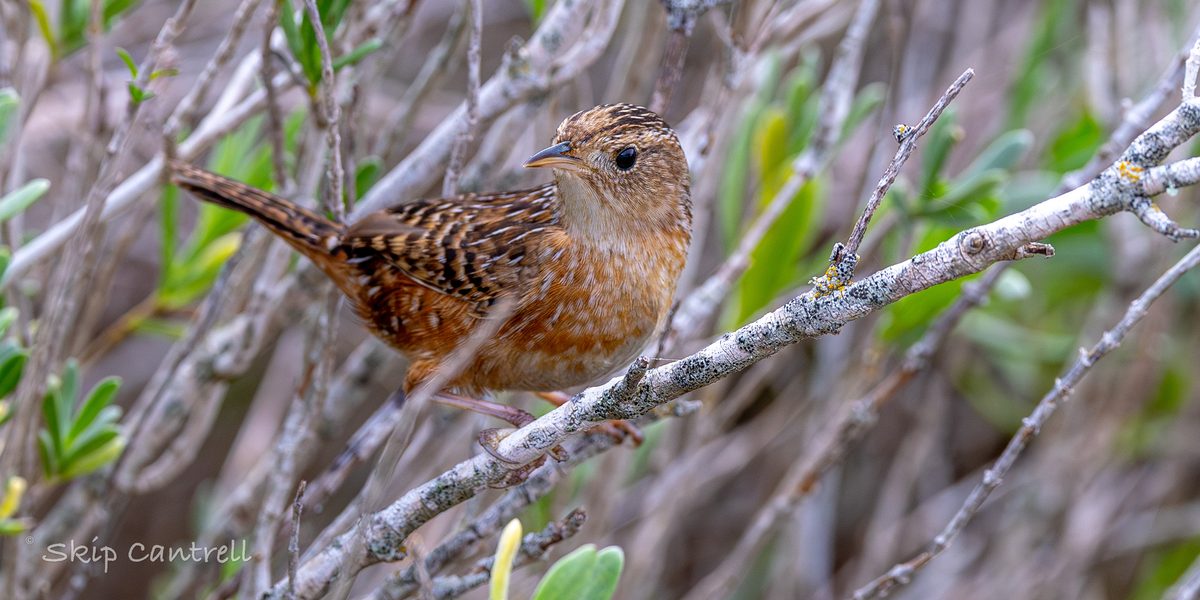
State list: 321 CMR 10.90, as of 16 August 2024. Rare species of Massachusetts · Trees of Massachusetts