Rare species of Massachusetts · Birds
Barn Owl
Status Special Concern · Group Birds · Recorded in 37 towns, 5 since 2001 · State sightings records: most recent 2011 · eBird reported in 2 of 14 counties in the last 30 days, latest 31 October 2026 (birders’ reports, eBird, Cornell Lab of Ornithology; as of 6 November 2026)
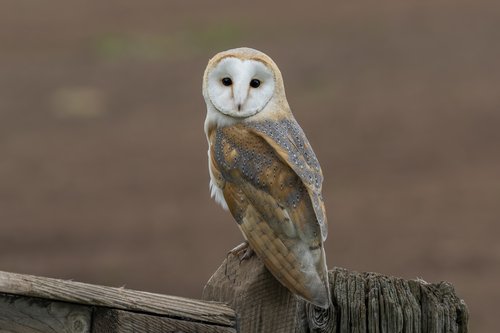
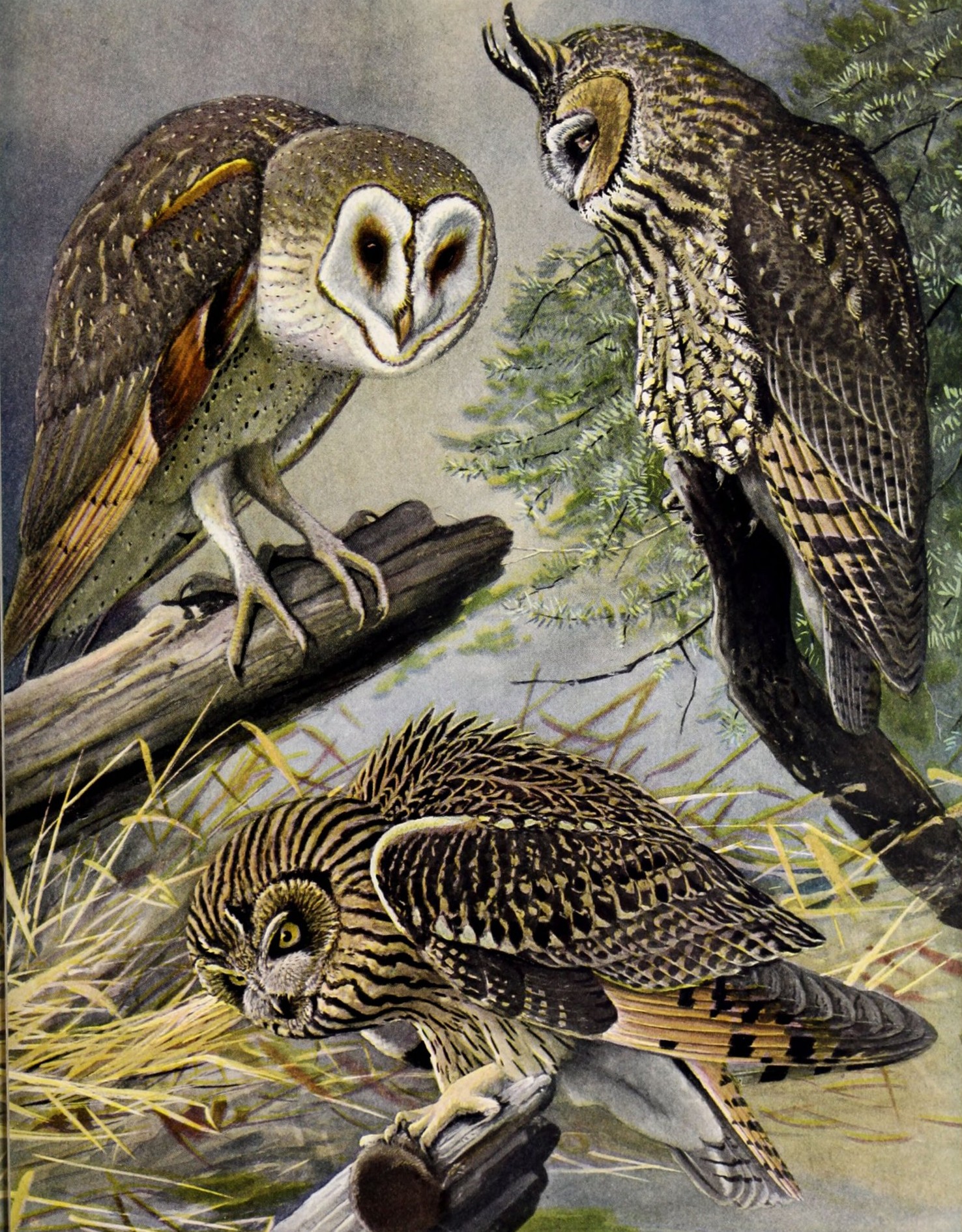
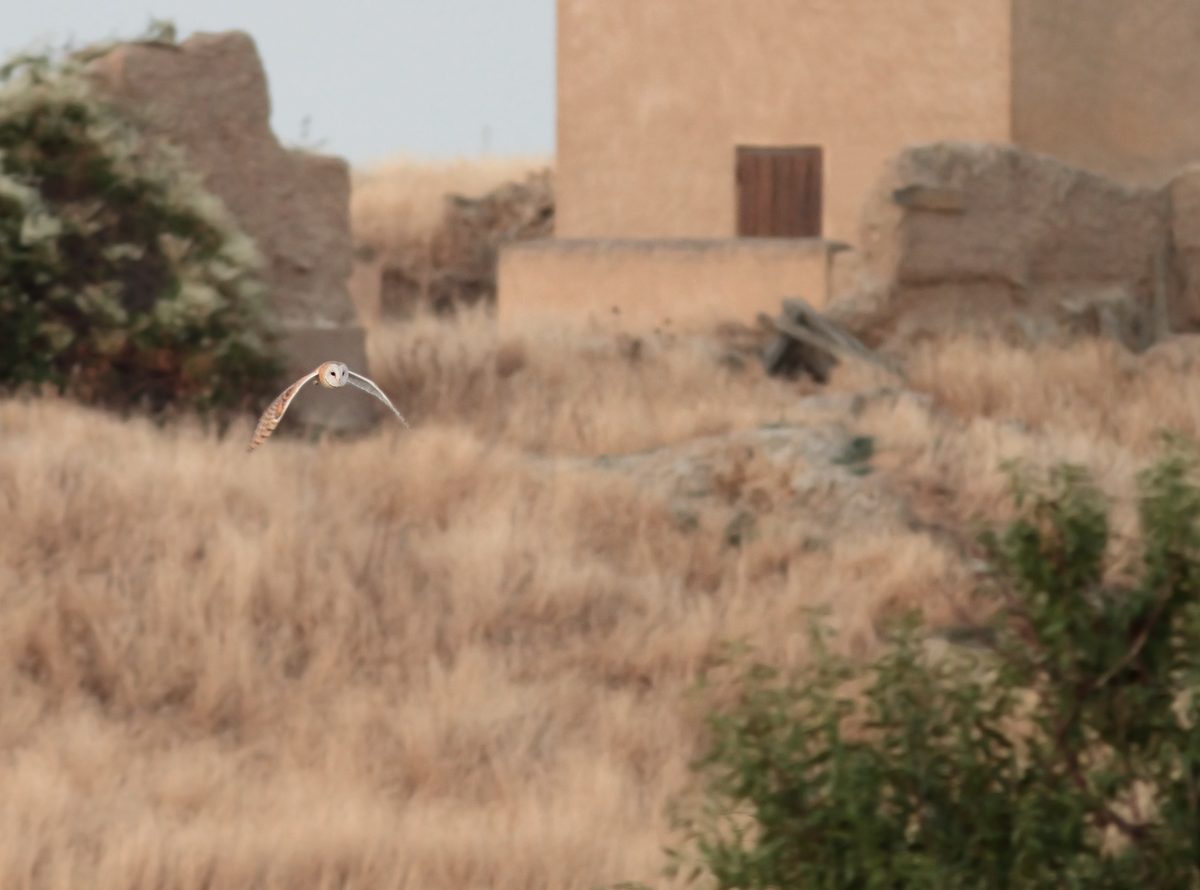
The western barn owl (Tyto alba) is a species of barn owl native to Europe, southwestern Asia, and Africa. It was formerly considered a subspecies group together with barn owls native to other parts of the world, but this classification was found to be paraphyletic with respect to some other members of the genus. The plumage on the head and back is a mottled shade of grey or brown; that on the underparts varies from white to brown and is sometimes speckled with dark markings.
Description: Wikipedia (CC BY-SA 4.0).
Where NHESP has recorded it
last recorded since 2001 last recorded earlier
- Nantucket 2011eBird: Nantucket County, 31 Oct 2026
- Chilmark 2009eBird: Dukes County, 19 Oct 2026
- Edgartown 2009eBird: Dukes County, 19 Oct 2026
- Tisbury 2009eBird: Dukes County, 19 Oct 2026
- South Hadley 2005
- Newbury 1993
- Mashpee 1991
- West Tisbury 1990eBird: Dukes County, 19 Oct 2026
- Boston 1989
- Easton 1987
- Dighton 1986
- Middleborough 1985
- Sandwich 1983
- Bridgewater 1981
- Hadley 1981
- Plymouth 1980
- Lynn 1978
- Hull 1971
- Dartmouth 1966
- Chatham 1962
- Boxford 1957
- Granby 1956
- Lexington 1956
- Ipswich 1955
- Pittsfield 1954
- Lincoln 1953
- Belmont 1952
- Seekonk 1952
- Belchertown 1951
- Great Barrington 1950
- Concord 1945
- Springfield 1935
- Bourne 1974-1979
- Cambridge PRE-1949
- Hingham 1970s
- Newburyport 1970s
- West Springfield PRE-1937
Town-level documented observations from NHESP’s Rare Species Viewer, read 4 November 2026; the year is the last documented record, as NHESP prints it, not evidence of absence. NHESP does not publish locations. The list shows NHESP’s documented record (year) and, for birds, birders’ reports to eBird in the last 30 days by county.
Reported to eBird in the last 30 days: Dukes, Nantucket
eBird reports are birders’ sightings, not the state’s record. eBird hides the locations of sensitive species, so a county is the finest level shown here and a species can be missing for that reason. Source: eBird, Cornell Lab of Ornithology, reports of the last 30 days as of 6 November 2026.
More about this species
In Massachusetts
Occurrences are concentrated along the coastal plain, running from the state's northeastern shoreline down through the Cape and nearby islands, with scattered sightings in the Housatonic and Connecticut river lowlands. The last confirmed breeding in the state's interior western region took place in 1981.
Source: Massachusetts state rare-species fact sheet, Barn Owl (published April 2025).
Threats
Predation, starvation during prolonged cold or dry periods, road strikes, electrocution on power infrastructure, pesticide and rodenticide exposure, habitat loss, unauthorized killing, and disturbance at nest sites are all identified pressures. Transformation of agricultural land over the past two decades is considered the most likely explanation for the decline.
Source: Massachusetts state rare-species fact sheet, Barn Owl (published April 2025).
Protections
The barn owl is listed as Special Concern in Massachusetts and designated among the state's priority wildlife requiring the greatest conservation attention.
Source: Massachusetts state rare-species fact sheet, Barn Owl (published April 2025).
One fact
A barn owl can pinpoint and capture prey without any light at all, guided entirely by hearing alone.
Source: Massachusetts state rare-species fact sheet, Barn Owl (published April 2025).
State list: 321 CMR 10.90, as of 16 August 2024. Rare species of Massachusetts · Trees of Massachusetts