Rare species of Massachusetts · Birds
Roseate Tern
Status Endangered · Federal status Federally Endangered · Group Birds · Recorded in 34 towns, 31 since 2001 · State sightings records: most recent 2024 · eBird reported in 1 of 14 counties in the last 30 days, latest 7 October 2026 (birders’ reports, eBird, Cornell Lab of Ornithology; as of 6 November 2026)
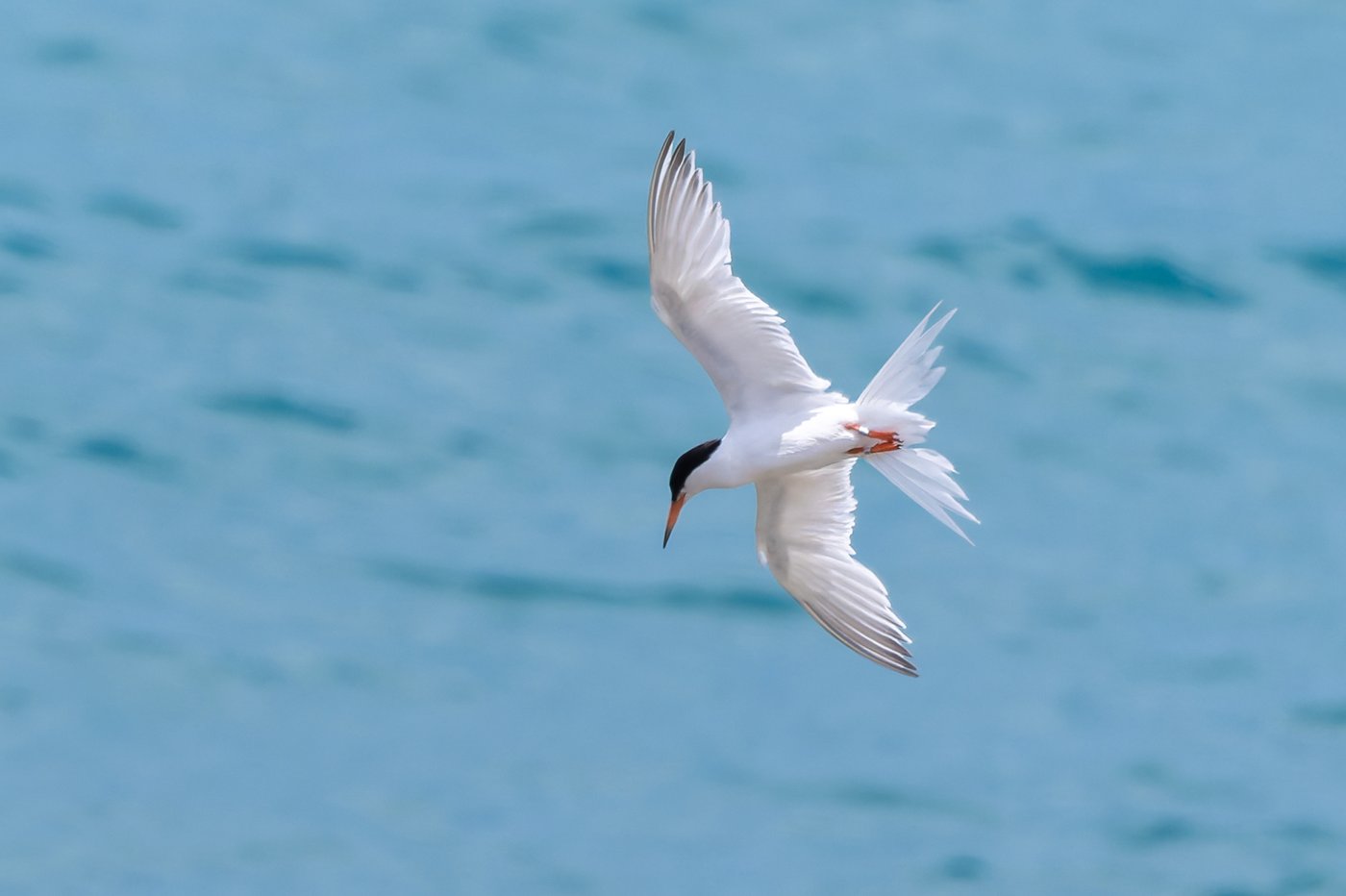
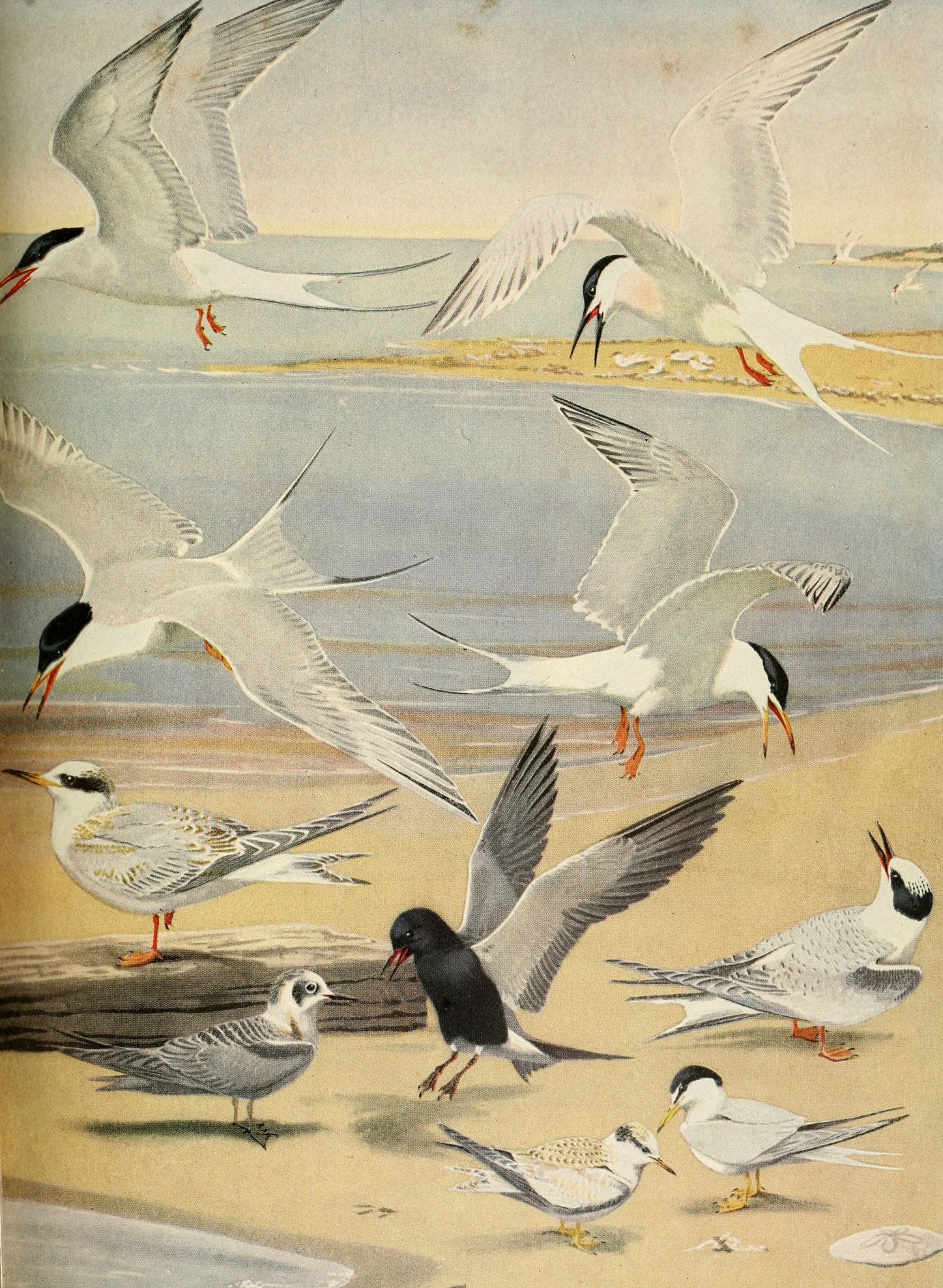
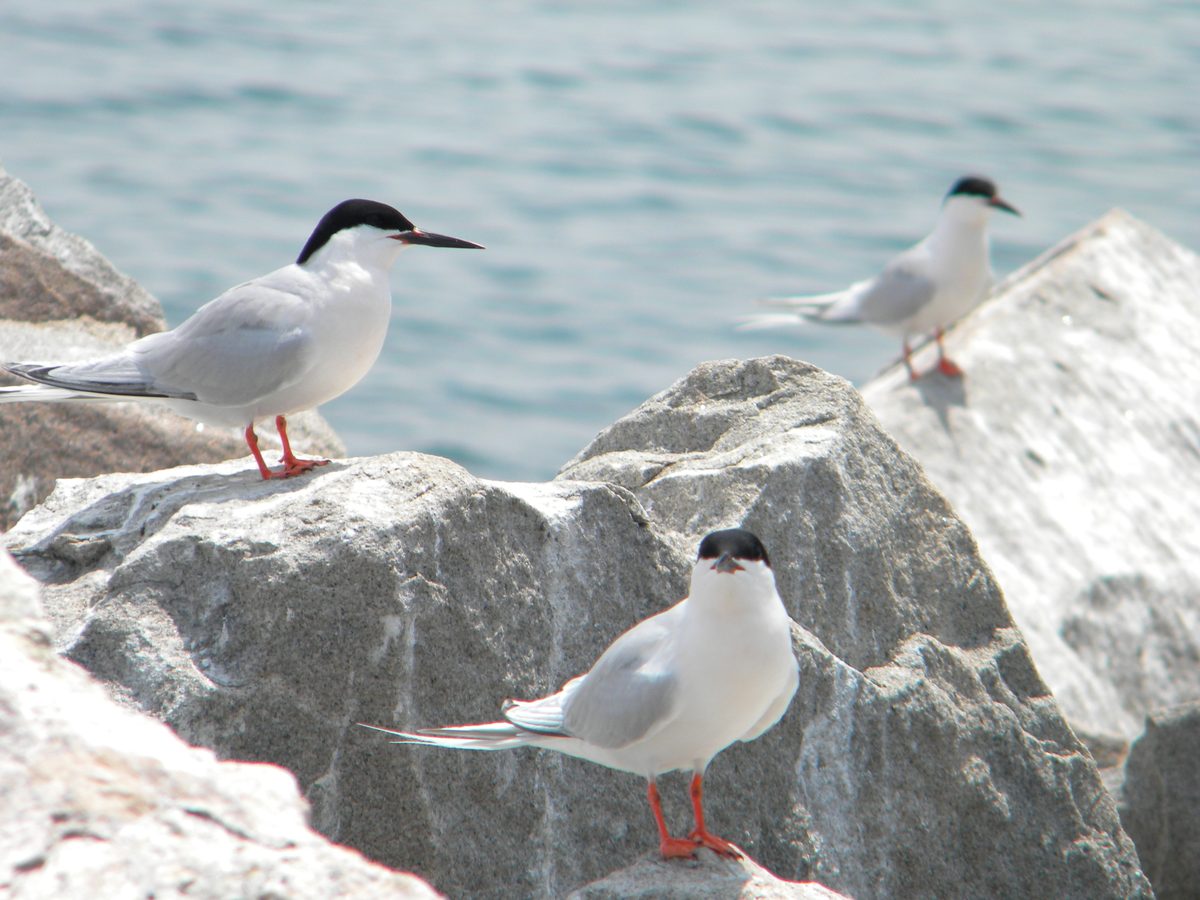
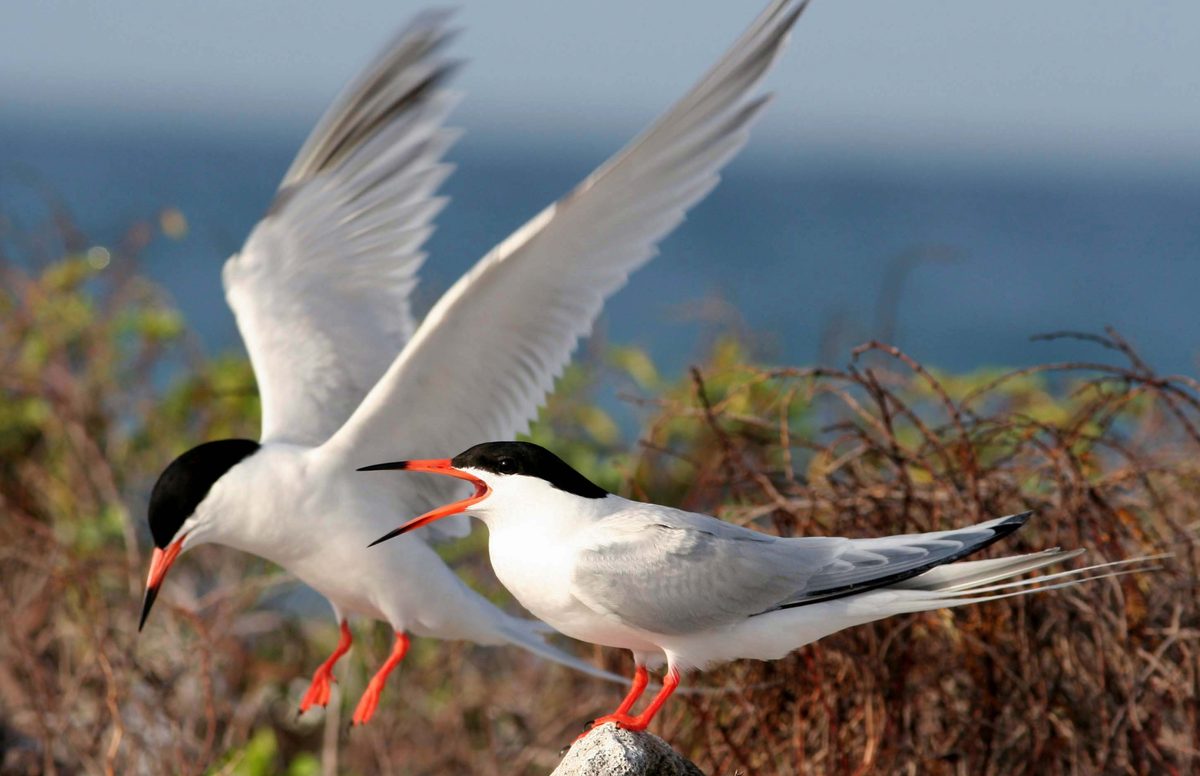
The roseate tern (Sterna dougallii) is a species of tern in the family Laridae. The genus name Sterna is derived from Old English "stearn", "tern", and the specific dougallii refers to Scottish physician and collector Dr Peter McDougall (1777–1814). "Roseate" refers to the bird's pink breast in breeding plumage.
Description: Wikipedia (CC BY-SA 4.0).
Where NHESP has recorded it
last recorded since 2001 last recorded earlier
- Chatham 2024eBird: Barnstable County, 7 Oct 2026
- Edgartown 2024
- Gosnold 2024
- Marion 2024
- Mattapoisett 2024
- Nantucket 2023
- Falmouth 2022eBird: Barnstable County, 7 Oct 2026
- Mashpee 2019eBird: Barnstable County, 7 Oct 2026
- Plymouth 2011
- Aquinnah 2008
- Barnstable 2008eBird: Barnstable County, 7 Oct 2026
- Brewster 2008eBird: Barnstable County, 7 Oct 2026
- Chilmark 2008
- Dennis 2008eBird: Barnstable County, 7 Oct 2026
- Duxbury 2008
- Eastham 2008eBird: Barnstable County, 7 Oct 2026
- Orleans 2008eBird: Barnstable County, 7 Oct 2026
- Provincetown 2008eBird: Barnstable County, 7 Oct 2026
- Truro 2008eBird: Barnstable County, 7 Oct 2026
- Wellfleet 2008eBird: Barnstable County, 7 Oct 2026
- West Tisbury 2008
- Yarmouth 2008eBird: Barnstable County, 7 Oct 2026
- Bourne 2007eBird: Barnstable County, 7 Oct 2026
- Wareham 2007
- Dartmouth 2006
- Fairhaven 2006
- New Bedford 2006
- Tisbury 2006
- Westport 2006
- Harwich 2005eBird: Barnstable County, 7 Oct 2026
- Oak Bluffs 2005
- Newbury 1980
- Rockport 1920
- Ipswich No Date
Town-level documented observations from NHESP’s Rare Species Viewer, read 4 November 2026; the year is the last documented record, as NHESP prints it, not evidence of absence. NHESP does not publish locations. The list shows NHESP’s documented record (year) and, for birds, birders’ reports to eBird in the last 30 days by county.
Reported to eBird in the last 30 days: Barnstable
eBird reports are birders’ sightings, not the state’s record. eBird hides the locations of sensitive species, so a county is the finest level shown here and a species can be missing for that reason. Source: eBird, Cornell Lab of Ornithology, reports of the last 30 days as of 6 November 2026.
More about this species
Population
The northeastern population was estimated at just over 4,600 breeding pairs in 2019. Over 90 percent of the total concentrates at three colony sites.
2019. Source: U.S. Fish and Wildlife Service, Roseate Tern.
In Massachusetts
Five colony sites in Massachusetts supported roughly 3,700 breeding pairs in 2024. For the northeastern population as a whole, pair counts crested at 4,310 in the year 2000, fell to approximately 3,000 within thirteen years, then recovered.
Source: Massachusetts state rare-species fact sheet, Roseate Tern (undated).
Threats
Gull expansion displaces nesting pairs from colony sites. Other documented pressures are nest predation, coastal erosion, inundation from rising water, reduced prey availability as the ocean warms, persistent PCBs from decades-old contamination, virulent avian influenza, red-tide mortality events, and potential effects from offshore energy development.
Source: Massachusetts state rare-species fact sheet, Roseate Tern (undated).
Protections
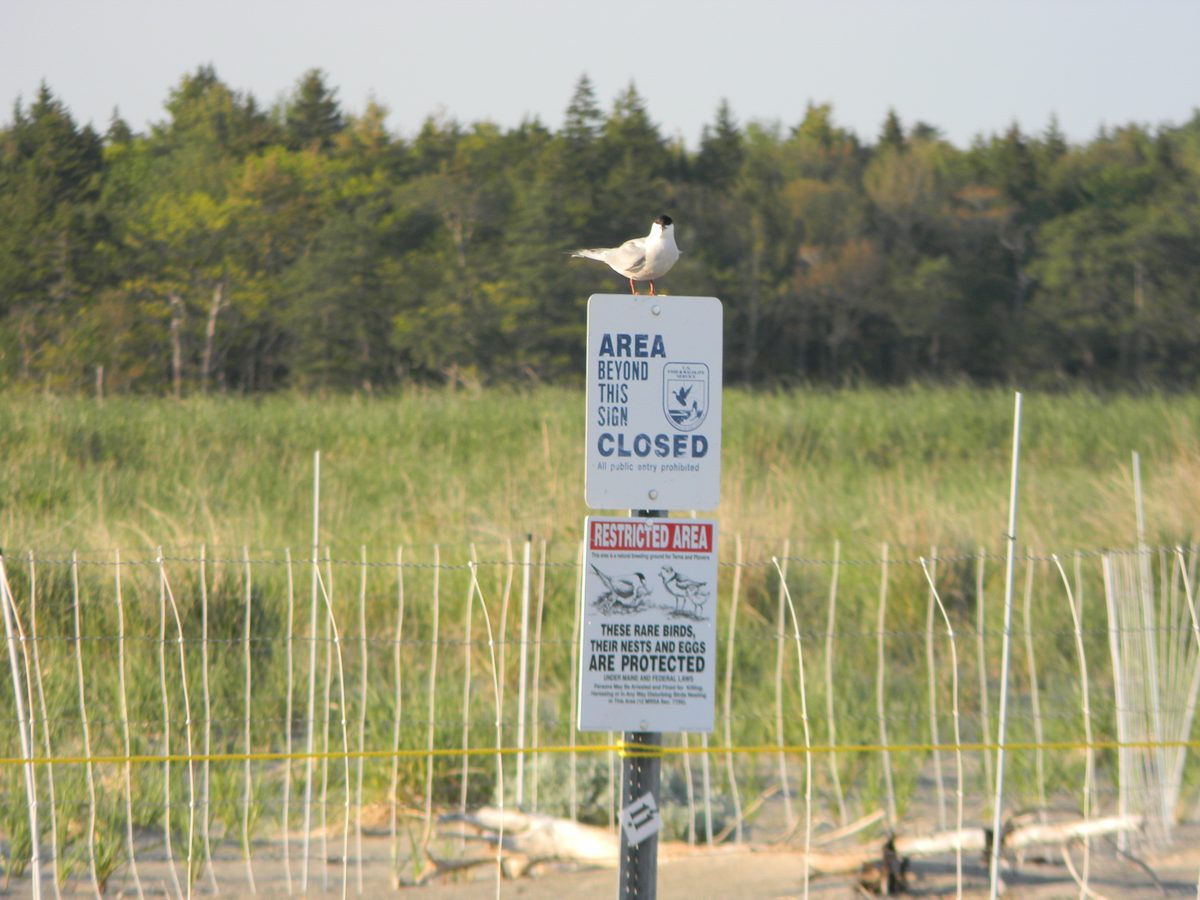
The species carries Endangered designation under state law and federal statute alike. Colonies receive annual protection through boundary marking, exclusion of the public, seasonal guardianship, active gull management, predator deterrence, and installation of artificial shelters for nesting.
Source: U.S. Fish and Wildlife Service, Roseate Tern; Massachusetts state rare-species fact sheet, Roseate Tern (undated).
One fact
According to federal wildlife data, three colony sites account for over 90 percent of the entire northeastern breeding population of this species.
State list: 321 CMR 10.90, as of 16 August 2024. Rare species of Massachusetts · Trees of Massachusetts