Rare species of Massachusetts · Birds
Common Tern
Status Special Concern · Group Birds · Recorded in 48 towns, 44 since 2001 · State sightings records: most recent 2025 · eBird reported in 7 of 14 counties in the last 30 days, latest 5 November 2026 (birders’ reports, eBird, Cornell Lab of Ornithology; as of 6 November 2026)
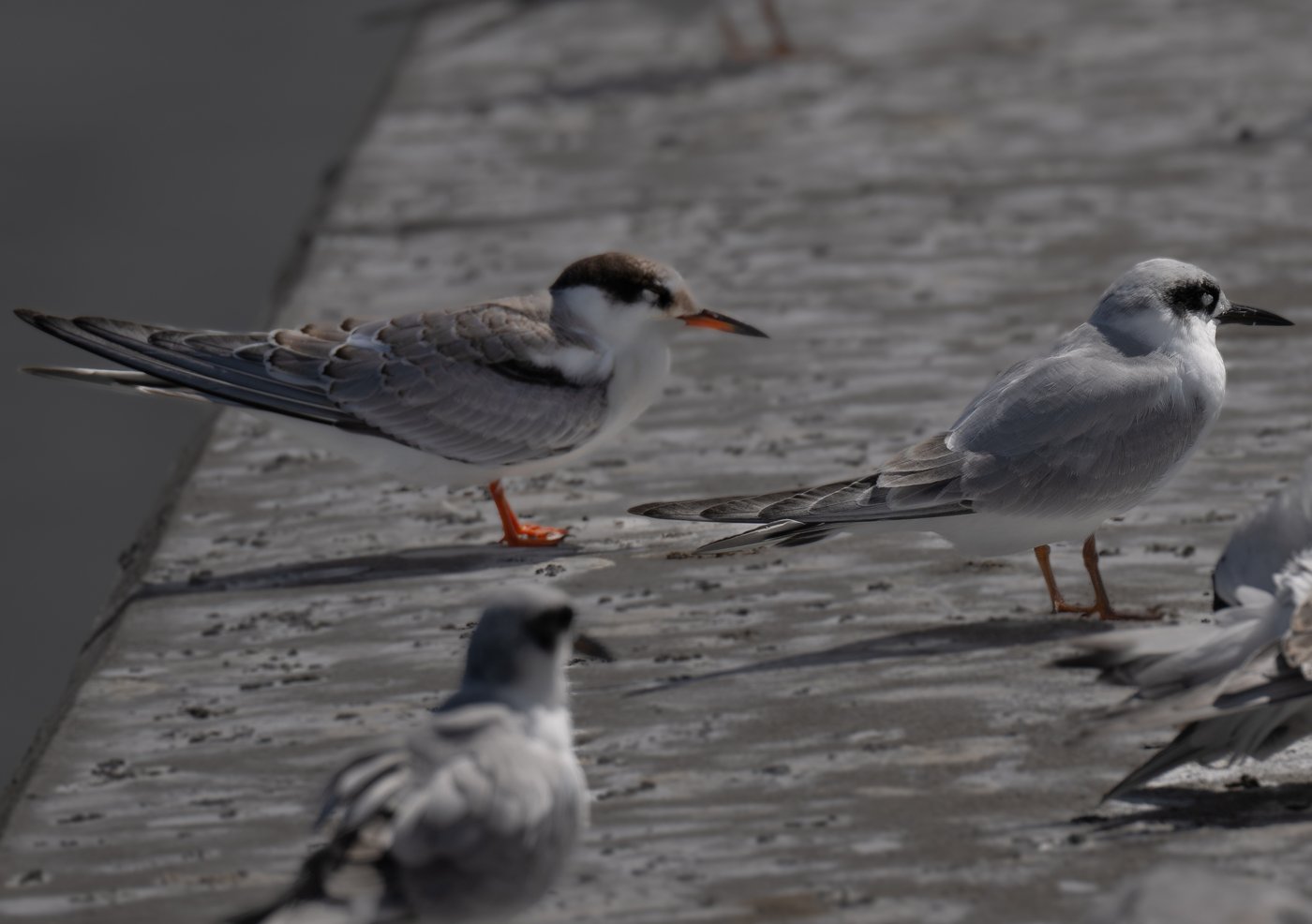
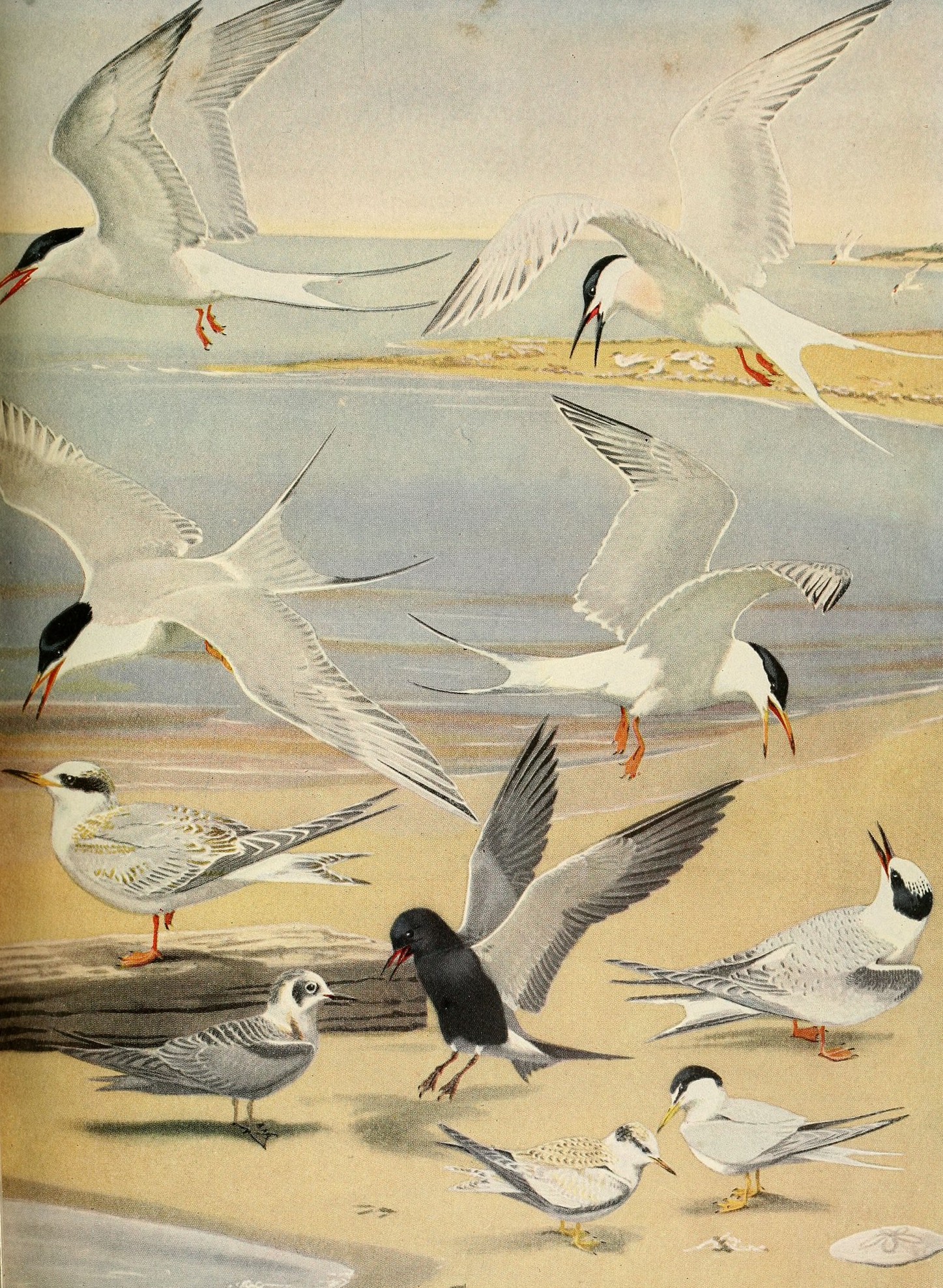
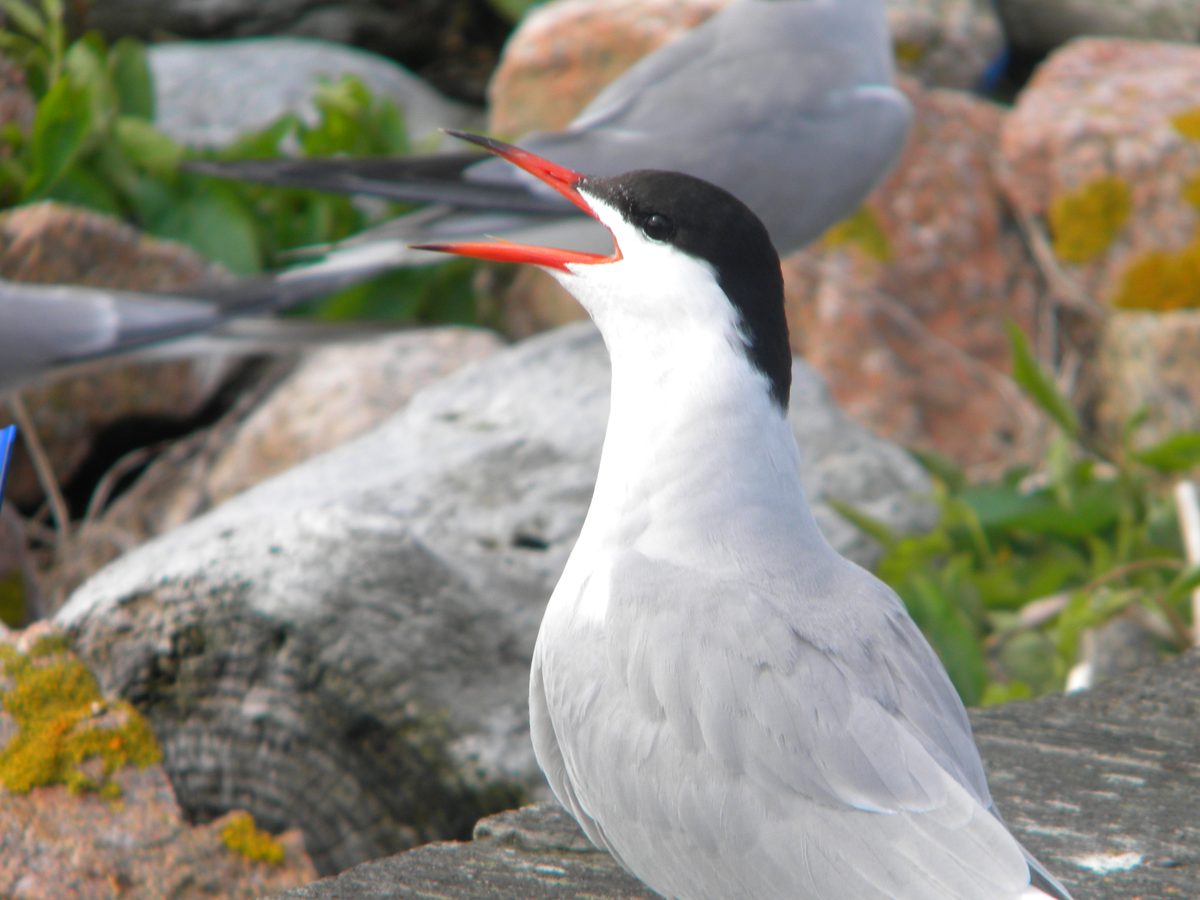
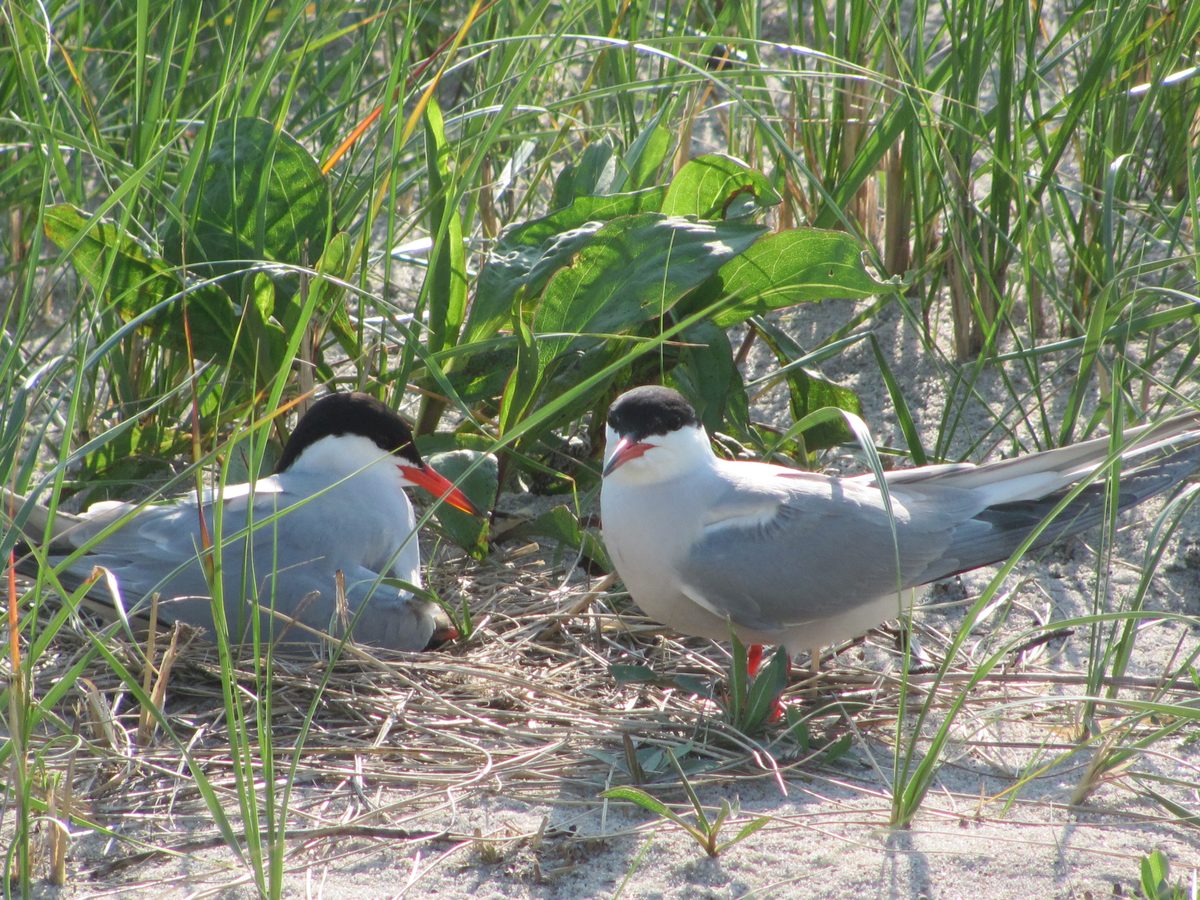
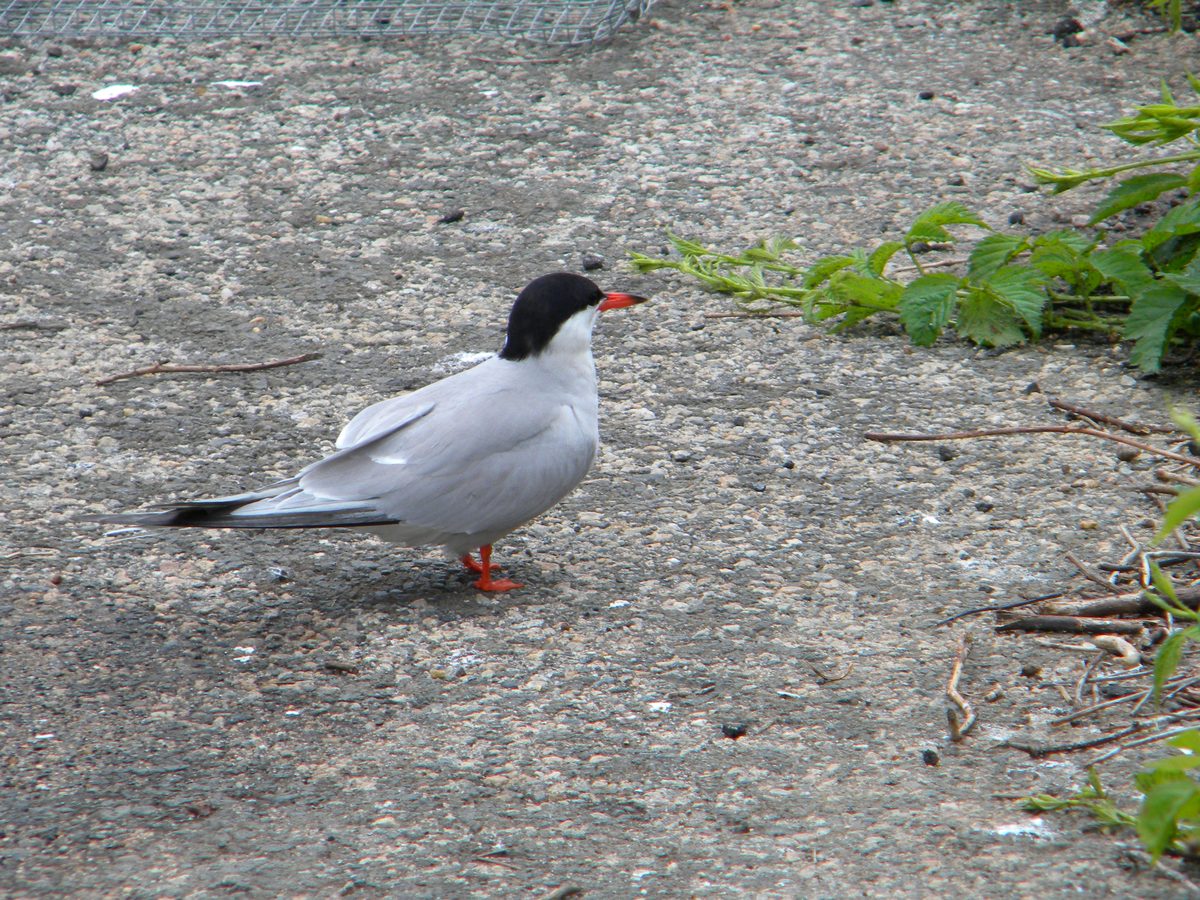
The common tern (Sterna hirundo) is a seabird in the family Laridae. This bird has a circumpolar distribution, its four subspecies breeding in temperate and subarctic regions of Europe, Asia and North America. It is strongly migratory, wintering in coastal tropical and subtropical regions.
Description: Wikipedia (CC BY-SA 4.0).
Where NHESP has recorded it
last recorded since 2001 last recorded earlier
- Salem 2025eBird: Essex County, 5 Nov 2026
- Aquinnah 2024eBird: Dukes County, 11 Oct 2026
- Barnstable 2024eBird: Barnstable County, 5 Nov 2026
- Boston 2024eBird: Suffolk County, 31 Oct 2026
- Chatham 2024eBird: Barnstable County, 5 Nov 2026
- Chilmark 2024eBird: Dukes County, 11 Oct 2026
- Dartmouth 2024eBird: Bristol County, 11 Oct 2026
- Duxbury 2024eBird: Plymouth County, 5 Nov 2026
- Edgartown 2024eBird: Dukes County, 11 Oct 2026
- Gosnold 2024eBird: Dukes County, 11 Oct 2026
- Hull 2024eBird: Plymouth County, 5 Nov 2026
- Ipswich 2024eBird: Essex County, 5 Nov 2026
- Lynn 2024eBird: Essex County, 5 Nov 2026
- Marion 2024eBird: Plymouth County, 5 Nov 2026
- Mattapoisett 2024eBird: Plymouth County, 5 Nov 2026
- Nantucket 2024eBird: Nantucket County, 3 Nov 2026
- Newburyport 2024eBird: Essex County, 5 Nov 2026
- Oak Bluffs 2024eBird: Dukes County, 11 Oct 2026
- Plymouth 2024eBird: Plymouth County, 5 Nov 2026
- Revere 2024eBird: Suffolk County, 31 Oct 2026
- Scituate 2024eBird: Plymouth County, 5 Nov 2026
- Tisbury 2024eBird: Dukes County, 11 Oct 2026
- Winthrop 2024eBird: Suffolk County, 31 Oct 2026
- Yarmouth 2024eBird: Barnstable County, 5 Nov 2026
- Rowley 2023eBird: Essex County, 5 Nov 2026
- Westport 2023eBird: Bristol County, 11 Oct 2026
- Newbury 2022eBird: Essex County, 5 Nov 2026
- Everett 2020
- West Tisbury 2020eBird: Dukes County, 11 Oct 2026
- Orleans 2013eBird: Barnstable County, 5 Nov 2026
- Eastham 2011eBird: Barnstable County, 5 Nov 2026
- Wellfleet 2011eBird: Barnstable County, 5 Nov 2026
- Brewster 2008eBird: Barnstable County, 5 Nov 2026
- Dennis 2008eBird: Barnstable County, 5 Nov 2026
- Falmouth 2008eBird: Barnstable County, 5 Nov 2026
- Mashpee 2008eBird: Barnstable County, 5 Nov 2026
- Provincetown 2008eBird: Barnstable County, 5 Nov 2026
- Somerville 2008
- Truro 2008eBird: Barnstable County, 5 Nov 2026
- Bourne 2007eBird: Barnstable County, 5 Nov 2026
- Wareham 2007eBird: Plymouth County, 5 Nov 2026
- Fairhaven 2006eBird: Bristol County, 11 Oct 2026
- New Bedford 2006eBird: Bristol County, 11 Oct 2026
- Harwich 2002eBird: Barnstable County, 5 Nov 2026
- Sandwich 1999eBird: Barnstable County, 5 Nov 2026
- Gloucester 1993eBird: Essex County, 5 Nov 2026
- Salisbury 1985eBird: Essex County, 5 Nov 2026
- Rockport 1920eBird: Essex County, 5 Nov 2026
Town-level documented observations from NHESP’s Rare Species Viewer, read 4 November 2026; the year is the last documented record, as NHESP prints it, not evidence of absence. NHESP does not publish locations. The list shows NHESP’s documented record (year) and, for birds, birders’ reports to eBird in the last 30 days by county.
Reported to eBird in the last 30 days: Barnstable, Bristol, Dukes, Essex, Nantucket, Plymouth, Suffolk
eBird reports are birders’ sightings, not the state’s record. eBird hides the locations of sensitive species, so a county is the finest level shown here and a species can be missing for that reason. Source: eBird, Cornell Lab of Ornithology, reports of the last 30 days as of 6 November 2026.
More about this species
Population
About 27,019 pairs were counted at 38 nesting sites in 2024, with roughly 90% of the total concentrated in just three colonies. After market hunting for feathers in the late nineteenth century reduced totals to between five and ten thousand pairs, numbers climbed back to 30,000 by 1920 before dropping to roughly seven thousand through the 1970s.
2024. Source: Massachusetts state rare-species fact sheet, Common Tern (published April 2025).
In Massachusetts
The heaviest nesting concentrations occur along the shores of Buzzards Bay and Cape Cod. Once nesting wraps up, birds congregate and stage at locations around Nantucket, Martha's Vineyard, and the Outer Cape.
Source: Massachusetts state rare-species fact sheet, Common Tern (published April 2025).
Threats
Pressures span beach erosion, overwash, rising sea levels, storm damage, encroachment by invasive plants, gull and mammal predation, prey shifts linked to warming waters, legacy chemical contaminants, offshore wind construction, illness from pathogens including avian influenza and red-tide toxins, and conditions on southern wintering grounds.
Source: Massachusetts state rare-species fact sheet, Common Tern (published April 2025).
Protections
The common tern is listed as Special Concern in Massachusetts and is among the state's priority wildlife requiring the greatest conservation attention. Active nesting areas are managed with posted signs, seasonal wardens, and visitor closures.
Source: Massachusetts state rare-species fact sheet, Common Tern (published April 2025).
One fact
The longest-lived wild common tern on record was banded as a chick in Massachusetts and was confirmed still alive at age 29.
Source: Massachusetts state rare-species fact sheet, Common Tern (published April 2025).
State list: 321 CMR 10.90, as of 16 August 2024. Rare species of Massachusetts · Trees of Massachusetts