Rare species of Massachusetts · Birds
Least Tern
Status Special Concern · Group Birds · Recorded in 40 towns, 38 since 2001 · State sightings records: most recent 2025 · eBird no reports in Massachusetts in the last 30 days (as of 6 November 2026)
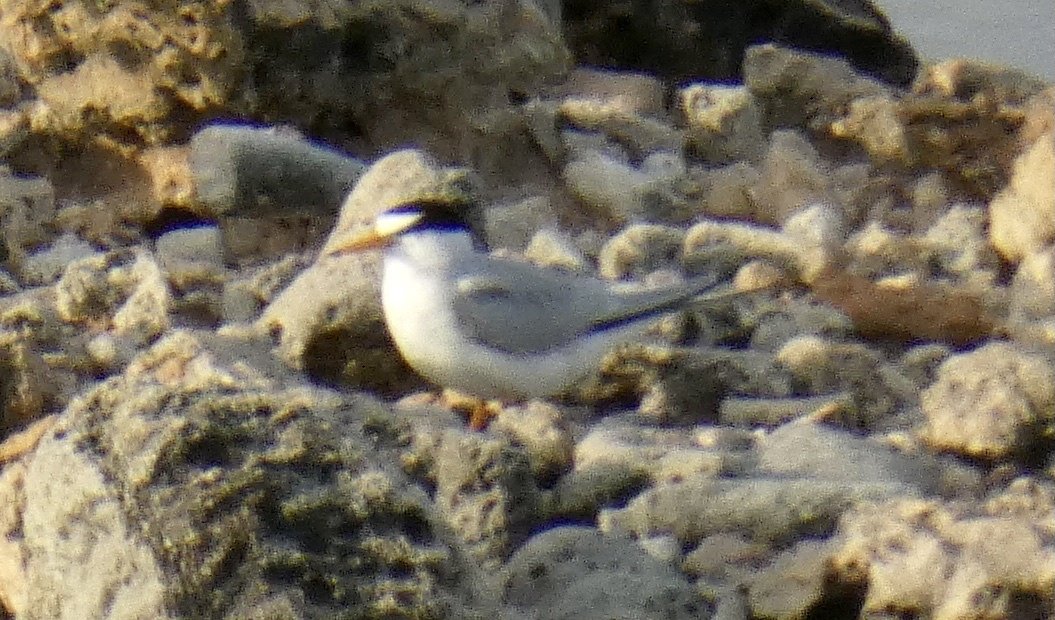
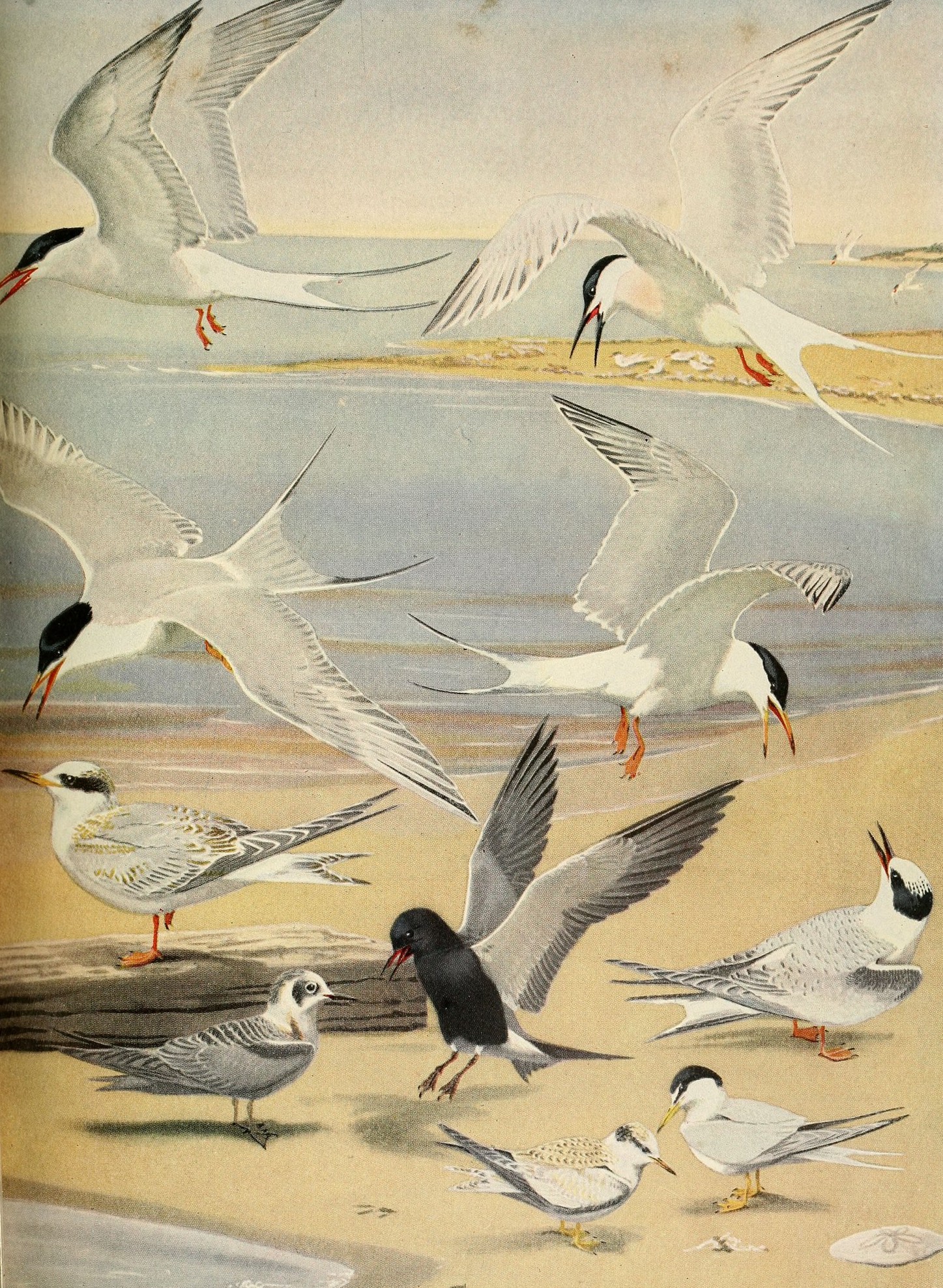
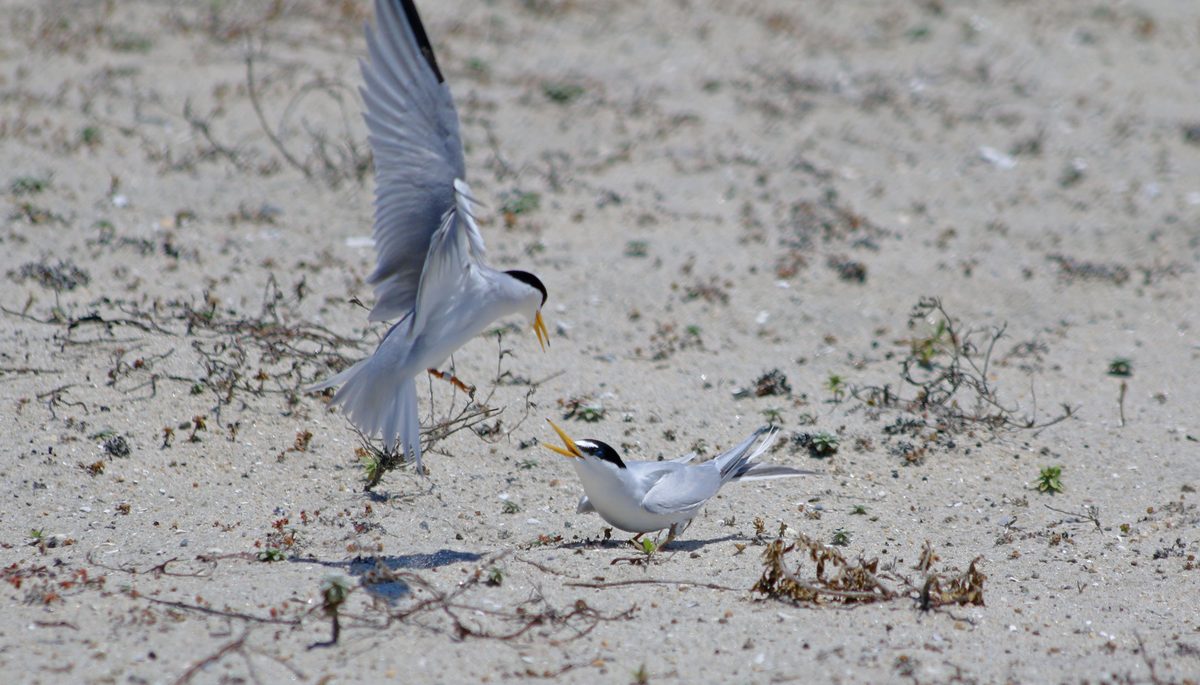
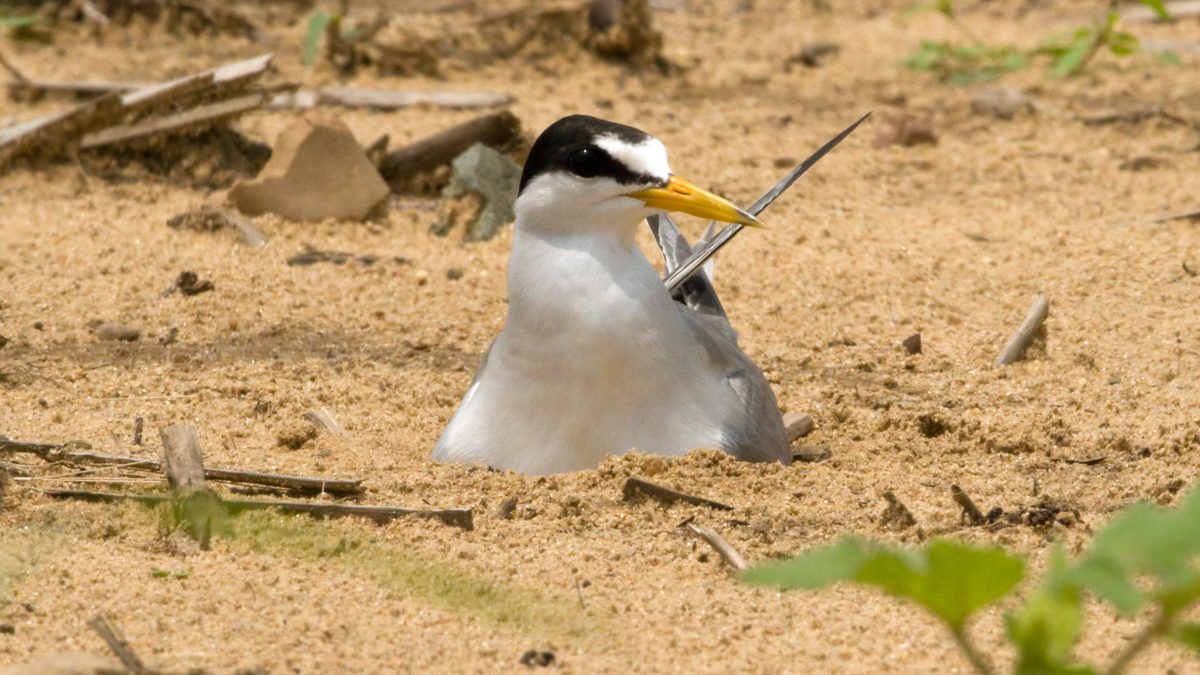
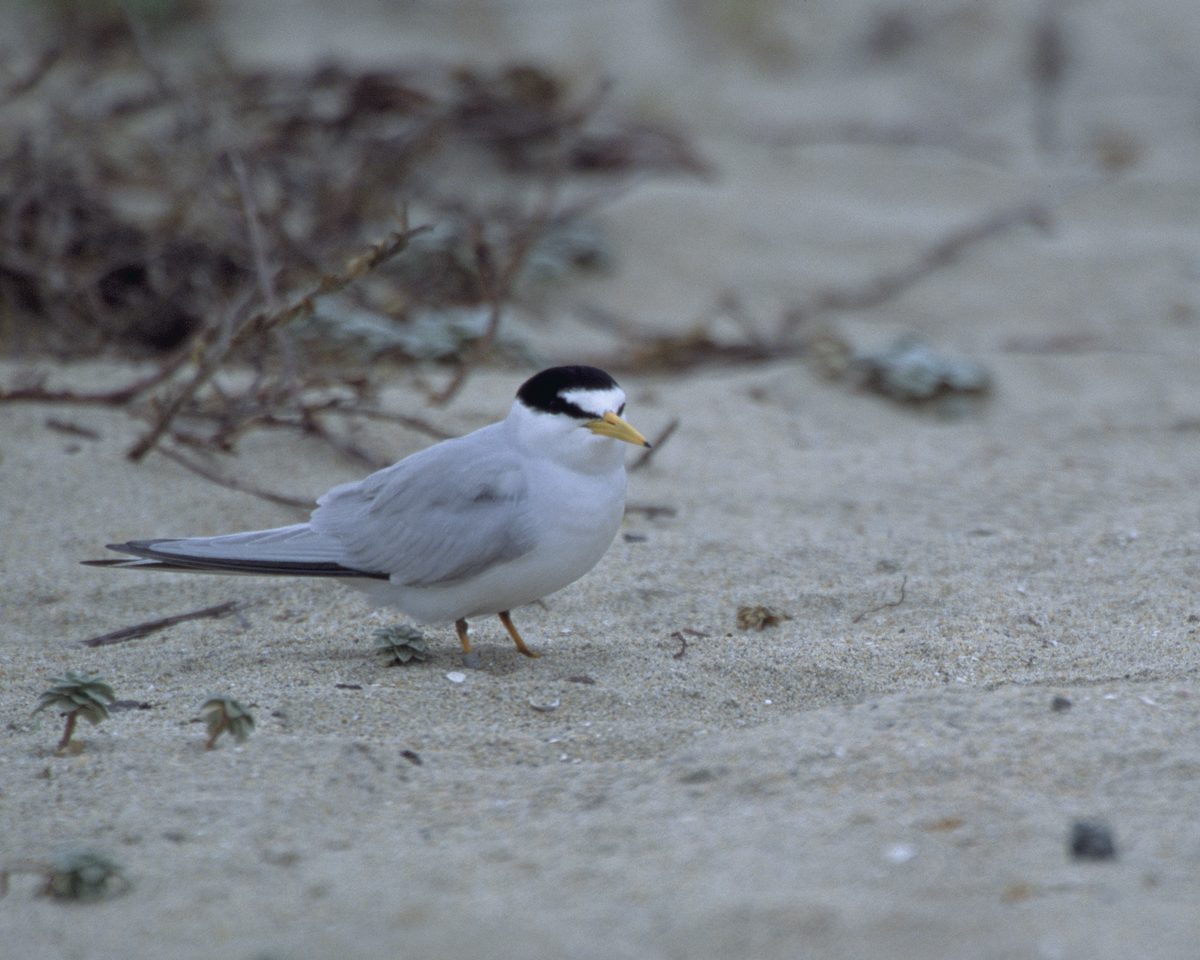
The least tern (Sternula antillarum) is a species of tern that breeds in North America and locally in northern South America. It is closely related to, and was formerly often considered conspecific with, the little tern of the Old World. Other close relatives include the yellow-billed tern and Peruvian tern, both from South America.
Description: Wikipedia (CC BY-SA 4.0).
Where NHESP has recorded it
last recorded since 2001 last recorded earlier
- Falmouth 2025
- Aquinnah 2024
- Barnstable 2024
- Boston 2024
- Brewster 2024
- Chatham 2024
- Chilmark 2024
- Cohasset 2024
- Dartmouth 2024
- Dennis 2024
- Duxbury 2024
- Eastham 2024
- Edgartown 2024
- Fairhaven 2024
- Gosnold 2024
- Harwich 2024
- Ipswich 2024
- Mashpee 2024
- Newbury 2024
- Newburyport 2024
- Oak Bluffs 2024
- Orleans 2024
- Plymouth 2024
- Provincetown 2024
- Rowley 2024
- Sandwich 2024
- Scituate 2024
- Tisbury 2024
- Truro 2024
- Wellfleet 2024
- West Tisbury 2024
- Westport 2024
- Winthrop 2024
- Yarmouth 2024
- Revere 2023
- Nantucket 2021
- Mattapoisett 2012
- Bourne 2004
- Swansea 1994
- New Bedford 1931
Town-level documented observations from NHESP’s Rare Species Viewer, read 4 November 2026; the year is the last documented record, as NHESP prints it, not evidence of absence. NHESP does not publish locations. The list shows NHESP’s documented record (year) and, for birds, birders’ reports to eBird in the last 30 days by county.
eBird reports are birders’ sightings, not the state’s record. eBird hides the locations of sensitive species, so a county is the finest level shown here and a species can be missing for that reason. Source: eBird, Cornell Lab of Ornithology, reports of the last 30 days as of 6 November 2026.
More about this species
Population
Approximately 4,318 pairs bred at 89 coastal sites in 2024. Historical baselines show roughly a quarter-thousand pairs at the start of the twentieth century, some 1,500 by mid-century, and near 900 as the 1970s began.
2024. Source: Massachusetts state rare-species fact sheet, Least Tern (published April 2025).
In Massachusetts
Breeding extends across the state's coastline, with 89 colonies identified in 2024. Season-to-season totals are inherently imprecise because colony locations shift and birds often re-establish at a new spot after a failed attempt in the same season.
Source: Massachusetts state rare-species fact sheet, Least Tern (published April 2025).
Threats
Coastal development, shoreline hardening, and rising seas reduce available nesting ground. Human activity — including beach raking, foot traffic, dogs, vehicles, and fireworks — causes frequent nest abandonment. Heavy predation affects eggs and chicks on mainland beaches. Additional pressures include climate-related changes in prey, energy-infrastructure construction at sea, and plastic debris.
Source: Massachusetts state rare-species fact sheet, Least Tern (published April 2025).
Protections
The least tern is listed as Special Concern in Massachusetts and is among the state's priority wildlife requiring the greatest conservation attention. Protective fencing and posted signage have been standard at most nesting areas since the 1970s.
Source: Massachusetts state rare-species fact sheet, Least Tern (published April 2025).
One fact
A wild least tern banded as a nestling in Massachusetts holds the documented longevity record for the species; it was recovered dead at 24 years of age.
Source: Massachusetts state rare-species fact sheet, Least Tern (published April 2025).
State list: 321 CMR 10.90, as of 16 August 2024. Rare species of Massachusetts · Trees of Massachusetts