Rare species of Massachusetts · Birds
Saltmarsh Sparrow
Status Special Concern · Group Birds · Recorded in 13 towns, 13 since 2001 · State sightings records: most recent 2025 · eBird reported in 4 of 14 counties in the last 30 days, latest 5 November 2026 (birders’ reports, eBird, Cornell Lab of Ornithology; as of 6 November 2026)
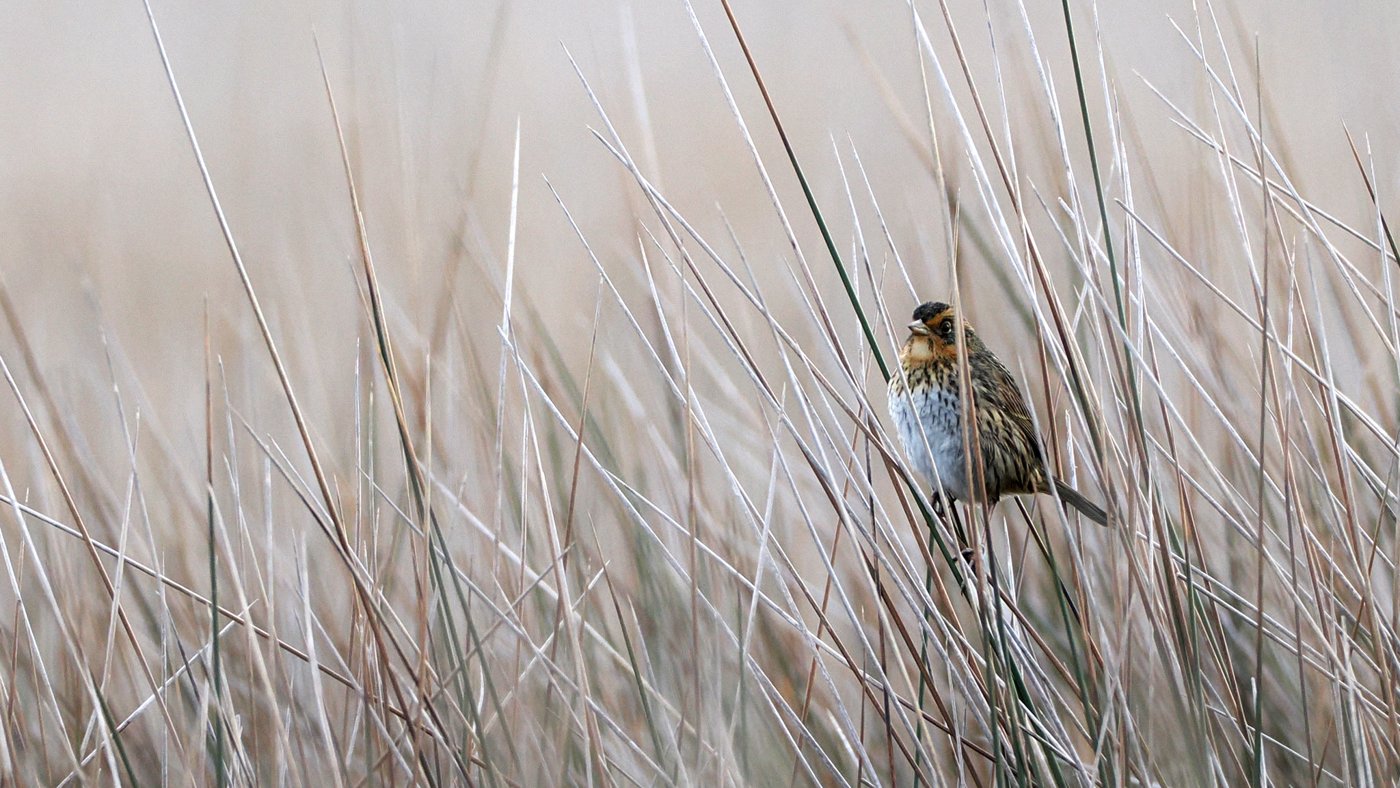
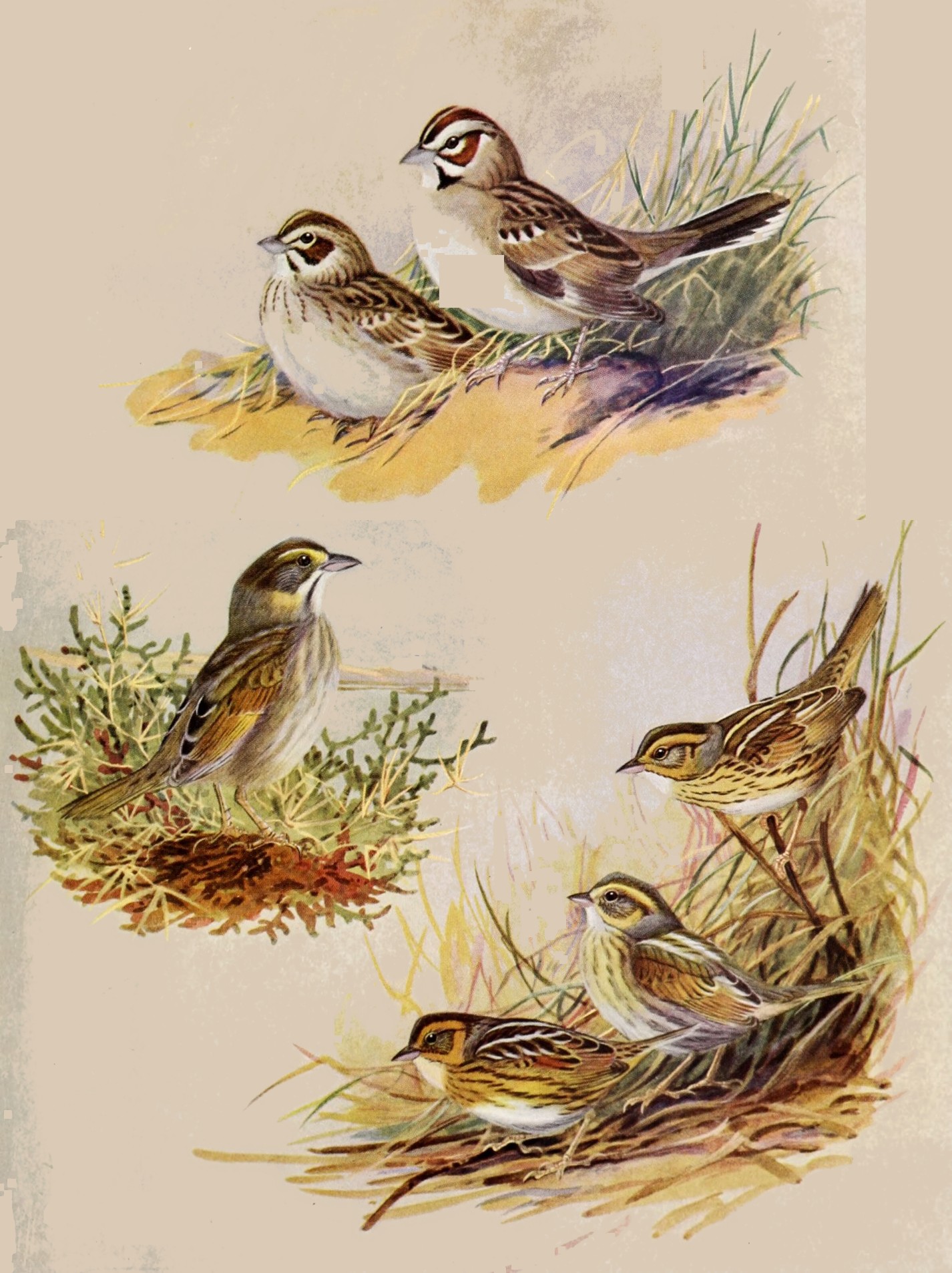
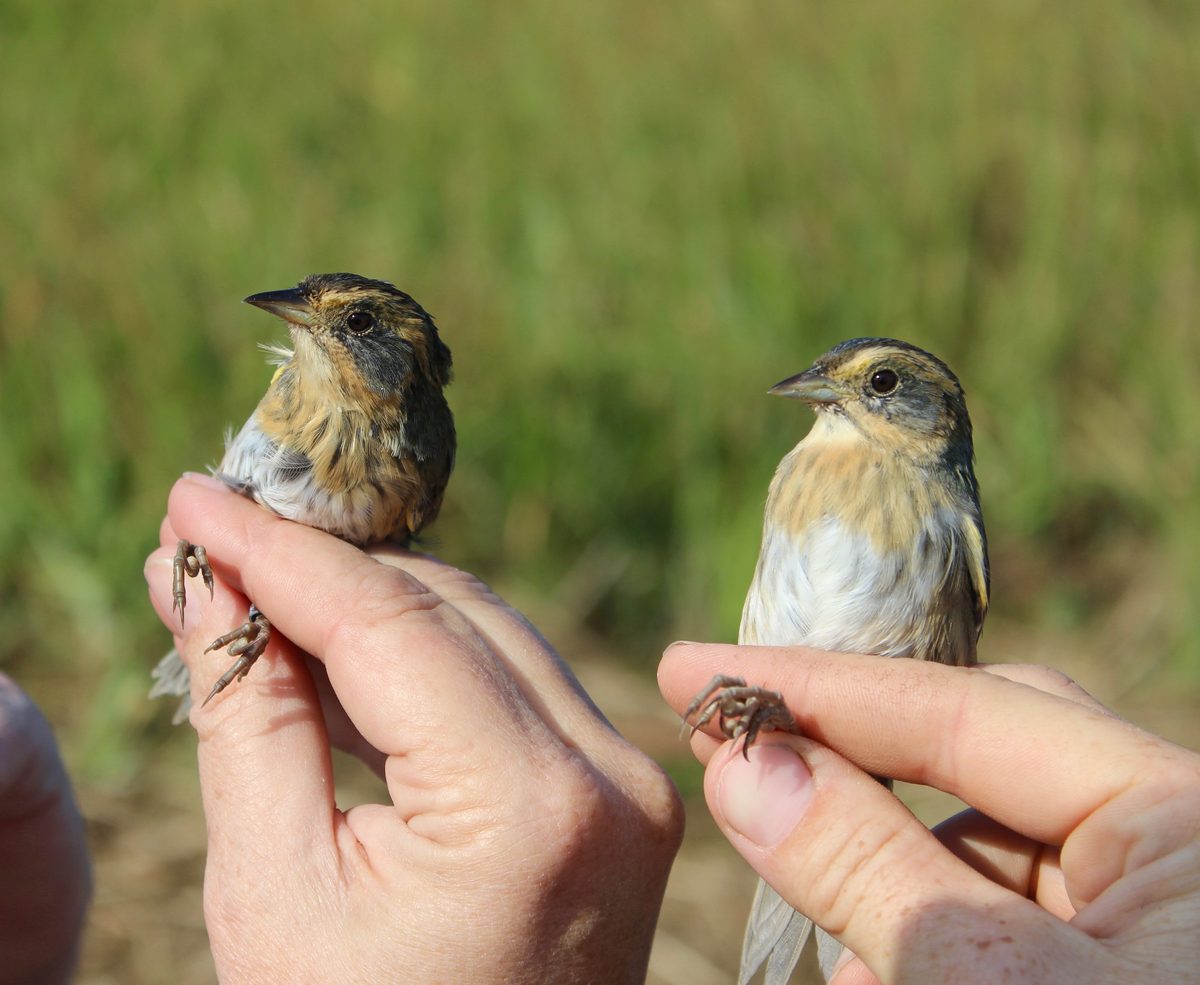
The saltmarsh sparrow (Ammospiza caudacuta) is a small New World sparrow found in salt marshes along the Atlantic coast of the United States. At one time, this bird and the Nelson's sparrow (Ammospiza nelsoni) were thought to be a single species, the sharp-tailed sparrow. Because of this, the species was briefly known as the "saltmarsh sharp-tailed sparrow." Saltmarsh sparrow numbers are declining due to habitat loss largely attributed to human activity.
Description: Wikipedia (CC BY-SA 4.0).
Where NHESP has recorded it
last recorded since 2001 last recorded earlier
- Barnstable 2025eBird: Barnstable County, 5 Nov 2026
- Eastham 2025eBird: Barnstable County, 5 Nov 2026
- Wellfleet 2025eBird: Barnstable County, 5 Nov 2026
- Dartmouth 2024eBird: Bristol County, 13 Oct 2026
- Quincy 2024eBird: Norfolk County, 10 Oct 2026
- Revere 2024
- Newbury 2023eBird: Essex County, 25 Oct 2026
- Essex 2021eBird: Essex County, 25 Oct 2026
- Ipswich 2021eBird: Essex County, 25 Oct 2026
- Mattapoisett 2020
- Boston 2019
- Saugus 2019eBird: Essex County, 25 Oct 2026
- Rowley 2004eBird: Essex County, 25 Oct 2026
Town-level documented observations from NHESP’s Rare Species Viewer, read 4 November 2026; the year is the last documented record, as NHESP prints it, not evidence of absence. NHESP does not publish locations. The list shows NHESP’s documented record (year) and, for birds, birders’ reports to eBird in the last 30 days by county.
Reported to eBird in the last 30 days: Barnstable, Bristol, Essex, Norfolk
eBird reports are birders’ sightings, not the state’s record. eBird hides the locations of sensitive species, so a county is the finest level shown here and a species can be missing for that reason. Source: eBird, Cornell Lab of Ornithology, reports of the last 30 days as of 6 November 2026.
More about this species
Population
Global numbers have dropped roughly 9% per year since the early 1990s, a rate that puts the species at risk of collapse within half a century. The decline within Massachusetts has been less severe than the continental trend.
Since the 1990s. Source: Massachusetts state rare-species fact sheet, Saltmarsh Sparrow (published April 2025).
In Massachusetts
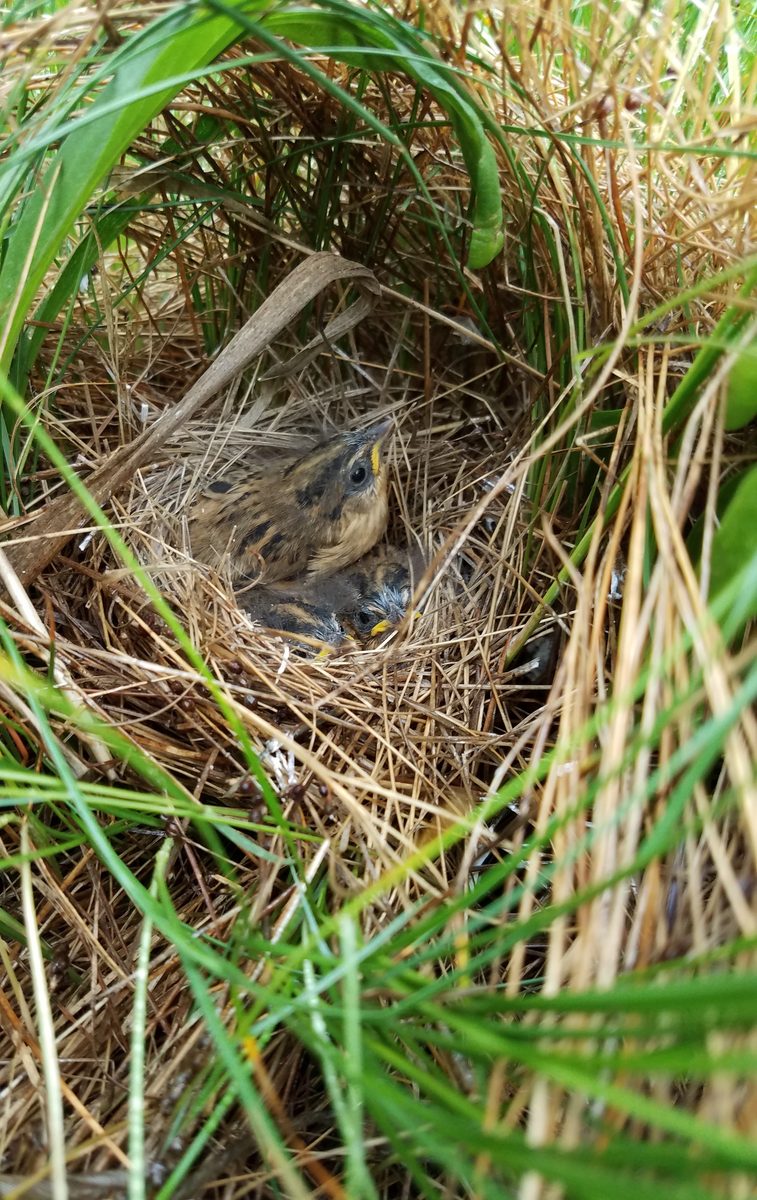
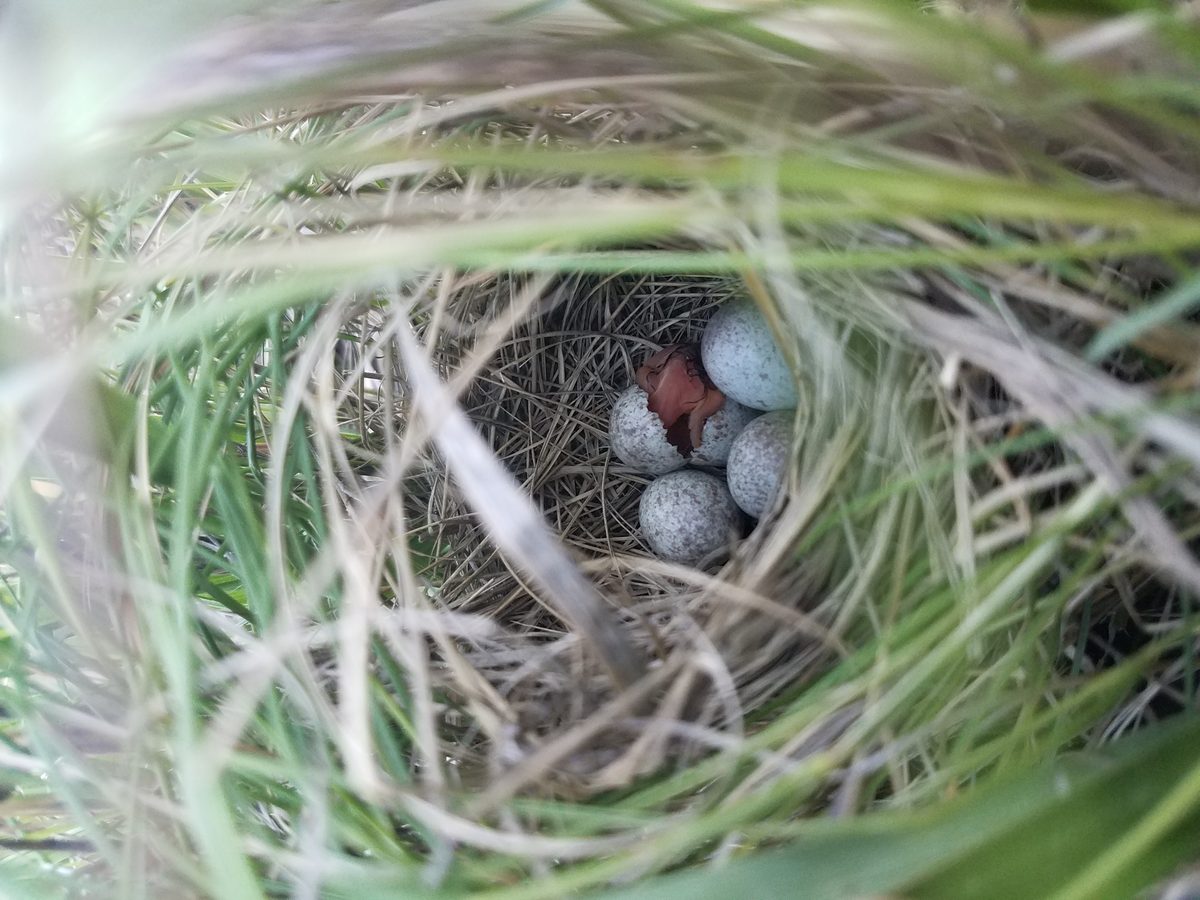
Nesting occurs in tidal marshes along Cape Cod, the Boston area, the North Shore, and Buzzards Bay. The second Breeding Bird Atlas (2007–2011) logged breeding in 41 survey blocks out of 1,037, a statewide share of 4.0%.
Source: Massachusetts state rare-species fact sheet, Saltmarsh Sparrow (published April 2025).
Threats
Tidal flooding driven by rising sea levels is the primary cause of nest failure. Historical marsh loss from excavation, drainage, fill operations, and impoundment has also shrunk habitat. Collisions with lit structures and predation that may intensify over time pose further risk.
Source: Massachusetts state rare-species fact sheet, Saltmarsh Sparrow (published April 2025).
Protections
The species holds Special Concern status in Massachusetts and an Endangered designation from the IUCN. No federal listing is currently in effect; a USFWS review of possible federal listing is under way.
Source: Massachusetts state rare-species fact sheet, Saltmarsh Sparrow (published April 2025).
One fact
No other breeding bird is entirely restricted to the coastal salt marshes running along the northeastern shoreline.
Source: Massachusetts state rare-species fact sheet, Saltmarsh Sparrow (published April 2025).
State list: 321 CMR 10.90, as of 16 August 2024. Rare species of Massachusetts · Trees of Massachusetts