Rare species of Massachusetts · Birds
Red Knot
Status Threatened · Federal status Federally Threatened · Group Birds · Recorded in 8 towns, 2 since 2001 · State sightings records: most recent 2010 · eBird reported in 4 of 14 counties in the last 30 days, latest 4 November 2026 (birders’ reports, eBird, Cornell Lab of Ornithology; as of 6 November 2026)
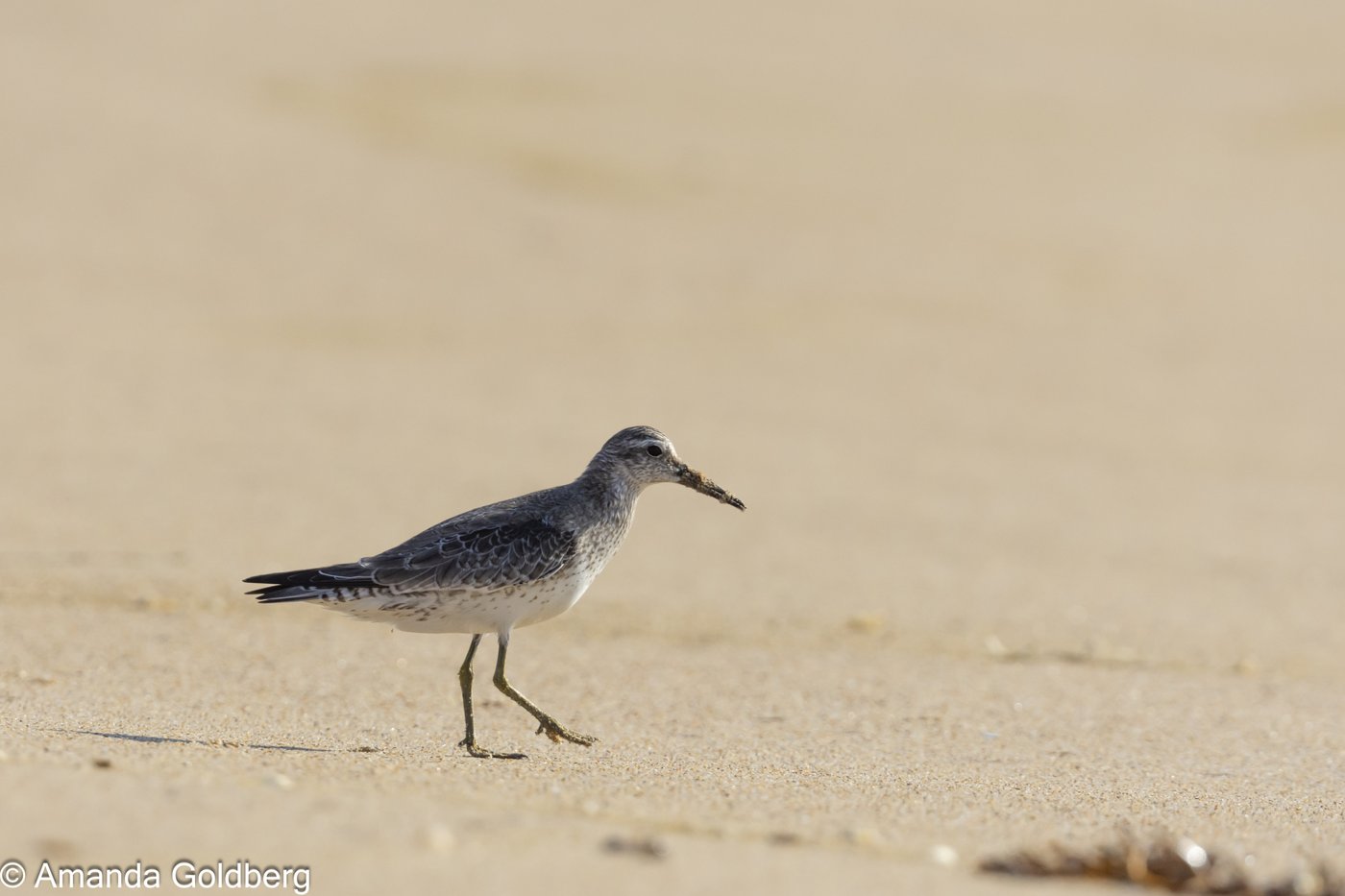
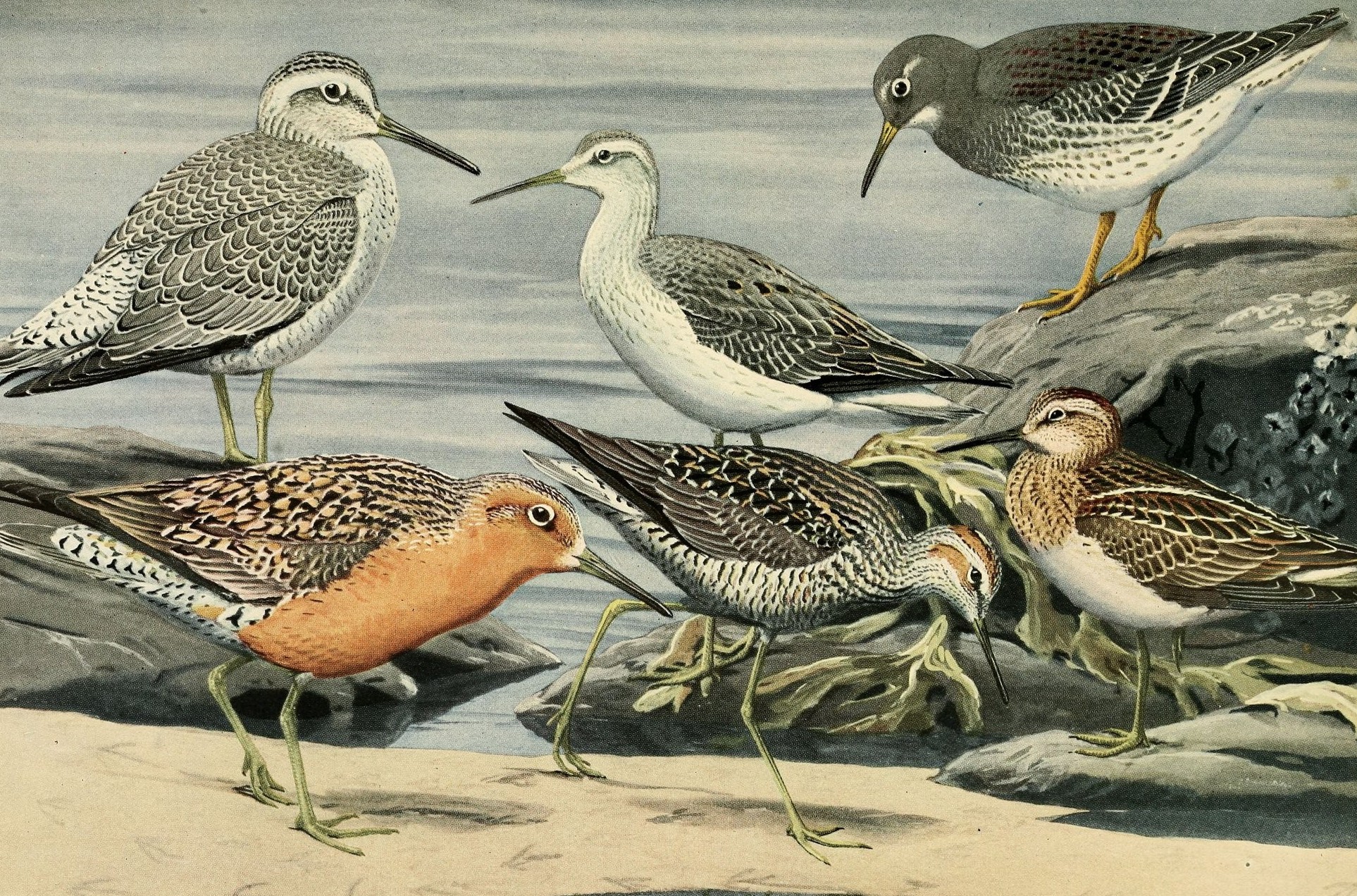
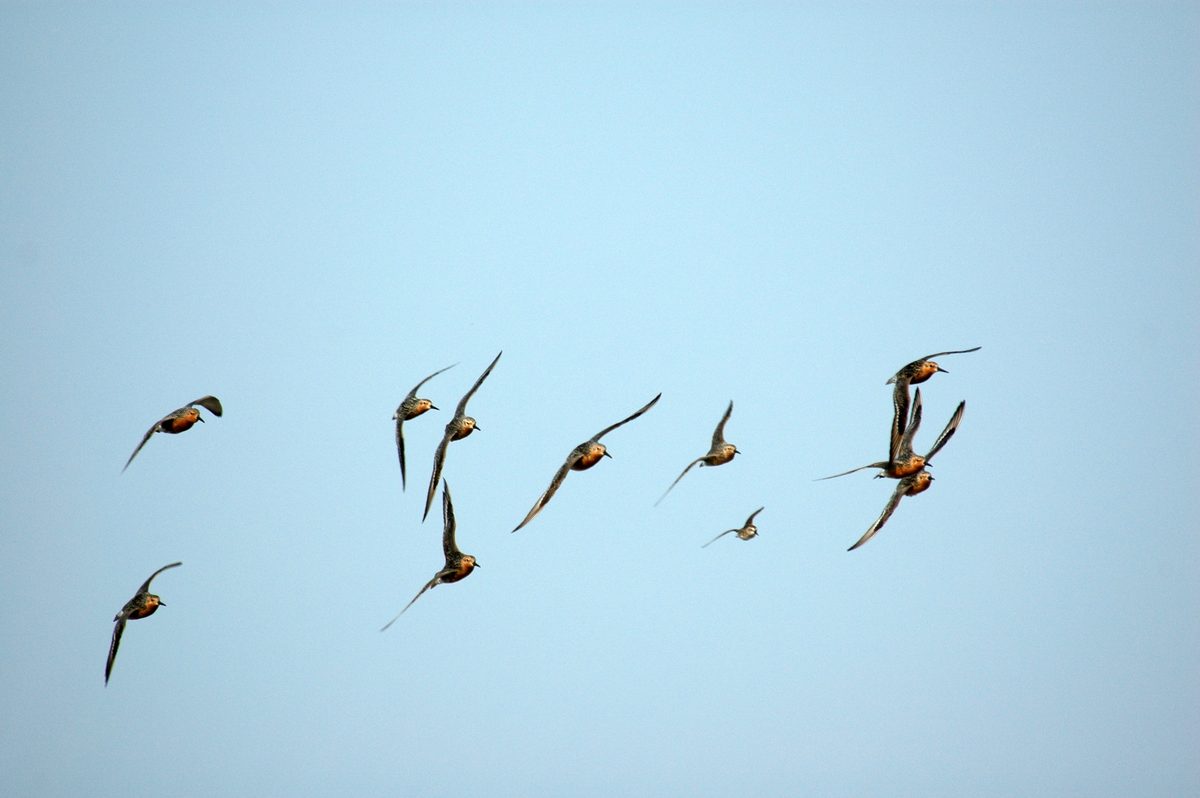
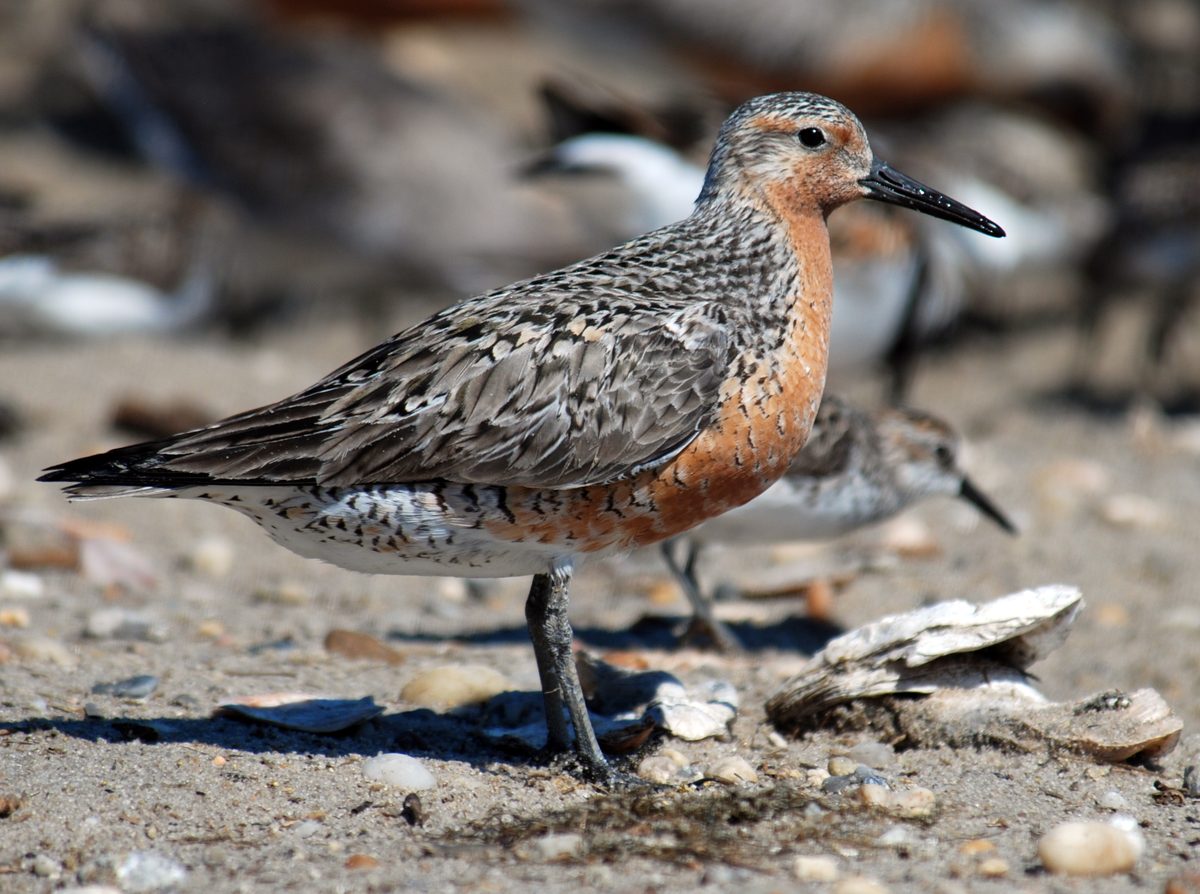
The red knot or just knot (Calidris canutus) is a medium-sized shorebird which breeds in tundra and the Arctic Cordillera in the far north of Canada, Europe, and Russia. It is the type species of the genus Calidris. Six subspecies are recognised.
Description: Wikipedia (CC BY-SA 4.0).
Where NHESP has recorded it
last recorded since 2001 last recorded earlier
- Chatham 2010eBird: Barnstable County, 31 Oct 2026
- Orleans 2010eBird: Barnstable County, 31 Oct 2026
- Duxbury 1980eBird: Plymouth County, 15 Oct 2026
- Marshfield 1980eBird: Plymouth County, 15 Oct 2026
- Plymouth 1980eBird: Plymouth County, 15 Oct 2026
- Scituate 1980eBird: Plymouth County, 15 Oct 2026
- Eastham 1978eBird: Barnstable County, 31 Oct 2026
- Newburyport 1978eBird: Essex County, 4 Nov 2026
Town-level documented observations from NHESP’s Rare Species Viewer, read 4 November 2026; the year is the last documented record, as NHESP prints it, not evidence of absence. NHESP does not publish locations. The list shows NHESP’s documented record (year) and, for birds, birders’ reports to eBird in the last 30 days by county.
Reported to eBird in the last 30 days: Barnstable, Essex, Plymouth, Suffolk
eBird reports are birders’ sightings, not the state’s record. eBird hides the locations of sensitive species, so a county is the finest level shown here and a species can be missing for that reason. Source: eBird, Cornell Lab of Ornithology, reports of the last 30 days as of 6 November 2026.
More about this species
Population
The rufa subspecies — the form that uses the Atlantic flyway — has contracted by three-quarters since the 1980s. Across all subspecies combined, global numbers are estimated at roughly 2 to 3 million mature birds, with the trend running downward.
Since the 1980s. Source: Massachusetts state rare-species fact sheet, Red Knot (published April 2025).
In Massachusetts
Red knots visit Massachusetts as migratory stopover birds and have no nesting records here. Spring movement from May through June involves relatively few individuals, while fall concentrations are larger. Autumn numbers at the Outer Cape have remained fairly stable over roughly five decades, while counts at other mainland sites have dropped sharply.
Source: Massachusetts state rare-species fact sheet, Red Knot (published April 2025).
Threats
Overharvest of horseshoe crabs in Delaware Bay reduced the food supply that fuels spring migration. Land reclamation and coastal development remove stopover beaches. Rising seas erode remaining habitat. Unregulated hunting in parts of the Caribbean and in South America, along with oil spills and plastic ingestion, raise mortality further.
Source: Massachusetts state rare-species fact sheet, Red Knot (published April 2025).
Protections
The species is Threatened in Massachusetts and is a wildlife conservation priority. The rufa subspecies received a federal Threatened listing in December 2014 (79 FR 73706), which took effect the following January.
Source: Federal Register, Threatened Species Status for the Rufa Red Knot, 79 FR 73706 (Dec. 11, 2014); Massachusetts state rare-species fact sheet, Red Knot (published April 2025).
One fact
The longest-lived rufa red knot on record — an individual banded as B95 — survived a minimum of 21 years.
State list: 321 CMR 10.90, as of 16 August 2024. Rare species of Massachusetts · Trees of Massachusetts