Rare species of Massachusetts · Butterflies and moths
Pink Sallow Moth
Status Special Concern · Group Butterflies and moths · Recorded in 30 towns, 25 since 2001 · State sightings records: most recent 2024
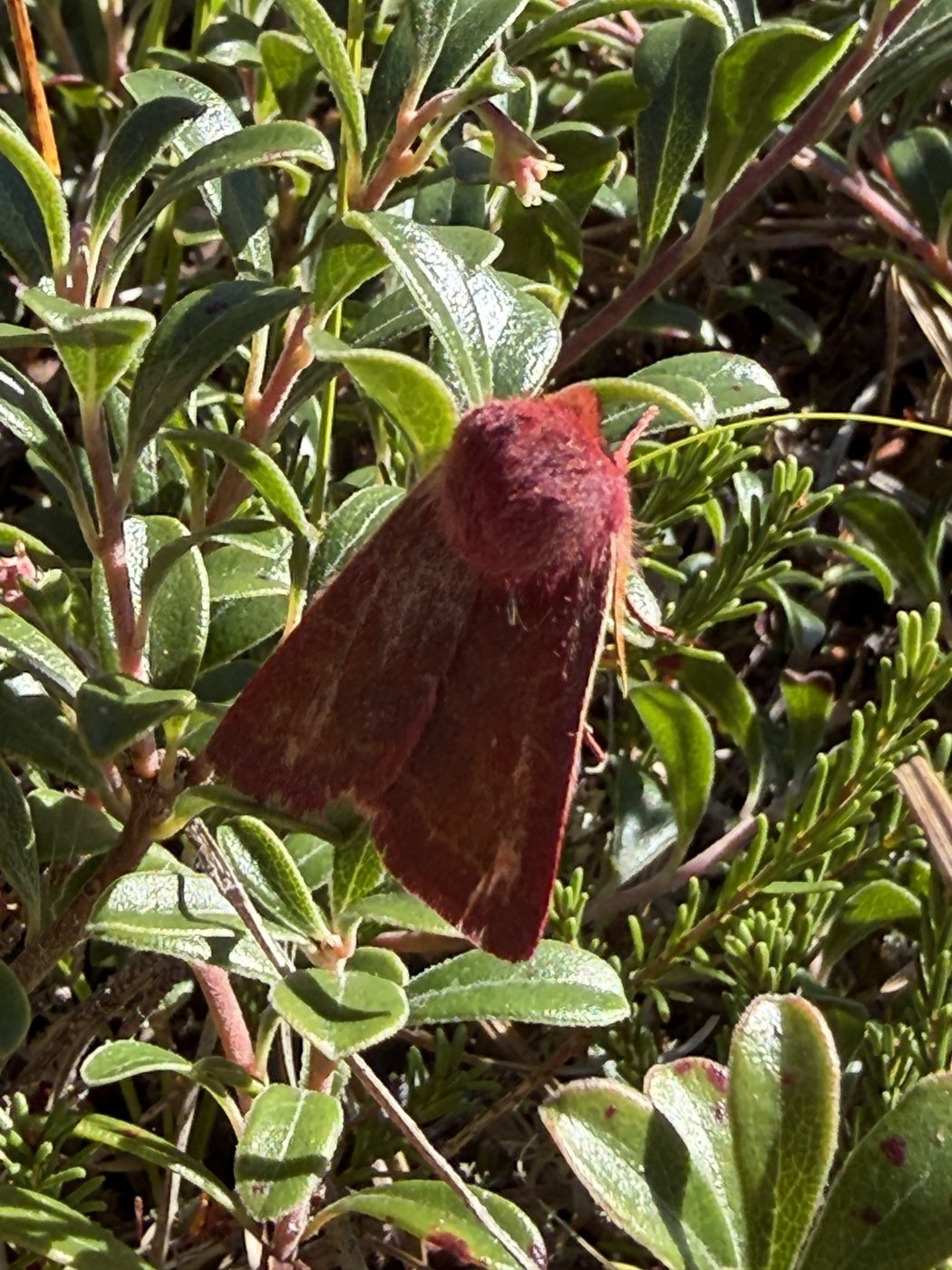
The pink sallow is an owlet moth with bright pink forewings and nearly white hindwings, wingspan 38–45 mm — coloring distinctive enough to make identification straightforward. Adults fly in October and are drawn to light rather than bait. The species is tied to large pine-oak barrens and heathlands on sandy or acidic substrates, where low-growing blueberries and scrub oak serve as larval food. Massachusetts records span 30 locations across the southeastern coastal plain and in Worcester and Franklin counties. Fire suppression, habitat fragmentation, and aerial insecticide application are the leading threats.
Where NHESP has recorded it
last recorded since 2001 last recorded earlier
- Hardwick 2024
- Bourne 2023
- Plymouth 2023
- Sandwich 2023
- Lancaster 2022
- Nantucket 2022
- New Salem 2022
- Wendell 2022
- Erving 2020
- Petersham 2020
- Royalston 2020
- Warwick 2020
- Winchendon 2020
- Falmouth 2019
- Wareham 2019
- Barre 2016
- Aquinnah 2015
- Edgartown 2014
- Ware 2014
- Montague 2013
- West Tisbury 2013
- Eastham 2011
- Fall River 2010
- Douglas 2009
- Oxford 2009
- Wellfleet 2000
- Dartmouth 1992
- Truro 1989
- Carver 1986
- Provincetown 1983
Town-level documented observations from NHESP’s Rare Species Viewer, read 4 November 2026; the year is the last documented record, as NHESP prints it, not evidence of absence. NHESP does not publish locations.
More about this species
In Massachusetts
Known populations span the coastal plain of the southeast and Worcester and Franklin Counties. Across its broader range, the species is described as rare and patchily distributed.
Source: Massachusetts state rare-species fact sheet, Pink Sallow Moth (published March 2025).
Threats
Barrens and heathland sites are threatened by habitat loss, elimination of periodic disturbance, introduced generalist parasitoids, aerial pesticide use, unintended herbicide drift, and motorized vehicle damage. Wetland sites face hydrologic alteration, invasive vegetation, and water degradation. The species' limited latitudinal distribution makes rising temperatures an additional concern.
Source: Massachusetts state rare-species fact sheet, Pink Sallow Moth (published March 2025).
Protections
Classified as Special Concern under state law and placed on the Greatest Conservation Need priority list. Securing land tenure and stewarding heathland and open barrens habitats are the primary goals.
Source: Massachusetts state rare-species fact sheet, Pink Sallow Moth (published March 2025).
One fact
The species is native only to northeastern North America and found nowhere else on earth.
Source: Massachusetts state rare-species fact sheet, Pink Sallow Moth (published March 2025).
Related species
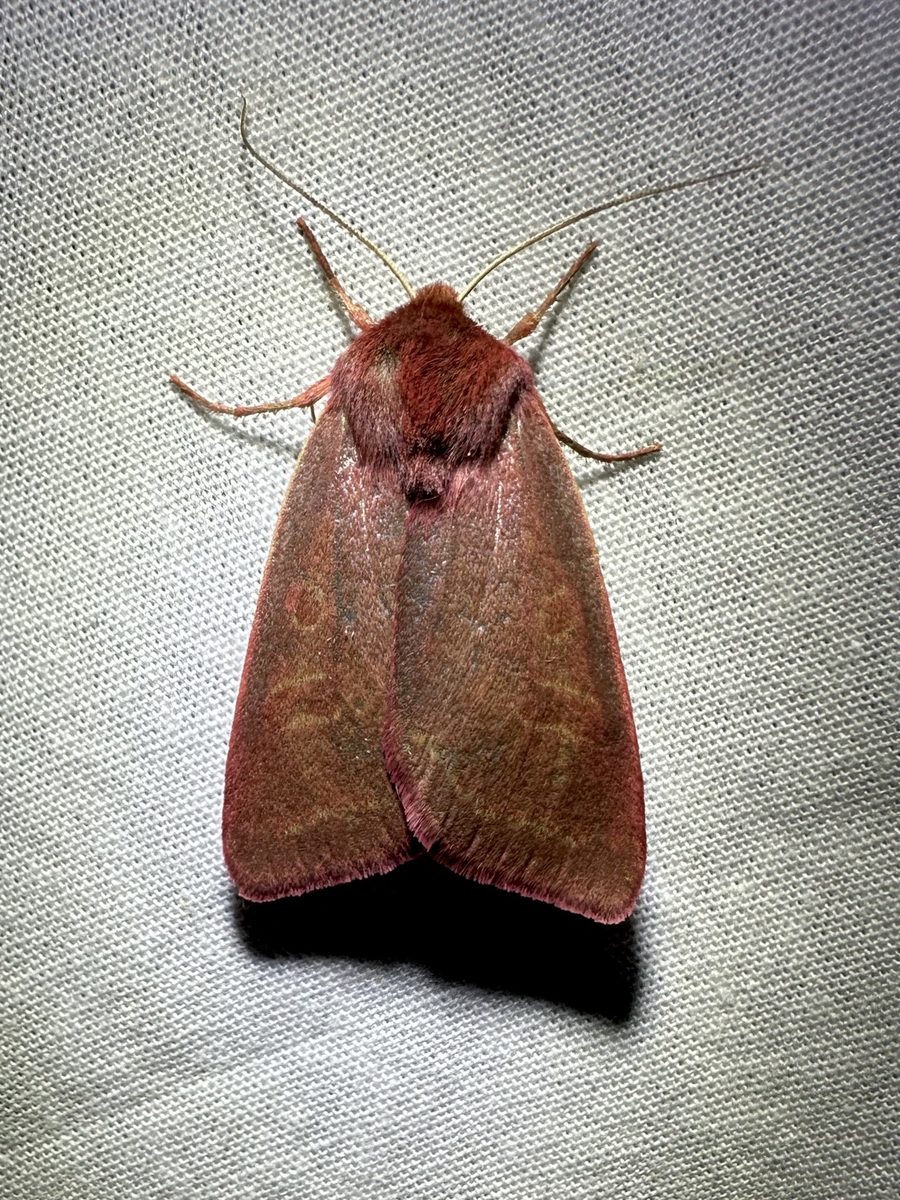
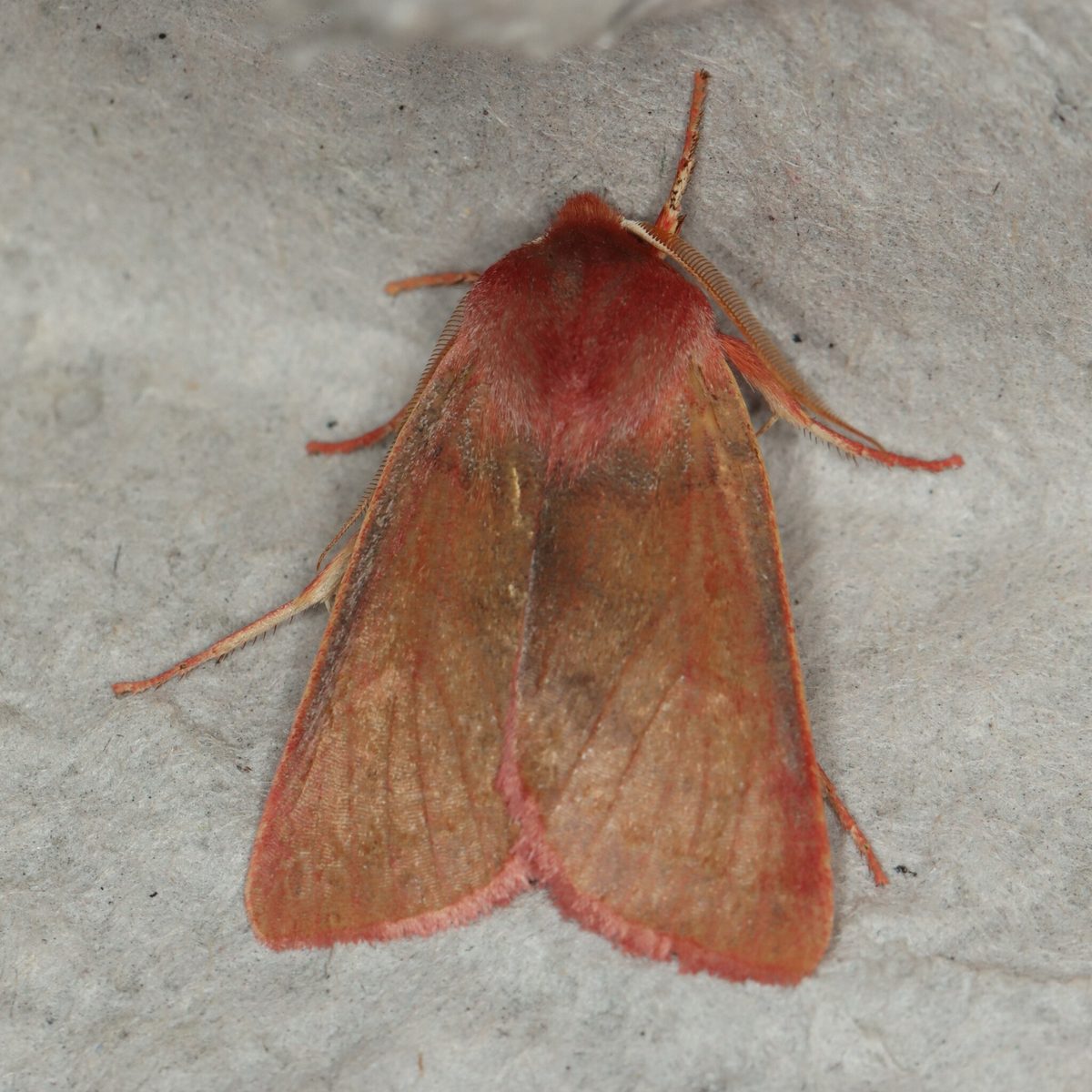
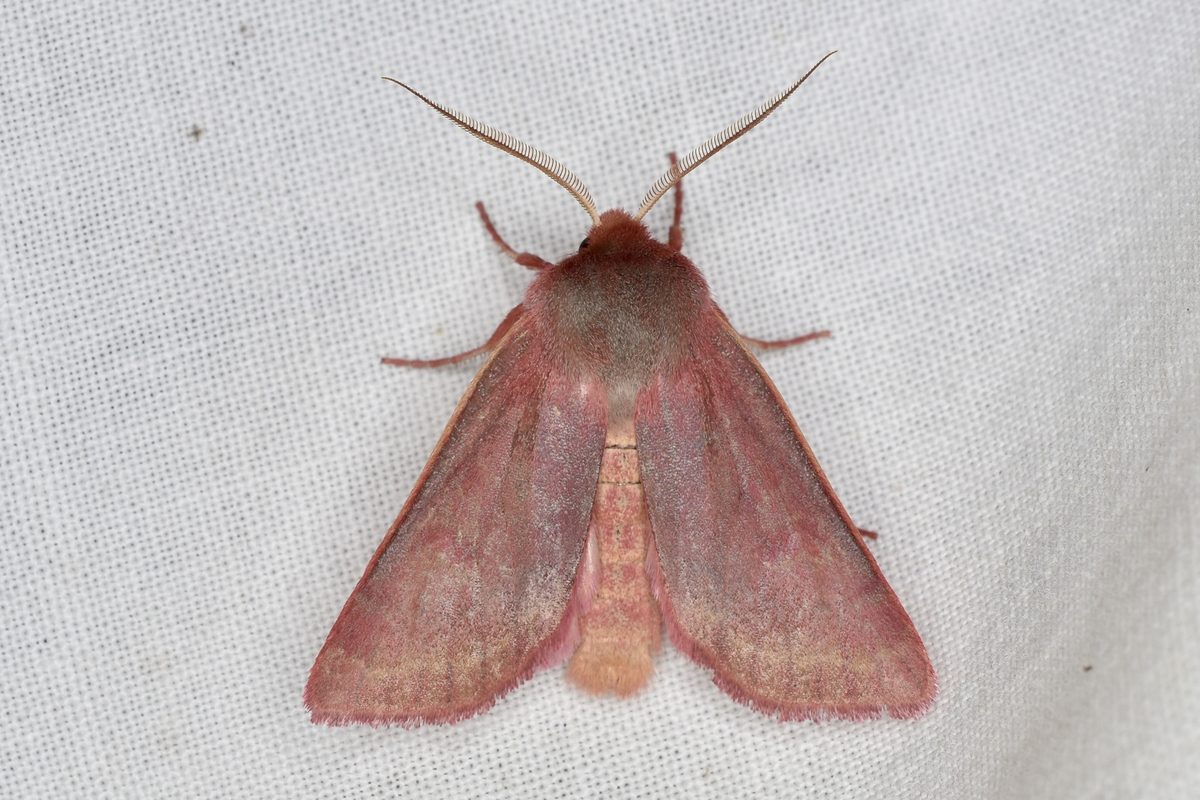
Owlet moths on the state list:
State list: 321 CMR 10.90, as of 16 August 2024. Rare species of Massachusetts · Trees of Massachusetts