Rare species of Massachusetts · Butterflies and moths
Pitcher-plant Borer
Status Threatened · Group Butterflies and moths · Recorded in 19 towns, 16 since 2001 · State sightings records: most recent 2025
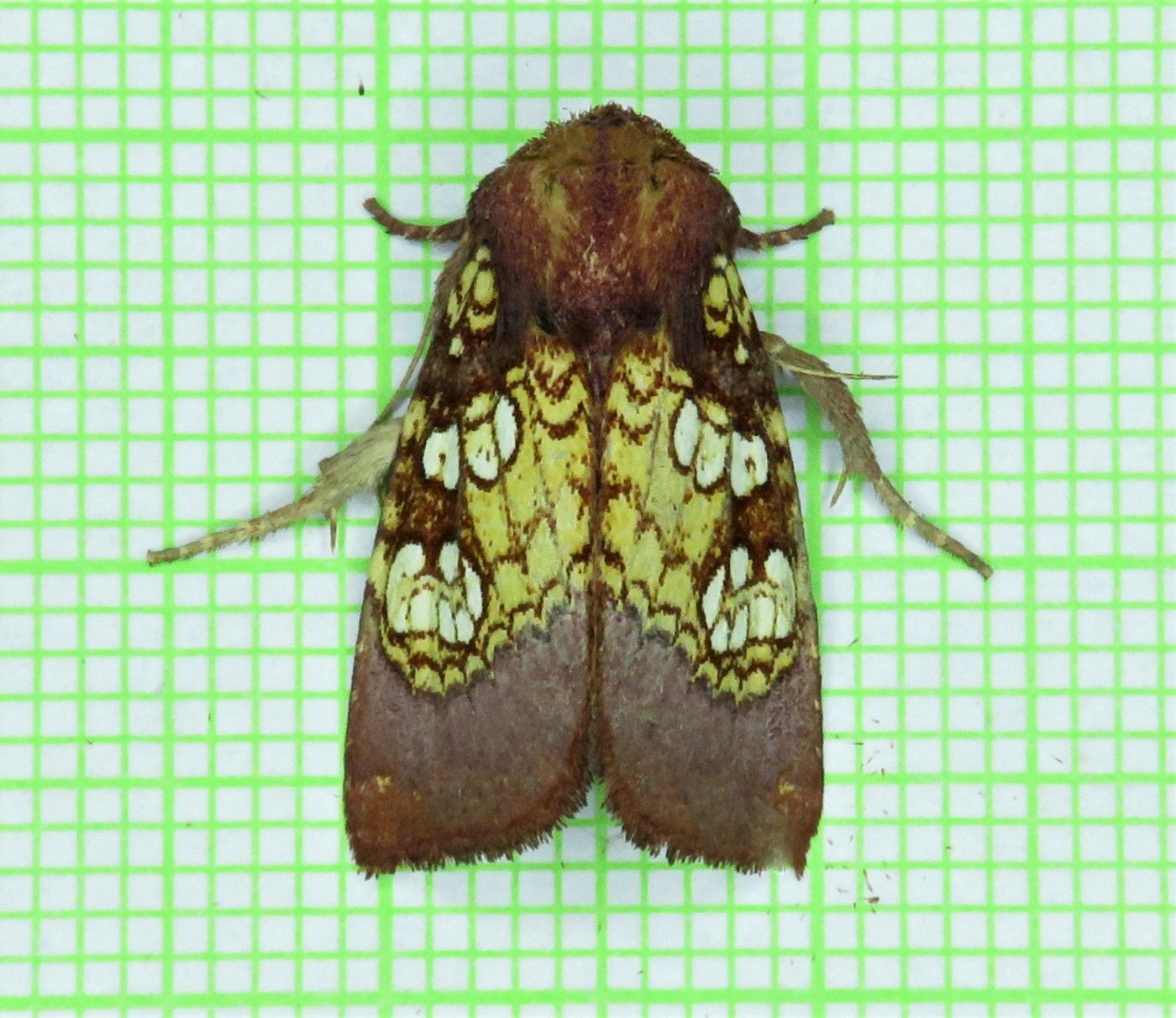
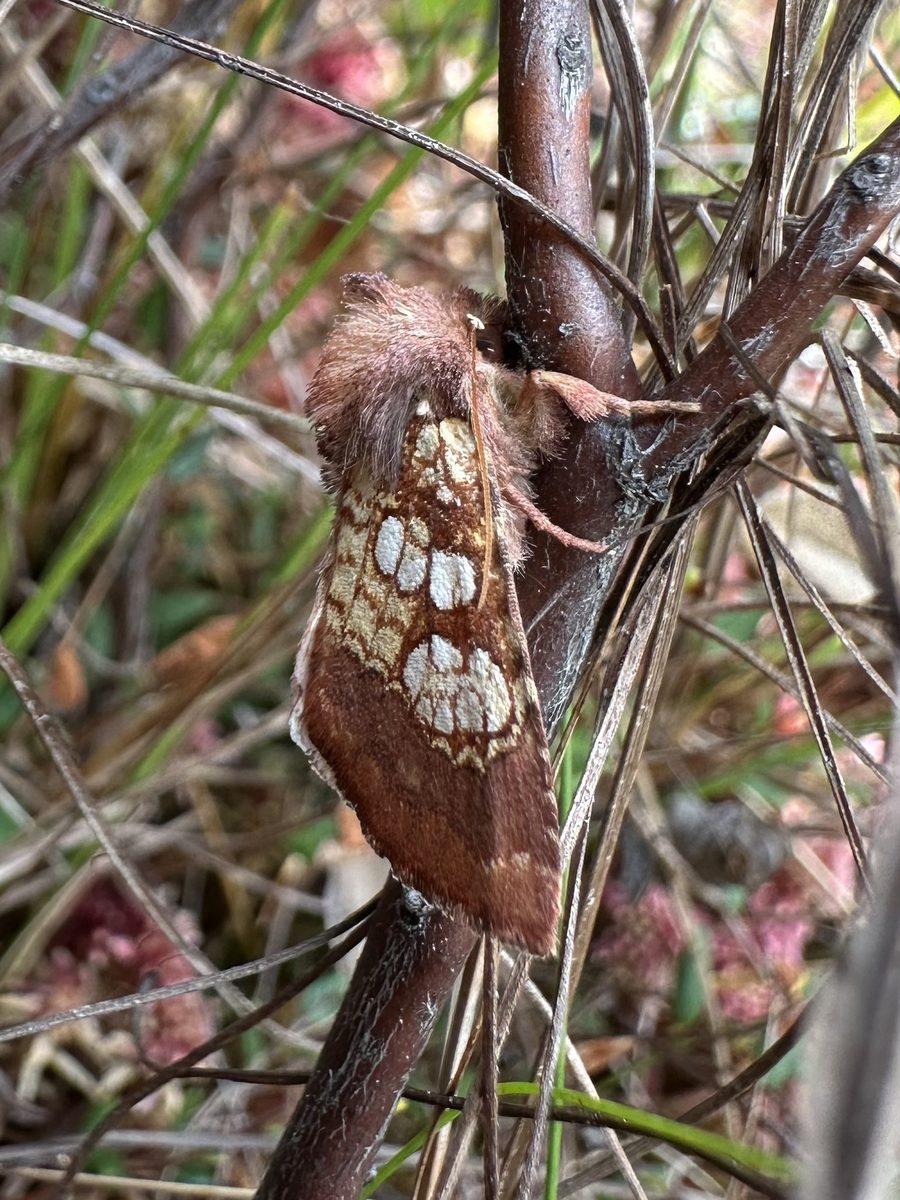
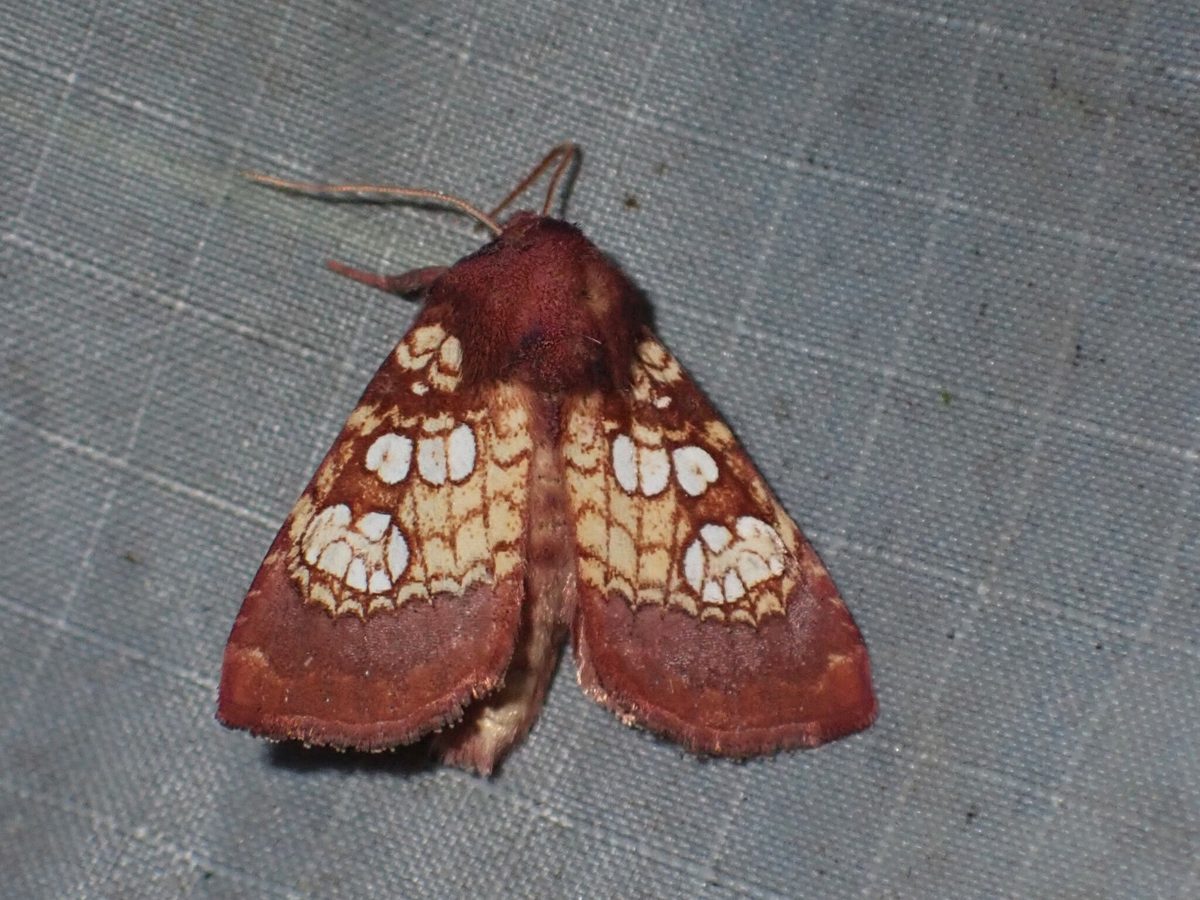
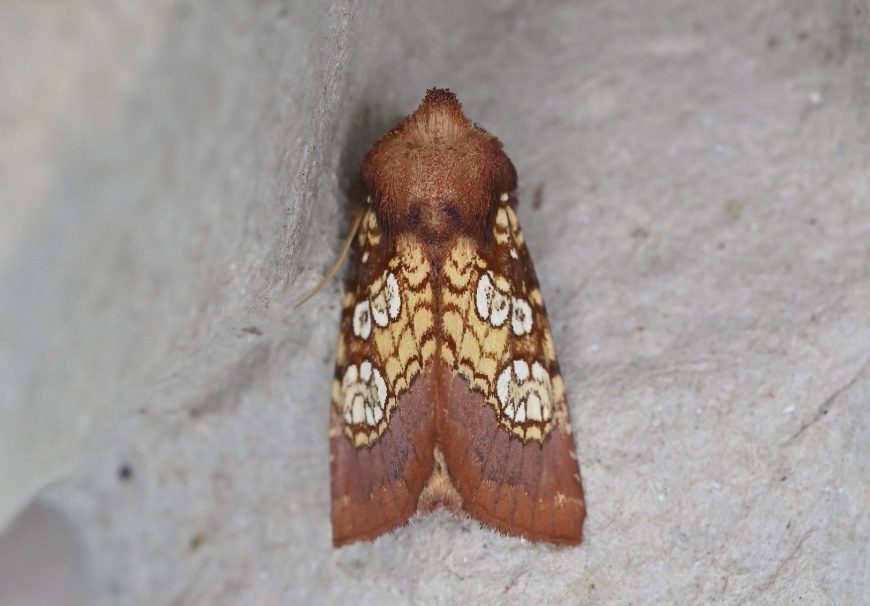
Papaipema appassionata, the pitcher plant borer, is a species of moth described by Leon F. Harvey in 1876. It is listed as threatened in the US state of Connecticut.
Description: Wikipedia (CC BY-SA 4.0).
Where NHESP has recorded it
last recorded since 2001 last recorded earlier
- Royalston 2025
- Wales 2025
- Hawley 2024
- New Salem 2023
- Ware 2023
- Belchertown 2022
- Shutesbury 2022
- Wendell 2022
- Rutland 2020
- Stockbridge 2020
- Warwick 2020
- Hardwick 2019
- Petersham 2019
- Ashburnham 2009
- Gardner 2004
- Canton 2002
- Wareham 1971
- Nantucket 1941
- Lenox Historic
Town-level documented observations from NHESP’s Rare Species Viewer, read 4 November 2026; the year is the last documented record, as NHESP prints it, not evidence of absence. NHESP does not publish locations.
More about this species
In Massachusetts
Occurrences cluster in the northern tier of Worcester County and the eastern portions of Franklin and Hampshire Counties; additional, more isolated groups have been documented in Berkshire County and in the southeastern and eastern parts of the state. The overall distribution is considered reasonably well mapped.
Source: Massachusetts state rare-species fact sheet, Pitcher-plant Borer (published March 2025).
Threats
Drainage and hydrologic disruption of wetland habitats are the foremost threats. Additional pressures are invasive vegetation, water quality degradation, aerial pesticide spray programs, chemical weed control, motorized vehicles, and rising temperatures — particularly concerning given the narrow latitudinal range of this northern species.
Source: Massachusetts state rare-species fact sheet, Pitcher-plant Borer (published March 2025).
Protections
Classified as Threatened under state law and designated among the Greatest Conservation Need species. Conserving, restoring, and maintaining Sphagnum bog wetlands that support pitcher plant populations are the central priorities.
Source: Massachusetts state rare-species fact sheet, Pitcher-plant Borer (published March 2025).
One fact
Young larvae burrow into and feed within pitcher plant root tissue; older larvae shift to consuming the plant's leaves.
Source: Massachusetts state rare-species fact sheet, Pitcher-plant Borer (published March 2025).
State list: 321 CMR 10.90, as of 16 August 2024. Rare species of Massachusetts · Trees of Massachusetts