Rare species of Massachusetts · Butterflies and moths
Pine Barrens Zale
Status Special Concern · Group Butterflies and moths · Recorded in 13 towns, 9 since 2001 · State sightings records: most recent 2024
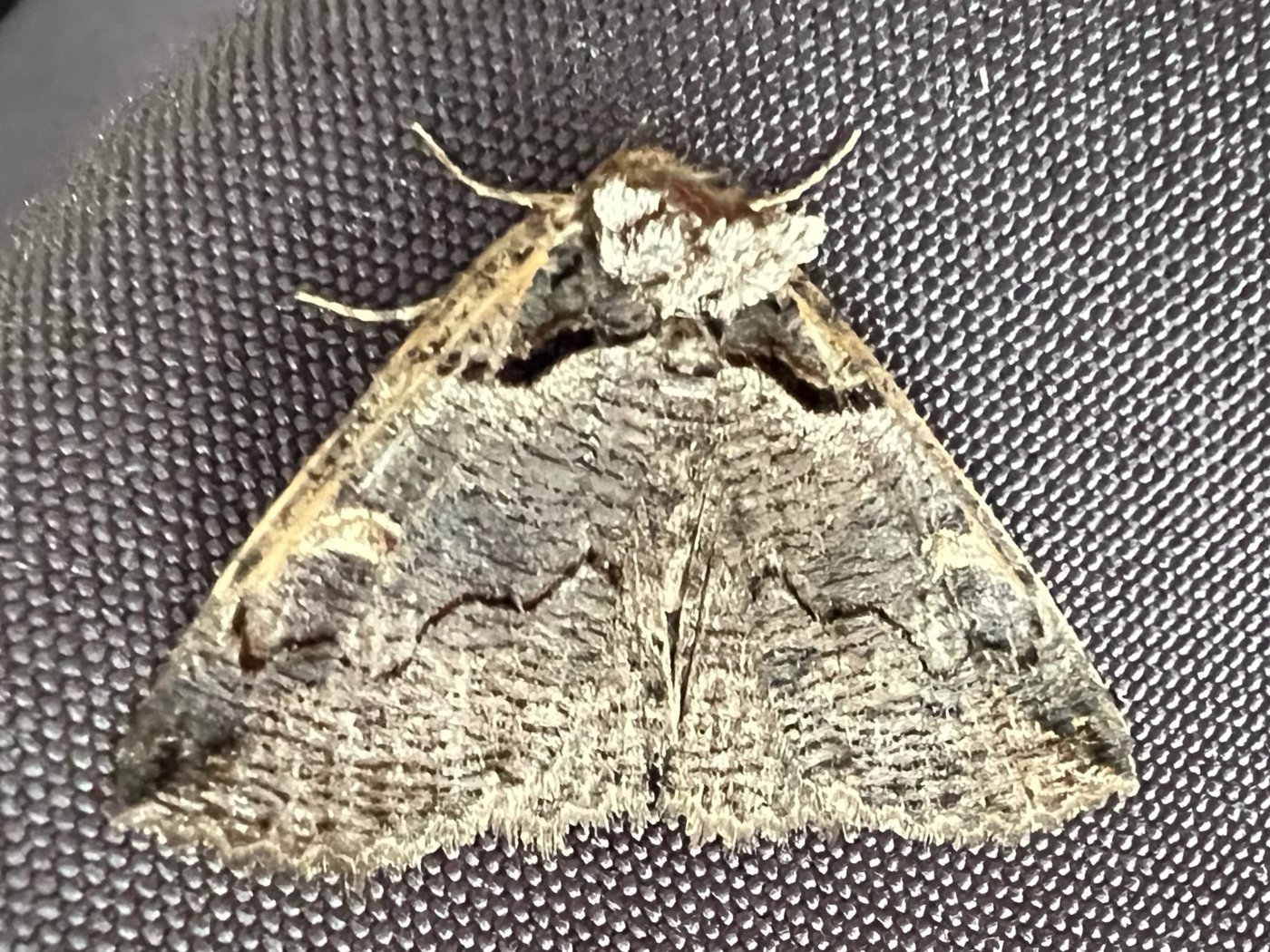
Zale lunifera, the bold-based zale or pine barrens zale, is a moth of the family Noctuidae. The species was first described by Jacob Hübner in 1818. It occurs primarily east and south of the Appalachian Mountains, from southern Maine south to Lee County, Mississippi, Mississippi and Florida.
Description: Wikipedia (CC BY-SA 4.0).
True Z. lunifera, sensu Schmidt, B.C. 2010. Taxonomic reassessment of Zale lunifera (Hübner) (Erebidae, Erebinae). Zookeys 39: 99-106.
Where NHESP has recorded it
last recorded since 2001 last recorded earlier
- Bourne 2024
- Sandwich 2024
- Plymouth 2020
- Chilmark 2016
- West Tisbury 2014
- Montague 2013
- Edgartown 2012
- Tisbury 2011
- Nantucket 2003
- Oak Bluffs 1999
- Falmouth 1998
- Provincetown 1983
- Barnstable 1951
Town-level documented observations from NHESP’s Rare Species Viewer, read 4 November 2026; the year is the last documented record, as NHESP prints it, not evidence of absence. NHESP does not publish locations.
More about this species
In Massachusetts
Occurrences are documented in the Connecticut River corridor and the southeastern corner of the state, primarily in disturbance-dependent scrub oak and pitch pine barrens and within dense thickets of oak.
Source: Massachusetts state rare-species fact sheet, Pine Barrens Zale (published March 2025).
Threats
Loss of disturbance-dependent barrens habitat, introduced generalist parasitoids, aerial pesticide use, unintended herbicide contact, and off-road vehicle damage are the chief pressures. The southward range extension to Florida suggests that temperature increases may not prove damaging.
Source: Massachusetts state rare-species fact sheet, Pine Barrens Zale (published March 2025).
Protections
Designated Special Concern under state law and placed on the Greatest Conservation Need priority list. Preserving and actively stewarding scrub oak and pitch pine barrens are the primary goals.
Source: Massachusetts state rare-species fact sheet, Pine Barrens Zale (published March 2025).
One fact
This moth so closely resembles the intent zale that genitalic dissection is typically necessary to reach a definitive identification.
Source: Massachusetts state rare-species fact sheet, Pine Barrens Zale (published March 2025).
Related species
Owlet moths on the state list:
State list: 321 CMR 10.90, as of 16 August 2024. Rare species of Massachusetts · Trees of Massachusetts