Rare species of Massachusetts · Butterflies and moths
Pine Barrens Zanclognatha
Status Special Concern · Group Butterflies and moths · Recorded in 15 towns, 13 since 2001 · State sightings records: most recent 2024
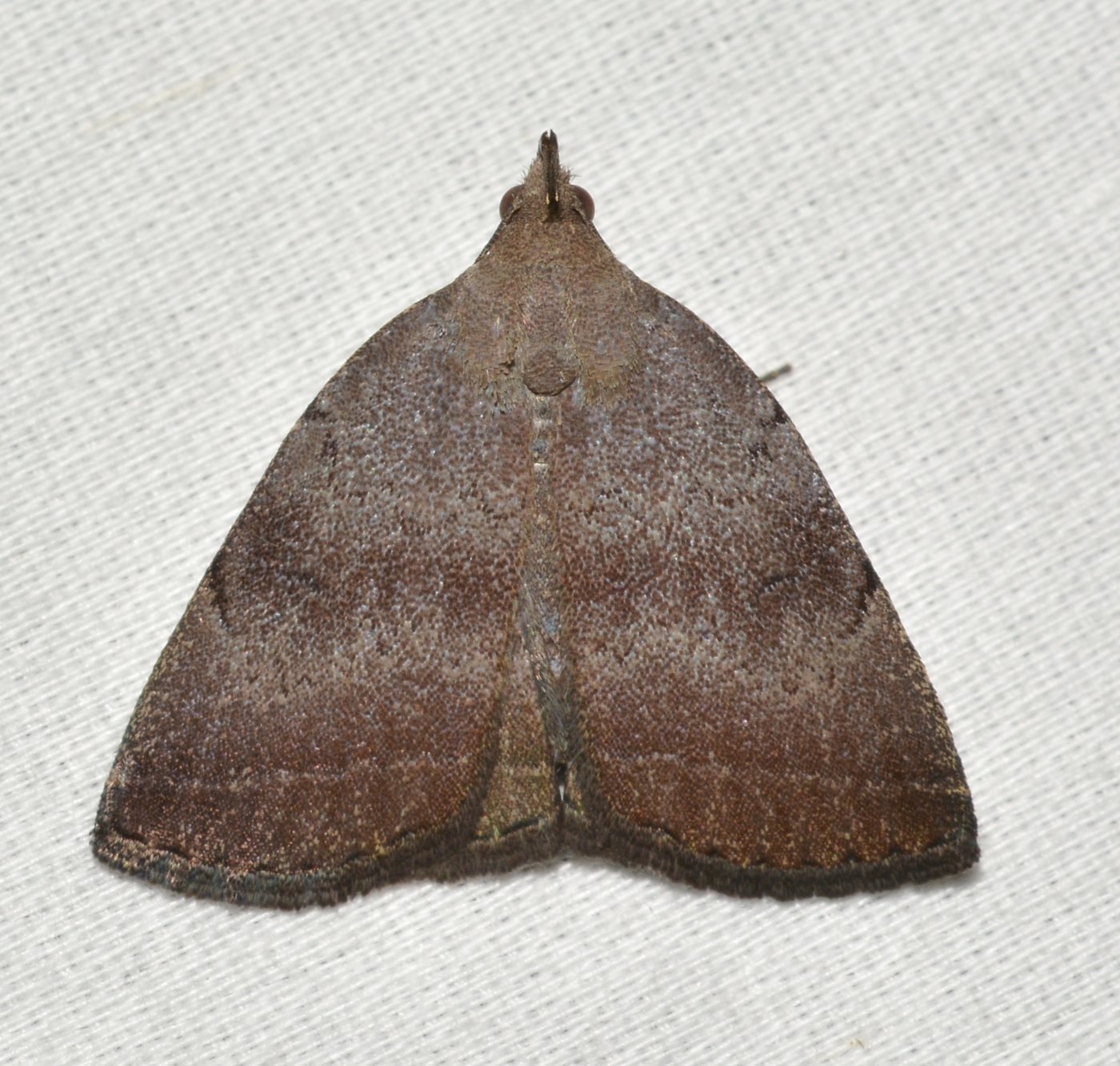
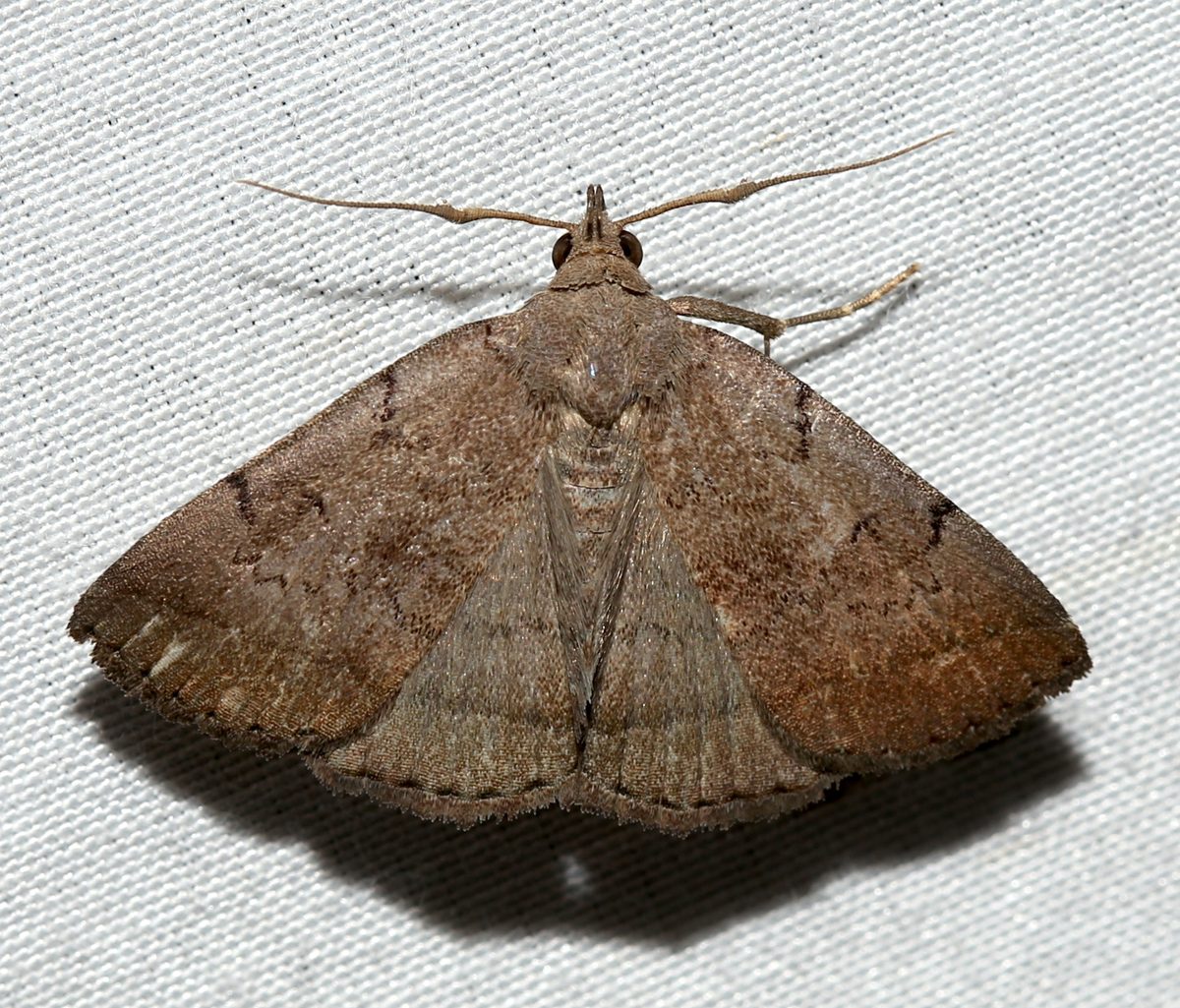
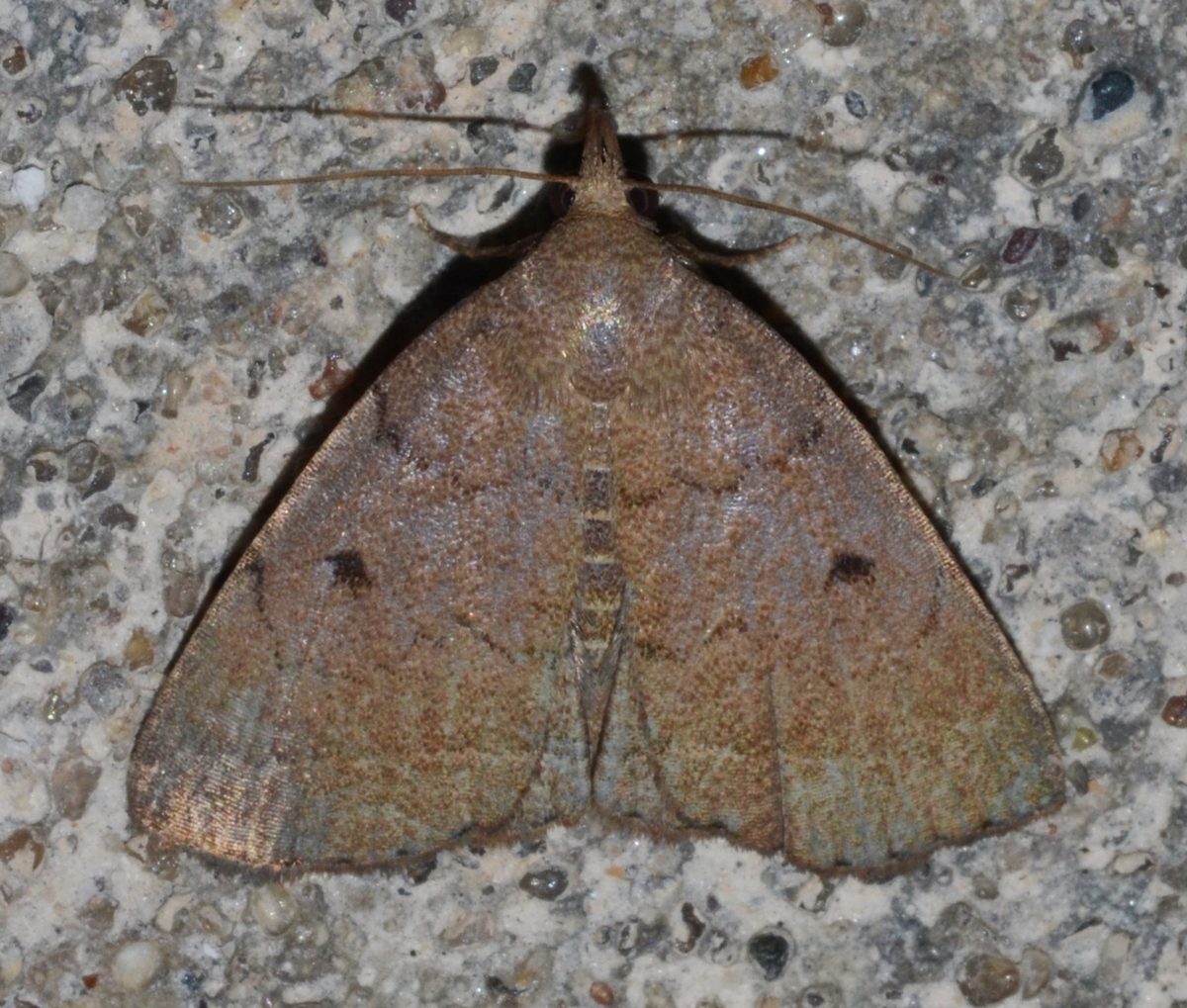
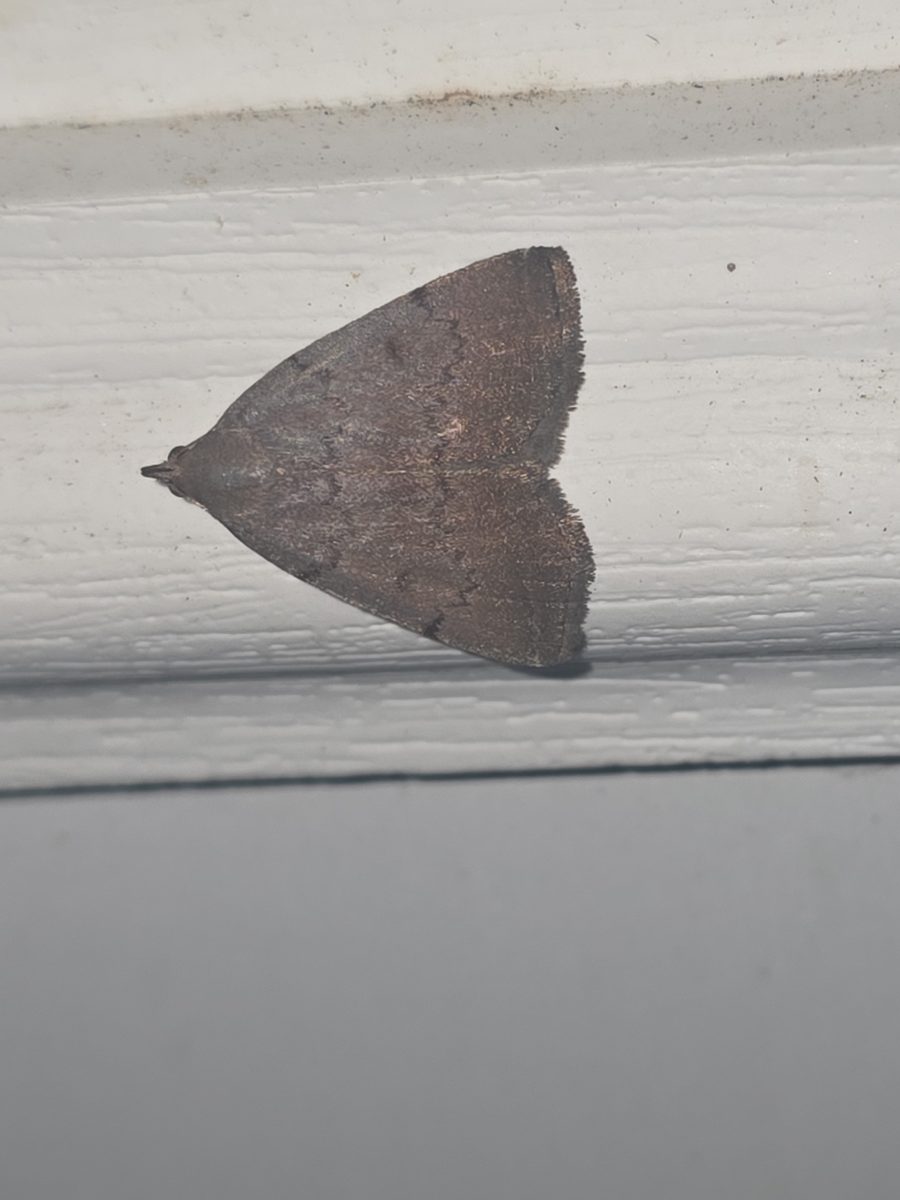
Zanclognatha martha, the pine barrens zanclognatha or Martha's zanclognatha, is a litter moth of the family Erebidae. It was described by William Barnes in 1928. It is found from Ohio to Maine, south in the mountains to North Carolina and along the Coastal Plain to Texas.
Description: Wikipedia (CC BY-SA 4.0).
Where NHESP has recorded it
last recorded since 2001 last recorded earlier
- Plymouth 2024
- Hardwick 2023
- New Salem 2022
- Lancaster 2021
- Belchertown 2020
- Ware 2020
- Wareham 2019
- Marlborough 2015
- Sudbury 2015
- Montague 2013
- Fall River 2010
- South Hadley 2010
- Montgomery 2008
- Westfield 1999
- Chicopee 1994
Town-level documented observations from NHESP’s Rare Species Viewer, read 4 November 2026; the year is the last documented record, as NHESP prints it, not evidence of absence. NHESP does not publish locations.
More about this species
In Massachusetts
Records extend across the region running westward to the Connecticut River Valley and eastward toward Plymouth. No occurrences are documented on Cape Cod or the offshore islands. Barrens dominated by pitch pine and scrub oak form its core landscape, and documentation of its presence is considered solid.
Source: Massachusetts state rare-species fact sheet, Pine Barrens Zanclognatha (published March 2025).
Threats
Loss of open barrens through fire suppression and succession is the main habitat concern, along with outright habitat conversion. Non-native generalist parasitoids and aerial spraying of insecticides create direct mortality pressure. Warmer temperatures are regarded as less harmful here because the species occurs naturally as far south as Florida.
Source: Massachusetts state rare-species fact sheet, Pine Barrens Zanclognatha (published March 2025).
Protections
Carries Special Concern status under the state endangered-species law and ranks among the state's conservation priority invertebrates. Securing and actively managing open barrens landscapes are the foremost priorities.
Source: Massachusetts state rare-species fact sheet, Pine Barrens Zanclognatha (published March 2025).
One fact
Caterpillars of this moth consume pitch pine needles. Adults are on the wing through July into the first weeks of August.
Source: Massachusetts state rare-species fact sheet, Pine Barrens Zanclognatha (published March 2025).
State list: 321 CMR 10.90, as of 16 August 2024. Rare species of Massachusetts · Trees of Massachusetts