Rare species of Massachusetts · Birds
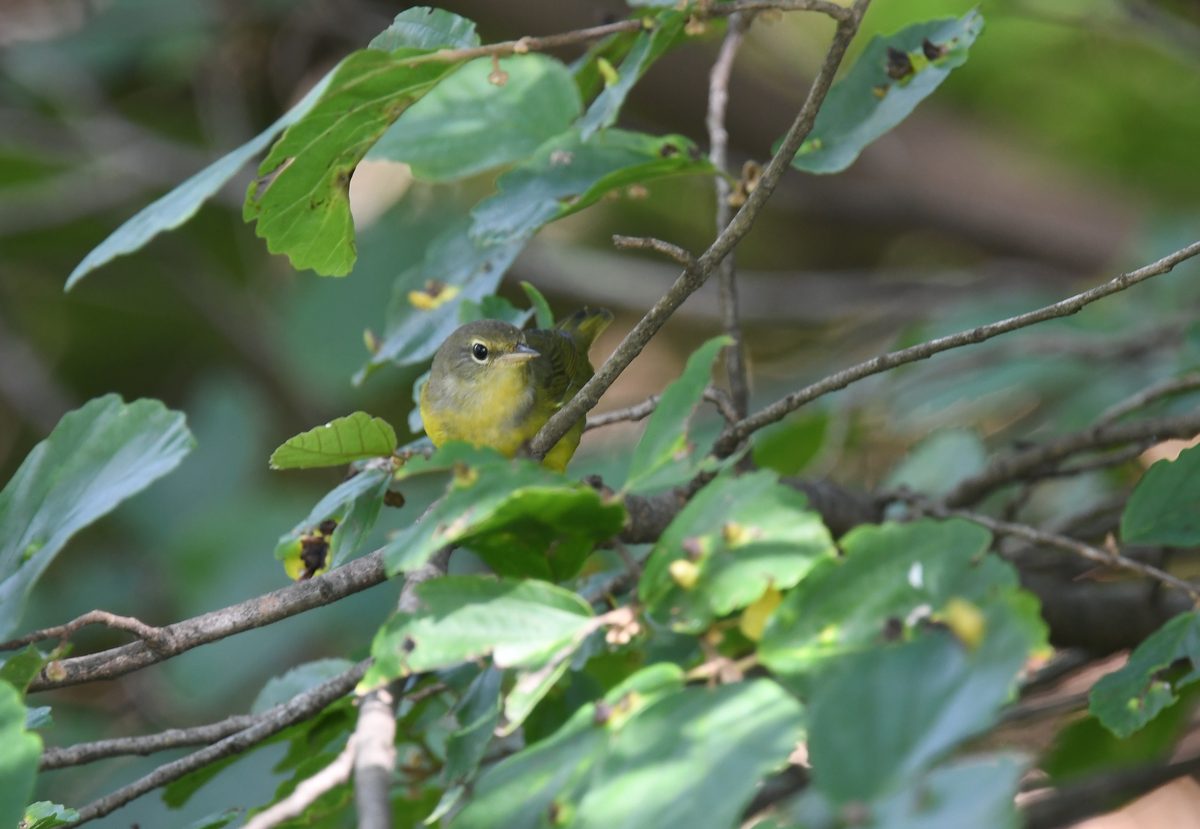
Mourning Warbler
Status Special Concern · Group Birds · Recorded in 24 towns, 18 since 2001 · State sightings records: most recent 2025 · eBird reported in 5 of 14 counties in the last 30 days, latest 17 October 2026 (birders’ reports, eBird, Cornell Lab of Ornithology; as of 6 November 2026)
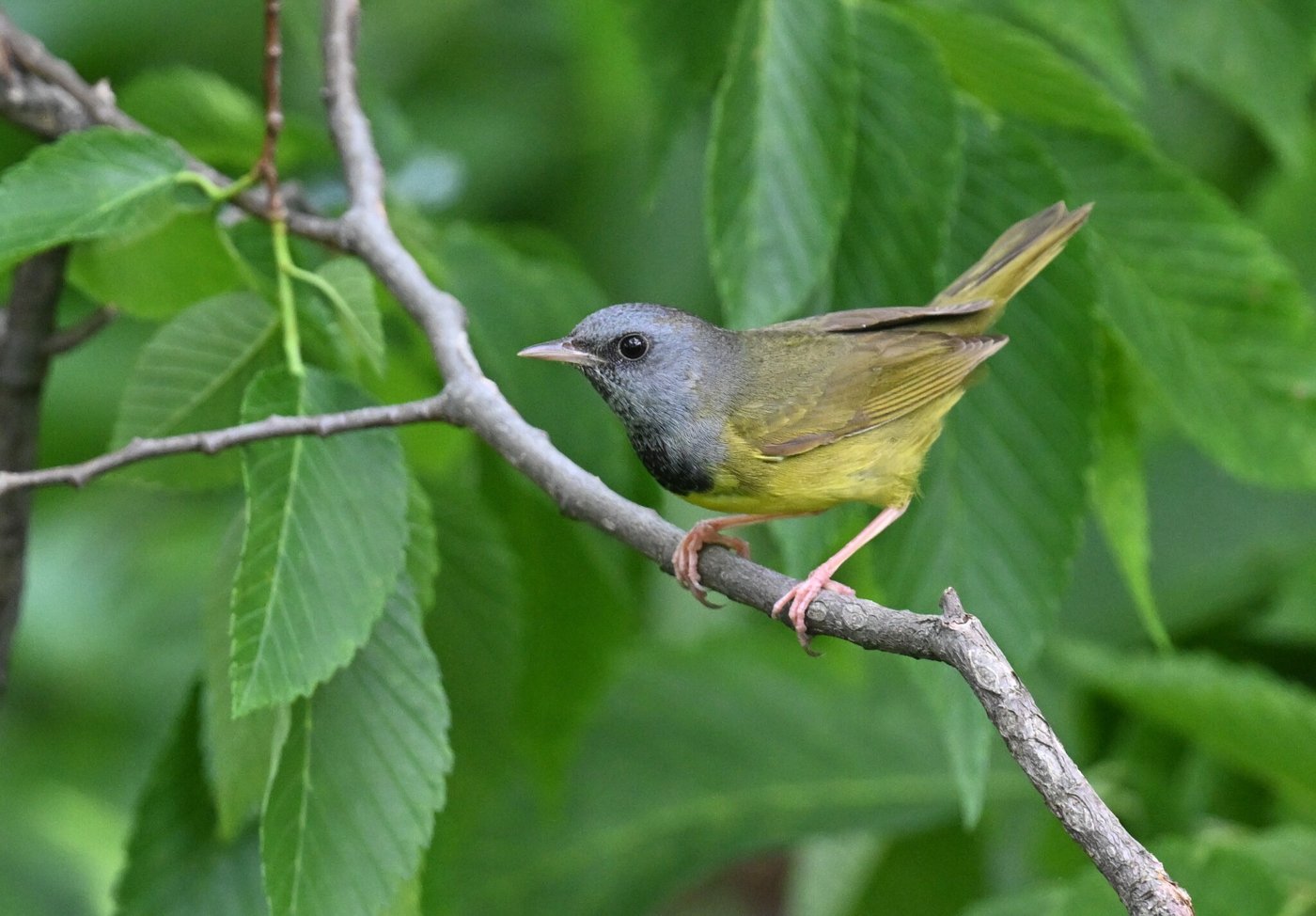
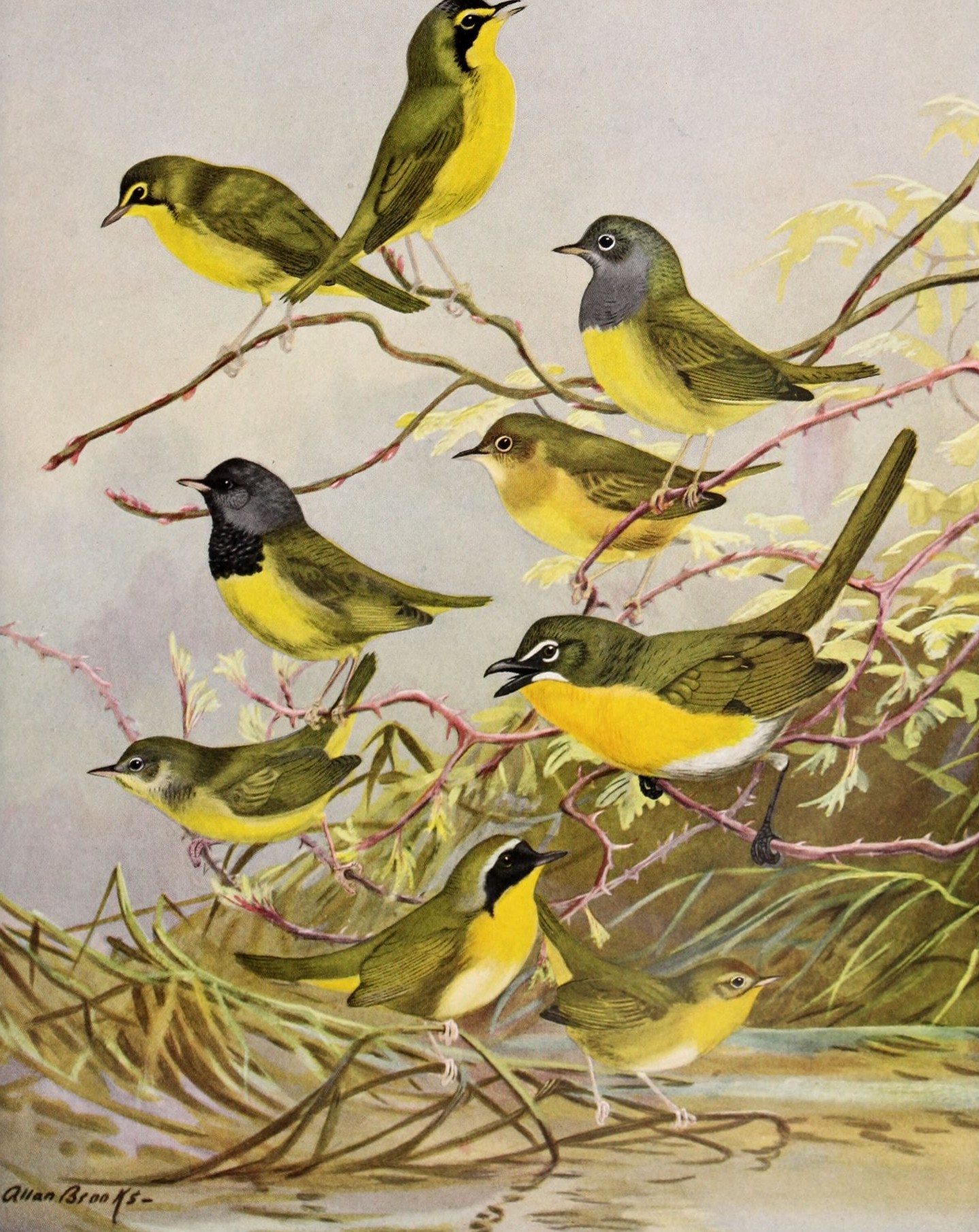
The mourning warbler (Geothlypis philadelphia) is a small songbird of the New World warbler family. Mourning warblers are neotropical migrants native to eastern and central North America and wintering in Central and South America. They tend to be found in dense second growth forests.
Description: Wikipedia (CC BY-SA 4.0).
Where NHESP has recorded it
last recorded since 2001 last recorded earlier
- Washington 2025
- Hancock 2021
- Florida 2013
- Savoy 2011
- Buckland 2010
- Middlefield 2010eBird: Hampshire County, 17 Oct 2026
- Monroe 2010
- North Adams 2010
- Worthington 2010eBird: Hampshire County, 17 Oct 2026
- Chester 2009
- Colrain 2009
- Heath 2009
- Peru 2009
- Windsor 2009
- Adams 2007
- Cheshire 2007
- Lanesborough 2007
- New Ashford 2007
- Williamstown 2000
- Dalton 1997
- Huntington 1997eBird: Hampshire County, 17 Oct 2026
- Sunderland 1996
- Cummington 1995eBird: Hampshire County, 17 Oct 2026
- Charlemont 1990
Town-level documented observations from NHESP’s Rare Species Viewer, read 4 November 2026; the year is the last documented record, as NHESP prints it, not evidence of absence. NHESP does not publish locations. The list shows NHESP’s documented record (year) and, for birds, birders’ reports to eBird in the last 30 days by county.
Reported to eBird in the last 30 days: Barnstable, Essex, Hampshire, Norfolk, Worcester
eBird reports are birders’ sightings, not the state’s record. eBird hides the locations of sensitive species, so a county is the finest level shown here and a species can be missing for that reason. Source: eBird, Cornell Lab of Ornithology, reports of the last 30 days as of 6 November 2026.
More about this species
Population
Breeding Bird Survey records from 1966 to 2022 show a range-wide annual decline of 1.3%. Local data are too sparse to establish a Massachusetts-specific trend, though the bird has been consistently scarce and limited here since at least 1975.
1966-2022, range-wide. Source: Massachusetts state rare-species fact sheet, Mourning Warbler (published April 2025).
In Massachusetts
Records cluster in four counties in the western part of the state — Berkshire, Franklin, Hampshire, Hampden — with the greatest concentration of sightings in northern Berkshire County.
Source: Massachusetts state rare-species fact sheet, Mourning Warbler (published April 2025).
Threats
Habitat loss and degradation are the leading concern, primarily because the shrubby, early-successional growth this bird requires disappears as forests mature without periodic disturbance. Collisions with buildings and glass and predation by cats cause substantial mortality range-wide, and a warming climate adds pressure on this peripheral population.
Source: Massachusetts state rare-species fact sheet, Mourning Warbler (published April 2025).
Protections
Classified Special Concern under state law and prioritized in the state's wildlife conservation planning.
Source: Massachusetts state rare-species fact sheet, Mourning Warbler (published April 2025).
One fact
Nests are occasionally used as a host by brown-headed cowbirds, which lay their own eggs for the warblers to raise.
Source: Massachusetts state rare-species fact sheet, Mourning Warbler (published April 2025).
Related species
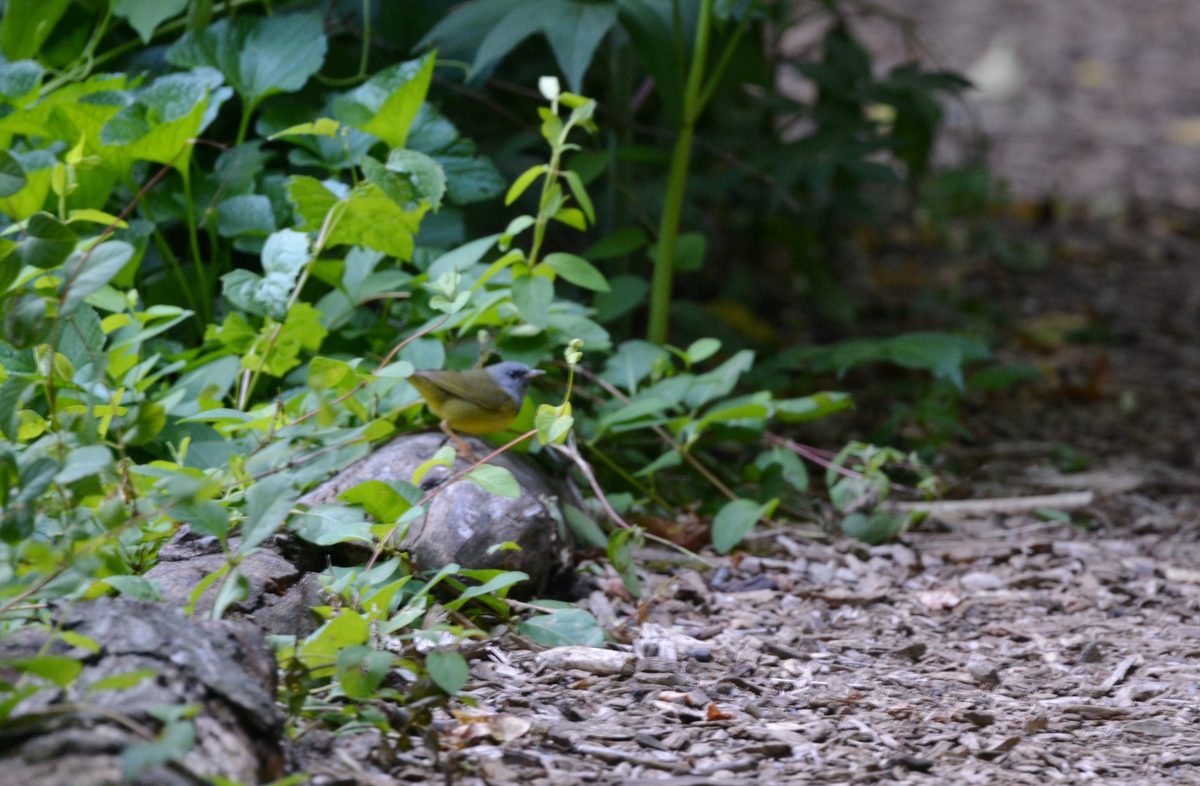
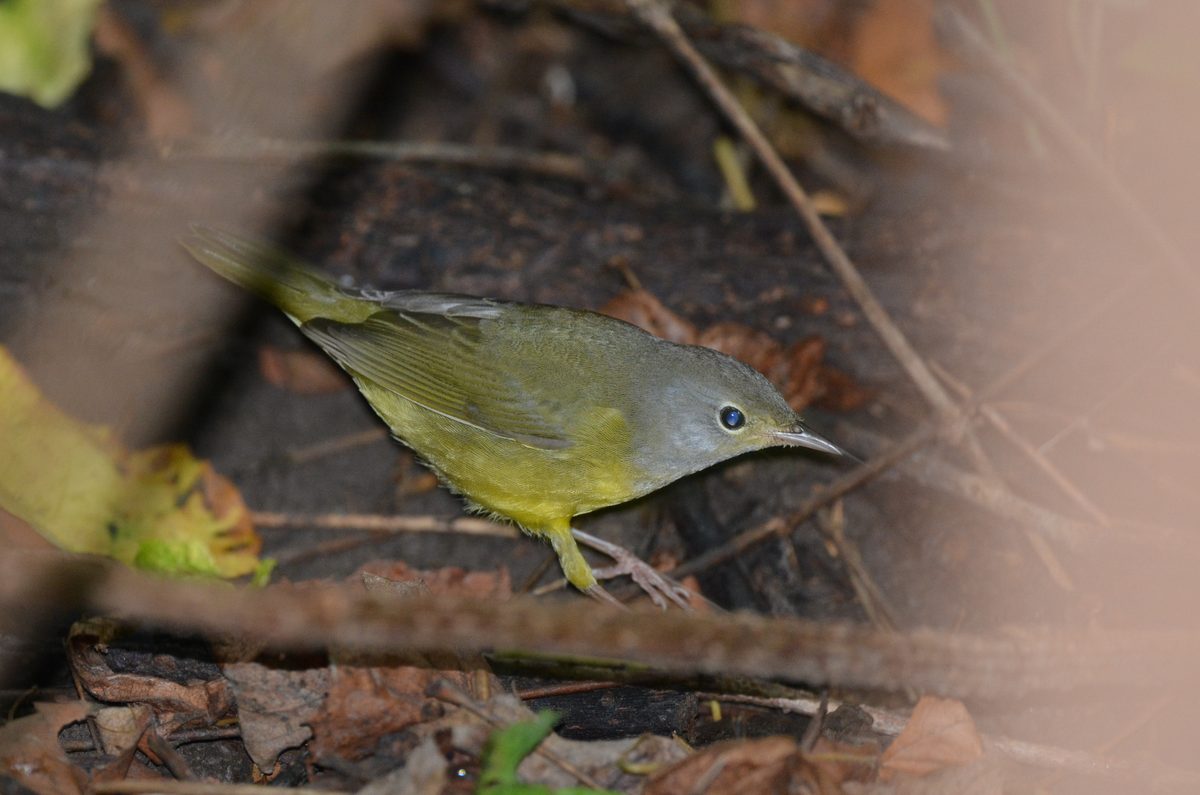
Wood warblers on the state list:
State list: 321 CMR 10.90, as of 16 August 2024. Rare species of Massachusetts · Trees of Massachusetts