Rare species of Massachusetts · Birds
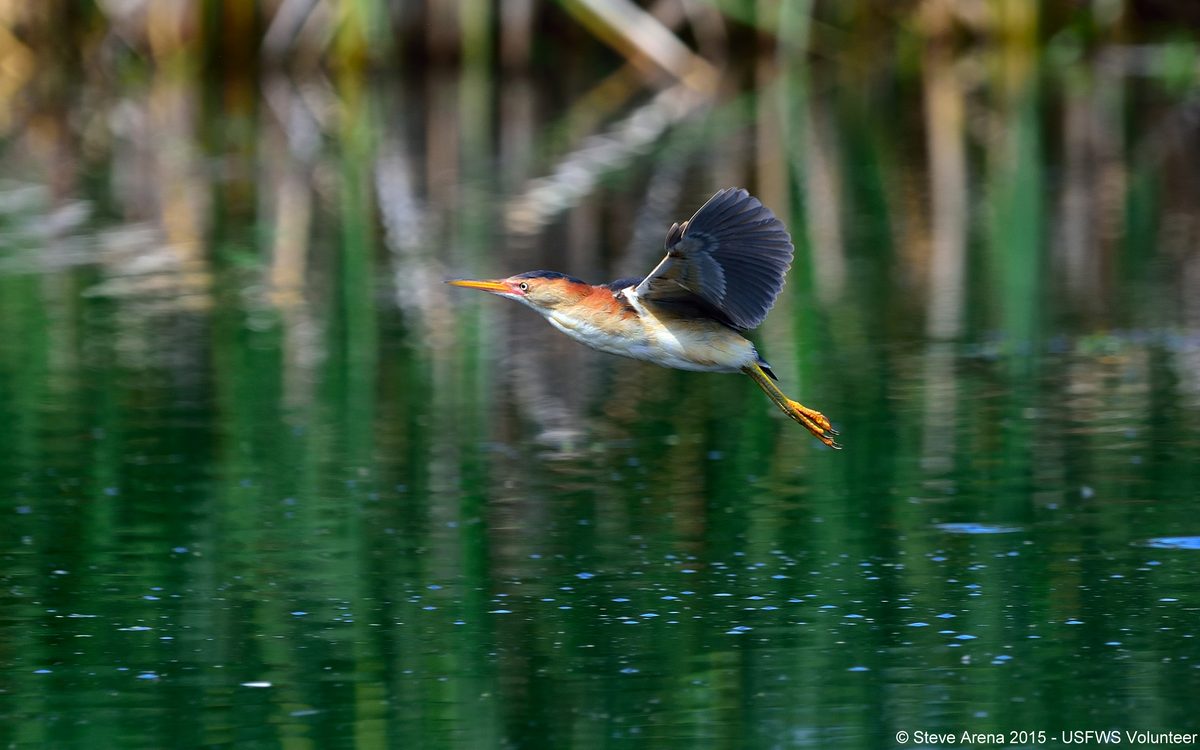
Least Bittern
Status Endangered · Group Birds · Recorded in 64 towns, 38 since 2001 · State sightings records: most recent 2023 · eBird no reports in Massachusetts in the last 30 days (as of 6 November 2026)
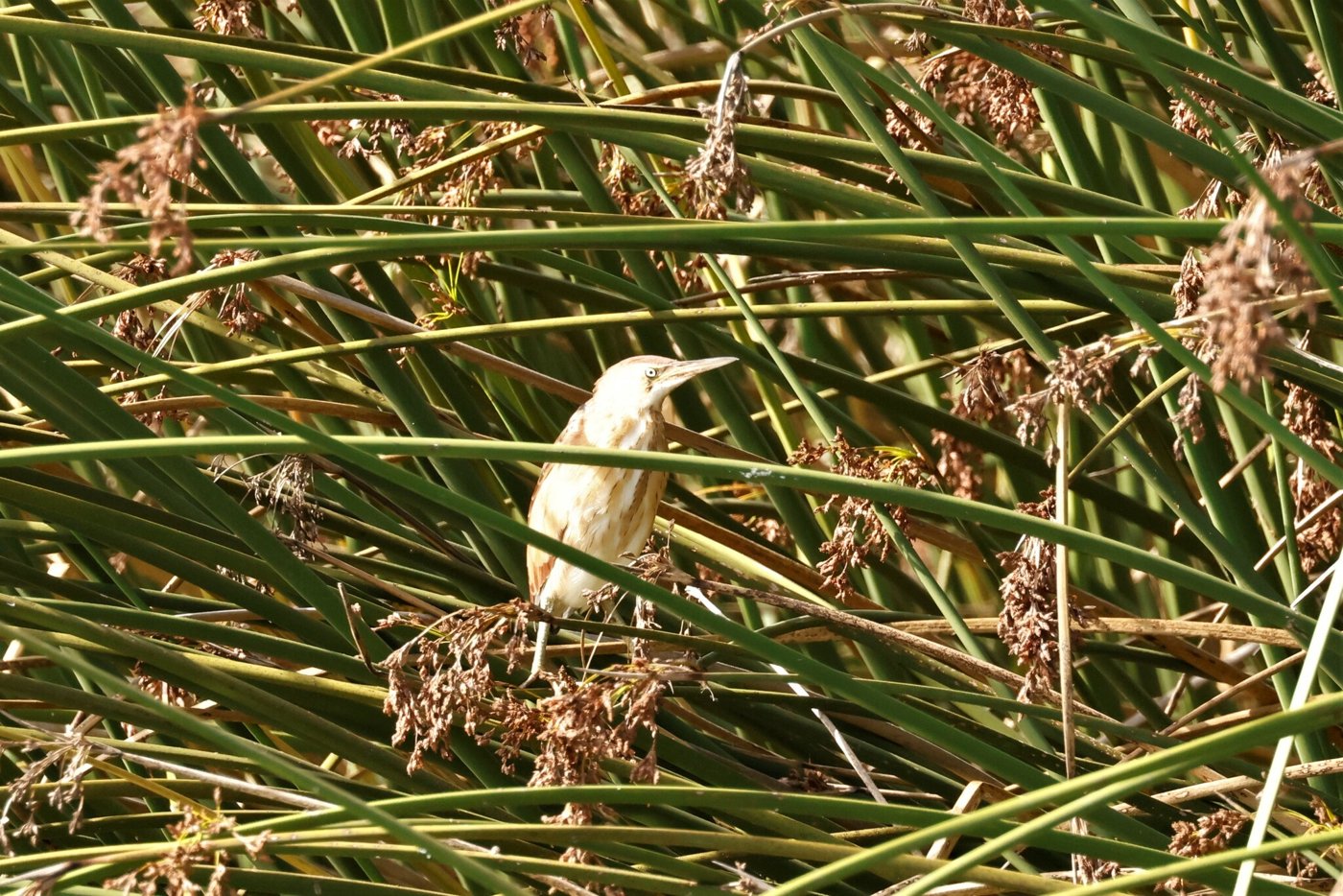
Where NHESP has recorded it
last recorded since 2001 last recorded earlier
- Cheshire 2023
- Topsfield 2023
- Grafton 2022
- Richmond 2021
- Concord 2020
- Ipswich 2020
- Pittsfield 2020
- West Bridgewater 2020
- Bolton 2019
- Boston 2019
- Fairhaven 2017
- Groveland 2017
- Lynnfield 2017
- Orange 2017
- Wellfleet 2014
- Hinsdale 2012
- Rowley 2012
- Tyringham 2011
- Wakefield 2010
- Westhampton 2010
- Sudbury 2009
- Wayland 2009
- Washington 2008
- Belchertown 2007
- Brimfield 2007
- Brookfield 2007
- Chilmark 2007
- Lakeville 2007
- Marshfield 2007
- Middleton 2007
- West Brookfield 2007
- Deerfield 2006
- Barre 2005
- Hardwick 2005
- Harvard 2005
- Stow 2005
- Rockport 2001
- Shelburne 2001
- Hancock 2000
- Provincetown 2000
- Sterling 2000
- Windsor 1998
- Dartmouth 1993
- Harwich 1993
- Phillipston 1993
- Truro 1993
- Franklin 1992
- Haverhill 1992
- Milford 1992
- Westford 1992
- Egremont 1991
- Hatfield 1991
- Sheffield 1991
- Milton 1990
- Salem 1990
- Whitman 1988
- Norwood 1985
- Plymouth 1977
- Ayer 1947
- Longmeadow 1937
- Northampton 1934
- Oak Bluffs 1900
- Cambridge 1890
- Lexington Historic
Town-level documented observations from NHESP’s Rare Species Viewer, read 4 November 2026; the year is the last documented record, as NHESP prints it, not evidence of absence. NHESP does not publish locations. The list shows NHESP’s documented record (year) and, for birds, birders’ reports to eBird in the last 30 days by county.
eBird reports are birders’ sightings, not the state’s record. eBird hides the locations of sensitive species, so a county is the finest level shown here and a species can be missing for that reason. Source: eBird, Cornell Lab of Ornithology, reports of the last 30 days as of 6 November 2026.
More about this species
Population
The 2007–2011 atlas recorded possible, probable, or confirmed breeding in 12 blocks, compared with 10 in the 1975–1979 atlas. Broad surveys are considered unable to reliably capture population size or direction of change.
2007-2011 atlas. Source: Massachusetts state rare-species fact sheet, Least Bittern (published April 2025).
In Massachusetts
Breeding concentrates at a small cluster of sites, most of them tidal or floodplain wetlands in the eastern half of the state. Occurrence reports from elsewhere predate the 1950s.
Source: Massachusetts state rare-species fact sheet, Least Bittern (published April 2025).
Threats
Phragmites encroachment is considered the foremost current threat to nesting birds. Wake turbulence from motorboats and personal watercraft can flood nests; climate-driven shifts in wetland water levels and rising seas add further pressure, as does predation on eggs, chicks, and sitting adults.
Source: Massachusetts state rare-species fact sheet, Least Bittern (published April 2025).
Protections
Classified Endangered under state law and ranked among the state's priority wildlife for conservation planning.
Source: Massachusetts state rare-species fact sheet, Least Bittern (published April 2025).
One fact
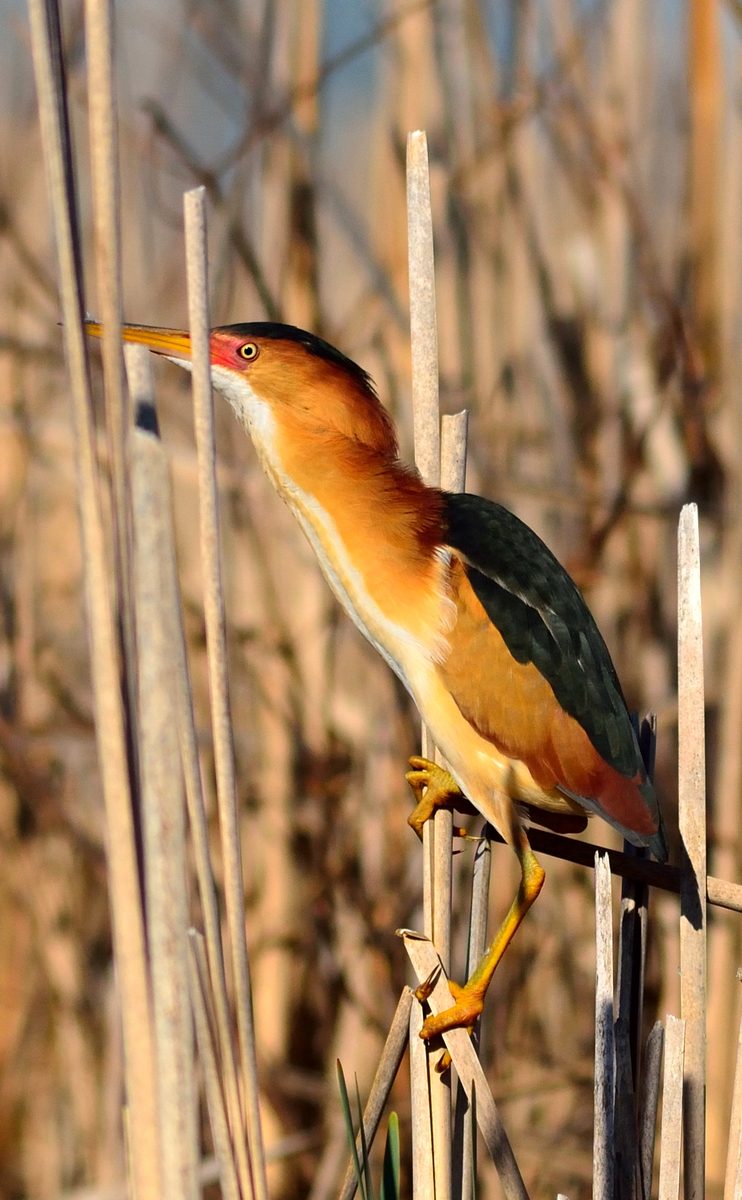
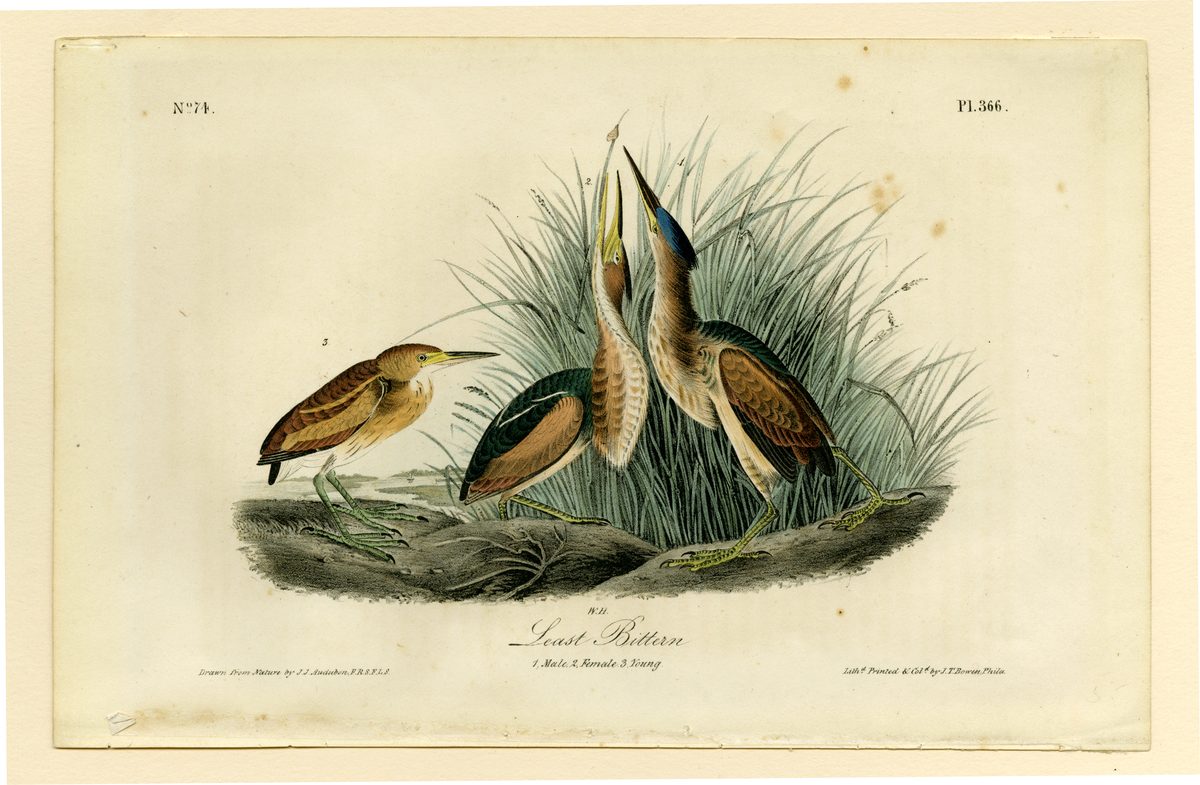
When alarmed, a least bittern may freeze with its neck stretched upward and bill pointed skyward, a posture that helps it disappear among reeds and tall stems.
Source: Massachusetts state rare-species fact sheet, Least Bittern (published April 2025).
State list: 321 CMR 10.90, as of 16 August 2024. Rare species of Massachusetts · Trees of Massachusetts