Rare species of Massachusetts · Birds
Leach's Storm-petrel
Status Endangered · Group Birds · Recorded in 2 towns, 2 since 2001 · State sightings records: most recent 2007 · eBird reported in 4 of 14 counties in the last 30 days, latest 28 October 2026 (birders’ reports, eBird, Cornell Lab of Ornithology; as of 6 November 2026)
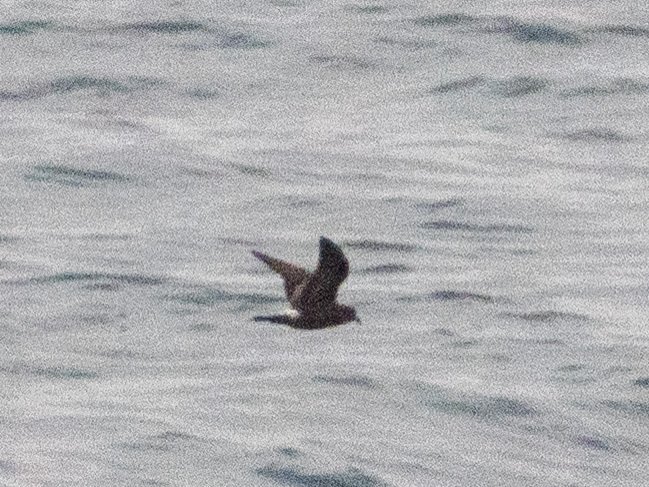
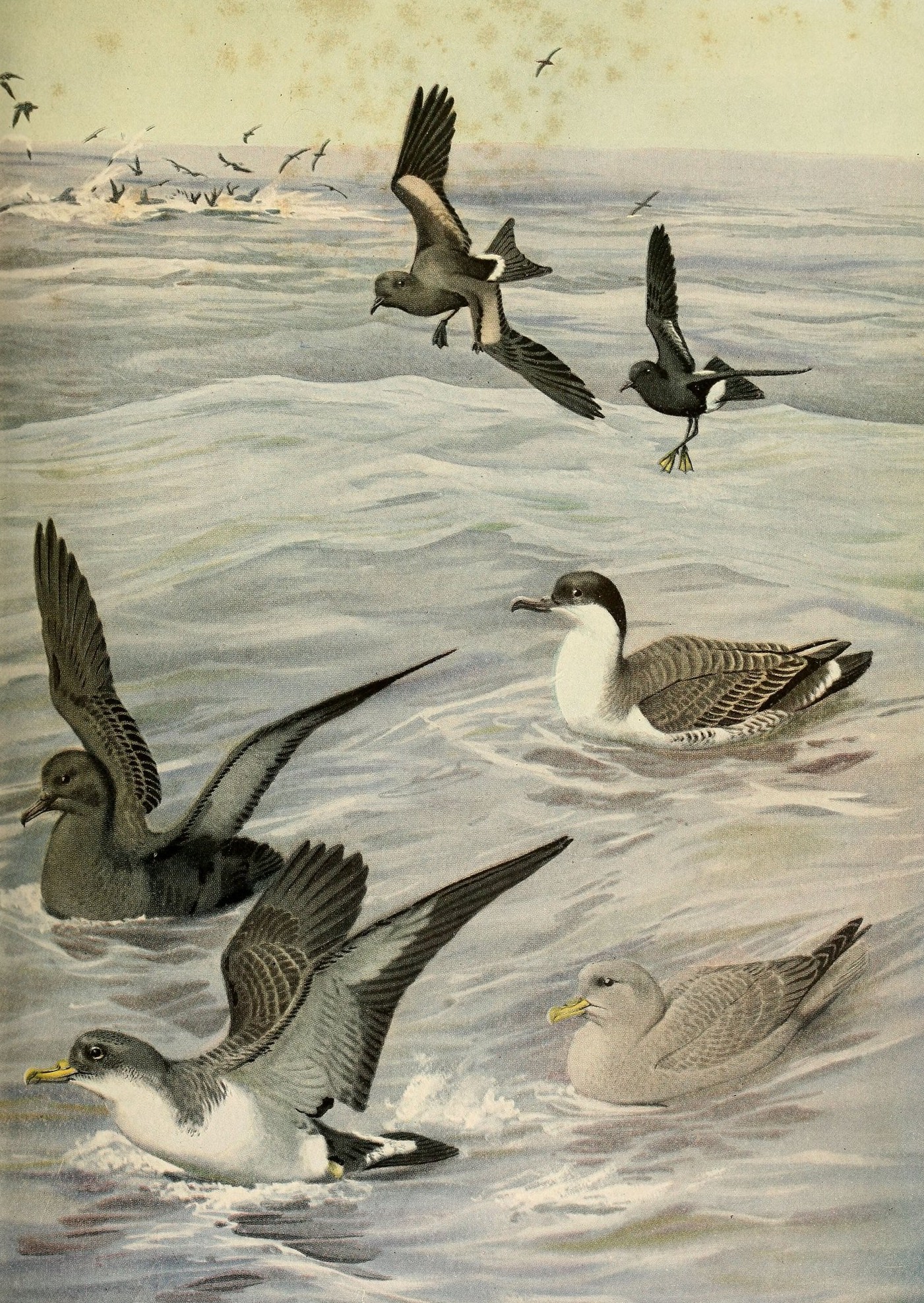
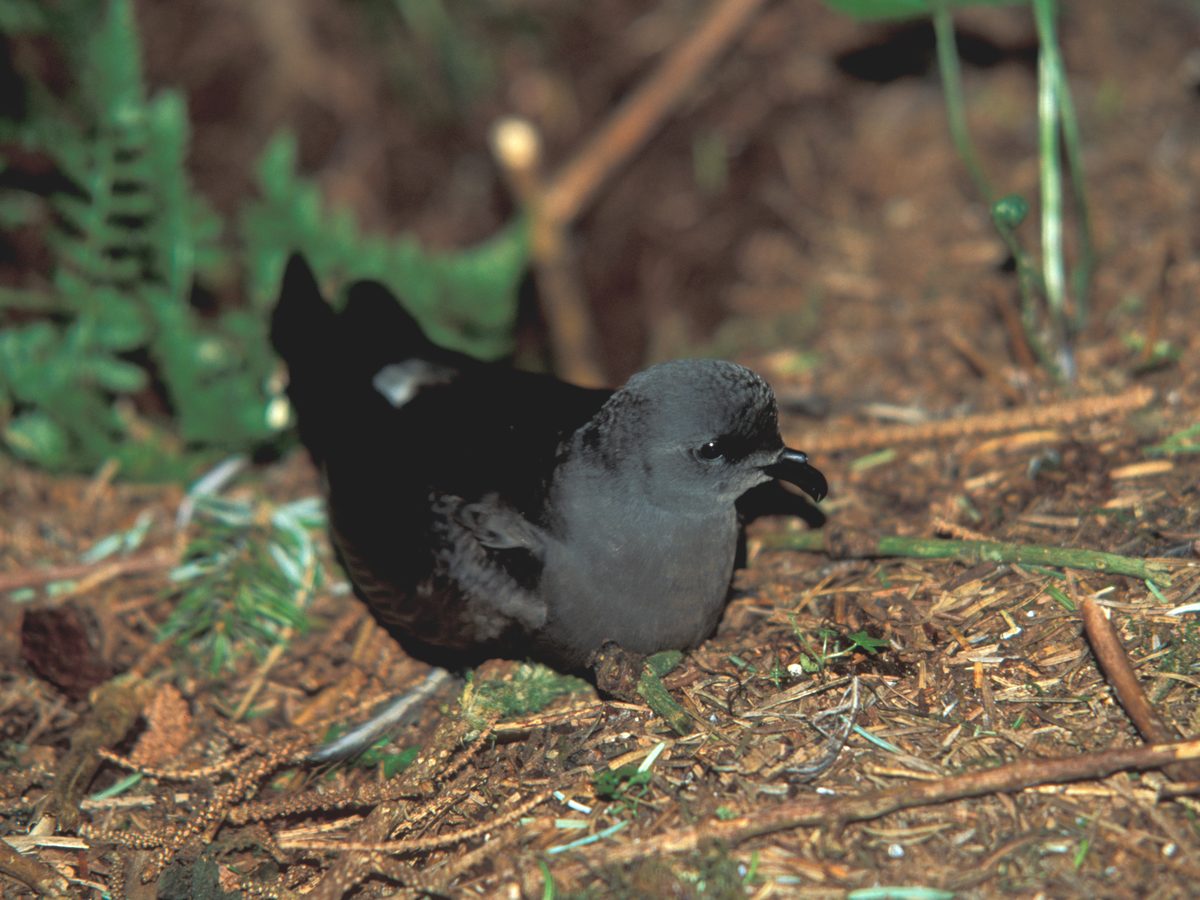
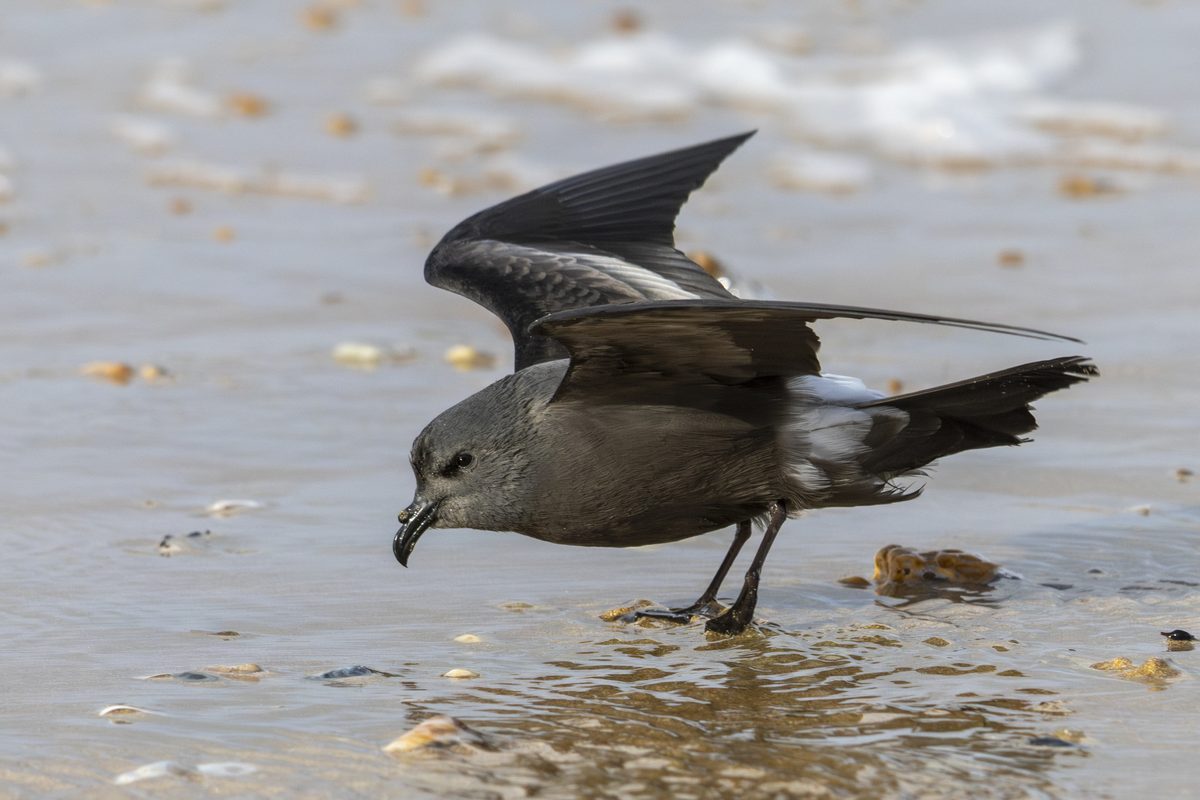
Leach's storm-petrel is a small, dark-brown oceanic bird about 20 cm long, with long angled wings and a forked tail. It nests in colonies on predator-free offshore islands, excavating burrows 30–90 cm deep under sod, boulders, or stone walls, and comes ashore only after dark. Massachusetts holds one of the southernmost breeding stations in the Atlantic: nesting was first confirmed here around 1933, with as many as 80–90 pairs recorded; the colony is now suspected at fewer than 15 pairs. Predation at burrow sites by introduced and native predators drives most nesting failures.
Where NHESP has recorded it
last recorded since 2001 last recorded earlier
Town-level documented observations from NHESP’s Rare Species Viewer, read 4 November 2026; the year is the last documented record, as NHESP prints it, not evidence of absence. NHESP does not publish locations. The list shows NHESP’s documented record (year) and, for birds, birders’ reports to eBird in the last 30 days by county.
Reported to eBird in the last 30 days: Barnstable, Essex, Nantucket, Plymouth
eBird reports are birders’ sightings, not the state’s record. eBird hides the locations of sensitive species, so a county is the finest level shown here and a species can be missing for that reason. Source: eBird, Cornell Lab of Ornithology, reports of the last 30 days as of 6 November 2026.
More about this species
Population
Global numbers fall between roughly 6.7 million and 8.3 million breeding adults, with a downward trend; one recent study documents at least a 30% drop. No year is attached to either figure in the available record.
Undated on the state fact sheet. Source: Massachusetts state rare-species fact sheet, Leach's Storm-petrel (published April 2025).
In Massachusetts
The species first documented nesting in the state in 1933, reaching as many as 80 to 90 pairs at peak; current evidence suggests fewer than 15 pairs remain across two known sites. Offshore concentrations build from late August through early September.
Source: Massachusetts state rare-species fact sheet, Leach's Storm-petrel (published April 2025).
Threats
Colony predation — by both introduced species and native wildlife — accounts for the greatest share of mortality. Pesticide and oil contamination, ingested plastic debris, attraction to lights on offshore platforms, competition for nest burrows, and onshore strandings during strong winds are additional recorded hazards.
Source: Massachusetts state rare-species fact sheet, Leach's Storm-petrel (published April 2025).
Protections
Classified Endangered under state law; the IUCN places this species in the Vulnerable category on its global assessment.
Source: Massachusetts state rare-species fact sheet, Leach's Storm-petrel (published April 2025).
One fact
Band returns show the longest-lived individual reached at least 36 years of age.
Source: Massachusetts state rare-species fact sheet, Leach's Storm-petrel (published April 2025).
State list: 321 CMR 10.90, as of 16 August 2024. Rare species of Massachusetts · Trees of Massachusetts