Rare species of Massachusetts · Birds
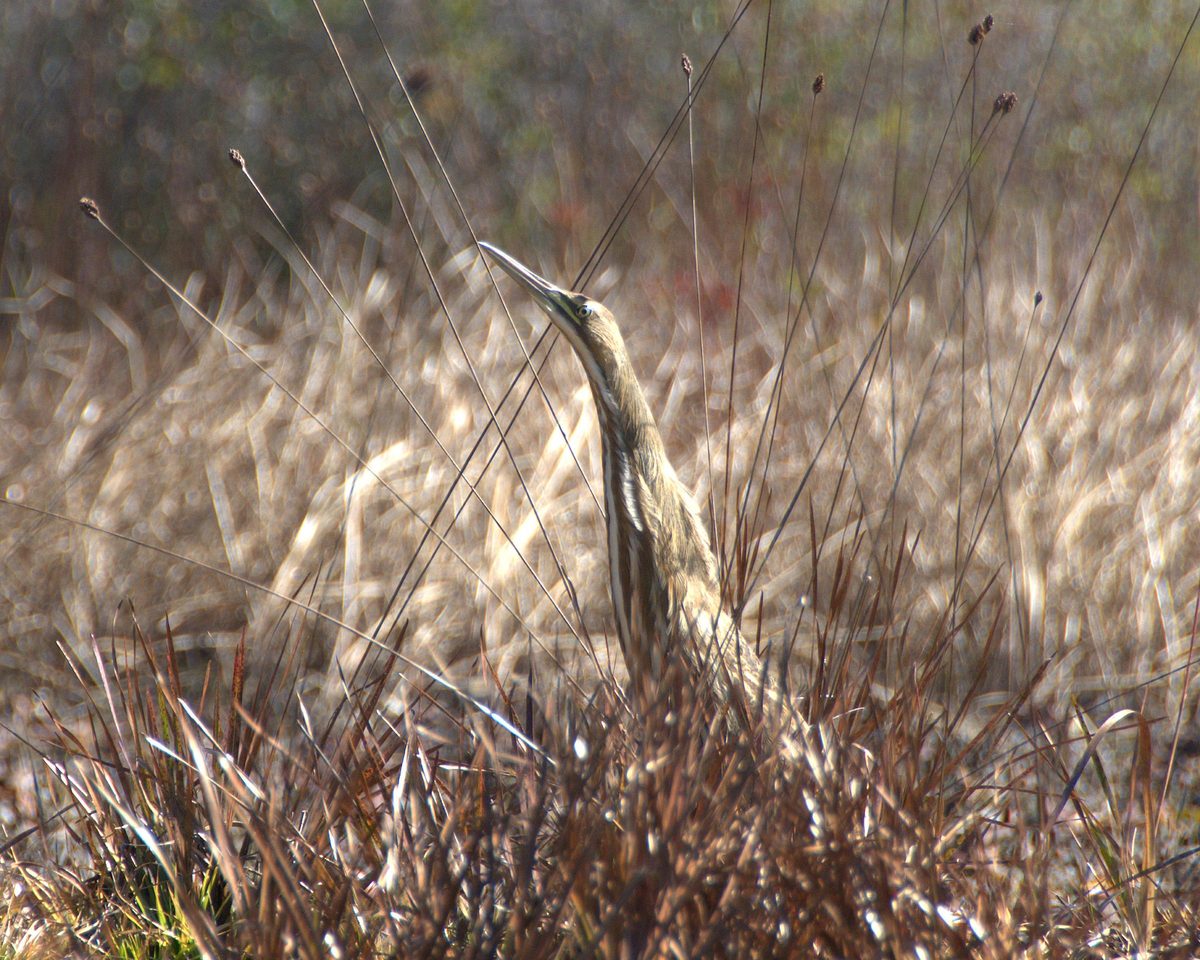
American Bittern
Status Endangered · Group Birds · Recorded in 101 towns, 65 since 2001 · State sightings records: most recent 2025 · eBird reported in 9 of 14 counties in the last 30 days, latest 4 November 2026 (birders’ reports, eBird, Cornell Lab of Ornithology; as of 6 November 2026)
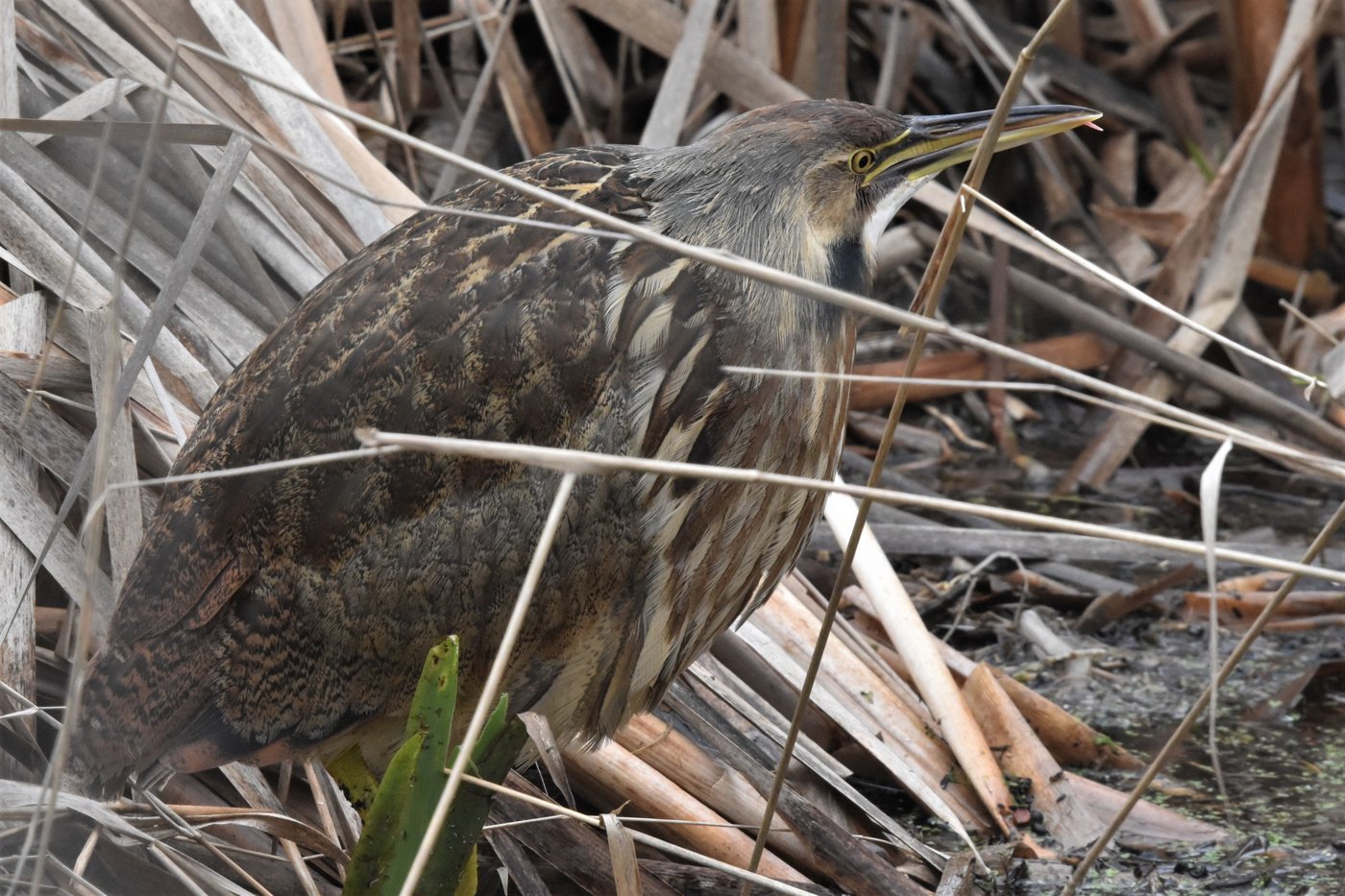
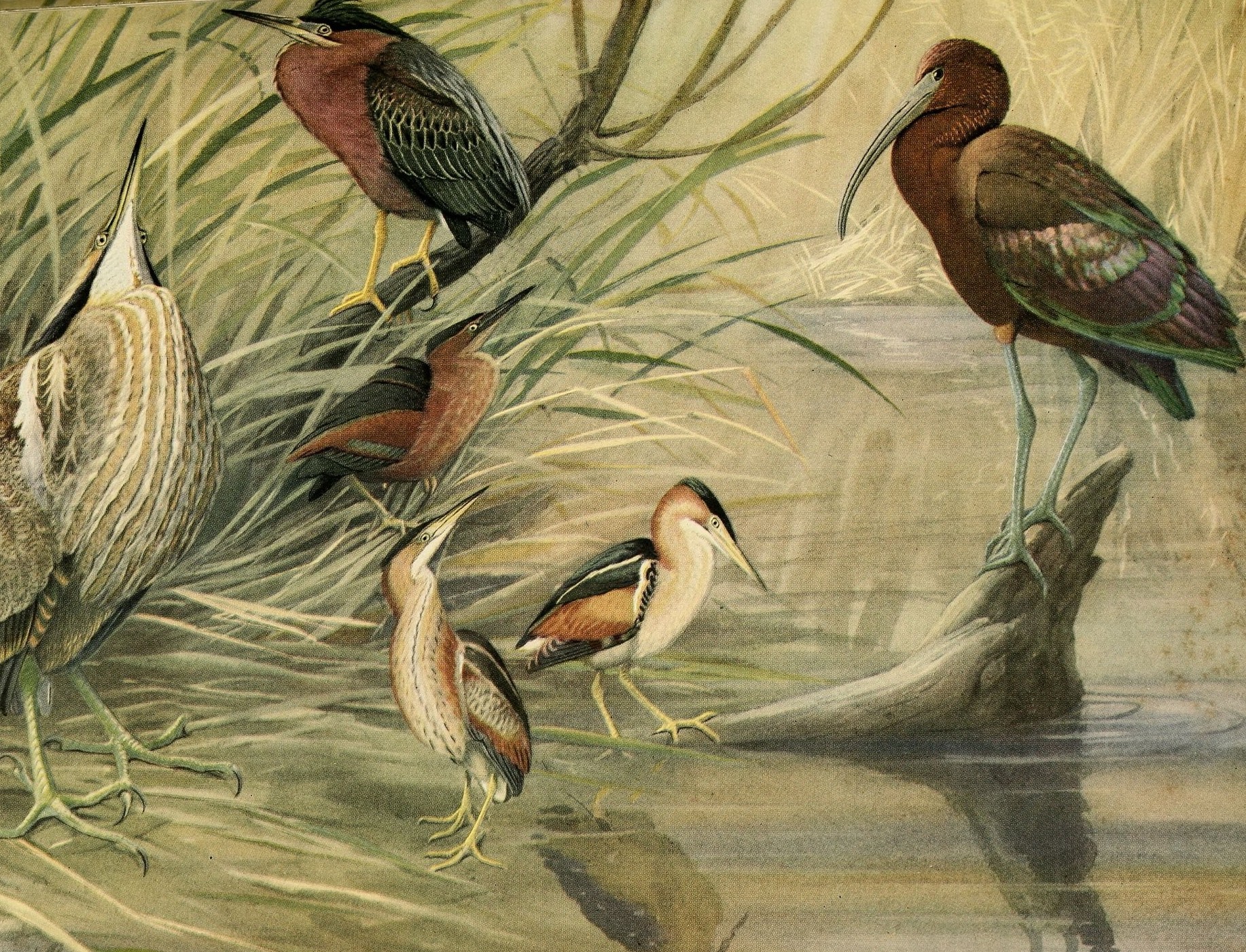
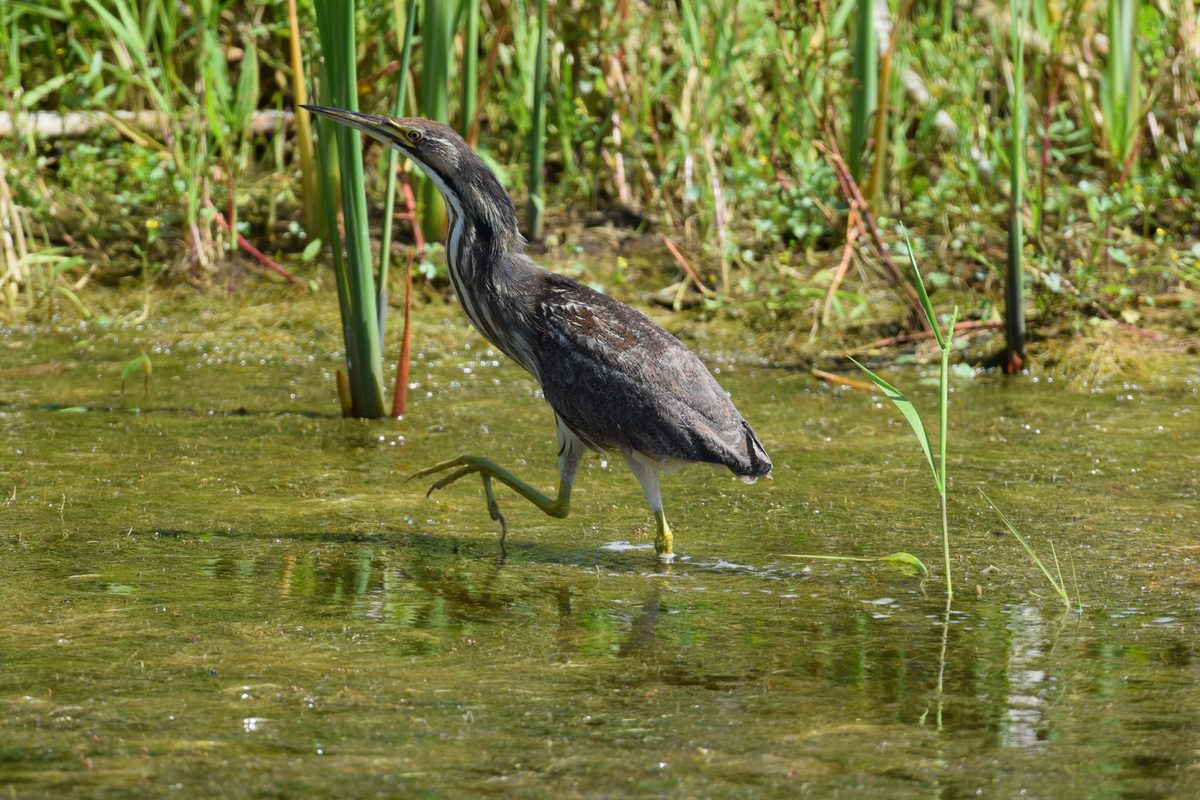
The American bittern (Botaurus lentiginosus) is a species of wading bird in the heron family. It has a Nearctic distribution, breeding in Canada and the northern and central parts of the United States, and wintering in the U.S. Gulf Coast states, all of Florida into the Everglades, the Caribbean islands and parts of Central America.
Description: Wikipedia (CC BY-SA 4.0).
Where NHESP has recorded it
last recorded since 2001 last recorded earlier
- Richmond 2025eBird: Berkshire County, 13 Oct 2026
- Washington 2024eBird: Berkshire County, 13 Oct 2026
- Becket 2022eBird: Berkshire County, 13 Oct 2026
- Hardwick 2022eBird: Worcester County, 9 Oct 2026
- Hinsdale 2022eBird: Berkshire County, 13 Oct 2026
- Conway 2021
- Cummington 2021
- Gardner 2021eBird: Worcester County, 9 Oct 2026
- Hanson 2021eBird: Plymouth County, 20 Oct 2026
- Hawley 2021
- Holden 2021eBird: Worcester County, 9 Oct 2026
- Ipswich 2020eBird: Essex County, 4 Nov 2026
- New Braintree 2020eBird: Worcester County, 9 Oct 2026
- Belchertown 2019
- Bolton 2019eBird: Worcester County, 9 Oct 2026
- Lynnfield 2019eBird: Essex County, 4 Nov 2026
- Sandisfield 2019eBird: Berkshire County, 13 Oct 2026
- Windsor 2019eBird: Berkshire County, 13 Oct 2026
- Ashburnham 2018eBird: Worcester County, 9 Oct 2026
- Carver 2018eBird: Plymouth County, 20 Oct 2026
- New Salem 2018
- Wakefield 2018eBird: Middlesex County, 18 Oct 2026
- Whately 2018
- Fairhaven 2017
- Royalston 2017eBird: Worcester County, 9 Oct 2026
- Stockbridge 2017eBird: Berkshire County, 13 Oct 2026
- Templeton 2017eBird: Worcester County, 9 Oct 2026
- Winchendon 2017eBird: Worcester County, 9 Oct 2026
- Brookfield 2016eBird: Worcester County, 9 Oct 2026
- Hubbardston 2016eBird: Worcester County, 9 Oct 2026
- Phillipston 2015eBird: Worcester County, 9 Oct 2026
- Townsend 2014eBird: Middlesex County, 18 Oct 2026
- Princeton 2013eBird: Worcester County, 9 Oct 2026
- Lenox 2012eBird: Berkshire County, 13 Oct 2026
- Rutland 2012eBird: Worcester County, 9 Oct 2026
- Leyden 2011
- Tolland 2011
- Tyringham 2011eBird: Berkshire County, 13 Oct 2026
- Warwick 2011
- Ashfield 2009
- Concord 2009eBird: Middlesex County, 18 Oct 2026
- Granville 2009
- Great Barrington 2009eBird: Berkshire County, 13 Oct 2026
- Lee 2009eBird: Berkshire County, 13 Oct 2026
- Peru 2009eBird: Berkshire County, 13 Oct 2026
- Truro 2009eBird: Barnstable County, 1 Nov 2026
- Westhampton 2009
- Egremont 2008eBird: Berkshire County, 13 Oct 2026
- New Marlborough 2008eBird: Berkshire County, 13 Oct 2026
- Newbury 2008eBird: Essex County, 4 Nov 2026
- Pittsfield 2008eBird: Berkshire County, 13 Oct 2026
- Sudbury 2008eBird: Middlesex County, 18 Oct 2026
- West Stockbridge 2008eBird: Berkshire County, 13 Oct 2026
- Amherst 2007
- Northfield 2007
- West Brookfield 2007eBird: Worcester County, 9 Oct 2026
- Westminster 2007eBird: Worcester County, 9 Oct 2026
- Mashpee 2006eBird: Barnstable County, 1 Nov 2026
- Blandford 2005
- Orange 2005
- Savoy 2005eBird: Berkshire County, 13 Oct 2026
- Dalton 2003eBird: Berkshire County, 13 Oct 2026
- Groton 2001eBird: Middlesex County, 18 Oct 2026
- Sheffield 2001eBird: Berkshire County, 13 Oct 2026
- Shelburne 2001
- Chester 1999
- Warren 1999eBird: Worcester County, 9 Oct 2026
- Brimfield 1997
- Petersham 1997eBird: Worcester County, 9 Oct 2026
- Worthington 1997
- Spencer 1996eBird: Worcester County, 9 Oct 2026
- East Brookfield 1995eBird: Worcester County, 9 Oct 2026
- Whitman 1993eBird: Plymouth County, 20 Oct 2026
- Duxbury 1992eBird: Plymouth County, 20 Oct 2026
- Groveland 1992eBird: Essex County, 4 Nov 2026
- Middleborough 1992eBird: Plymouth County, 20 Oct 2026
- Sterling 1992eBird: Worcester County, 9 Oct 2026
- Stow 1992eBird: Middlesex County, 18 Oct 2026
- Monterey 1991eBird: Berkshire County, 13 Oct 2026
- Lunenburg 1990eBird: Worcester County, 9 Oct 2026
- Salem 1990eBird: Essex County, 4 Nov 2026
- Westford 1990eBird: Middlesex County, 18 Oct 2026
- Southwick 1987
- Newburyport 1984eBird: Essex County, 4 Nov 2026
- Wayland 1984eBird: Middlesex County, 18 Oct 2026
- Northborough 1981eBird: Worcester County, 9 Oct 2026
- Taunton 1941
- Montgomery 1932
- Northampton 1932
- Barre 1930eBird: Worcester County, 9 Oct 2026
- Cambridge 1906eBird: Middlesex County, 18 Oct 2026
- Littleton 1894eBird: Middlesex County, 18 Oct 2026
- Chatham CIRCA-1965eBird: Barnstable County, 1 Nov 2026
- Dover 1970s
- Easton 1970s
- Granby 1970s
- Longmeadow CIRCA-1937
- Medfield 1970s
- Nantucket 1970seBird: Nantucket County, 31 Oct 2026
- Springfield PRE-1901
- West Bridgewater 1970seBird: Plymouth County, 20 Oct 2026
Town-level documented observations from NHESP’s Rare Species Viewer, read 4 November 2026; the year is the last documented record, as NHESP prints it, not evidence of absence. NHESP does not publish locations. The list shows NHESP’s documented record (year) and, for birds, birders’ reports to eBird in the last 30 days by county.
Reported to eBird in the last 30 days: Barnstable, Berkshire, Dukes, Essex, Middlesex, Nantucket, Plymouth, Suffolk, Worcester
eBird reports are birders’ sightings, not the state’s record. eBird hides the locations of sensitive species, so a county is the finest level shown here and a species can be missing for that reason. Source: eBird, Cornell Lab of Ornithology, reports of the last 30 days as of 6 November 2026.
More about this species
In Massachusetts
Breeding birds return to freshwater marshes each April and scattered individuals occasionally winter along the eastern coast of the state. Available documentation offers no county breakdown or statewide population figure.
Source: Massachusetts state rare-species fact sheet, American Bittern (published April 2025).
Threats
Loss and degradation of wetlands are the primary modern pressure on nesting birds. Invasive plant species, the gradual encroachment of woody plants into open marsh, road and construction noise, and mowing of hayfields used for foraging or nesting add to those pressures.
Source: Massachusetts state rare-species fact sheet, American Bittern (published April 2025).
Protections
The American Bittern is listed as Endangered in Massachusetts and is among the state's wildlife conservation priorities.
Source: Massachusetts state rare-species fact sheet, American Bittern (published April 2025).
One fact
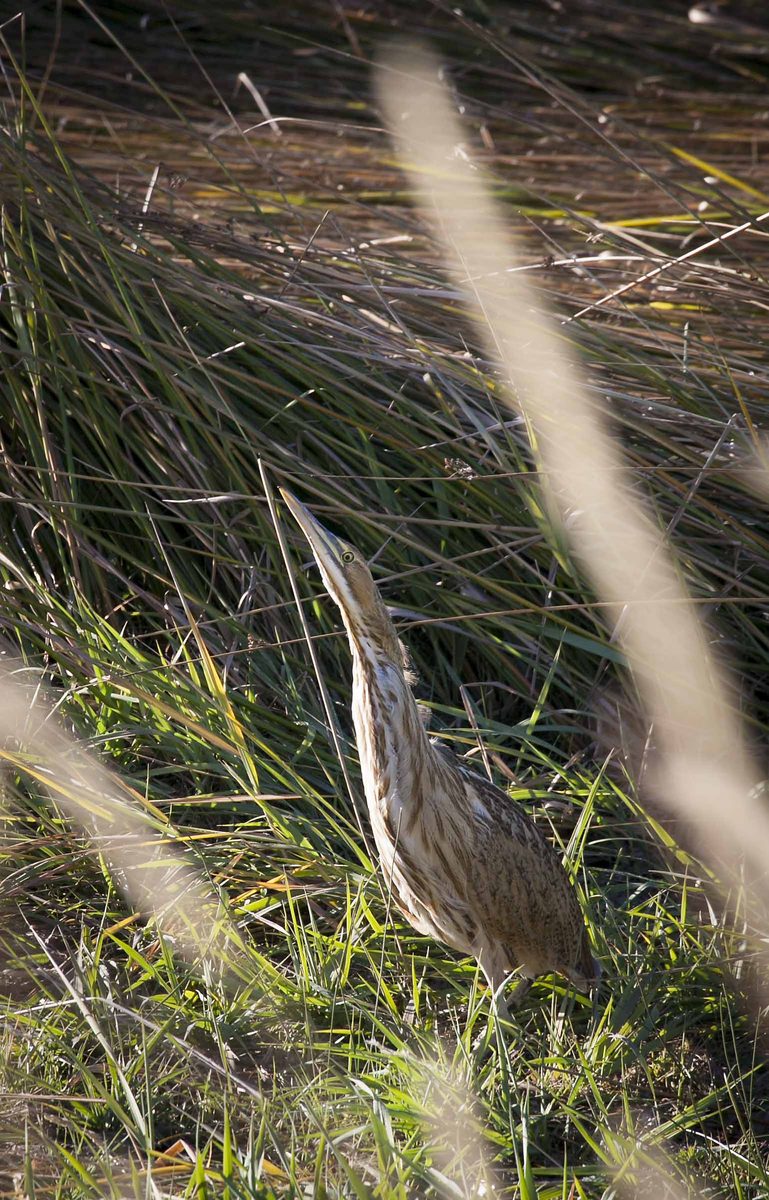
When startled, the bird holds perfectly still with its bill angled skyward, blending into surrounding reeds.
Source: Massachusetts state rare-species fact sheet, American Bittern (published April 2025).
State list: 321 CMR 10.90, as of 16 August 2024. Rare species of Massachusetts · Trees of Massachusetts