Rare species of Massachusetts · Birds
Common Loon
Status Special Concern · Group Birds · Recorded in 36 towns, 29 since 2001 · State sightings records: most recent 2024 · eBird reported in 14 of 14 counties in the last 30 days, latest 5 November 2026 (birders’ reports, eBird, Cornell Lab of Ornithology; as of 6 November 2026)
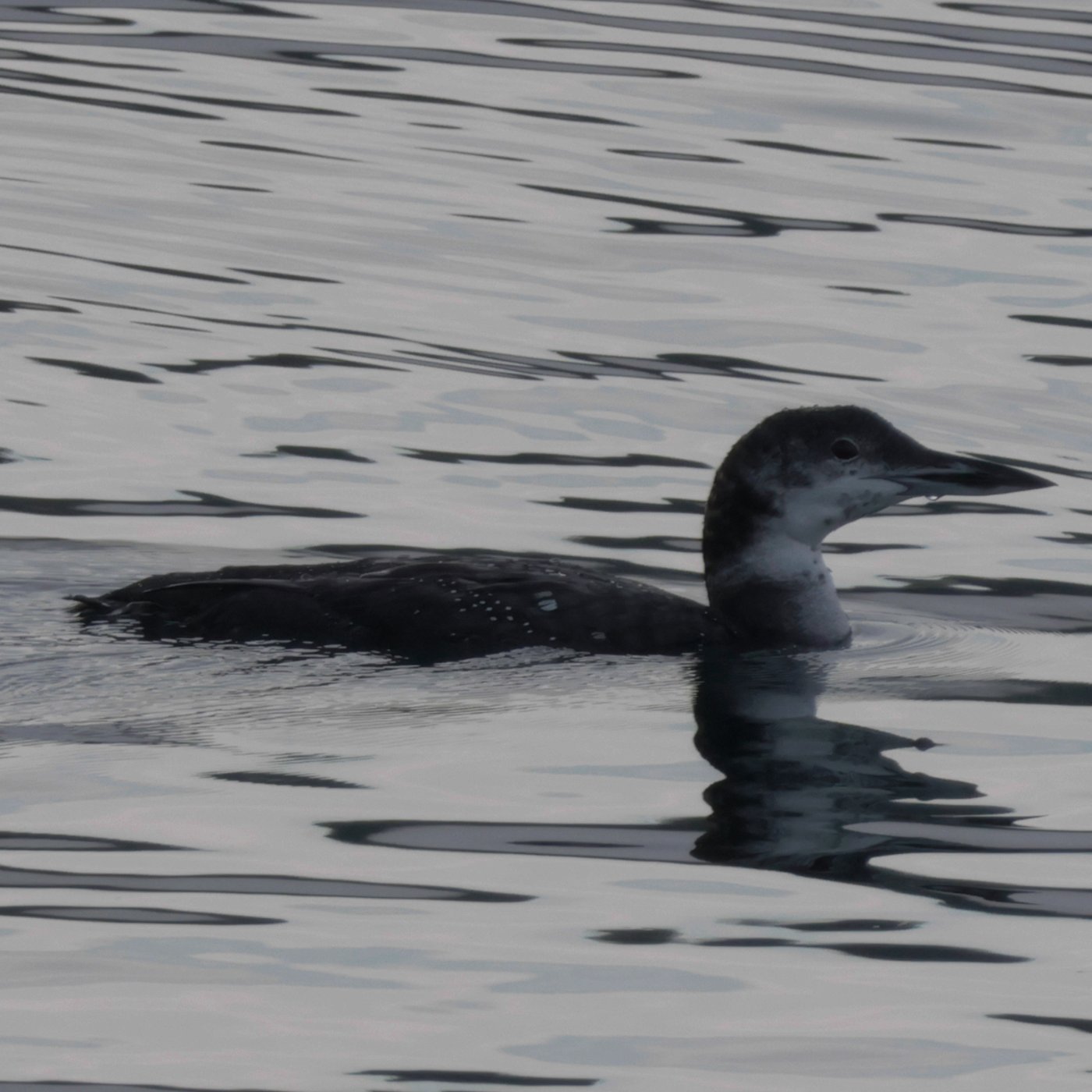
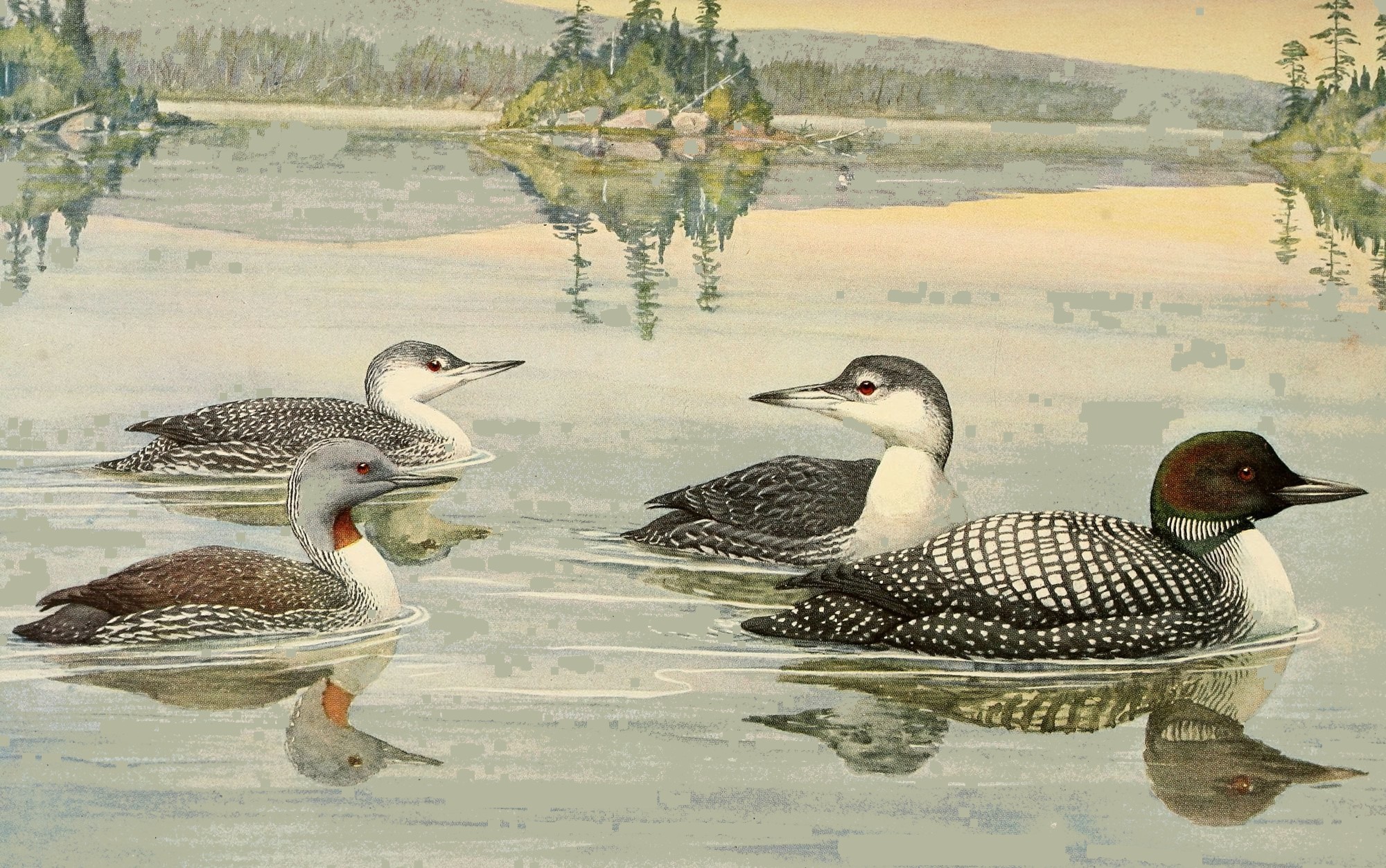
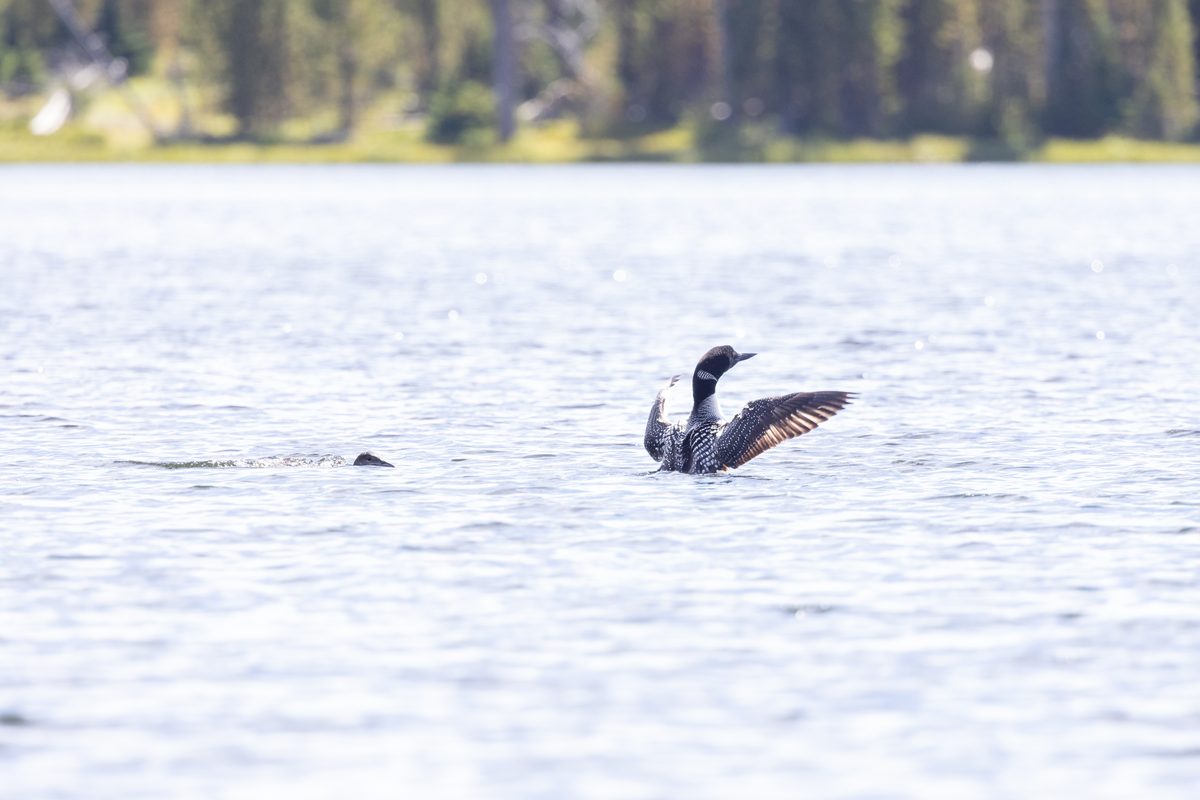
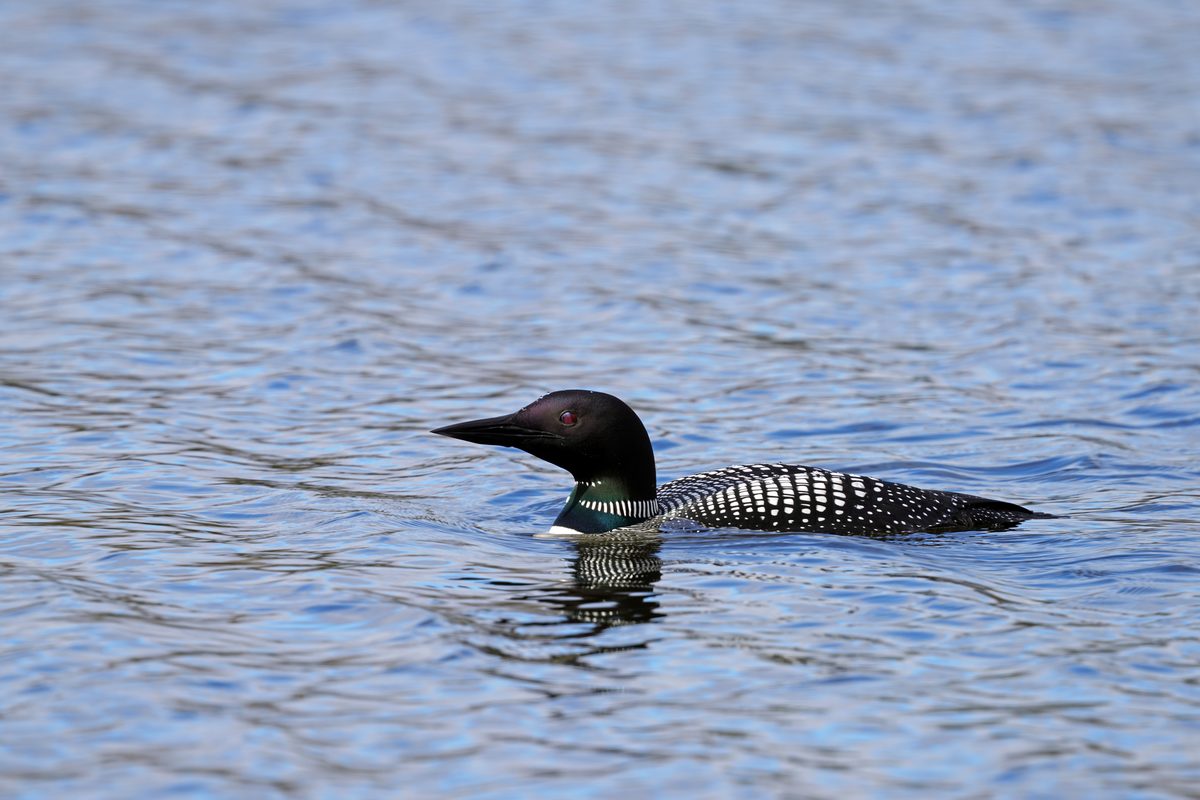
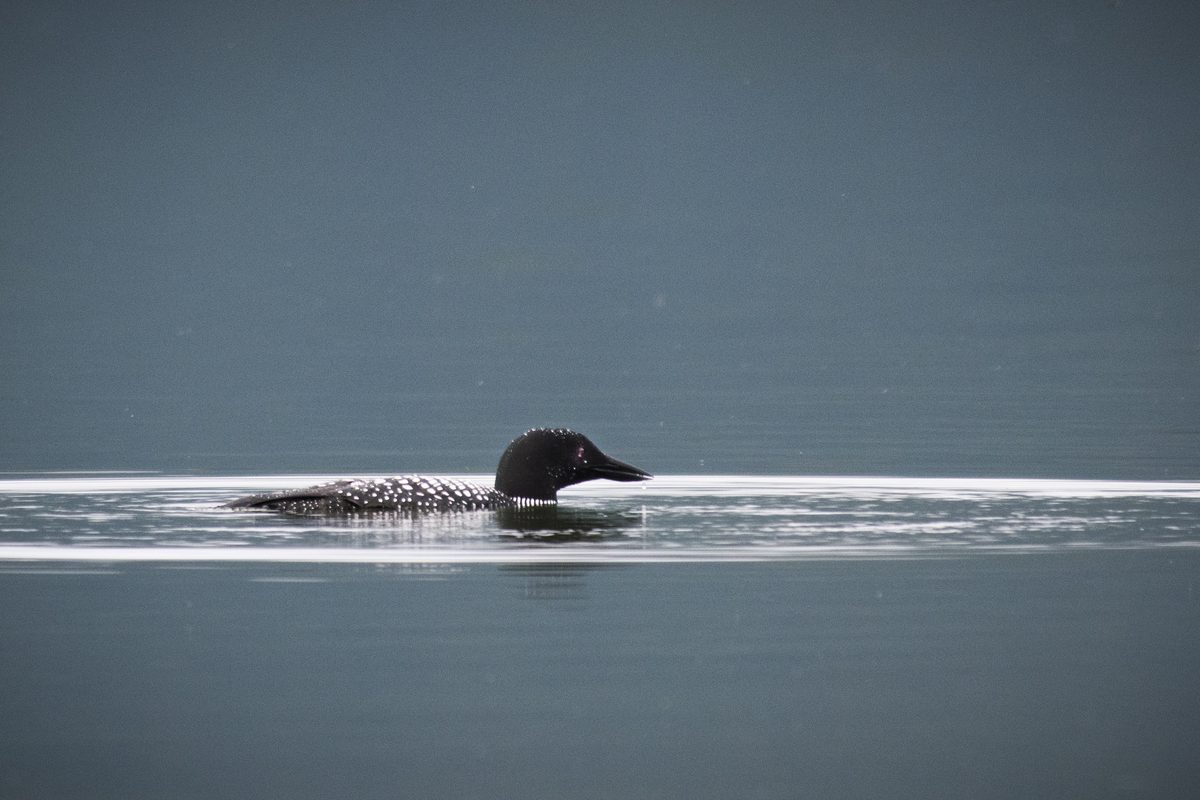
The common loon or great northern diver (Gavia immer) is a large member of the loon, or diver, family of birds. Breeding adults have a plumage that includes a broad black head and neck with a greenish, purplish, or bluish sheen, blackish or blackish-grey upperparts, and pure white underparts except some black on the undertail coverts and vent. Non-breeding adults are brownish with a dark neck and head marked with dark grey-brown.
Description: Wikipedia (CC BY-SA 4.0).
Where NHESP has recorded it
last recorded since 2001 last recorded earlier
- Becket 2024eBird: Berkshire County, 1 Nov 2026
- Haverhill 2024eBird: Essex County, 5 Nov 2026
- Lincoln 2024eBird: Middlesex County, 2 Nov 2026
- Washington 2024eBird: Berkshire County, 1 Nov 2026
- West Boylston 2024eBird: Worcester County, 5 Nov 2026
- Belchertown 2023eBird: Hampshire County, 5 Nov 2026
- Boylston 2023eBird: Worcester County, 5 Nov 2026
- Clinton 2023eBird: Worcester County, 5 Nov 2026
- Hardwick 2023eBird: Worcester County, 5 Nov 2026
- New Salem 2023eBird: Franklin County, 2 Nov 2026
- Petersham 2023eBird: Worcester County, 5 Nov 2026
- Shutesbury 2023eBird: Franklin County, 2 Nov 2026
- Sterling 2023eBird: Worcester County, 5 Nov 2026
- Pelham 2022eBird: Hampshire County, 5 Nov 2026
- Ashburnham 2021eBird: Worcester County, 5 Nov 2026
- Ashby 2021eBird: Middlesex County, 2 Nov 2026
- Hinsdale 2021eBird: Berkshire County, 1 Nov 2026
- Hopkinton 2021eBird: Middlesex County, 2 Nov 2026
- Hubbardston 2021eBird: Worcester County, 5 Nov 2026
- Leominster 2021eBird: Worcester County, 5 Nov 2026
- Ludlow 2021eBird: Hampden County, 31 Oct 2026
- Otis 2021eBird: Berkshire County, 1 Nov 2026
- Princeton 2021eBird: Worcester County, 5 Nov 2026
- Westminster 2021eBird: Worcester County, 5 Nov 2026
- Fall River 2020eBird: Bristol County, 5 Nov 2026
- Lakeville 2020eBird: Plymouth County, 5 Nov 2026
- Paxton 2018eBird: Worcester County, 5 Nov 2026
- Rutland 2016eBird: Worcester County, 5 Nov 2026
- Lee 2013eBird: Berkshire County, 1 Nov 2026
- Cohasset 1922eBird: Norfolk County, 5 Nov 2026
- Falmouth 1921eBird: Barnstable County, 5 Nov 2026
- Groton 1915eBird: Middlesex County, 2 Nov 2026
- Winchendon 1889eBird: Worcester County, 5 Nov 2026
- Boston 1824eBird: Suffolk County, 5 Nov 2026
- Plymouth 1815eBird: Plymouth County, 5 Nov 2026
- Springfield CIRCA-1864eBird: Hampden County, 31 Oct 2026
Town-level documented observations from NHESP’s Rare Species Viewer, read 4 November 2026; the year is the last documented record, as NHESP prints it, not evidence of absence. NHESP does not publish locations. The list shows NHESP’s documented record (year) and, for birds, birders’ reports to eBird in the last 30 days by county.
Reported to eBird in the last 30 days: Barnstable, Berkshire, Bristol, Dukes, Essex, Franklin, Hampden, Hampshire, Middlesex, Nantucket, Norfolk, Plymouth, Suffolk, Worcester
eBird reports are birders’ sightings, not the state’s record. eBird hides the locations of sensitive species, so a county is the finest level shown here and a species can be missing for that reason. Source: eBird, Cornell Lab of Ornithology, reports of the last 30 days as of 6 November 2026.
More about this species
Population
One breeding pair was on record in 1975; that figure rose to 56 pairs by 2024. Nest monitoring and floating nest platforms are credited with supporting the increase.
2024. Source: Massachusetts state rare-species fact sheet, Common Loon (published April 2025).
In Massachusetts
Loons pass through the state during migration and visit larger ponds and reservoirs inland throughout the season. Nesting takes place on water bodies in central and western portions of the state; birds on the Cape use tidal embayments and open salt water during the non-breeding months.
Source: Massachusetts state rare-species fact sheet, Common Loon (published April 2025).
Threats
Ingesting lead fishing weights is the top documented cause of adult death. Additional pressures include acidified water, agricultural chemicals, construction along shores, watercraft disturbance, managed water levels that drown nest attempts, changing climate, offshore spills, and accumulated synthetic debris.
Source: Massachusetts state rare-species fact sheet, Common Loon (published April 2025).
Protections
Classified Special Concern under state law, shielded federally through the Migratory Bird Treaty Act, and ranked among the state's priority wildlife for conservation planning.
Source: Massachusetts state rare-species fact sheet, Common Loon (published April 2025).
One fact
Diving records show loons reaching depths of 200 feet beneath the surface.
Source: Massachusetts state rare-species fact sheet, Common Loon (published April 2025).
State list: 321 CMR 10.90, as of 16 August 2024. Rare species of Massachusetts · Trees of Massachusetts