Rare species of Massachusetts · Birds
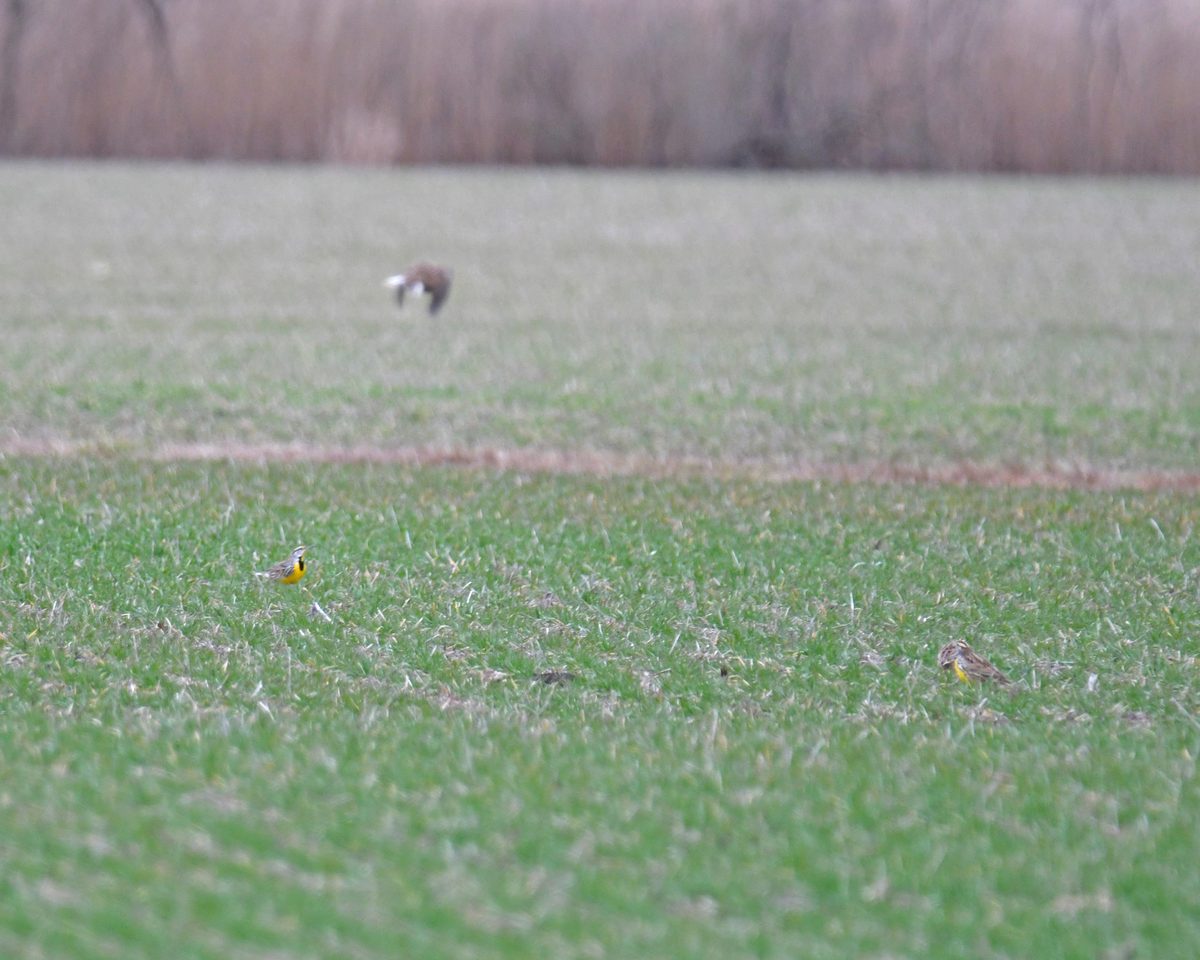
Eastern Meadowlark
Status Special Concern · Group Birds · Recorded in 33 towns, 33 since 2001 · State sightings records: most recent 2024 · eBird reported in 12 of 14 counties in the last 30 days, latest 5 November 2026 (birders’ reports, eBird, Cornell Lab of Ornithology; as of 6 November 2026)
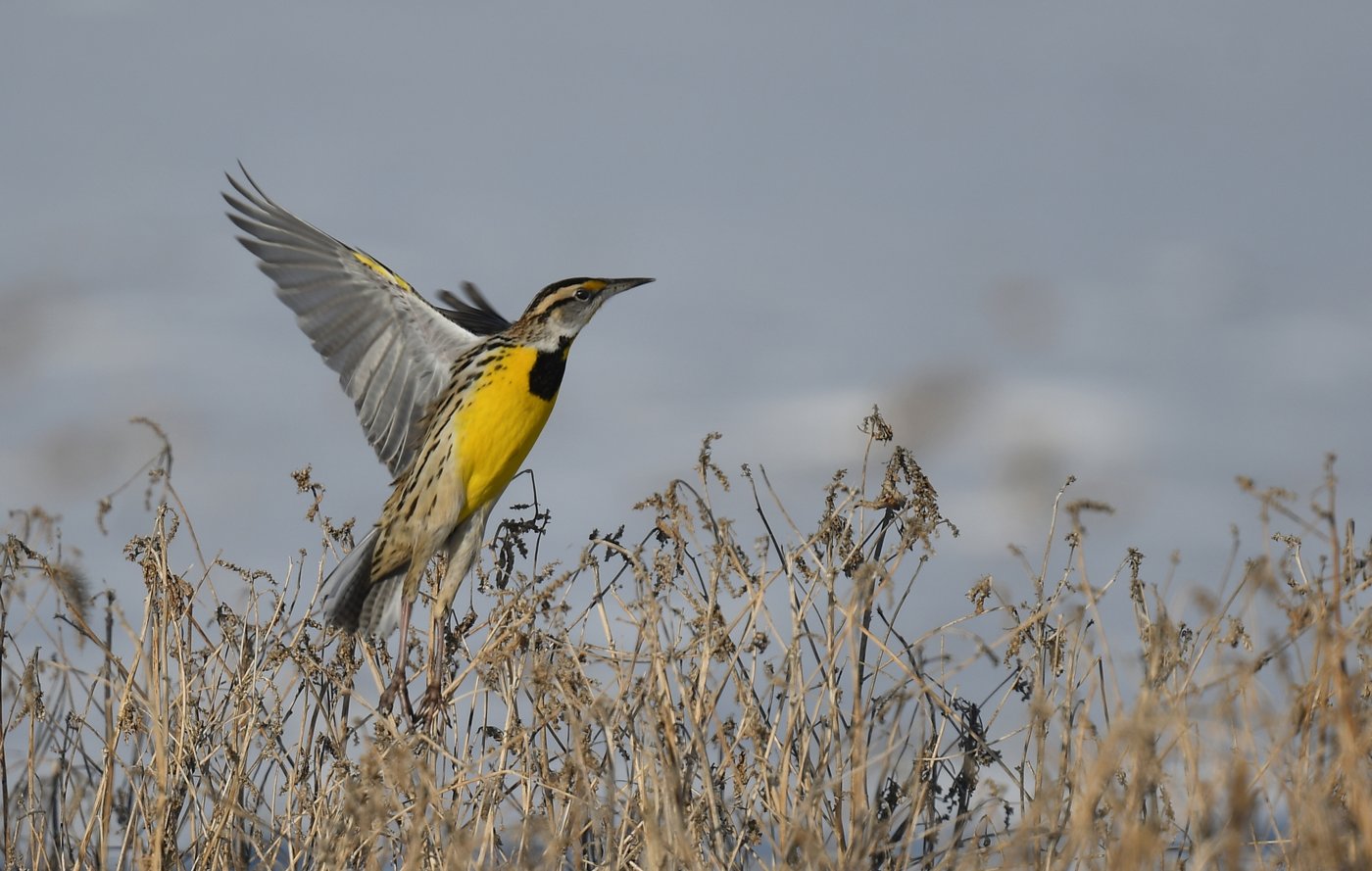
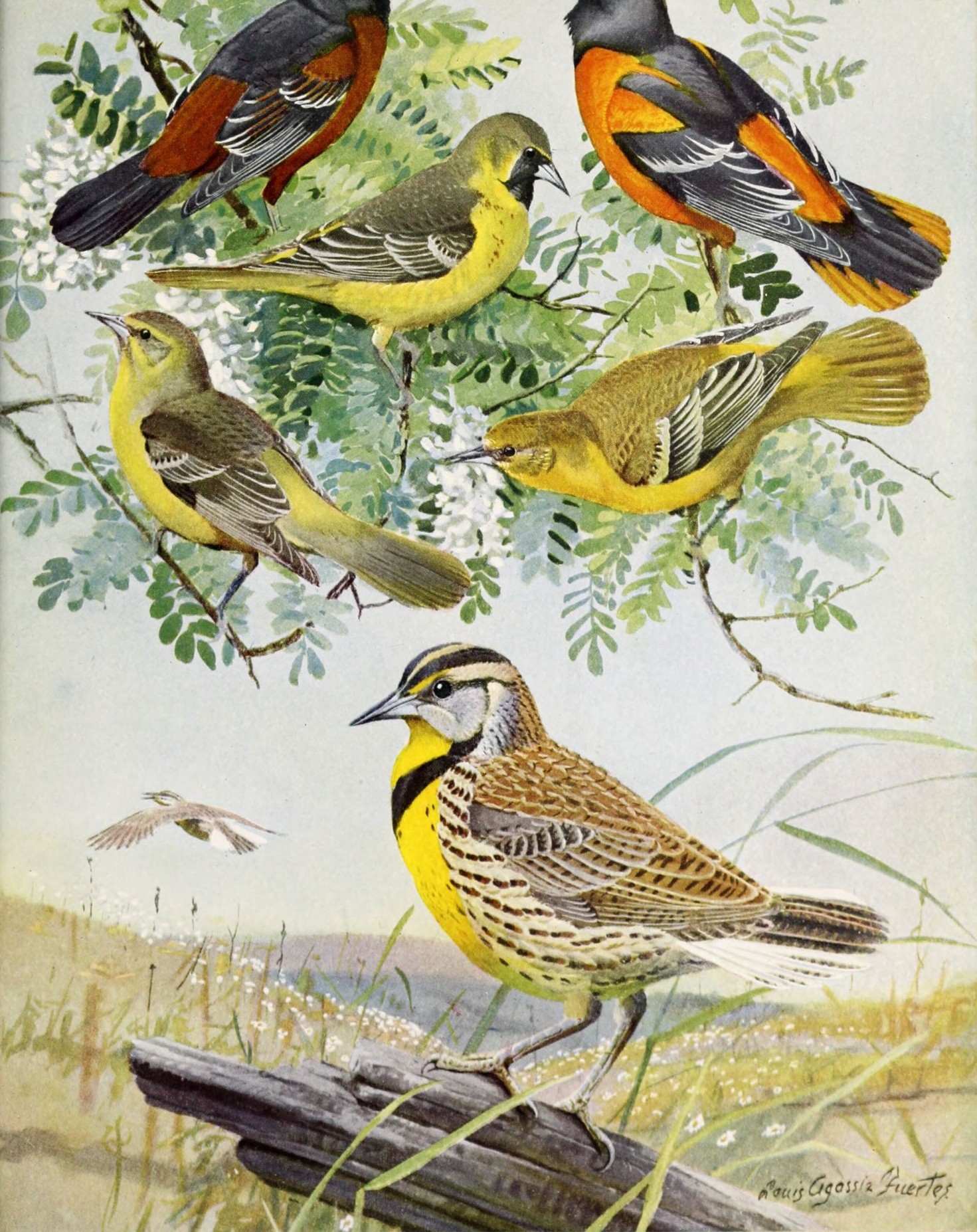
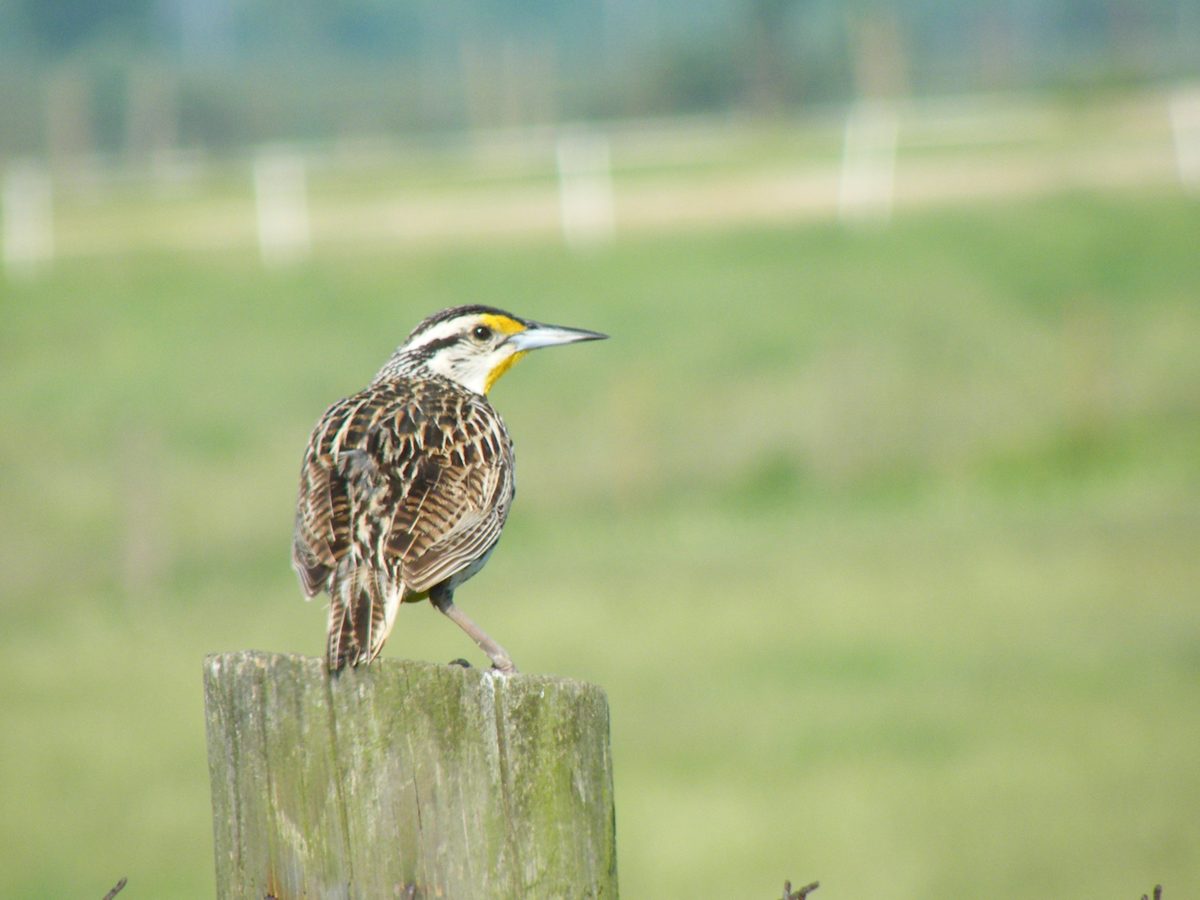
The eastern meadowlark (Sturnella magna) is a medium-sized icterid bird, very similar in appearance to its sister species, the western meadowlark. It occurs from eastern North America to northern South America, where it is also most widespread in the east. The Chihuahuan meadowlark was formerly considered to be conspecific with the eastern meadowlark.
Description: Wikipedia (CC BY-SA 4.0).
Where NHESP has recorded it
last recorded since 2001 last recorded earlier
- Falmouth 2024eBird: Barnstable County, 5 Nov 2026
- Hadley 2024eBird: Hampshire County, 18 Oct 2026
- Holden 2024eBird: Worcester County, 3 Nov 2026
- Hardwick 2023eBird: Worcester County, 3 Nov 2026
- Clinton 2022eBird: Worcester County, 3 Nov 2026
- Sterling 2022eBird: Worcester County, 3 Nov 2026
- West Boylston 2022eBird: Worcester County, 3 Nov 2026
- Essex 2020eBird: Essex County, 5 Nov 2026
- Mashpee 2020eBird: Barnstable County, 5 Nov 2026
- Northampton 2020eBird: Hampshire County, 18 Oct 2026
- Sandwich 2020eBird: Barnstable County, 5 Nov 2026
- Easthampton 2018eBird: Hampshire County, 18 Oct 2026
- Adams 2017eBird: Berkshire County, 15 Oct 2026
- Amesbury 2017eBird: Essex County, 5 Nov 2026
- Bourne 2017eBird: Barnstable County, 5 Nov 2026
- Boxborough 2017eBird: Middlesex County, 1 Nov 2026
- Carver 2017eBird: Plymouth County, 3 Nov 2026
- Chicopee 2017eBird: Hampden County, 10 Oct 2026
- Ipswich 2017eBird: Essex County, 5 Nov 2026
- Pittsfield 2017eBird: Berkshire County, 15 Oct 2026
- Ayer 2015eBird: Middlesex County, 1 Nov 2026
- Bedford 2015eBird: Middlesex County, 1 Nov 2026
- Bolton 2015eBird: Worcester County, 3 Nov 2026
- Boston 2015eBird: Suffolk County, 10 Oct 2026
- Concord 2015eBird: Middlesex County, 1 Nov 2026
- Lancaster 2015eBird: Worcester County, 3 Nov 2026
- Ludlow 2015eBird: Hampden County, 10 Oct 2026
- Leicester 2014eBird: Worcester County, 3 Nov 2026
- Plymouth 2014eBird: Plymouth County, 3 Nov 2026
- Rockland 2014eBird: Plymouth County, 3 Nov 2026
- Southwick 2014eBird: Hampden County, 10 Oct 2026
- Westfield 2014eBird: Hampden County, 10 Oct 2026
- Worcester 2014eBird: Worcester County, 3 Nov 2026
Town-level documented observations from NHESP’s Rare Species Viewer, read 4 November 2026; the year is the last documented record, as NHESP prints it, not evidence of absence. NHESP does not publish locations. The list shows NHESP’s documented record (year) and, for birds, birders’ reports to eBird in the last 30 days by county.
Reported to eBird in the last 30 days: Barnstable, Berkshire, Bristol, Dukes, Essex, Hampden, Hampshire, Middlesex, Norfolk, Plymouth, Suffolk, Worcester
eBird reports are birders’ sightings, not the state’s record. eBird hides the locations of sensitive species, so a county is the finest level shown here and a species can be missing for that reason. Source: eBird, Cornell Lab of Ornithology, reports of the last 30 days as of 6 November 2026.
More about this species
Population
Breeding Bird Survey data show an average annual drop of 3.3% between 1966 and 2015, and no U.S. state has recorded a statistically significant upward trend. The bird is thinly spread across Massachusetts, and areas where it breeds successfully have become increasingly difficult to find.
1966-2015, Breeding Bird Survey. Source: Massachusetts state rare-species fact sheet, Eastern Meadowlark (published April 2025).
In Massachusetts
The meadowlark is scattered across the state at low density, and occupied nesting areas have grown scarcer over time. Available records do not include a county or regional geographic breakdown.
Source: Massachusetts state rare-species fact sheet, Eastern Meadowlark (published April 2025).
Threats
Loss of nesting ground to suburban development, vegetative succession, and farming practices that do not accommodate ground-nesting birds is the principal pressure. Haying fields before nesting ends in the season causes near-total loss of eggs and chicks. Additional factors include starvation during harsh winters, glass-strike deaths, and cat predation.
Source: Massachusetts state rare-species fact sheet, Eastern Meadowlark (published April 2025).
Protections
The eastern meadowlark is listed as Special Concern in Massachusetts and designated among the state's priority wildlife requiring the greatest conservation attention.
Source: Massachusetts state rare-species fact sheet, Eastern Meadowlark (published April 2025).
One fact
Some males maintain breeding ties with two or more females simultaneously within their territory.
Source: Massachusetts state rare-species fact sheet, Eastern Meadowlark (published April 2025).
State list: 321 CMR 10.90, as of 16 August 2024. Rare species of Massachusetts · Trees of Massachusetts