Rare species of Massachusetts · Mammals
Tricolored Bat
Status Endangered · Group Mammals · Recorded in 20 towns, 20 since 2001 · State sightings records: most recent 2025
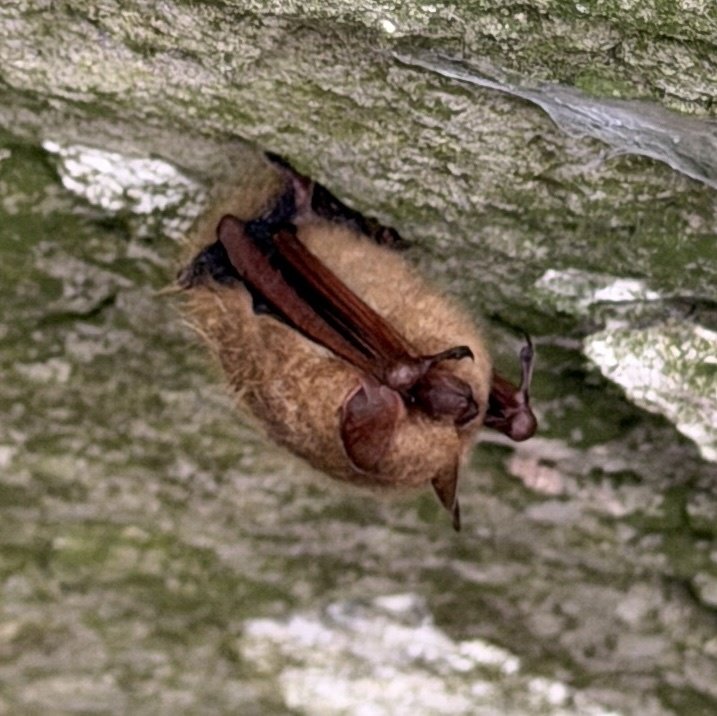
The tricolored bat (Perimyotis subflavus) or American perimyotis is a species of microbat native to eastern North America. Formerly known as the eastern pipistrelle, based on the incorrect belief that it was closely related to European Pipistrellus species, the closest known relative of the tricolored bat is now recognized as the canyon bat. Its common name "tricolored bat" derives from the coloration of the hairs on its back, which have three distinct color bands.
Description: Wikipedia (CC BY-SA 4.0).
Where NHESP has recorded it
last recorded since 2001 last recorded earlier
- Hingham 2025
- Hull 2025
- New Ashford 2025
- Quincy 2024
- West Tisbury 2024
- West Stockbridge 2023
- Lanesborough 2022
- Sturbridge 2022
- Cheshire 2020
- Chester 2020
- Charlemont 2019
- New Marlborough 2019
- Rowe 2019
- Egremont 2016
- North Adams 2016
- Sheffield 2016
- Upton 2015
- Needham 2011
- Wellesley 2011
- Sherborn 2006
Town-level documented observations from NHESP’s Rare Species Viewer, read 4 November 2026; the year is the last documented record, as NHESP prints it, not evidence of absence. NHESP does not publish locations.
More about this species
In Massachusetts
Thought to range statewide, with confirmed records from 29 municipalities across nine counties. Before the arrival of disease, it was once ranked third in cave-bat abundance in the state, though it was never plentiful.
Source: Massachusetts state rare-species fact sheet, Tricolored Bat (undated).
Threats
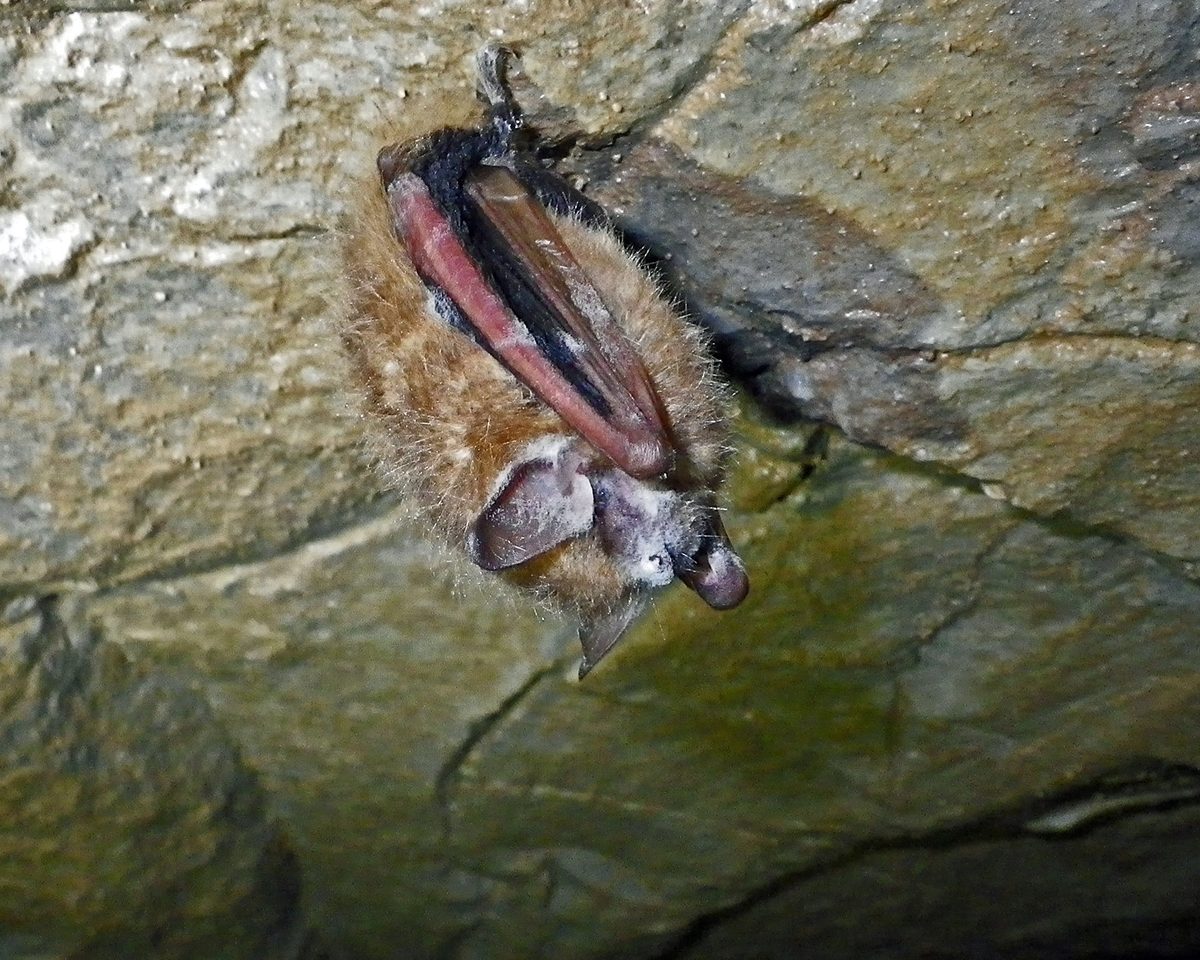
The bat-killing fungal disease known as white-nose syndrome appeared in the state during winter 2007–2008. Northeastern roosts recorded mortality exceeding 90% on average; federal monitoring indicates that hibernating colonies at compromised sites have contracted by 90–100%.
Source: U.S. Fish and Wildlife Service, Tricolored Bat; Massachusetts state rare-species fact sheet, Tricolored Bat (undated).
Protections
Endangered under state law. A federal proposed rule to extend Endangered status was published at 87 Fed. Reg. 56381 on September 14, 2022; no final rule had been issued by November 2026.
Source: U.S. Fish and Wildlife Service, Tricolored Bat; Federal Register, Endangered Species Status for Tricolored Bat, 87 FR 56381 (Sept. 14, 2022); Massachusetts state rare-species fact sheet, Tricolored Bat (undated).
One fact
Cave-use surveys conducted before the disease outbreak of 2007–2008 placed this bat third in abundance among cave-dwelling species in the state.
Source: Massachusetts state rare-species fact sheet, Tricolored Bat (undated).
Related species
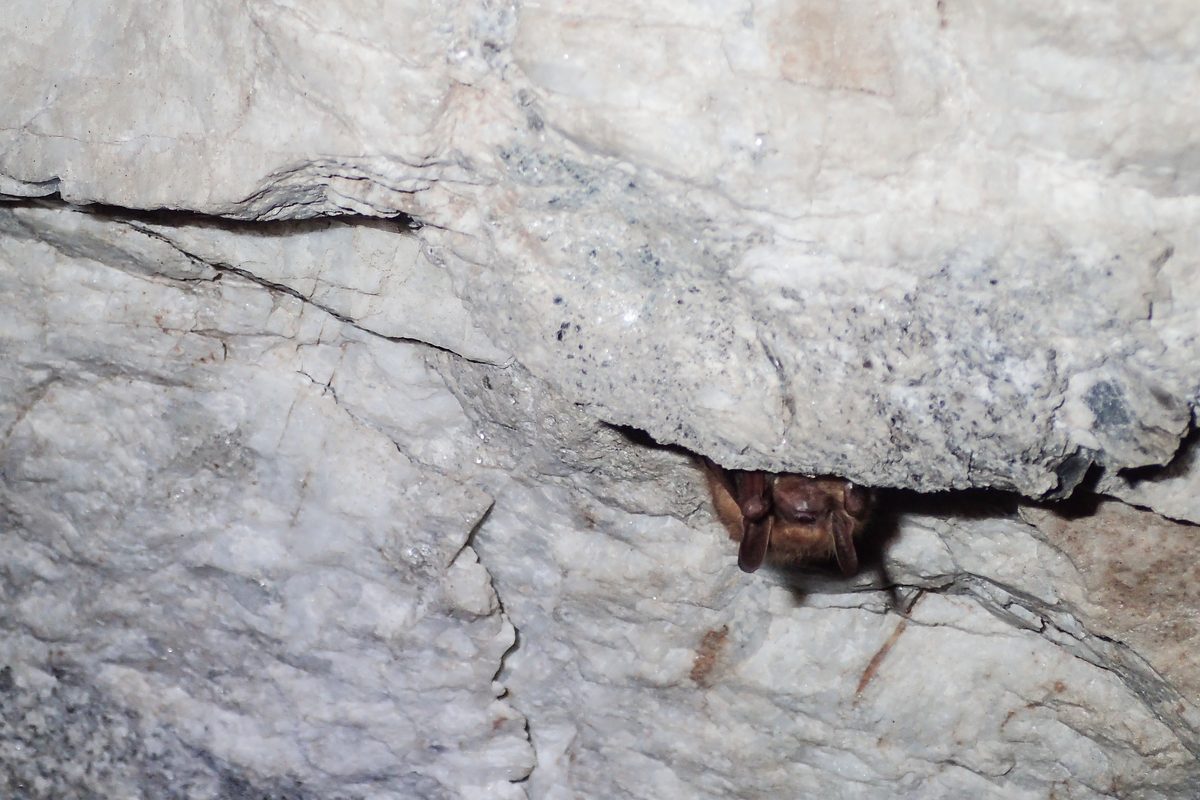
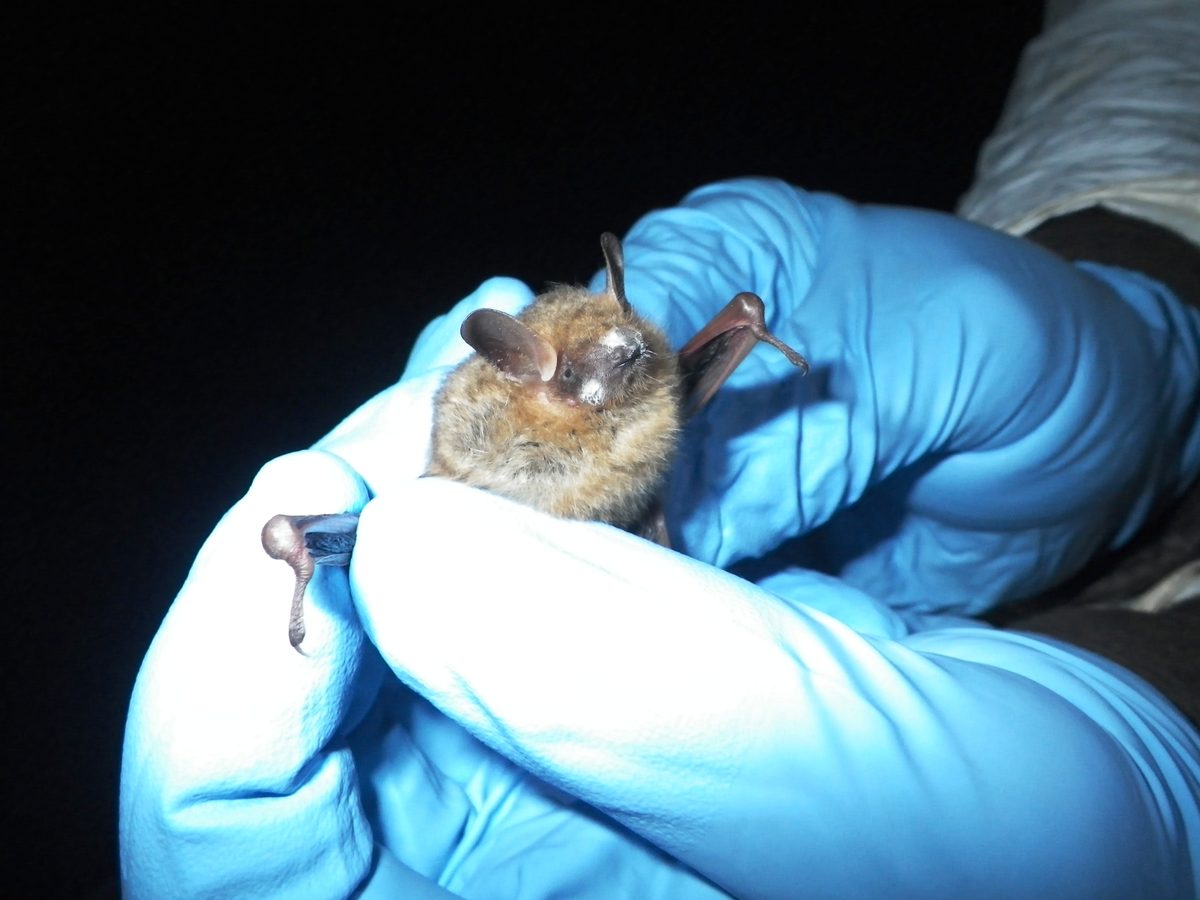
Bats on the state list:
State list: 321 CMR 10.90, as of 16 August 2024. Rare species of Massachusetts · Trees of Massachusetts