Rare species of Massachusetts · Mammals
Northern Long-eared Bat
Status Endangered · Federal status Federally Endangered · Group Mammals · Recorded in 30 towns, 24 since 2001 · State sightings records: most recent 2025
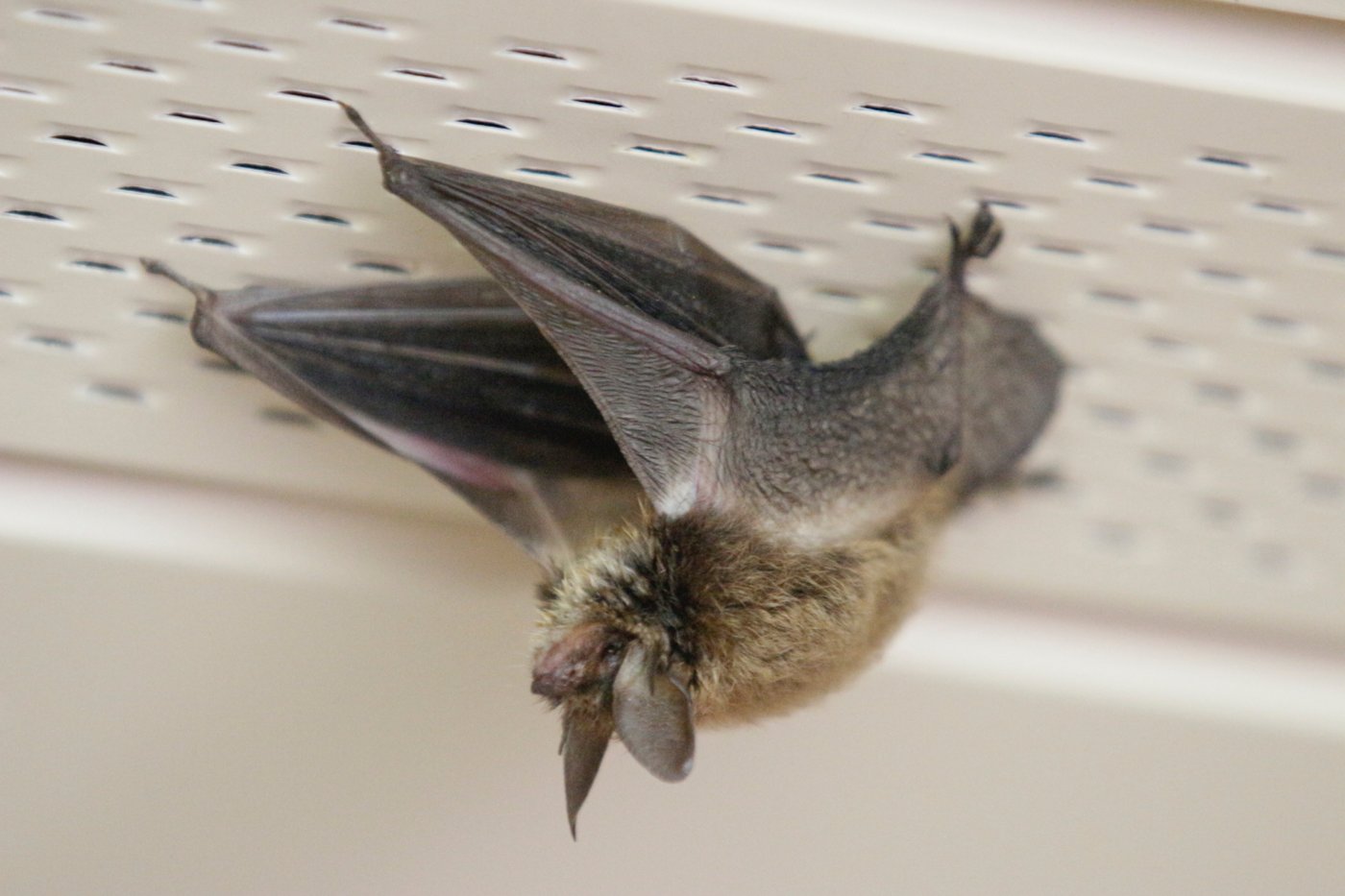
Myotis septentrionalis, known as the northern long-eared bat or northern myotis, is a species of bat native to North America. There are no recognized subspecies. The northern long-eared bat is about 3–3.7 inches in length, with a wingspan of 9–10 inches.
Description: Wikipedia (CC BY-SA 4.0).
Where NHESP has recorded it
last recorded since 2001 last recorded earlier
- Nantucket 2025
- Brewster 2024
- Hingham 2024
- Ipswich 2024
- West Tisbury 2022
- Edgartown 2021
- Chilmark 2020
- Lynnfield 2019
- Oak Bluffs 2019
- Reading 2019
- Tisbury 2019
- Barnstable 2018
- Mashpee 2016
- Sandwich 2016
- Eastham 2015
- Aquinnah 2014
- Charlemont 2014
- Needham 2011
- Wellesley 2011
- Rowley 2010
- Chester 2009
- Rowe 2009
- Egremont 2005
- Cheshire 2001
- Adams 2000
- New Marlborough 2000
- Sturbridge 2000
- West Stockbridge 2000
- North Adams 1997
- Pepperell 1997
Town-level documented observations from NHESP’s Rare Species Viewer, read 4 November 2026; the year is the last documented record, as NHESP prints it, not evidence of absence. NHESP does not publish locations.
More about this species
In Massachusetts
Records from 1999 through 2024 place this bat in 99 municipalities across 11 counties; it is considered a statewide resident. Roosting habitat during summer is not regarded as a limiting factor.
Source: Massachusetts state rare-species fact sheet, Northern Long-eared Bat (undated).
Threats
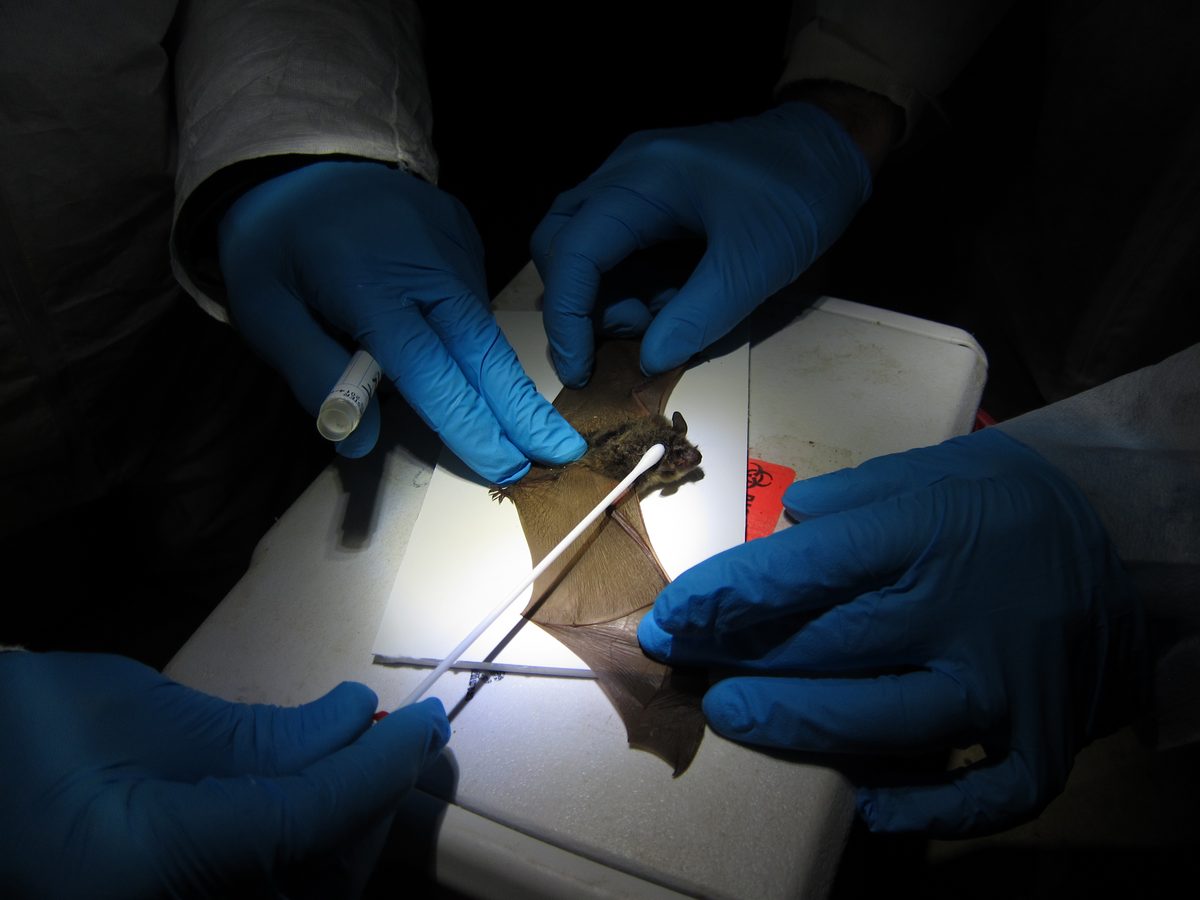
White-nose syndrome has devastated wintering colonies, with northeastern sites losing 90–100% of occupants. Federal surveys document declines of 97–100% in hibernaculum counts across the range; wind turbines and loss of winter and summer habitat are listed as supplementary threats.
Source: U.S. Fish and Wildlife Service, Northern Long-eared Bat; Massachusetts state rare-species fact sheet, Northern Long-eared Bat (undated).
Protections
Classified Endangered at the state level and under federal law. A final federal rule issued in 2022 elevated the species from threatened to endangered. Both state and federal listing bar lethal take, collection, possession, and sale.
Source: U.S. Fish and Wildlife Service, Northern Long-eared Bat; Massachusetts state rare-species fact sheet, Northern Long-eared Bat (undated).
One fact
Federal surveys show that counts of this bat at winter roost sites have dropped 97–100% across its range. White-nose syndrome, a fungal disease identified in a New York cave in 2006, is the principal cause.
Source: U.S. Fish and Wildlife Service, Northern Long-eared Bat.
Related species
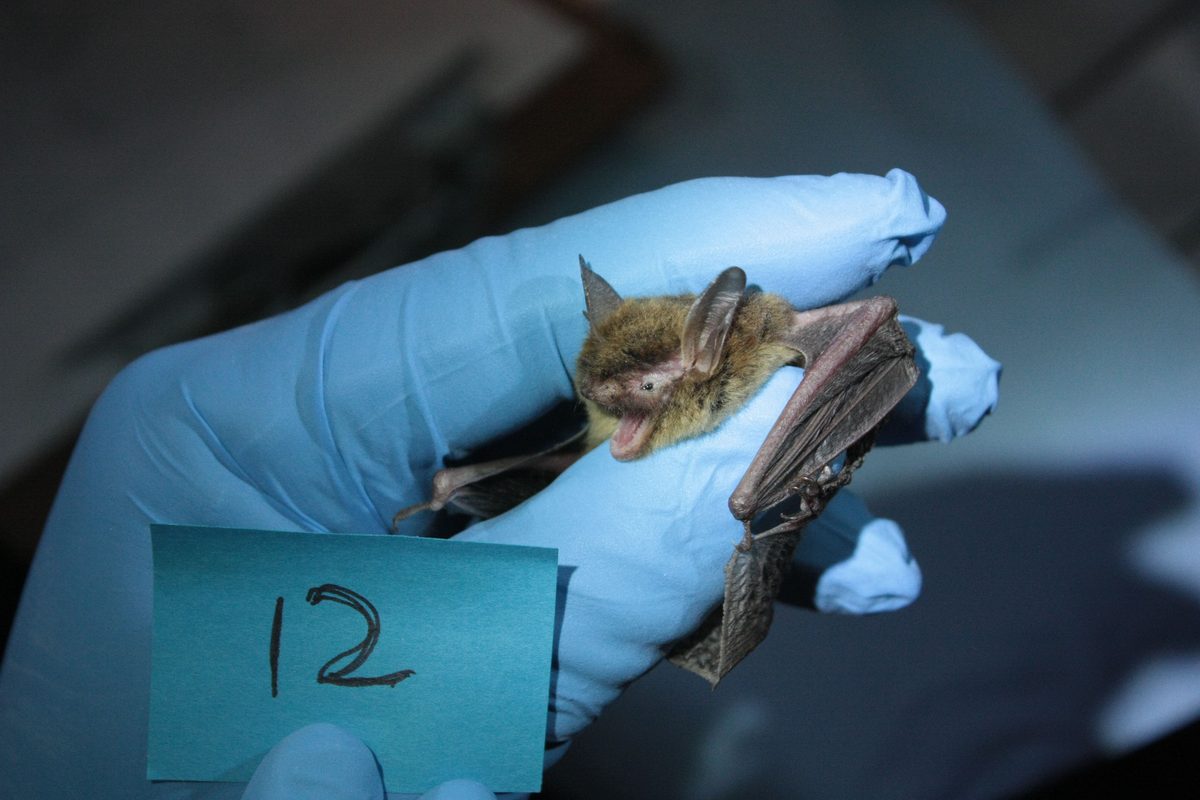
Bats on the state list:

State list: 321 CMR 10.90, as of 16 August 2024. Rare species of Massachusetts · Trees of Massachusetts