Rare species of Massachusetts · Birds
Piping Plover
Status Threatened · Federal status Federally Threatened · Group Birds · Recorded in 49 towns, 49 since 2001 · State sightings records: most recent 2026 · eBird reported in 3 of 14 counties in the last 30 days, latest 23 October 2026 (birders’ reports, eBird, Cornell Lab of Ornithology; as of 6 November 2026)
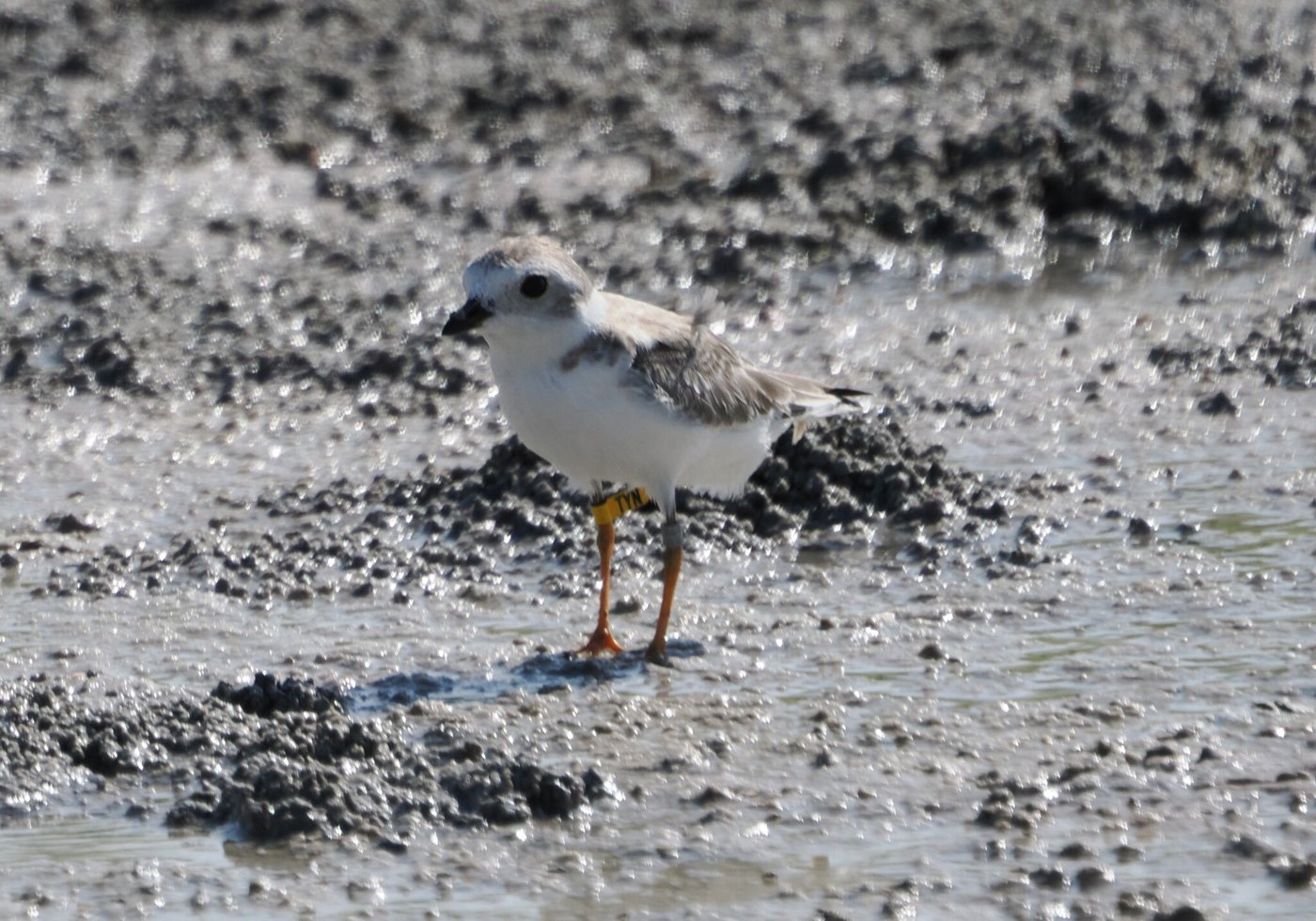
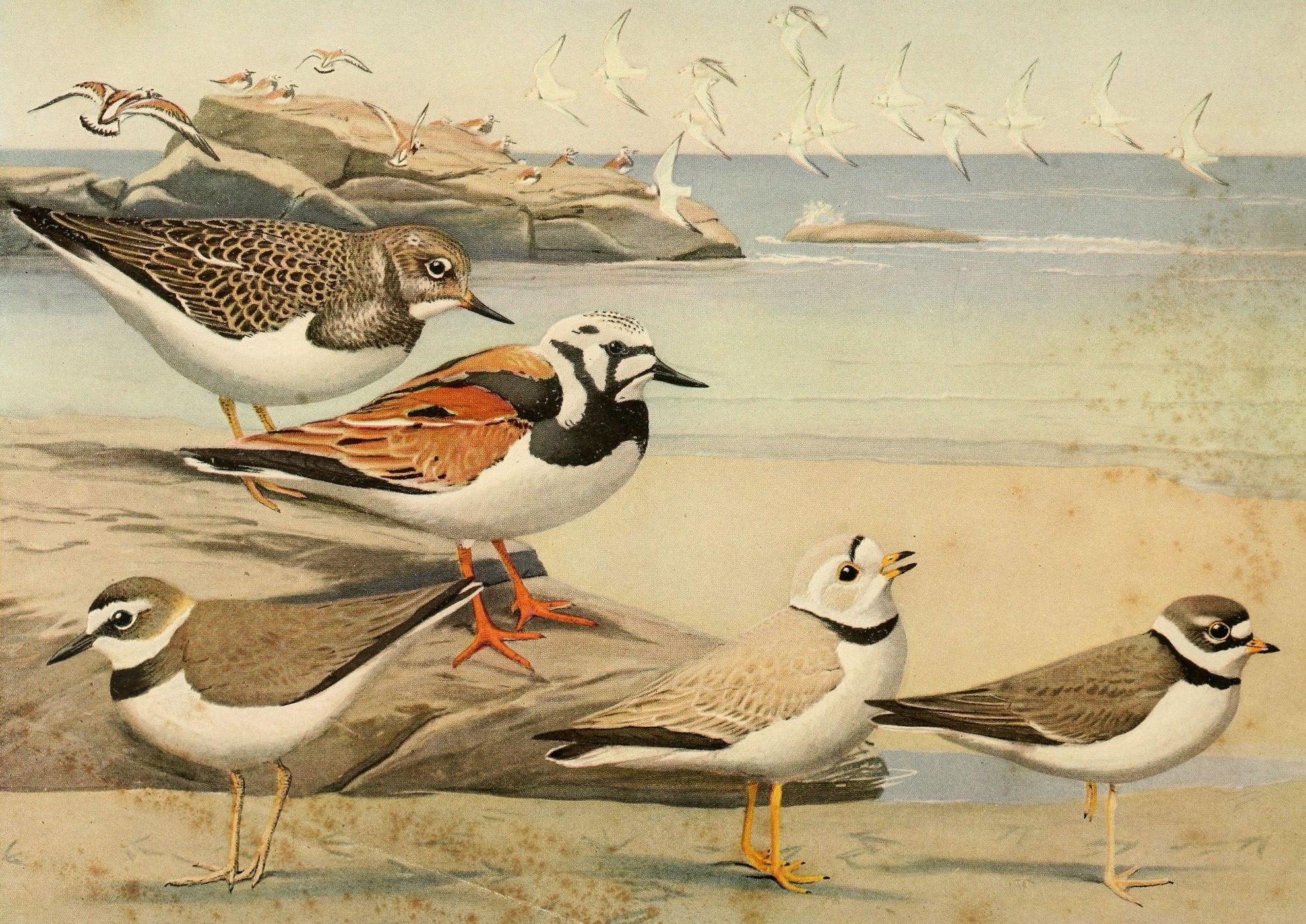
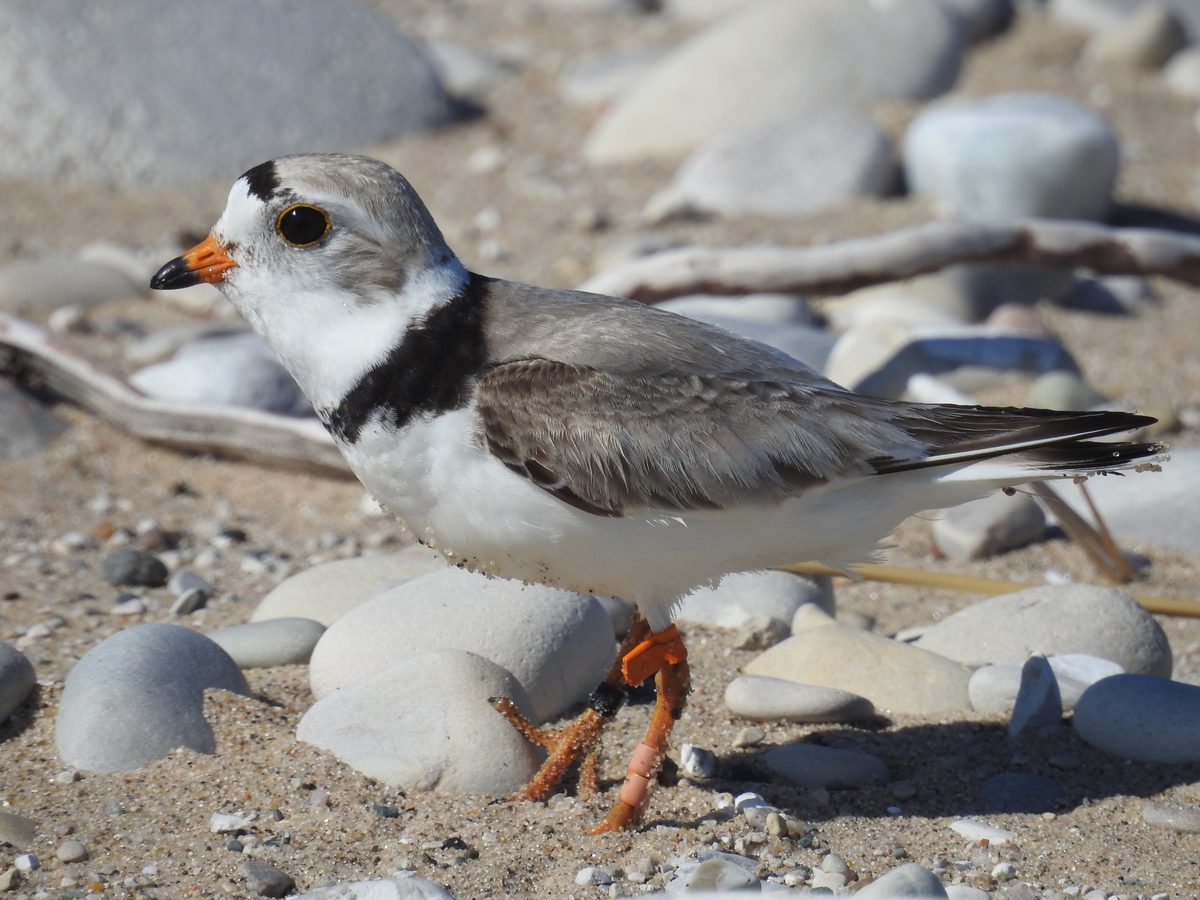
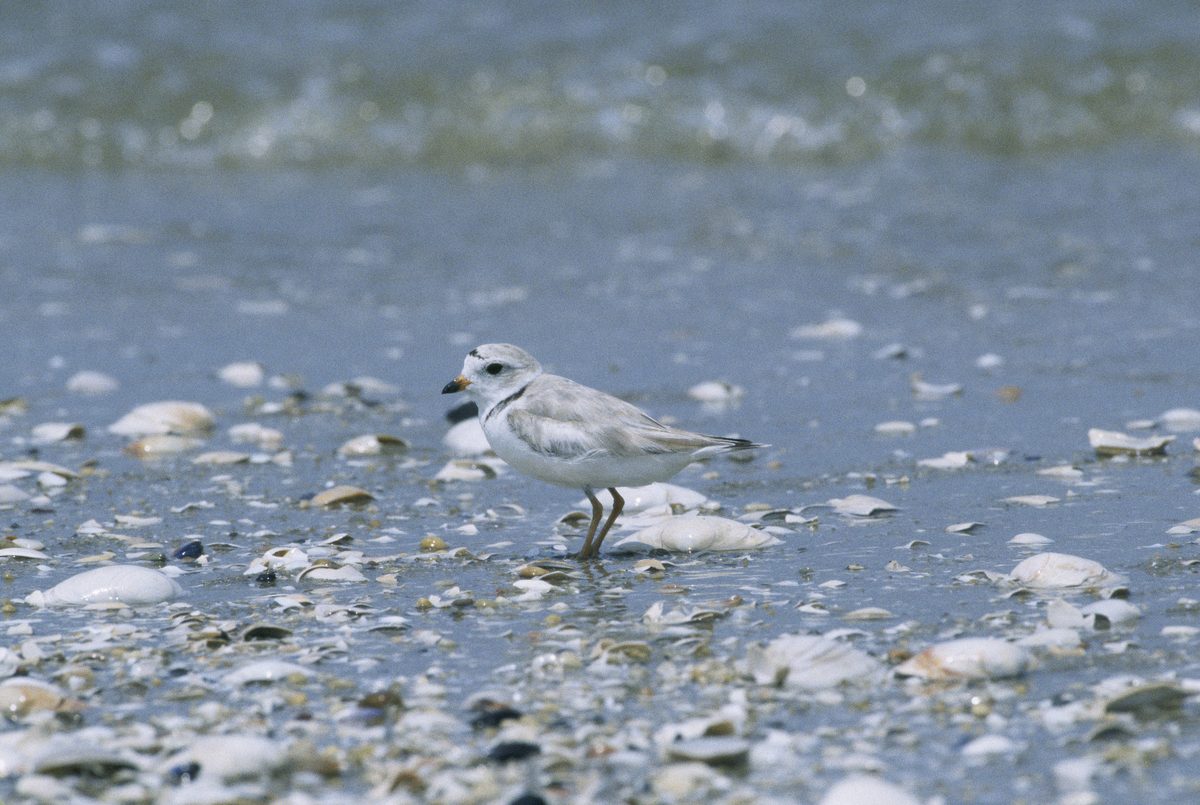
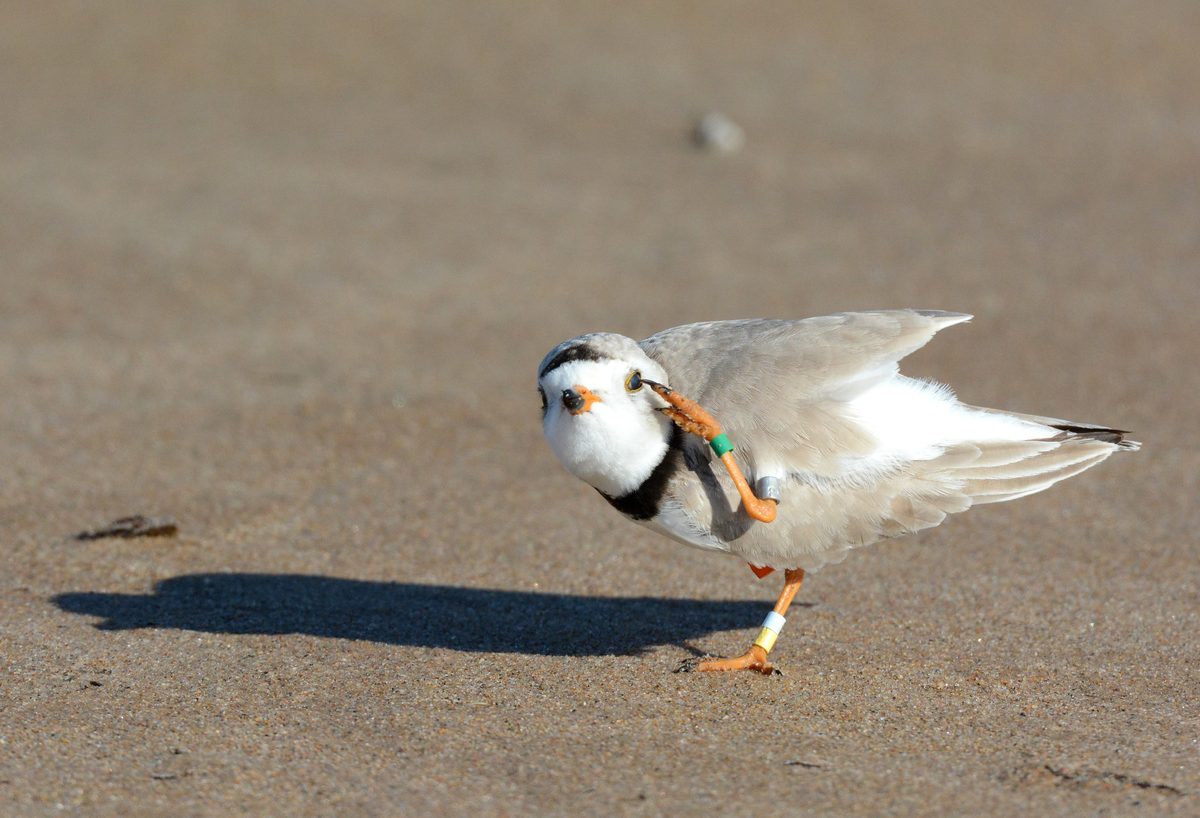
The piping plover (Charadrius melodus) is a small, sand-colored shorebird that nests and feeds along coastal sand and gravel beaches in North America. The adult has yellow-orange-red legs, a black band across the forehead from eye to eye, and a black stripe running along the breast line. This chest band is usually thicker in males during the breeding season, and it is the only reliable way to tell the sexes apart.
Description: Wikipedia (CC BY-SA 4.0).
Where NHESP has recorded it
last recorded since 2001 last recorded earlier
- Fairhaven 2026
- Quincy 2026
- Barnstable 2025eBird: Barnstable County, 23 Oct 2026
- Boston 2025
- Chatham 2025eBird: Barnstable County, 23 Oct 2026
- Dartmouth 2025
- Duxbury 2025eBird: Plymouth County, 14 Oct 2026
- Falmouth 2025eBird: Barnstable County, 23 Oct 2026
- Gosnold 2025eBird: Dukes County, 12 Oct 2026
- Marion 2025eBird: Plymouth County, 14 Oct 2026
- Nantucket 2025
- Oak Bluffs 2025eBird: Dukes County, 12 Oct 2026
- Wellfleet 2025eBird: Barnstable County, 23 Oct 2026
- Yarmouth 2025eBird: Barnstable County, 23 Oct 2026
- Aquinnah 2024eBird: Dukes County, 12 Oct 2026
- Beverly 2024
- Bourne 2024eBird: Barnstable County, 23 Oct 2026
- Brewster 2024eBird: Barnstable County, 23 Oct 2026
- Chilmark 2024eBird: Dukes County, 12 Oct 2026
- Cohasset 2024
- Dennis 2024eBird: Barnstable County, 23 Oct 2026
- Eastham 2024eBird: Barnstable County, 23 Oct 2026
- Edgartown 2024eBird: Dukes County, 12 Oct 2026
- Gloucester 2024
- Harwich 2024eBird: Barnstable County, 23 Oct 2026
- Hull 2024eBird: Plymouth County, 14 Oct 2026
- Ipswich 2024
- Marshfield 2024eBird: Plymouth County, 14 Oct 2026
- Mashpee 2024eBird: Barnstable County, 23 Oct 2026
- Mattapoisett 2024eBird: Plymouth County, 14 Oct 2026
- Nahant 2024
- New Bedford 2024
- Newbury 2024
- Newburyport 2024
- Orleans 2024eBird: Barnstable County, 23 Oct 2026
- Plymouth 2024eBird: Plymouth County, 14 Oct 2026
- Provincetown 2024eBird: Barnstable County, 23 Oct 2026
- Revere 2024
- Rowley 2024
- Salisbury 2024
- Sandwich 2024eBird: Barnstable County, 23 Oct 2026
- Scituate 2024eBird: Plymouth County, 14 Oct 2026
- Tisbury 2024eBird: Dukes County, 12 Oct 2026
- Truro 2024eBird: Barnstable County, 23 Oct 2026
- Wareham 2024eBird: Plymouth County, 14 Oct 2026
- West Tisbury 2024eBird: Dukes County, 12 Oct 2026
- Westport 2024
- Winthrop 2024
- Rockport 2022
Town-level documented observations from NHESP’s Rare Species Viewer, read 4 November 2026; the year is the last documented record, as NHESP prints it, not evidence of absence. NHESP does not publish locations. The list shows NHESP’s documented record (year) and, for birds, birders’ reports to eBird in the last 30 days by county.
Reported to eBird in the last 30 days: Barnstable, Dukes, Plymouth
eBird reports are birders’ sightings, not the state’s record. eBird hides the locations of sensitive species, so a county is the finest level shown here and a species can be missing for that reason. Source: eBird, Cornell Lab of Ornithology, reports of the last 30 days as of 6 November 2026.
More about this species
In Massachusetts
About 1,193 nesting pairs were tallied at approximately 220 sites across Massachusetts during 2024, representing the highest recorded breeding total on the Atlantic Coast. Pair totals have climbed nearly tenfold since the bird was placed on the federal list.
Source: Massachusetts state rare-species fact sheet, Piping Plover (undated).
Threats
Pressures include coastal habitat loss, beach raking, human foot traffic, unleashed dogs, off-road vehicles, and predation from coyotes, crows and gulls. Additional concerns are rising sea levels and intensifying storms driven by climate change, potential collisions with offshore wind infrastructure, and plastics ingestion.
Source: Massachusetts state rare-species fact sheet, Piping Plover (undated).
Protections
The Atlantic Coast breeding population was added to the federal list as Threatened on December 11, 1985, and also carries Threatened status under state law. Fencing and posted warning signs have been installed at the majority of nesting sites since the 1970s.
Source: U.S. Fish and Wildlife Service, Piping Plover; Massachusetts state rare-species fact sheet, Piping Plover (undated).
One fact
With 1,193 nesting pairs spread across about 220 beach sites in 2024, Massachusetts holds the single largest breeding concentration of piping plovers on the Atlantic Coast.
Source: Massachusetts state rare-species fact sheet, Piping Plover (undated).
State list: 321 CMR 10.90, as of 16 August 2024. Rare species of Massachusetts · Trees of Massachusetts