Lee · National Register
Hyde School
Building · listed 2004
- Type
- Building
- Town
- Lee
- Listed
- 2004
- Location
- 100 High St.
- Areas of significance
- Architecture; Education
- Architectural classification
- Richardsonian Romanesque
- Reference number
- 04000566
About this listing
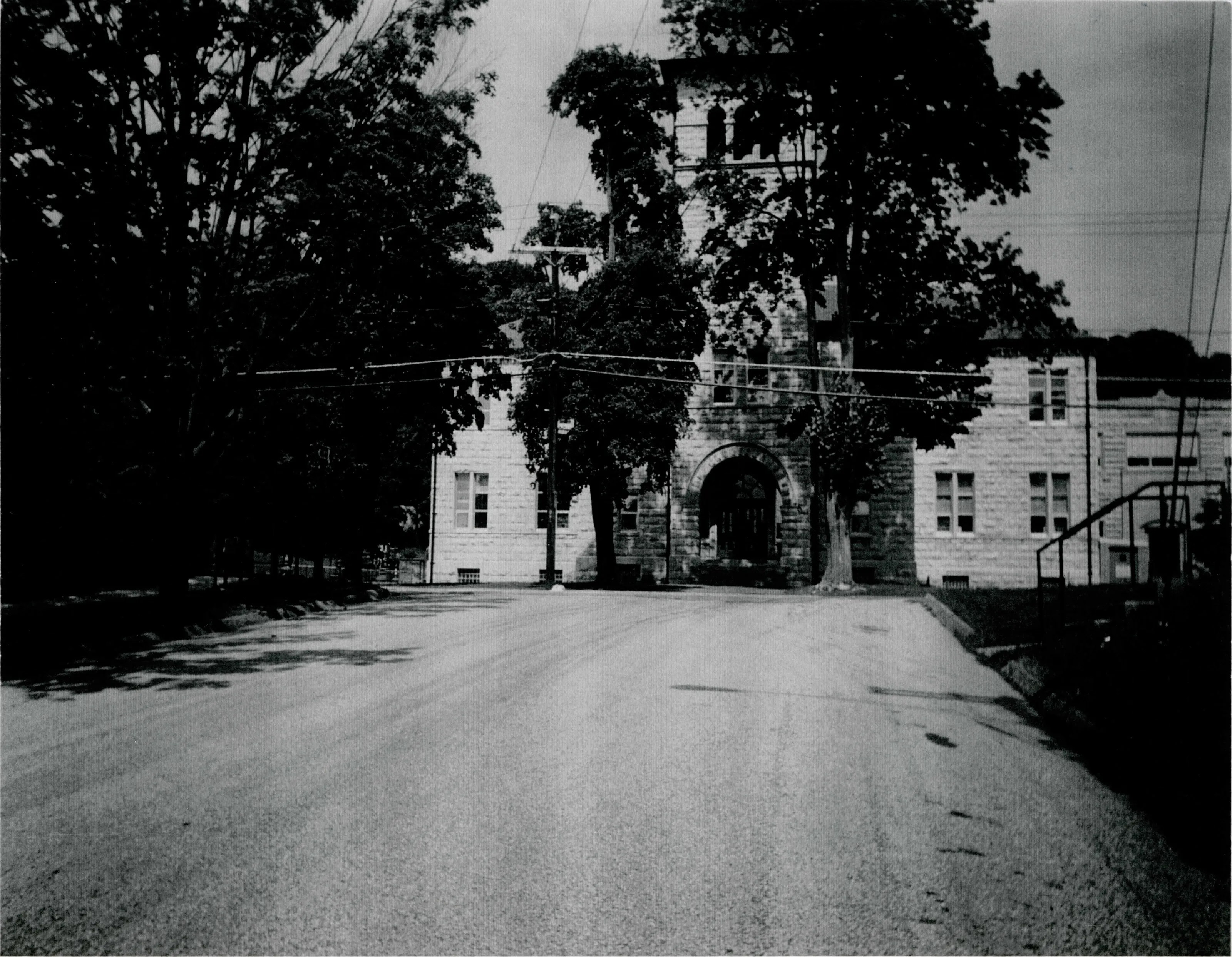
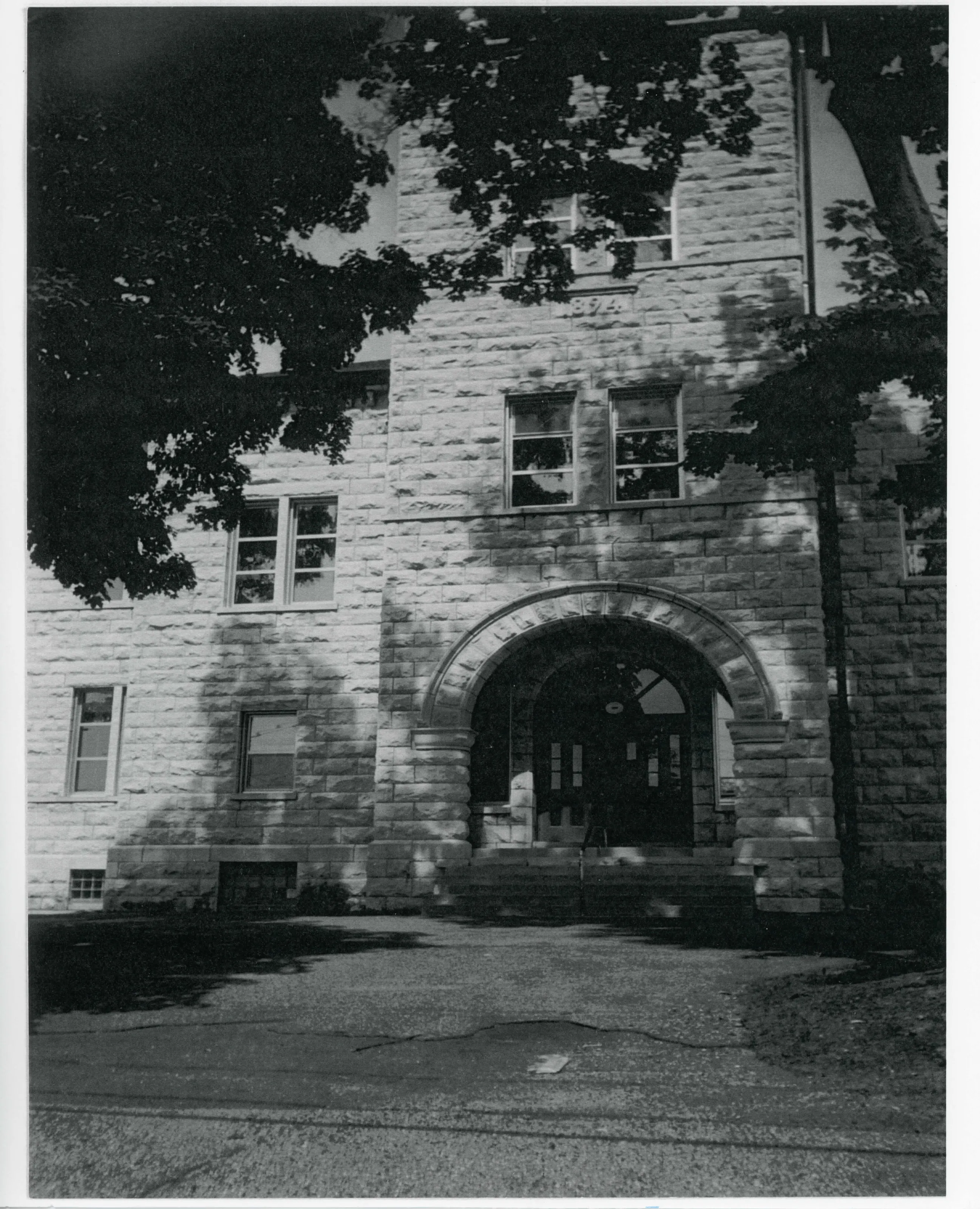
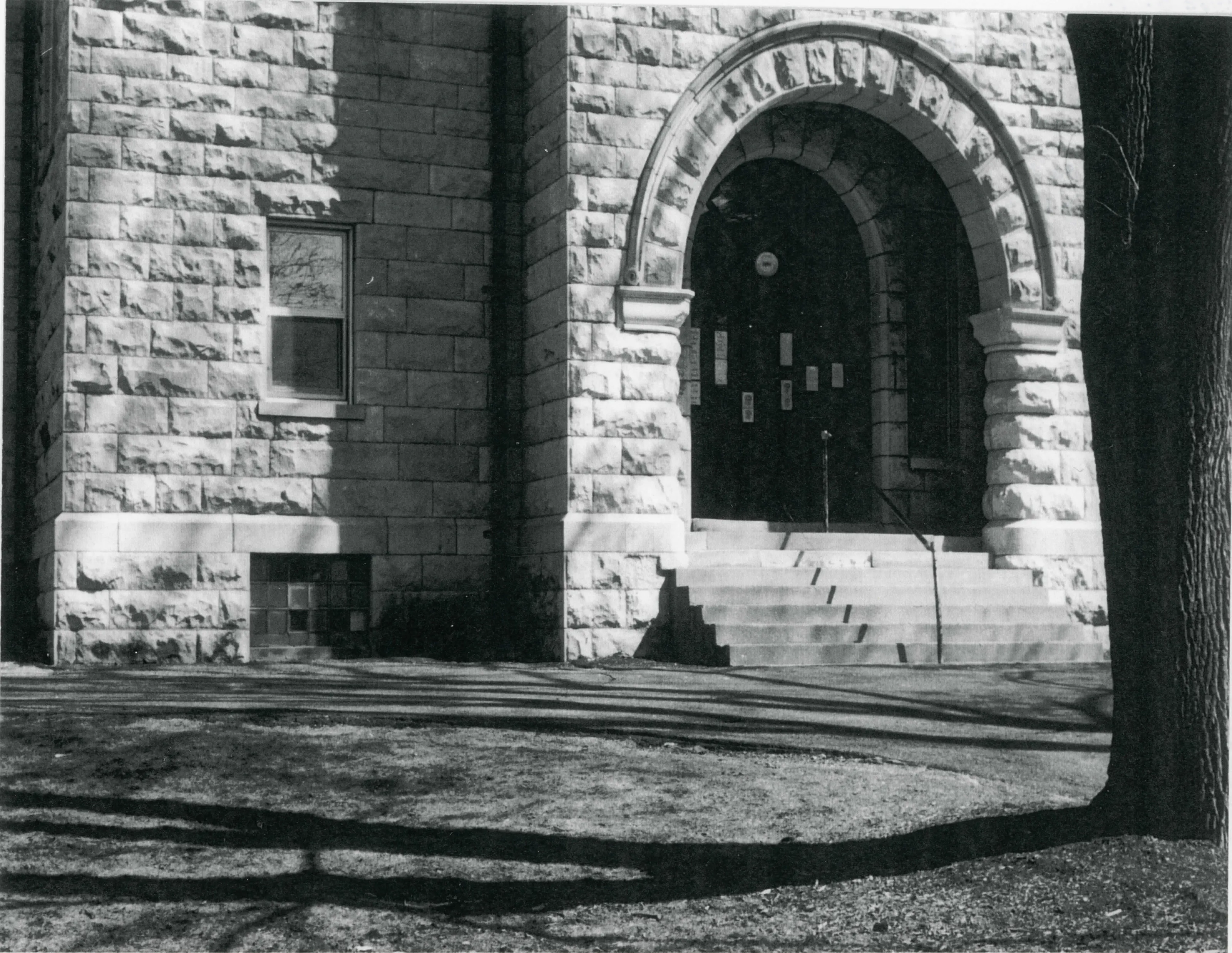
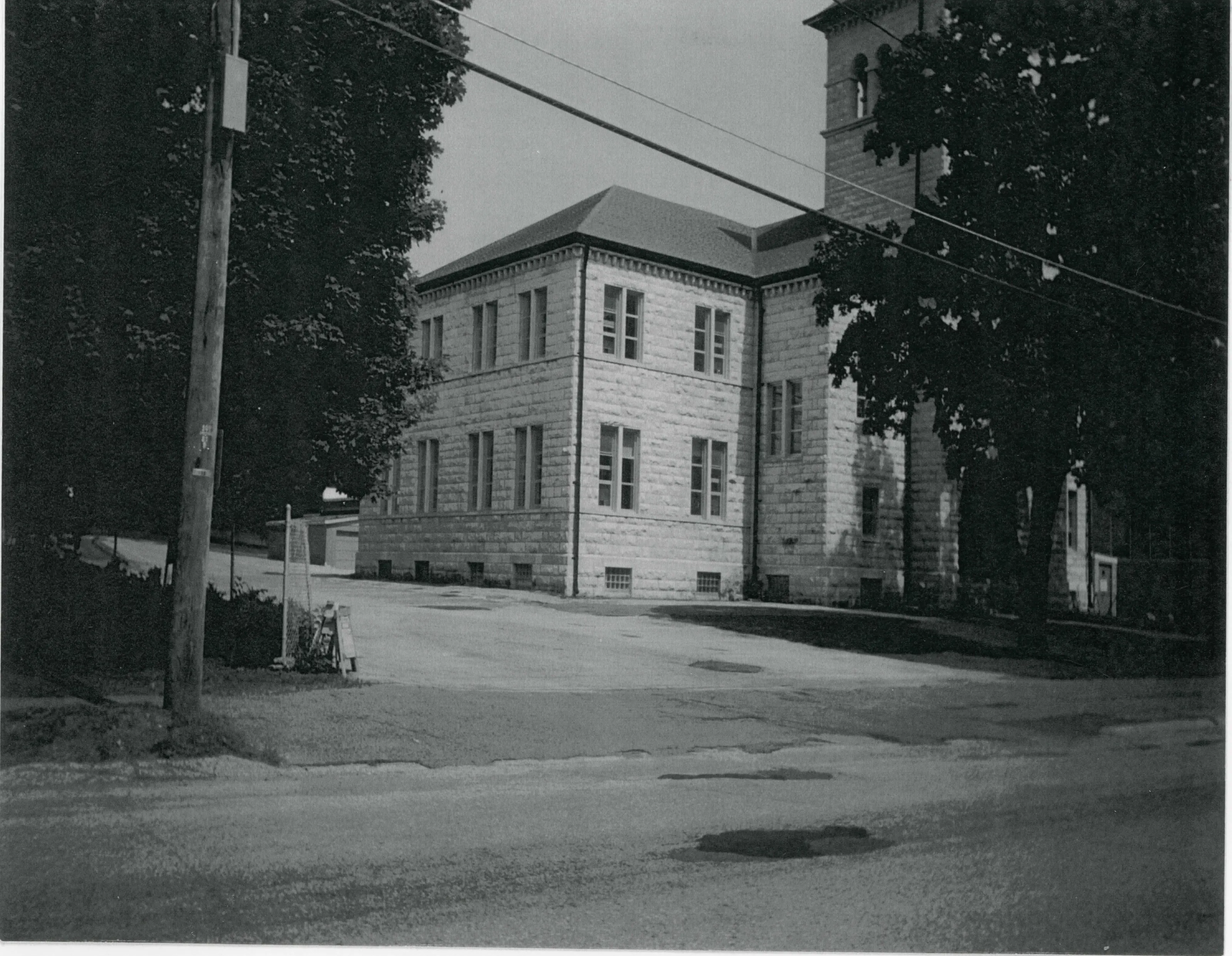
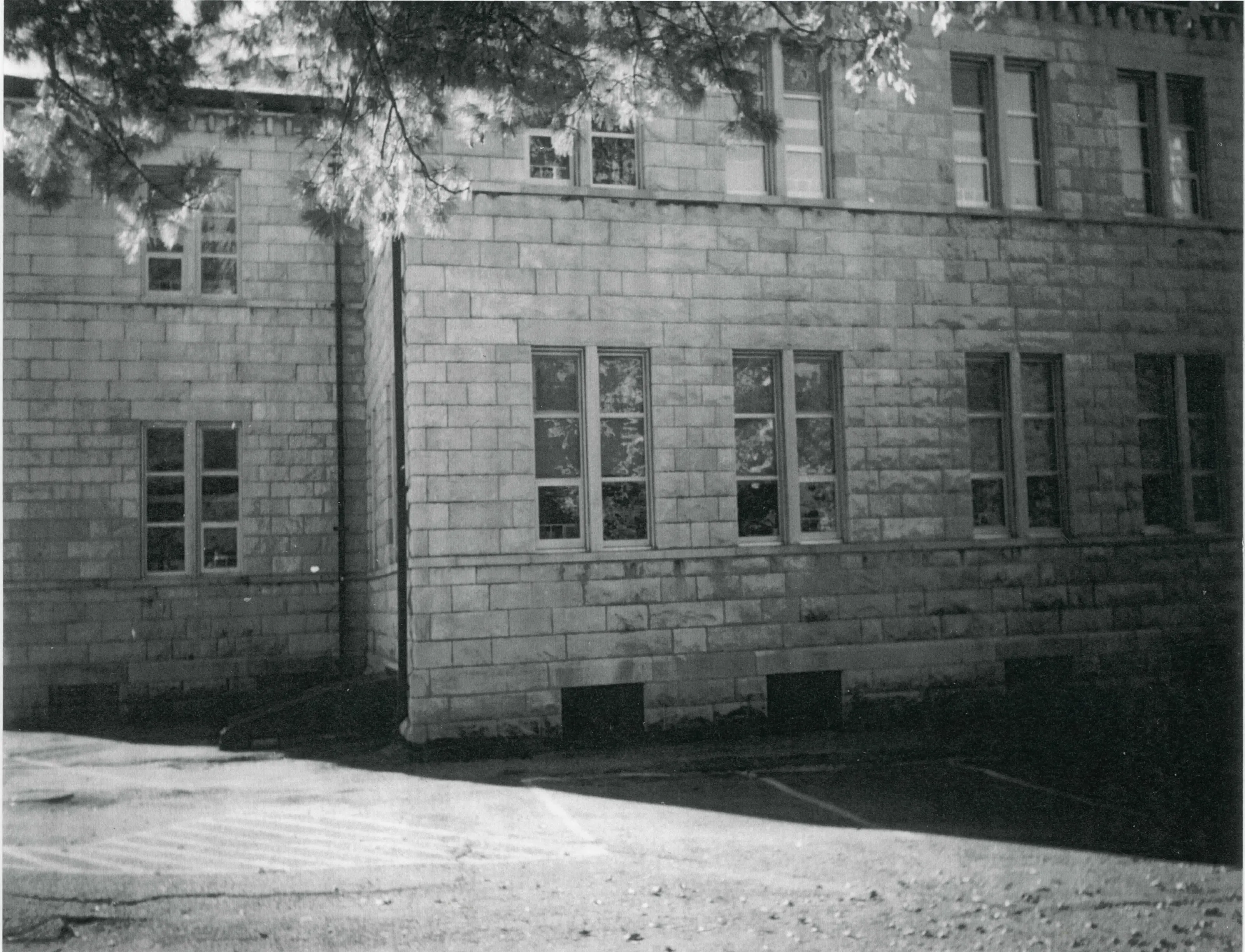
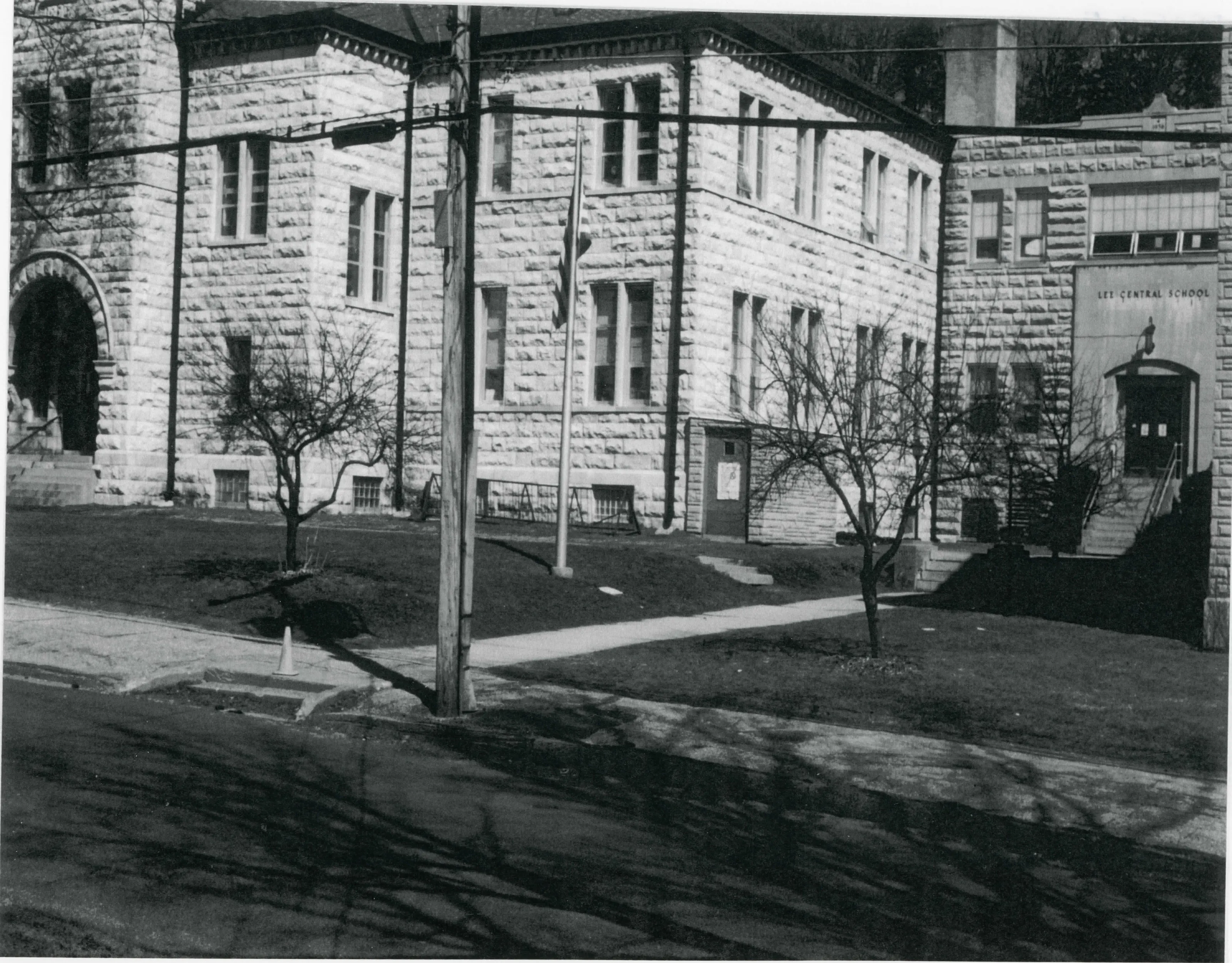
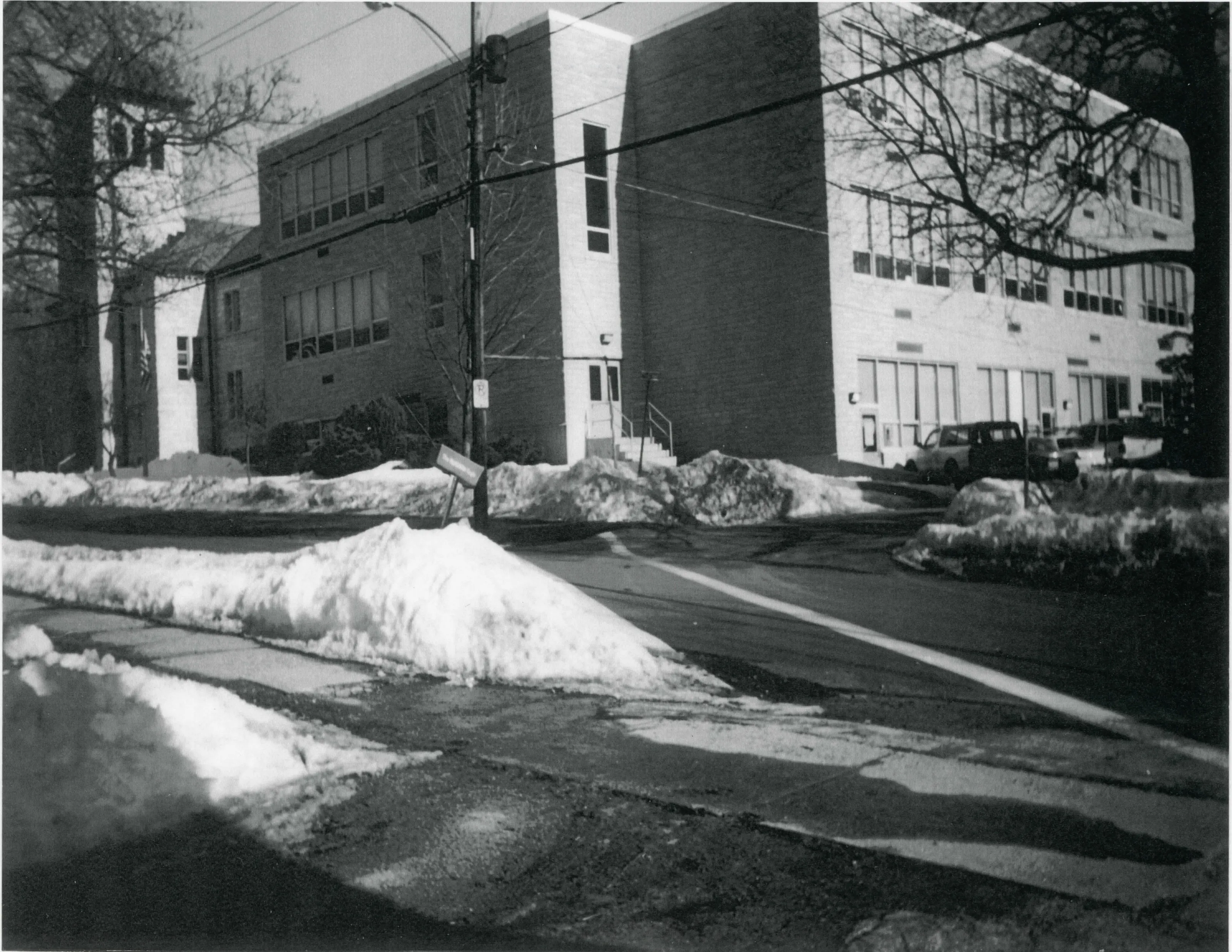
White Lee marble school of 1894 at the head of Academy Street, in continuous use as a school until January 2003. It stands on the site of Lee's first high school, erected in 1837.
- Built
- 1894
- Style
- Richardsonian Romanesque
- Significance and period
- Architecture; Education
The nomination describes it as the only Richardsonian Romanesque-style building in Lee.
“Built in 1894, the Hyde School is a fine example of a late Richardsonian Romanesque-style building.”
National Register nomination
Summary paraphrased from the nomination text; the form is linked below.
What the nomination says it is
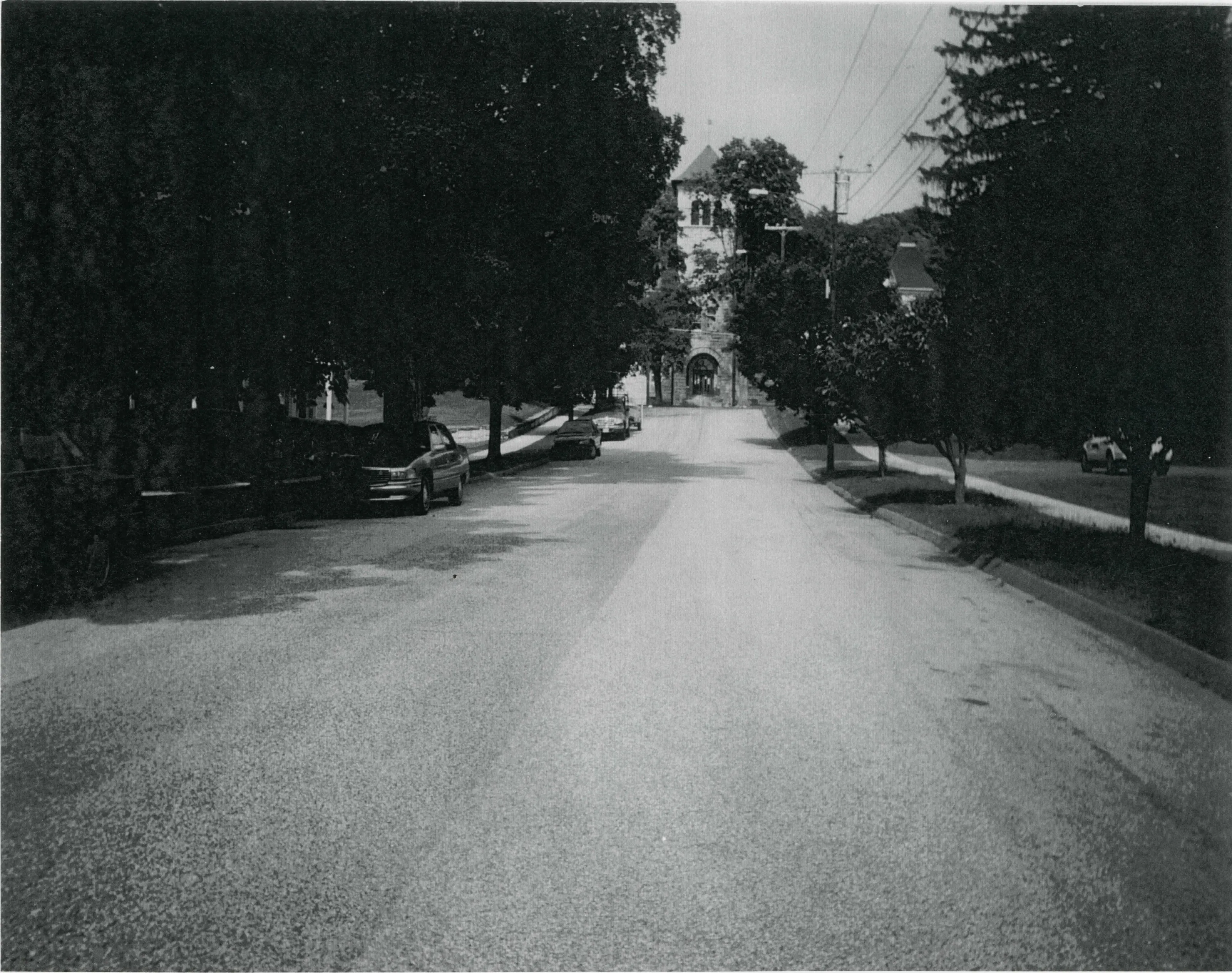
Dramatically sited on a rise in the topography and constructed of white Lee Marble, the Richardsonian Romanesque-style Hyde School provides a focal point at the head of Academy Street, a short tree-lined road leading from Main Street (US Route 20) to the school on High Street (photo #1). Facing west on a 3.5-acre parcel of land, the school stands in a residential neighborhood abutting downtown Lee, a small Massachusetts town with a population 5,849.
From the National Register nomination, 2004.
Why it is on the Register
Built in 1894, the Hyde School is a fine example of a late Richardsonian Romanesque-style building. In continuous use as a school until January of 2003, it is historically significant for its role in the educational development of Lee. It stands on the site of the first high school in Lee, w hich was erected on farmland in 1837. The Hyde School is architecturally significant as the only Richardsonian Romanesque-style building in Lee. In addition, its dramatic siting at the head of Academy Street makes it a focal point and visual landmark that is a major contribution to the streetscape. Constructed of marble quarried in Lee, the school is notable for incorporating local building materials.
From the National Register nomination, 2004.
Quoted from the scanned form as the National Archives’ text layer reads it. Line breaks are joined; reading errors are left as they are.
Sources, rights and limits
- Listing facts. National Park Service, National Register of Historic Places spatial data, queried 6 November 2026: type, year listed, landmark status, map location. U.S. government work, public domain.
- Nomination text and areas of significance. National Archives catalog record 63794252, “Massachusetts SP Hyde School”. National Register nomination forms are U.S. government records and public domain. The quoted text is the catalog’s text layer (machine reading of the scan, 2025-07-29), not a transcription.
- Photographs. Photographs are reproduced from the nomination file at the National Archives with the photographer’s credit as typed on the print; rights may remain with the photographer. Write to hello@parcenomics.com to have one removed.
- Location line. Address as in the Park Service layer.
- Outline. Town boundary from the Commonwealth’s town layer, generalized. Not a survey.