Rare species of Massachusetts · Mussels
Tidewater Mucket
Status Special Concern · Group Mussels · Recorded in 30 towns, 25 since 2001 · State sightings records: most recent 2025
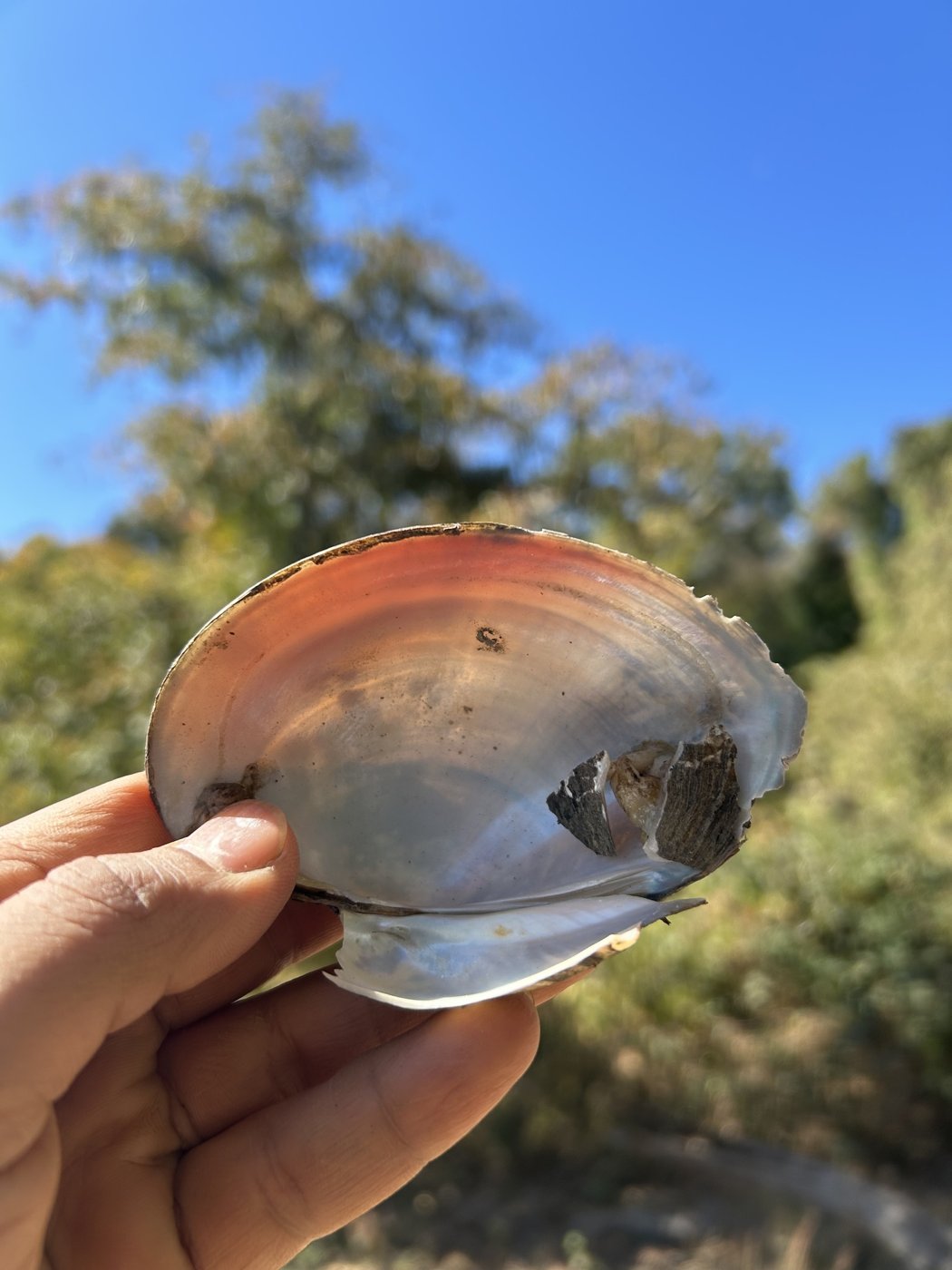
Atlanticoncha ochracea is an oval, laterally inflated freshwater mussel with a gray to olive-brown outer shell and white to reddish-pink nacre inside; adults grow to roughly 100 mm in length. It inhabits sand, gravel, and mud substrates in slow-moving coastal rivers, ponds, and lakes along Atlantic drainages from Georgia to Nova Scotia. Massachusetts populations are concentrated in the Taunton watershed and on Cape Cod, with a sparser and more imperiled group in the lower Connecticut River. Larvae parasitize the gills of white perch during development, making host-fish abundance a factor in recruitment. Nutrient enrichment, sedimentation, altered stream flows, and shoreline development are documented threats.
Where NHESP has recorded it
last recorded since 2001 last recorded earlier
- Natick 2025
- Longmeadow 2022
- Springfield 2022
- West Springfield 2022
- East Bridgewater 2021
- Falmouth 2021
- Freetown 2021
- Lakeville 2021
- Middleborough 2021
- Halifax 2019
- Norton 2016
- Taunton 2016
- Chicopee 2015
- Mashpee 2015
- Agawam 2014
- Bridgewater 2014
- Hadley 2013
- Plymouth 2013
- Barnstable 2011
- Pembroke 2009
- Rochester 2008
- Sandwich 2008
- Carver 2005
- Holyoke 2005
- South Hadley 2003
- Kingston 1999
- Plympton 1999
- Wareham 1999
- Bourne 1996
- Haverhill 1992
Town-level documented observations from NHESP’s Rare Species Viewer, read 4 November 2026; the year is the last documented record, as NHESP prints it, not evidence of absence. NHESP does not publish locations.
More about this species
In Massachusetts
Most documented sites are coastal plain ponds in the southeastern part of the state and on Cape Cod, with some locations supporting unusually high concentrations. A separate, far more precarious group occupies a short stretch of the Connecticut River near its mouth.
Source: Massachusetts state rare-species fact sheet, Tidewater Mucket (published March 2025).
Threats
Nutrient enrichment, sediment, pollution, non-native species, and suburban expansion affect the species broadly. River sites face modified flows and barriers; lake and pond sites face shoreline development, algal buildup, and cyanobacteria; warming temperatures and drought compound both.
Source: Massachusetts state rare-species fact sheet, Tidewater Mucket (published March 2025).
Protections
Carries Special Concern status under the state endangered species law and appears on the state's wildlife priority list.
Source: Massachusetts state rare-species fact sheet, Tidewater Mucket (published March 2025).
One fact
Larvae must spend part of their early development clinging to the gill or fin tissue of a fish. A banded killifish taken in Maine was found with 21 attached larvae, pointing to that fish as one possible host.
Source: Massachusetts state rare-species fact sheet, Tidewater Mucket (published March 2025).
Related species
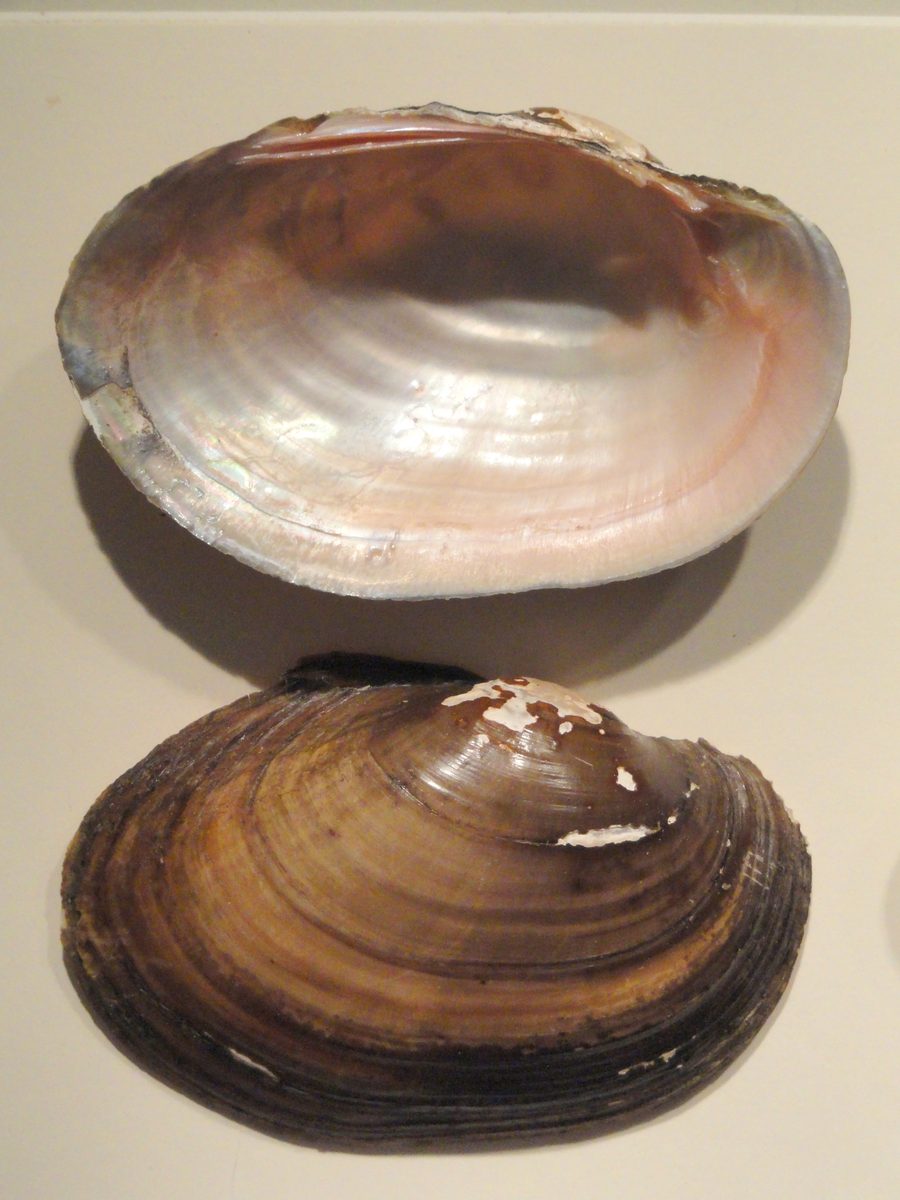
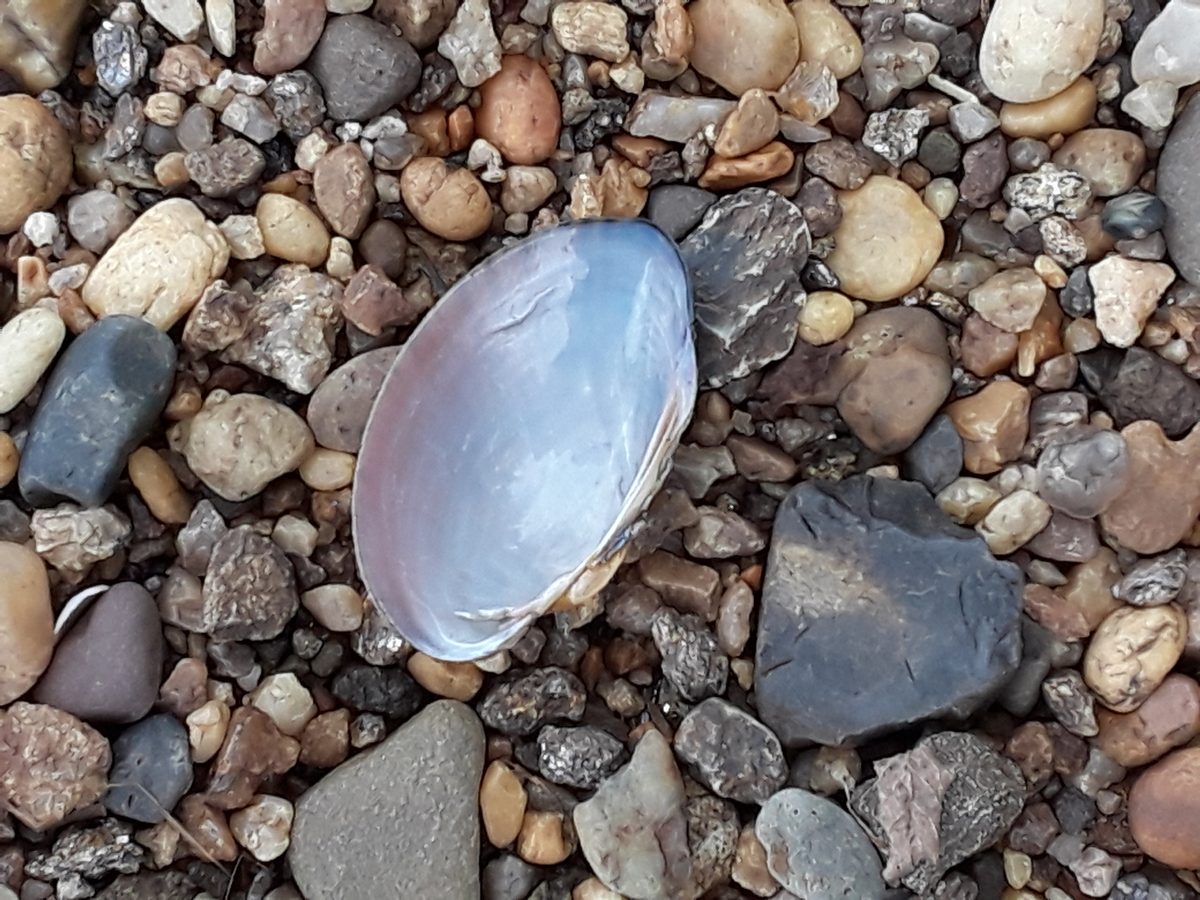
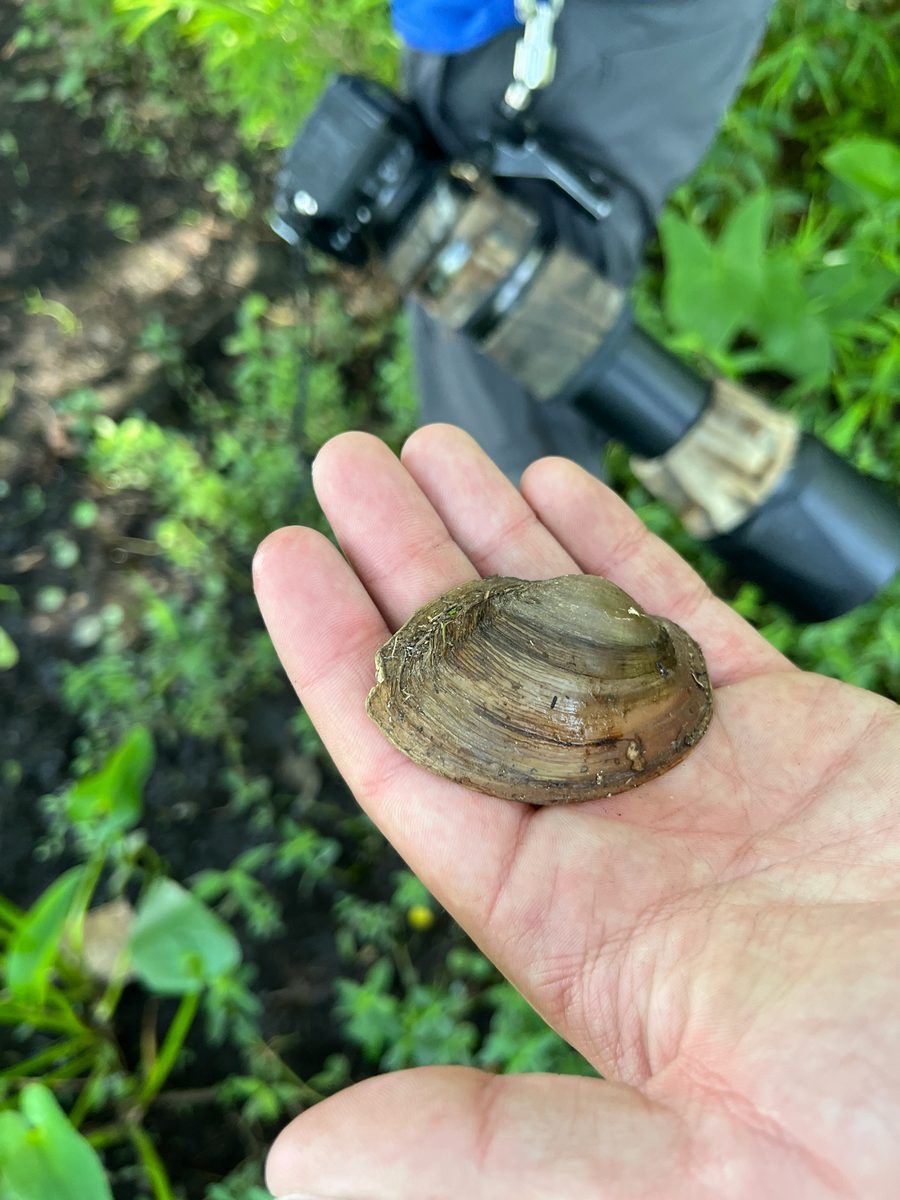
Freshwater mussels on the state list:
State list: 321 CMR 10.90, as of 16 August 2024. Rare species of Massachusetts · Trees of Massachusetts