Rare species of Massachusetts · Mussels
Eastern Pondmussel
Status Special Concern · Group Mussels · Recorded in 65 towns, 43 since 2001 · State sightings records: most recent 2024
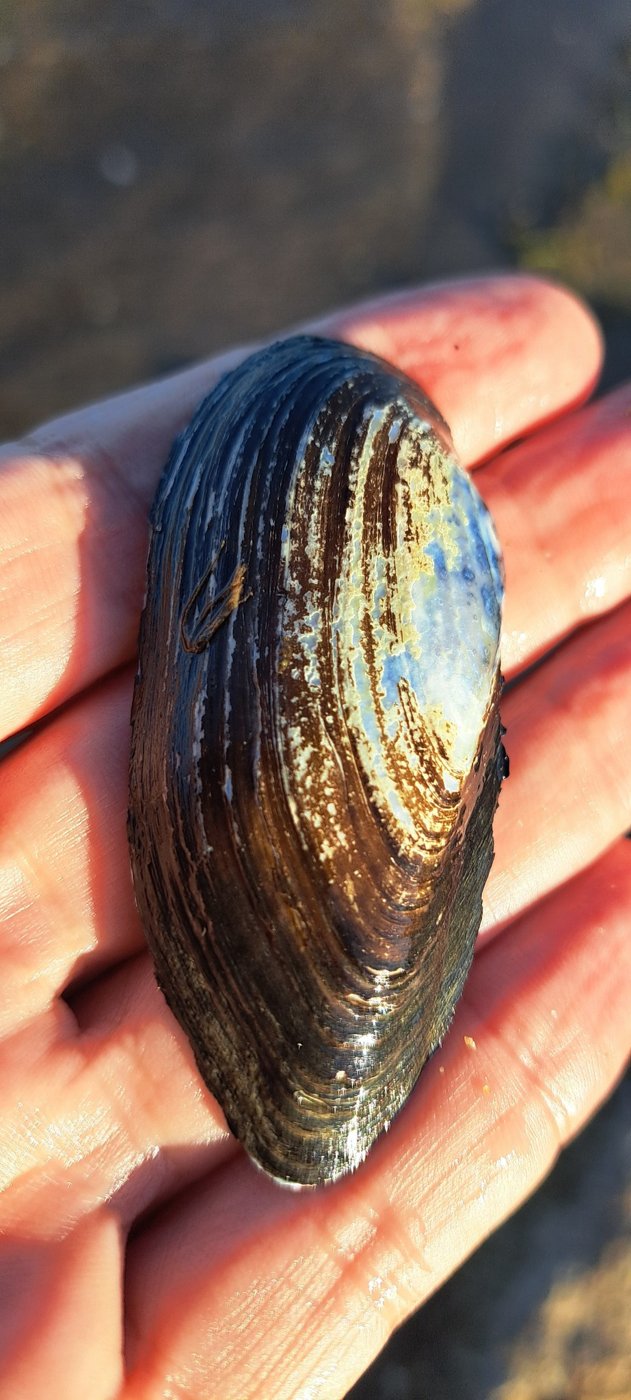
Sagittunio nasutus, the eastern pondmussel, is a species of freshwater mussel in the family Unionidae, the river mussels. This species is native to the eastern United States and Ontario, Canada. In Canada, the eastern pondmussel has been adversely affected by zebra mussels, which were introduced near the end of the 1980s.
Description: Wikipedia (CC BY-SA 4.0).
Where NHESP has recorded it
last recorded since 2001 last recorded earlier
- Holyoke 2024
- Northampton 2024
- Whately 2024
- Norton 2023
- Wrentham 2023
- Hatfield 2022
- Holliston 2022
- Sharon 2022
- Walpole 2022
- Canton 2021
- East Bridgewater 2021
- Fall River 2021
- Lakeville 2021
- Taunton 2021
- Westport 2021
- Amesbury 2020
- Randolph 2020
- Hadley 2019
- Halifax 2019
- Kingston 2019
- Easthampton 2018
- Amherst 2017
- Framingham 2017
- Wayland 2017
- Haverhill 2016
- South Hadley 2016
- North Andover 2015
- Bridgewater 2014
- Mashpee 2014
- Middleborough 2014
- Pembroke 2013
- Plymouth 2012
- Braintree 2011
- Hanson 2011
- Barnstable 2010
- Raynham 2010
- Carver 2009
- Rochester 2008
- Sandwich 2008
- Medfield 2007
- Millis 2007
- Concord 2006
- Natick 2006
- Acton 1999
- Acushnet 1999
- Plympton 1999
- Bourne 1997
- Newton 1967
- Hanover 1965
- Needham 1962
- Cambridge 1941
- Milton 1941
- Lynn 1932
- Middleton 1932
- Boston 1841
- Andover No Date
- Boxford No Date
- Chicopee No Date
- Deerfield No Date
- Eastham No Date
- Groveland No Date
- Medford No Date
- Wenham No Date
- Weston No Date
- Woburn No Date
Town-level documented observations from NHESP’s Rare Species Viewer, read 4 November 2026; the year is the last documented record, as NHESP prints it, not evidence of absence. NHESP does not publish locations.
More about this species
In Massachusetts
Most known groups appear to be small, with limited evidence of young animals establishing themselves; a few sizeable concentrations occur in the ponds of the Atlantic coastal plain in eastern parts of the state. Abundance is highest in the southeastern corner and on Cape Cod.
Source: Massachusetts state rare-species fact sheet, Eastern Pondmussel (published March 2025).
Threats
River sites face modified flows, floodplain development, dams, and historical land-use legacies. Lake and pond sites face shoreline alteration, nutrient buildup, and cyanobacteria blooms. Across both, nutrient enrichment, non-native species, drought, warming water temperatures, and water withdrawals are concerns.
Source: Massachusetts state rare-species fact sheet, Eastern Pondmussel (published March 2025).
Protections
Carries Special Concern status under the state endangered species law, covering only sites documented within the past 25 years. The species also appears on the state's wildlife priority list.
Source: Massachusetts state rare-species fact sheet, Eastern Pondmussel (published March 2025).
One fact
To draw in host fish, adult females extend frilled tissue along the mantle margin and sometimes lie exposed on the substrate with their shells parted, increasing their visibility.
Source: Massachusetts state rare-species fact sheet, Eastern Pondmussel (published March 2025).
Related species
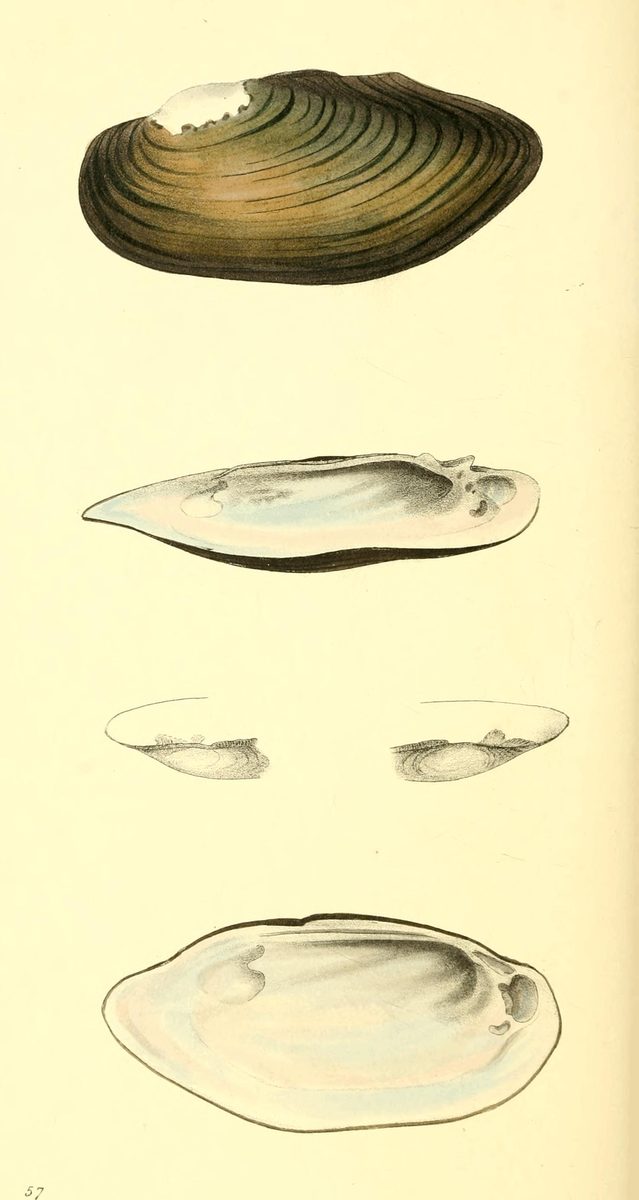
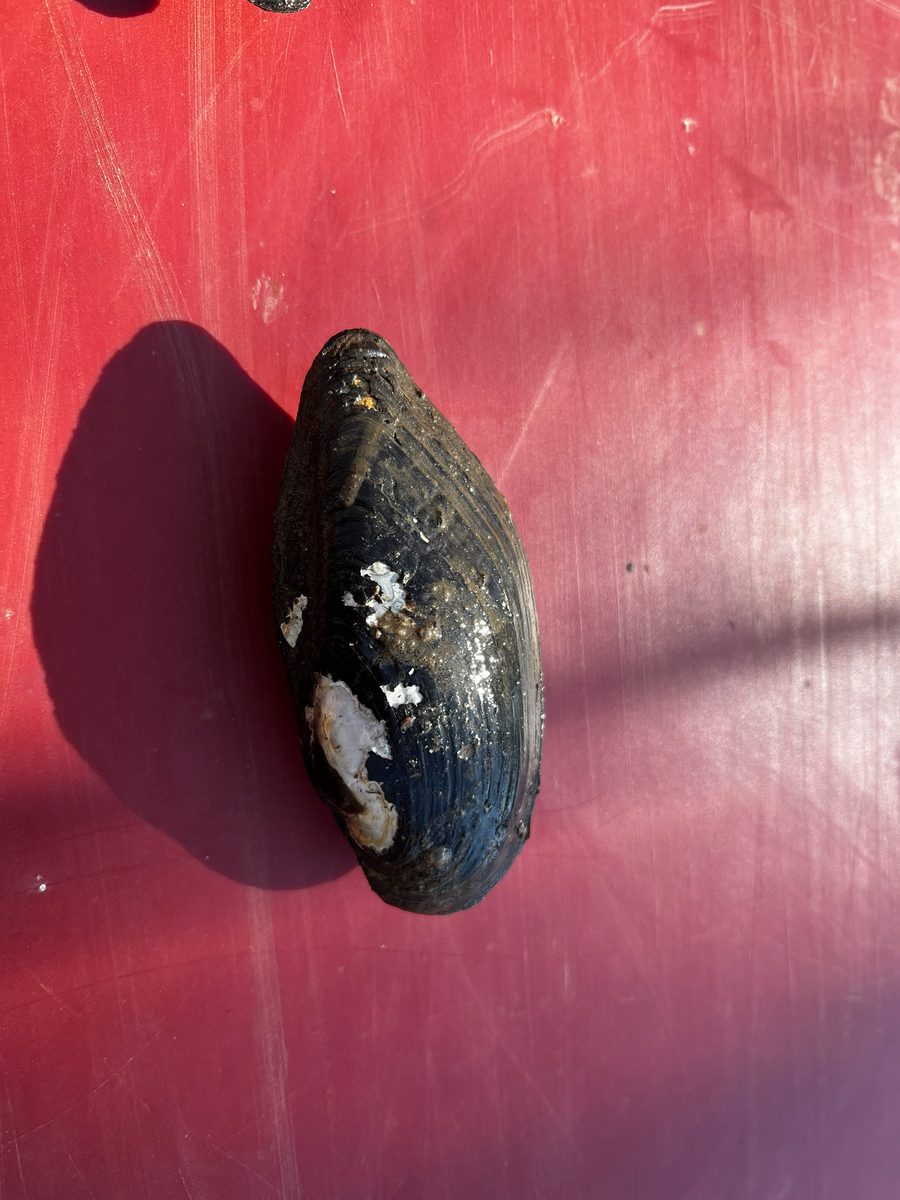
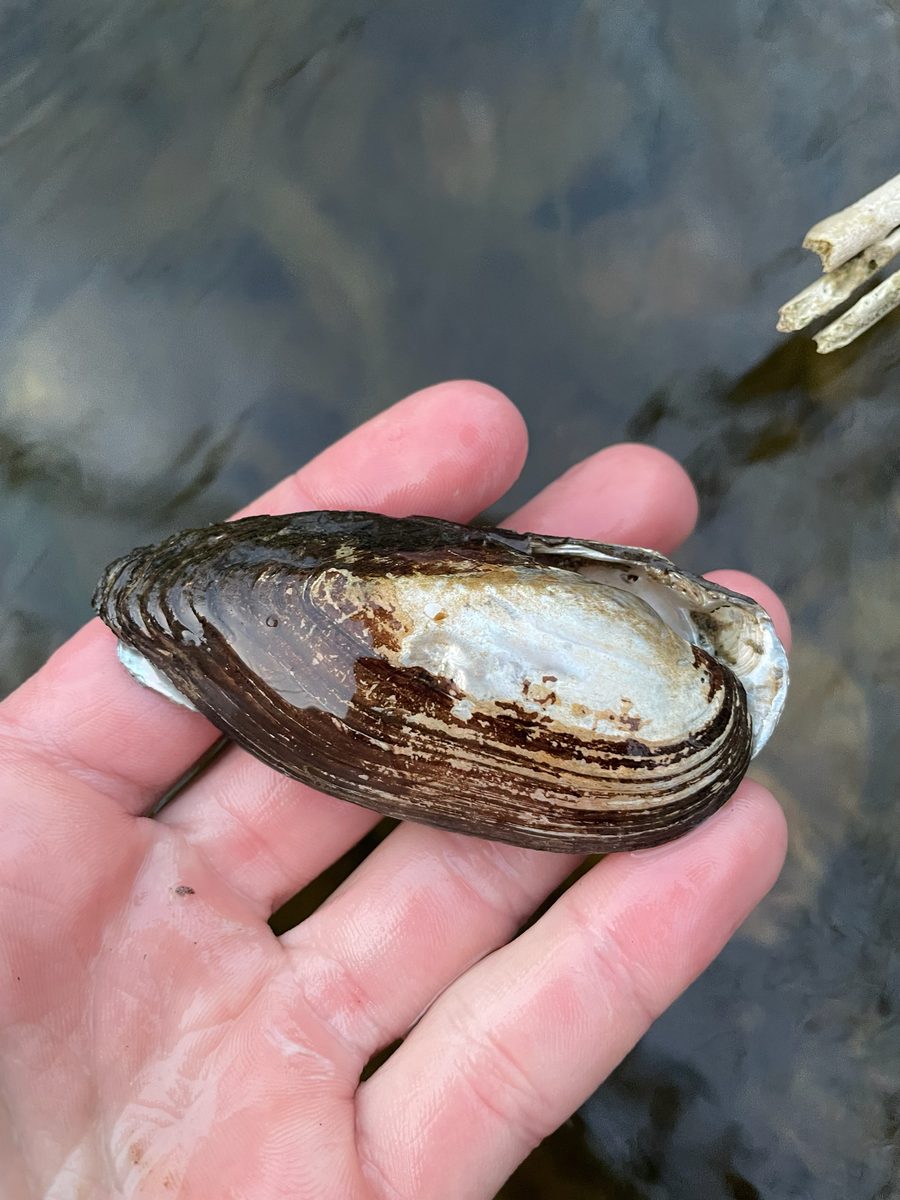
Freshwater mussels on the state list:
State list: 321 CMR 10.90, as of 16 August 2024. Rare species of Massachusetts · Trees of Massachusetts