Rare species of Massachusetts · Birds
Northern Harrier
Status Threatened · Group Birds · Recorded in 38 towns, 13 since 2001 · State sightings records: most recent 2024 · eBird reported in 14 of 14 counties in the last 30 days, latest 5 November 2026 (birders’ reports, eBird, Cornell Lab of Ornithology; as of 6 November 2026)
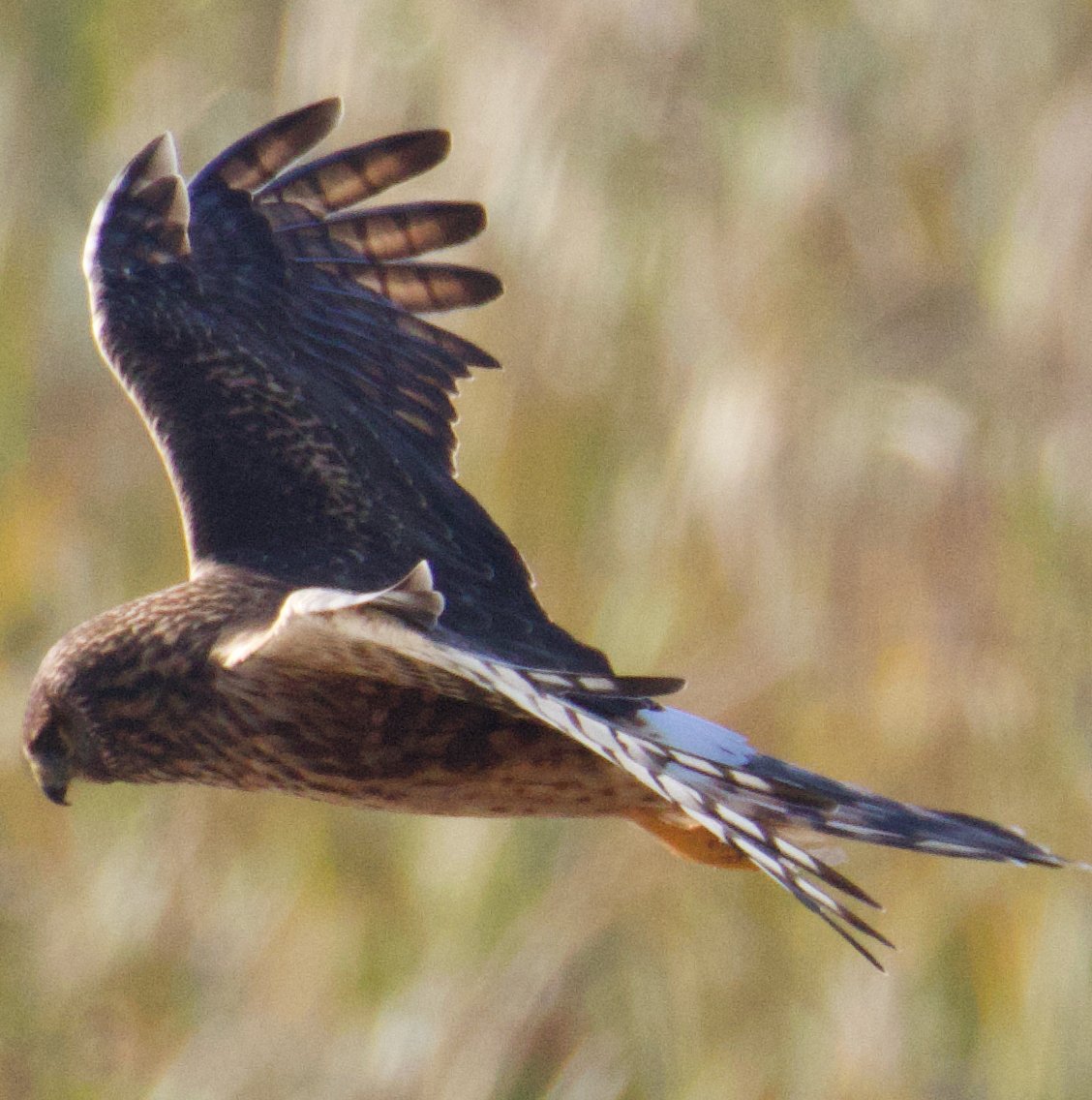
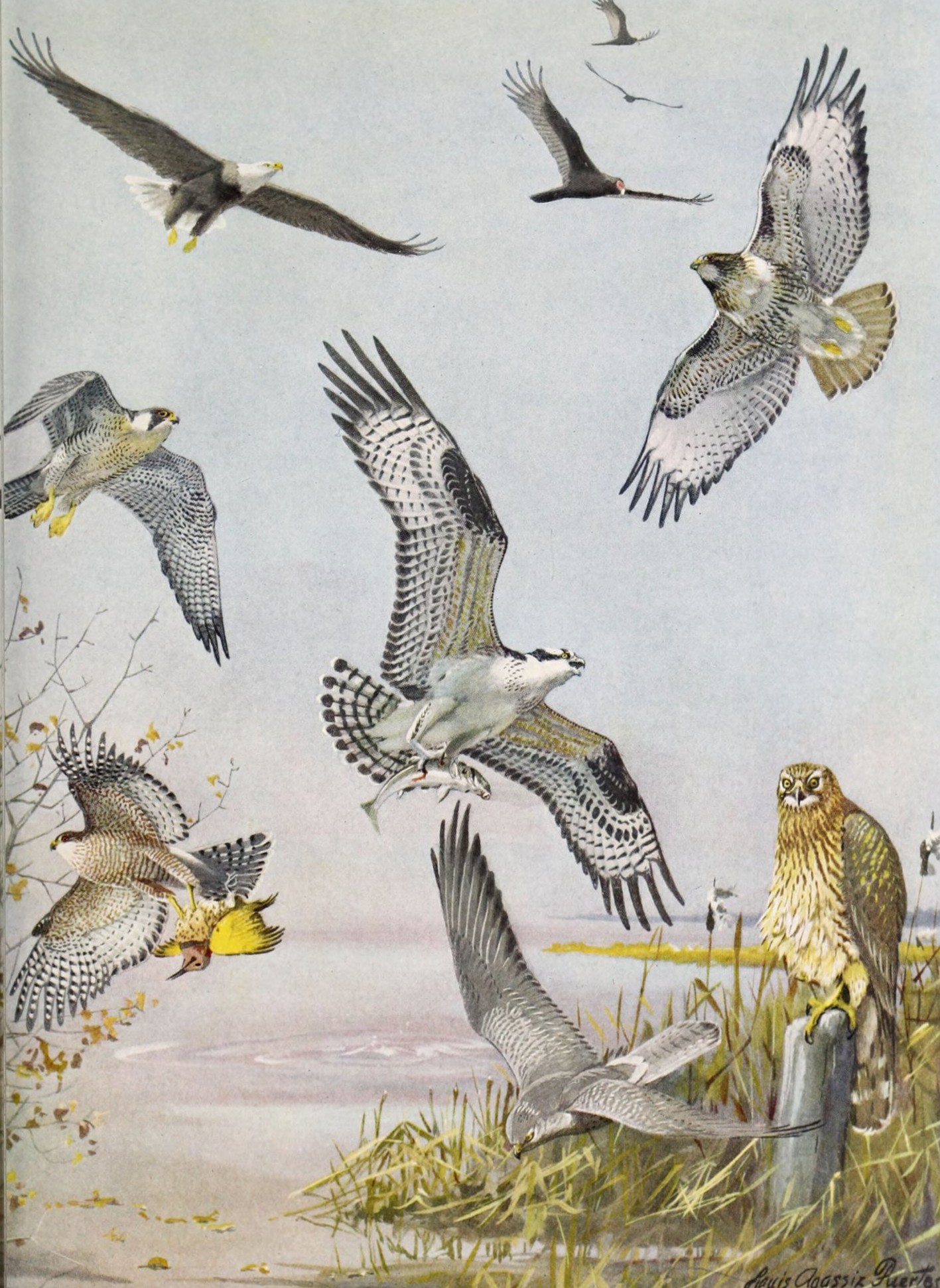
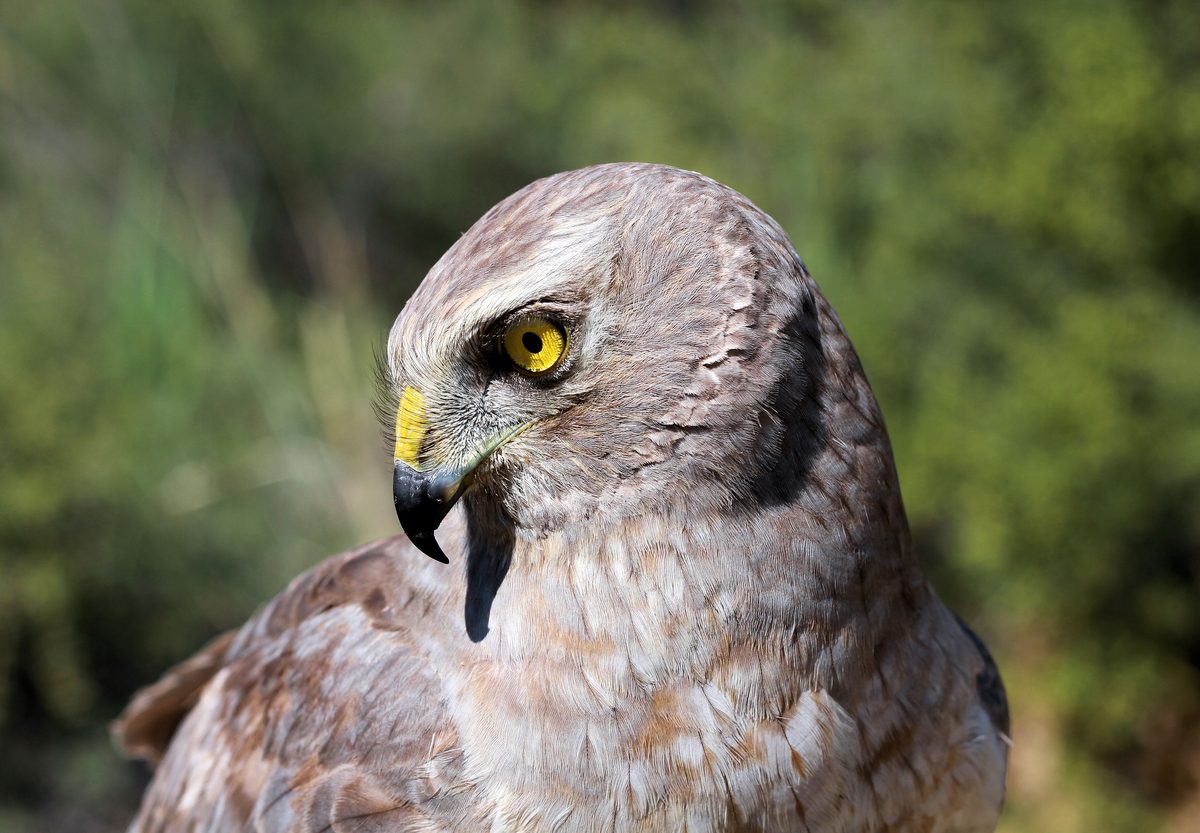
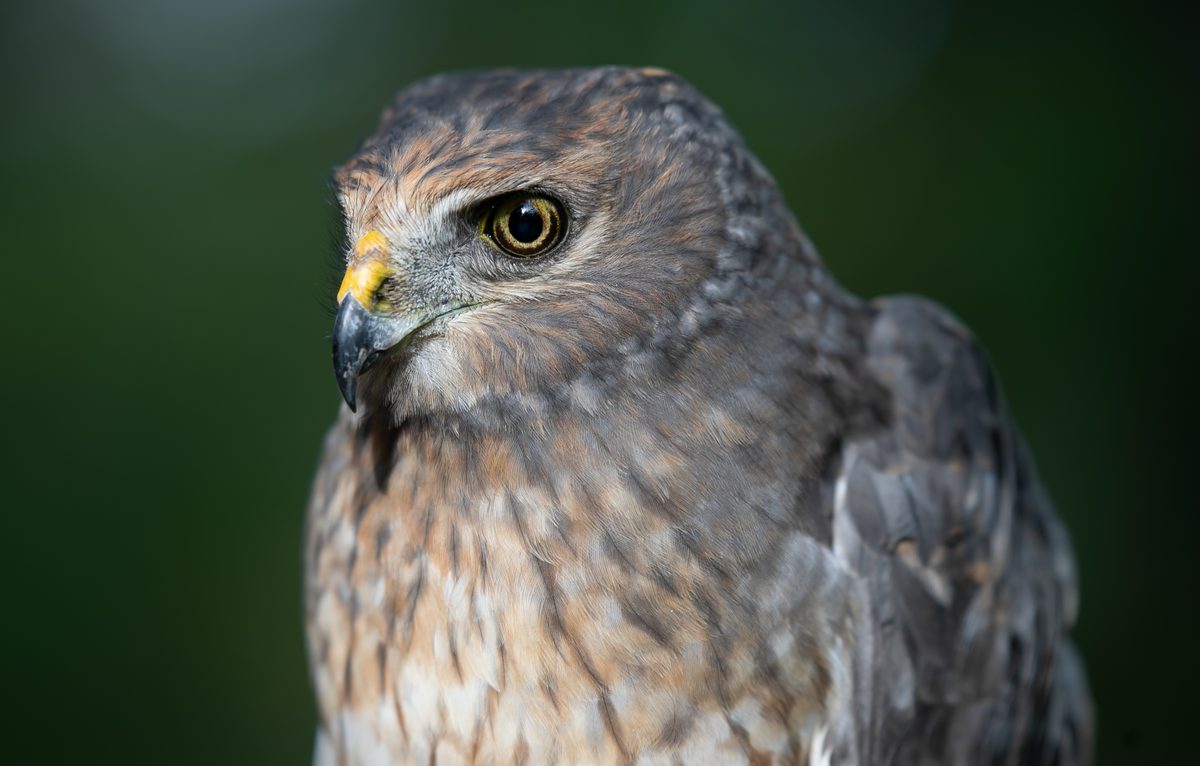
The northern harrier (Circus hudsonius), also known as the marsh hawk or ring-tailed hawk, is a bird of prey. It breeds throughout the northern parts of the Northern Hemisphere in Canada and the northernmost United States. The northern harrier migrates south in winter, with breeding birds in Canada and northern Great Plains of the U.S. moving to the American south, Mexico, and Central America.
Description: Wikipedia (CC BY-SA 4.0).
Where NHESP has recorded it
last recorded since 2001 last recorded earlier
- Nantucket 2024eBird: Nantucket County, 5 Nov 2026
- West Tisbury 2024eBird: Dukes County, 5 Nov 2026
- Edgartown 2022eBird: Dukes County, 5 Nov 2026
- Gosnold 2011eBird: Dukes County, 5 Nov 2026
- Bourne 2009eBird: Barnstable County, 5 Nov 2026
- Chilmark 2009eBird: Dukes County, 5 Nov 2026
- Sandwich 2009eBird: Barnstable County, 5 Nov 2026
- Provincetown 2006eBird: Barnstable County, 5 Nov 2026
- Truro 2006eBird: Barnstable County, 5 Nov 2026
- Wellfleet 2006eBird: Barnstable County, 5 Nov 2026
- Windsor 2005eBird: Berkshire County, 2 Nov 2026
- Newbury 2004eBird: Essex County, 5 Nov 2026
- Mashpee 2003eBird: Barnstable County, 5 Nov 2026
- Aquinnah 2000eBird: Dukes County, 5 Nov 2026
- Lee 1999eBird: Berkshire County, 2 Nov 2026
- Chatham 1994eBird: Barnstable County, 5 Nov 2026
- New Braintree 1990eBird: Worcester County, 4 Nov 2026
- Dartmouth 1987eBird: Bristol County, 5 Nov 2026
- Weymouth 1986eBird: Norfolk County, 4 Nov 2026
- Newburyport 1984eBird: Essex County, 5 Nov 2026
- Paxton 1961eBird: Worcester County, 4 Nov 2026
- North Andover 1956eBird: Essex County, 5 Nov 2026
- West Newbury 1954eBird: Essex County, 5 Nov 2026
- Easton 1933eBird: Bristol County, 5 Nov 2026
- Northfield 1932eBird: Franklin County, 4 Nov 2026
- Pittsfield 1931eBird: Berkshire County, 2 Nov 2026
- Blandford 1923eBird: Hampden County, 5 Nov 2026
- Ipswich 1904eBird: Essex County, 5 Nov 2026
- Lancaster 1904eBird: Worcester County, 4 Nov 2026
- Lakeville 1898eBird: Plymouth County, 5 Nov 2026
- Arlington 1879eBird: Middlesex County, 4 Nov 2026
- Lexington 1879eBird: Middlesex County, 4 Nov 2026
- Waltham 1879eBird: Middlesex County, 4 Nov 2026
- Wellesley 1878eBird: Norfolk County, 4 Nov 2026
- Amherst CIRCA-1906eBird: Hampshire County, 5 Nov 2026
- Danvers PRE-1903eBird: Essex County, 5 Nov 2026
- Dedham PRE-1867eBird: Norfolk County, 4 Nov 2026
- Great Barrington CIRCA-1950eBird: Berkshire County, 2 Nov 2026
Town-level documented observations from NHESP’s Rare Species Viewer, read 4 November 2026; the year is the last documented record, as NHESP prints it, not evidence of absence. NHESP does not publish locations. The list shows NHESP’s documented record (year) and, for birds, birders’ reports to eBird in the last 30 days by county.
Reported to eBird in the last 30 days: Barnstable, Berkshire, Bristol, Dukes, Essex, Franklin, Hampden, Hampshire, Middlesex, Nantucket, Norfolk, Plymouth, Suffolk, Worcester
eBird reports are birders’ sightings, not the state’s record. eBird hides the locations of sensitive species, so a county is the finest level shown here and a species can be missing for that reason. Source: eBird, Cornell Lab of Ornithology, reports of the last 30 days as of 6 November 2026.
More about this species
In Massachusetts
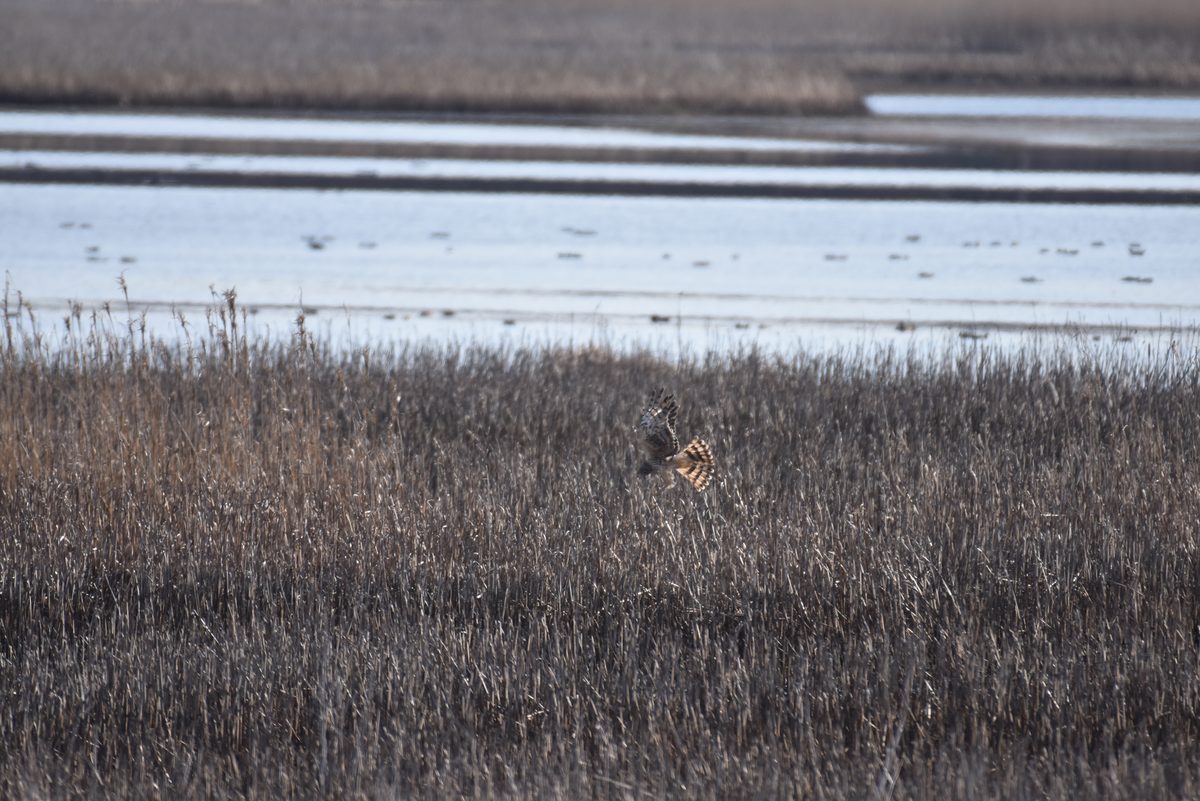
Once far more numerous, harriers have declined sharply and now nest mainly on Cape Cod and Nantucket and Martha's Vineyard. Winter visitors rely heavily on tidal marshes and island habitats along the coast.
Source: Massachusetts state rare-species fact sheet, Northern Harrier (published April 2025).
Threats
The primary driver of decline is habitat loss — specifically, the regrowth of forests on former farmland and the filling or degradation of wetlands. Additional pressures include human disturbance at coastal sites, prolonged periods of wet weather, predation of eggs and chicks, and exposure to rodenticides, whose effects at the population level are not yet well understood.
Source: Massachusetts state rare-species fact sheet, Northern Harrier (published April 2025).
Protections
The northern harrier is listed Threatened under state law and ranks among the state's priority wildlife for conservation planning.
Source: Massachusetts state rare-species fact sheet, Northern Harrier (published April 2025).
One fact
Vole abundance within a harrier's home range directly influences breeding productivity; voles form a central part of the bird's diet in this state.
Source: Massachusetts state rare-species fact sheet, Northern Harrier (published April 2025).
State list: 321 CMR 10.90, as of 16 August 2024. Rare species of Massachusetts · Trees of Massachusetts