Rare species of Massachusetts · Bees
Macropis Cuckoo Bee
Status Threatened · Group Bees · Recorded in 7 towns, 7 since 2001 · State sightings records: most recent 2023
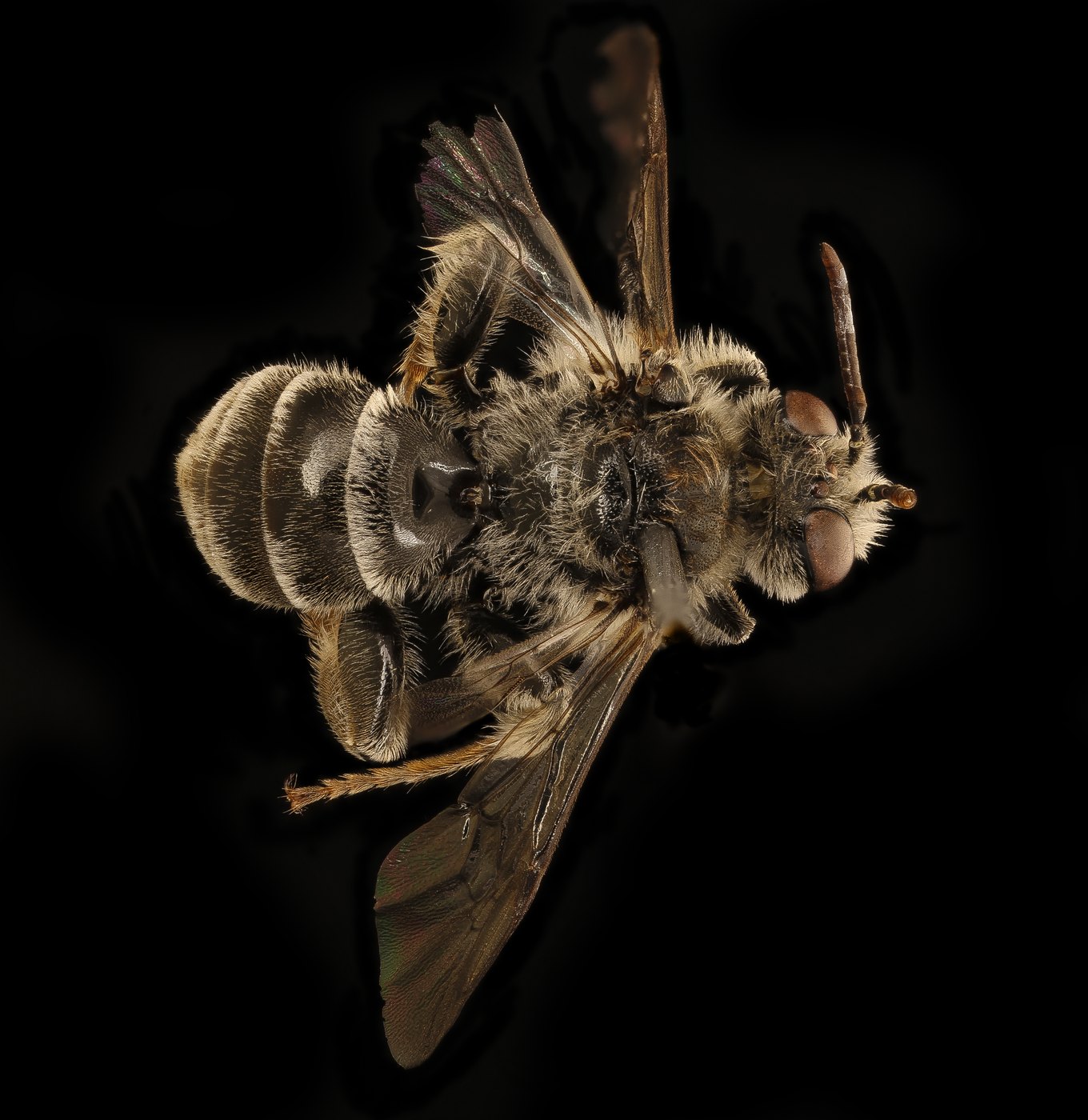
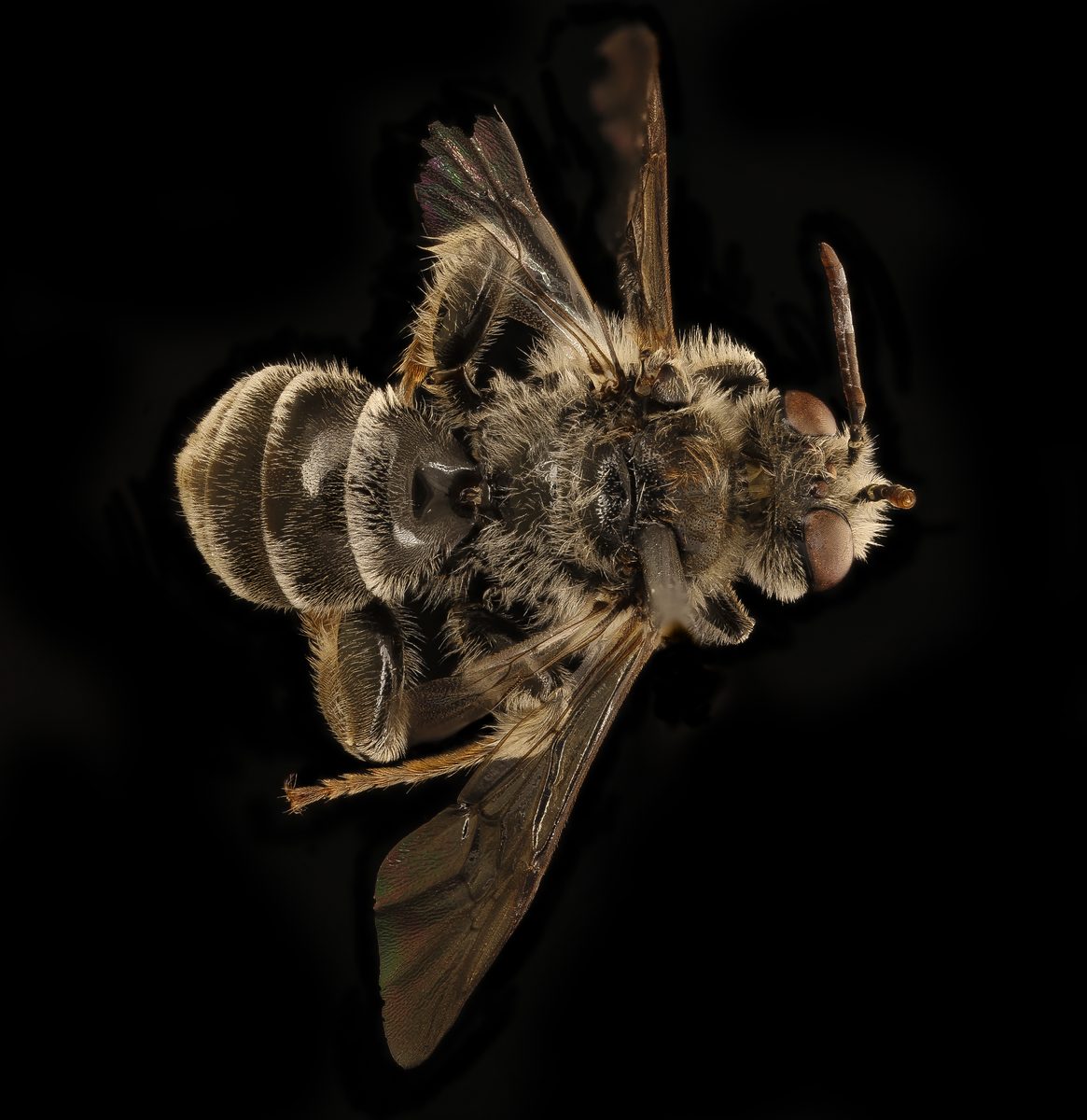
Epeoloides pilosulus (also sometimes referred to as Epeoloides pilosula), or the macropis cuckoo bee, is a species of kleptoparasitic (cuckoo) bee within the family Apidae. They are found in moist habitats along swamps, streams, and ponds near the nest aggregations of their Macropis (oil-collecting bee) hosts. They are considered a very rare and possibly endangered species with sparse observations across the Central and Eastern United States and Canada.
Description: Wikipedia (CC BY-SA 4.0).
Where NHESP has recorded it
last recorded since 2001 last recorded earlier
Town-level documented observations from NHESP’s Rare Species Viewer, read 4 November 2026; the year is the last documented record, as NHESP prints it, not evidence of absence. NHESP does not publish locations.
More about this species
In Massachusetts
Central and northeastern parts of the state hold the documented occurrences. Historically widespread, the species essentially vanished from records after 1960 until a 2002 discovery in Nova Scotia laid to rest the assumption that it had gone extinct.
Source: Massachusetts state rare-species fact sheet, Macropis Cuckoo Bee (published March 2025).
Threats
In sandplain habitat, the main drivers are land conversion, absence of fire to maintain open ground, and vehicles leaving established trails. In wetland habitat, modified hydrology, non-native plant encroachment, and contaminated water are the primary concerns. Affecting both settings: heavy deer grazing on the bee's required plants, non-native disease organisms, aerial pesticide programs, unintended herbicide exposure, and a shifting climate.
Source: Massachusetts state rare-species fact sheet, Macropis Cuckoo Bee (published March 2025).
Protections
Carries Threatened status under the state endangered species law and appears on the state's wildlife priority list.
Source: Massachusetts state rare-species fact sheet, Macropis Cuckoo Bee (published March 2025).
One fact
This bee does not provision its own nest. Instead, a female enters the underground burrow of a ground-nesting Macropis oil bee, deposits an egg in an occupied brood cell, and the resulting larva consumes the food stores the host bee left for its own offspring.
Source: Massachusetts state rare-species fact sheet, Macropis Cuckoo Bee (published March 2025).
State list: 321 CMR 10.90, as of 16 August 2024. Rare species of Massachusetts · Trees of Massachusetts