Rare species of Massachusetts · Birds
Eastern Whip-poor-will
Status Special Concern · Group Birds · Recorded in 85 towns, 84 since 2001 · State sightings records: most recent 2025 · eBird no reports in Massachusetts in the last 30 days (as of 6 November 2026)
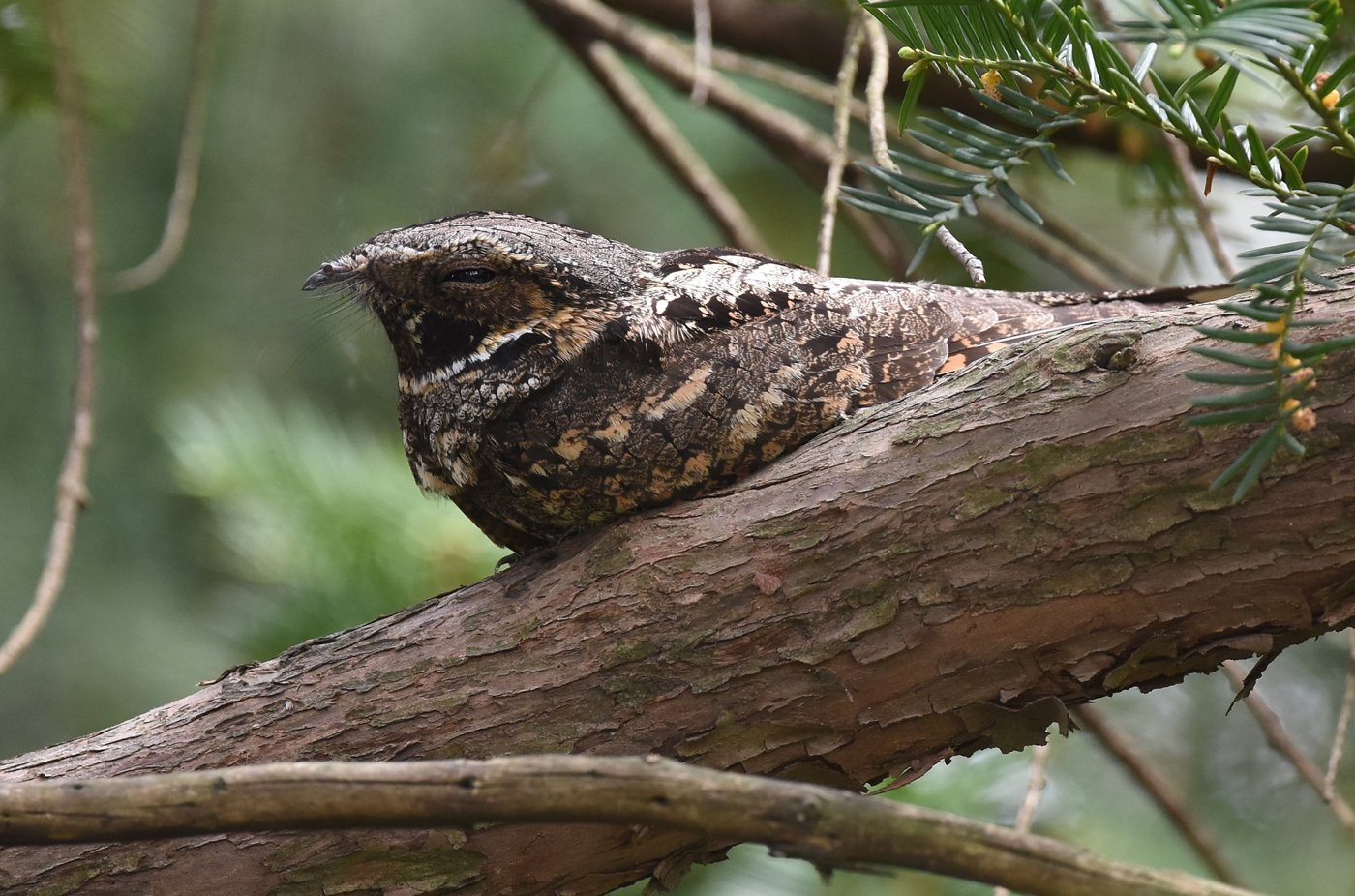
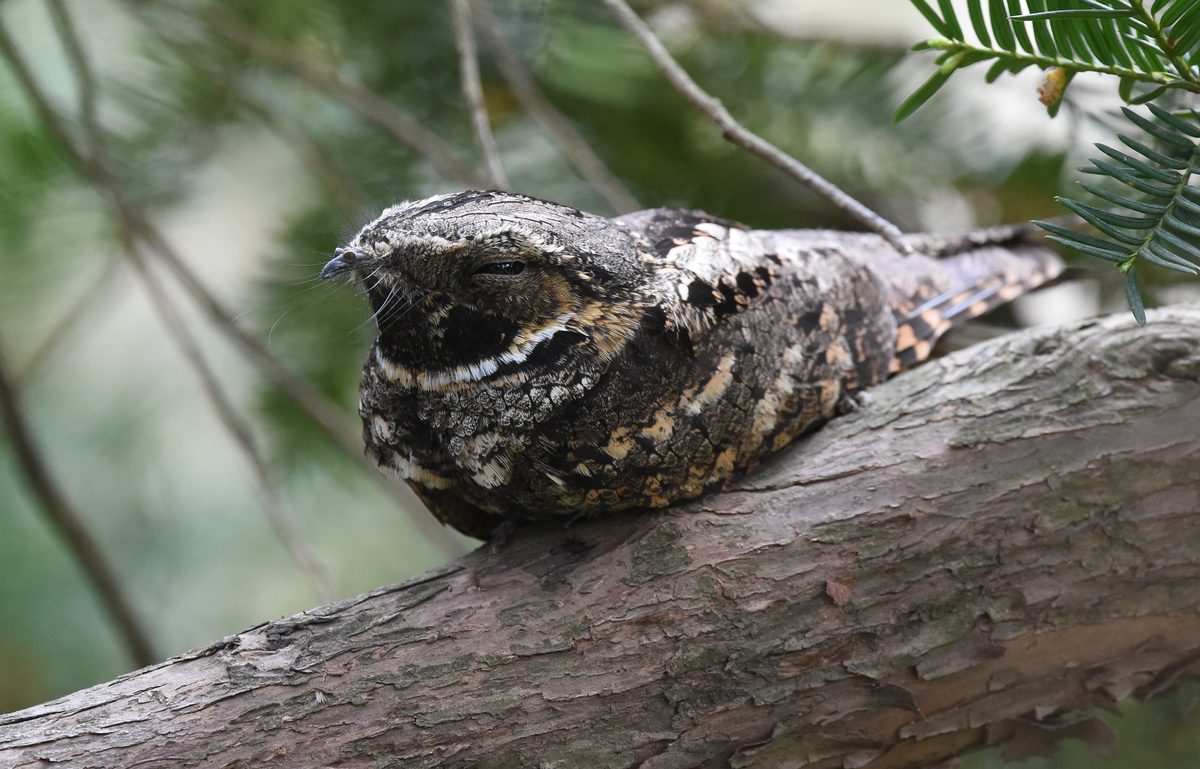
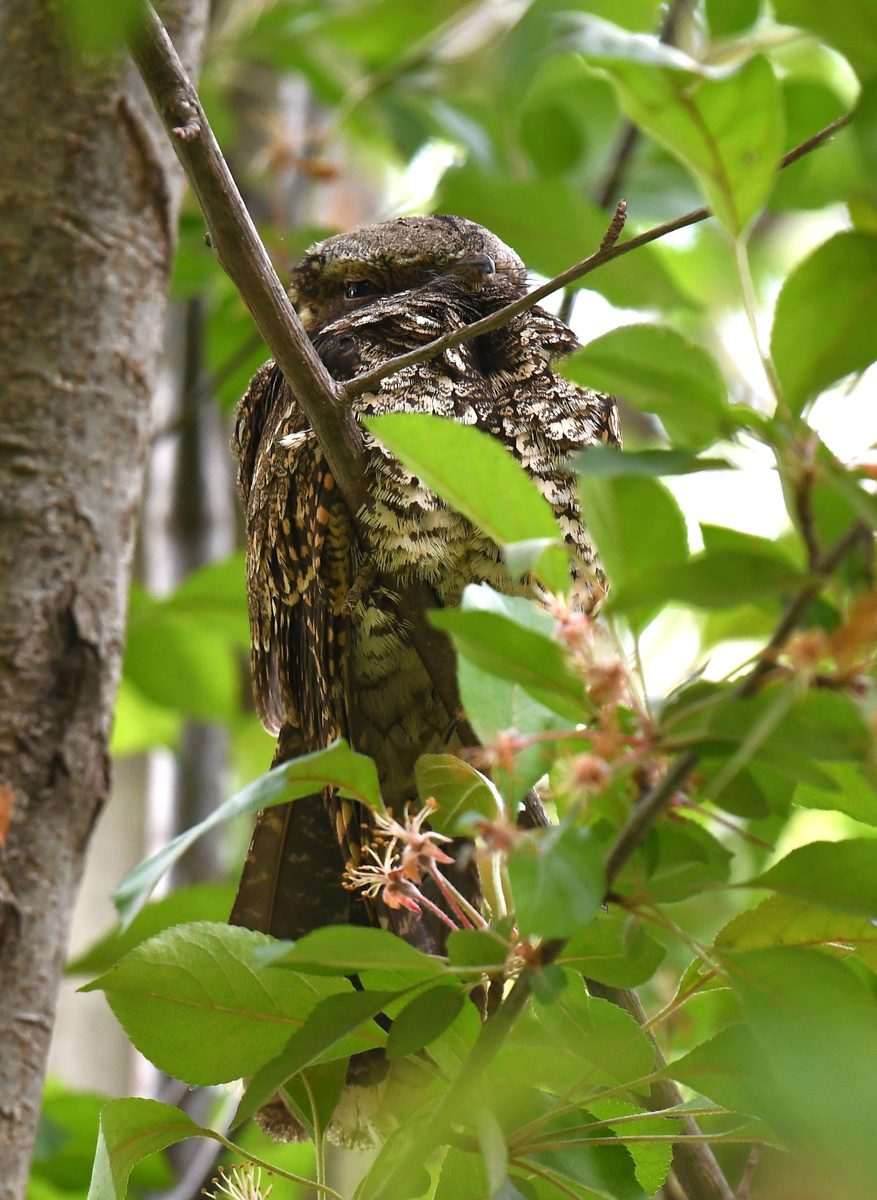
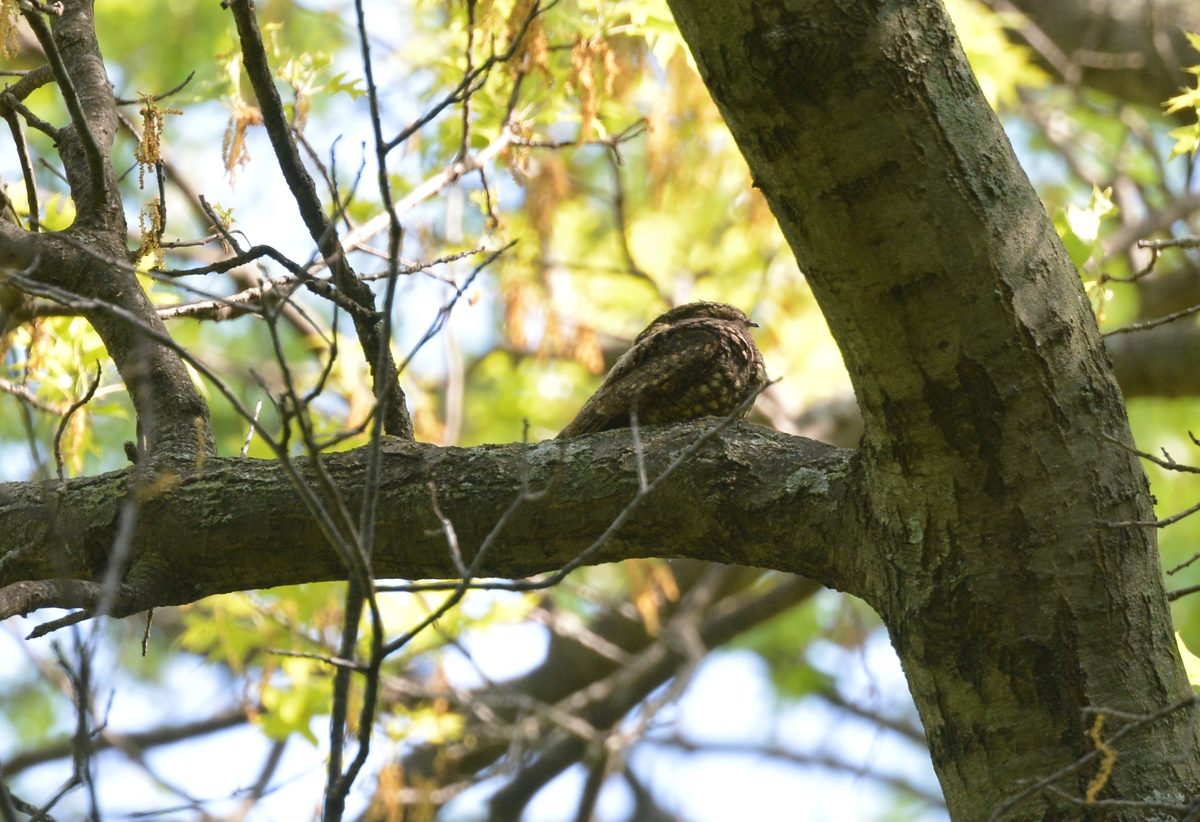
The eastern whip-poor-will (Antrostomus vociferus; also called "whip-o-will", "whip o' will", etc.) is a medium-sized (22–27 cm or 8.7–10.6 in) bird within the nightjar family, Caprimulgidae, from North America. The whip-poor-will is commonly heard within its range, but less often seen due to its disruptive camouflage. It is named onomatopoeically after its song.
Description: Wikipedia (CC BY-SA 4.0).
Where NHESP has recorded it
last recorded since 2001 last recorded earlier
- Bellingham 2025
- Carver 2025
- Greenfield 2025
- Bourne 2024
- Dartmouth 2024
- Montgomery 2024
- Nantucket 2024
- Russell 2024
- Southbridge 2024
- Stoughton 2024
- Templeton 2024
- Winchendon 2024
- Ashby 2023
- Athol 2023
- Belchertown 2023
- Edgartown 2023
- Fall River 2023
- Mashpee 2023
- Plymouth 2023
- Royalston 2023
- Saugus 2023
- Ware 2023
- Wareham 2023
- West Tisbury 2023
- Westfield 2023
- Dunstable 2022
- Hardwick 2022
- Holden 2022
- Shirley 2022
- Wakefield 2022
- Ayer 2021
- Boylston 2021
- Clinton 2021
- Lancaster 2021
- Leominster 2021
- New Salem 2021
- Newbury 2021
- Oakham 2021
- Petersham 2021
- West Boylston 2021
- Barre 2020
- Dalton 2020
- Falmouth 2020
- Montague 2020
- Bolton 2019
- Harvard 2019
- Hatfield 2019
- Melrose 2019
- Sandwich 2019
- Brimfield 2018
- Easthampton 2018
- Groton 2018
- Ipswich 2018
- Lunenburg 2018
- Monson 2018
- Orange 2018
- Stow 2018
- Wendell 2018
- Douglas 2017
- Freetown 2017
- Granville 2017
- Northampton 2017
- Oxford 2017
- Rowley 2017
- Southwick 2017
- Eastham 2016
- Quincy 2016
- Rutland 2016
- Webster 2016
- Wellfleet 2016
- Holyoke 2015
- Sudbury 2015
- Truro 2015
- Peabody 2014
- Salem 2014
- Westport 2013
- Amherst 2012
- Granby 2012
- Oak Bluffs 2012
- Tyngsborough 2012
- Hudson 2011
- Uxbridge 2009
- Hubbardston 2007
- Maynard 2005
- Williamsburg 1988
Town-level documented observations from NHESP’s Rare Species Viewer, read 4 November 2026; the year is the last documented record, as NHESP prints it, not evidence of absence. NHESP does not publish locations. The list shows NHESP’s documented record (year) and, for birds, birders’ reports to eBird in the last 30 days by county.
eBird reports are birders’ sightings, not the state’s record. eBird hides the locations of sensitive species, so a county is the finest level shown here and a species can be missing for that reason. Source: eBird, Cornell Lab of Ornithology, reports of the last 30 days as of 6 November 2026.
More about this species
Population
Only 7 locations in the state hold 20 or more pairs; 10 sites support between 5 and 10 pairs. The roughly 100 other recorded locations typically have no more than a single pair.
Undated on the state fact sheet. Source: Massachusetts state rare-species fact sheet, Eastern Whip-poor-will (published April 2025).
In Massachusetts
Once found nesting throughout the state, the bird began contracting sharply in the 1960s. By the 1970s it had largely withdrawn from the lower Pioneer Valley and from Berkshire, Bristol, and the larger part of Plymouth County. The remaining concentration is in pine barrens.
Source: Massachusetts state rare-species fact sheet, Eastern Whip-poor-will (published April 2025).
Threats
Development removes nesting cover, and fire suppression allows vegetation to close in. Domestic cat predation and collisions with lit buildings take a toll. Declines in large moth populations and vehicle mortality are listed as possible contributing factors, though their magnitude is unresolved.
Source: Massachusetts state rare-species fact sheet, Eastern Whip-poor-will (published April 2025).
Protections
The state has carried the bird on the Special Concern list since 2011. It is also recognized as a priority in the state's wildlife conservation plan.
Source: Massachusetts state rare-species fact sheet, Eastern Whip-poor-will (published April 2025).
One fact
Nesting begins so that eggs hatch close to a full moon, giving the adults bright light for catching moths to feed their young.
Source: Massachusetts state rare-species fact sheet, Eastern Whip-poor-will (published April 2025).
State list: 321 CMR 10.90, as of 16 August 2024. Rare species of Massachusetts · Trees of Massachusetts