Lenox · National Register
Lenox High School
Building · listed 2004
- Type
- Building
- Town
- Lenox
- Listed
- 2004
- Location
- 109 Housatonic St.
- Areas of significance
- Architecture; Community Planning and Development; Education
- Architectural classification
- Colonial Revival; Italian Renaissance
- Reference number
- 04000903
About this listing
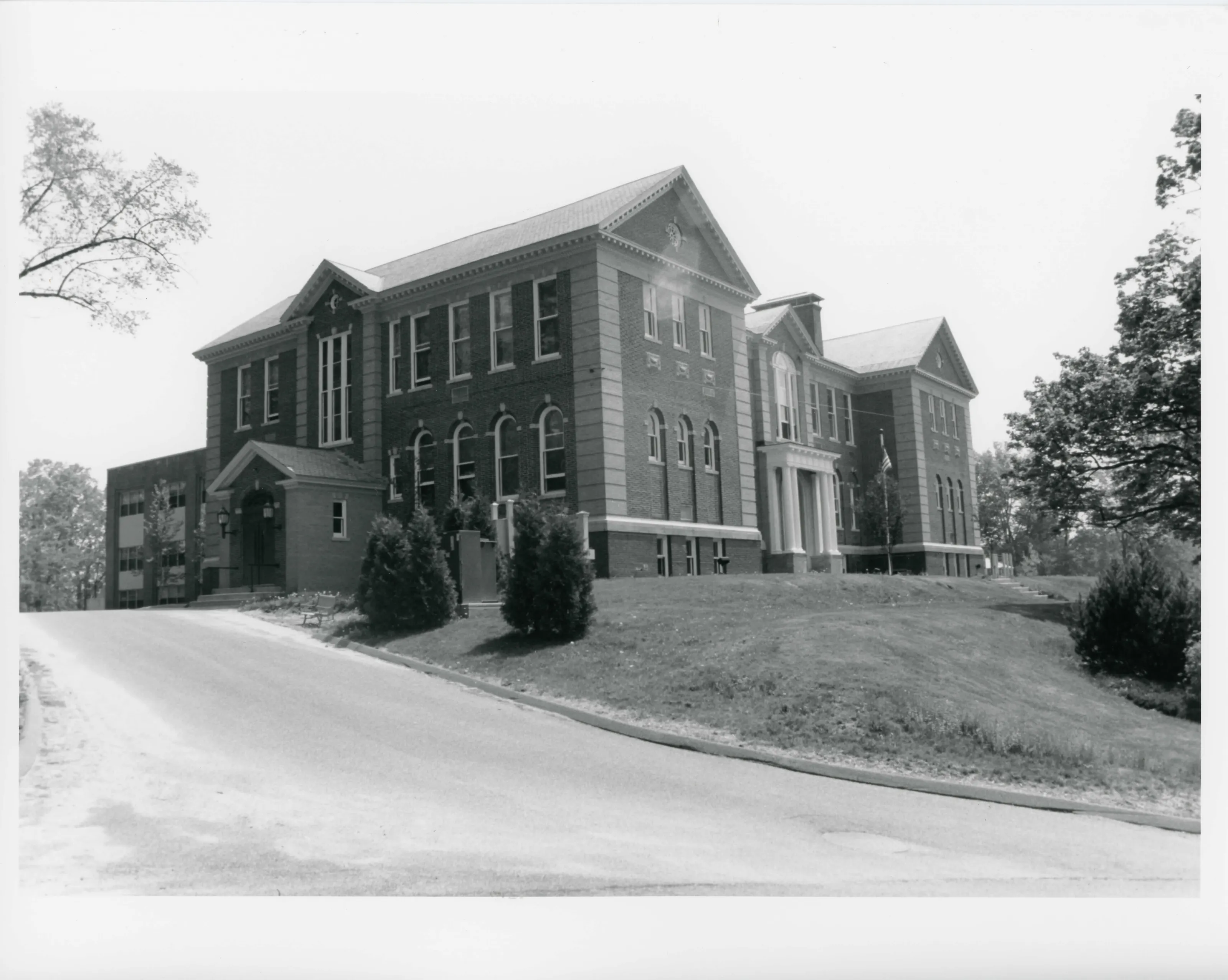
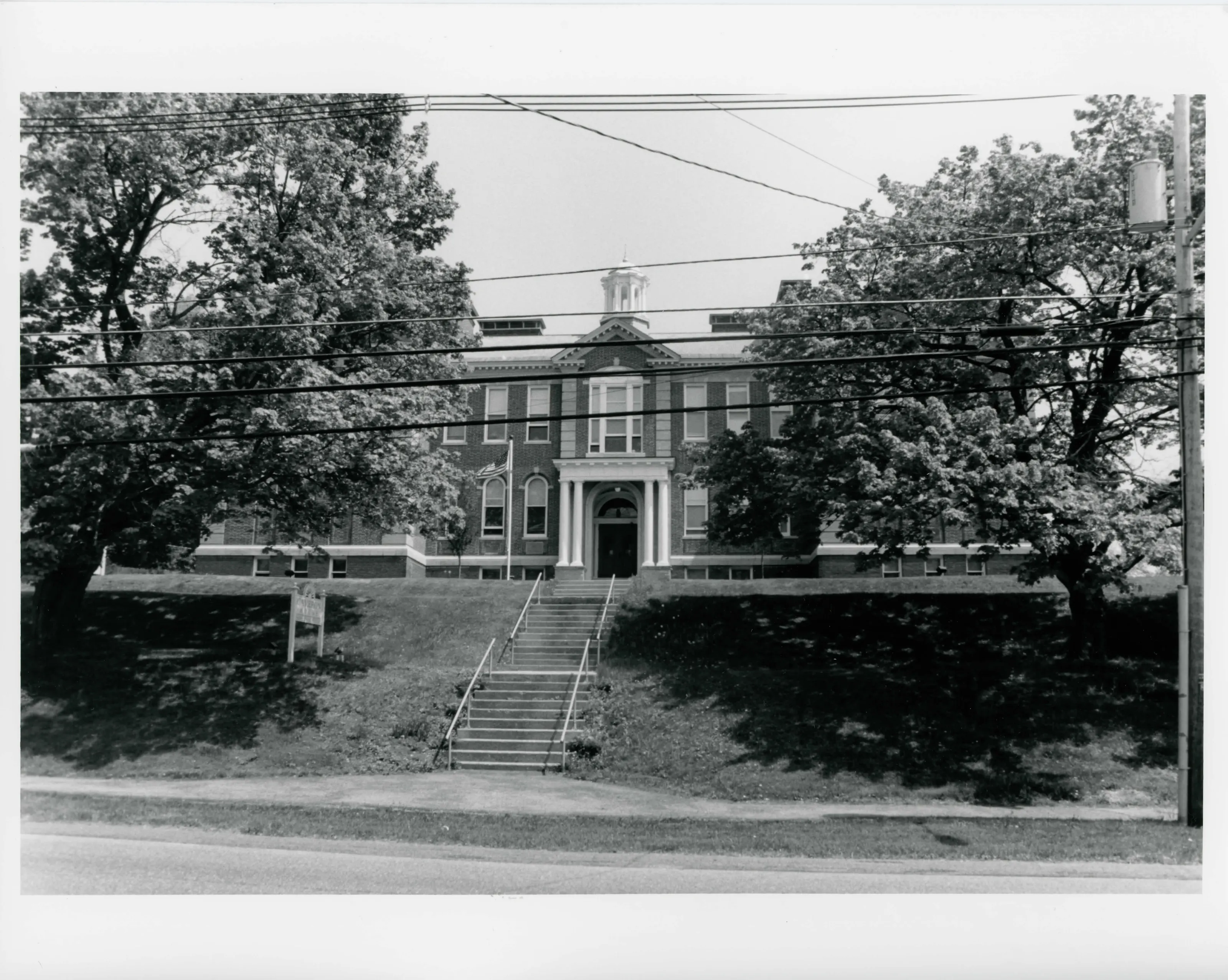
Red brick school on a hill above Housatonic Street on the edge of Lenox Center, constructed in 1908, with a period of significance of 1908 to 1954.
- Built
- 1908
- Significance and period
- Architecture; Community Planning and Development; Education (1908-1954)
Portions of Lenox were designated a reservation for the Mahican tribe in 1736, before the Hinsdale family colonized the area in 1750.
“The period of significance is from the date of construction in 1908 to 1954”
National Register nomination
Summary paraphrased from the nomination text; the form is linked below.
What the nomination says it is
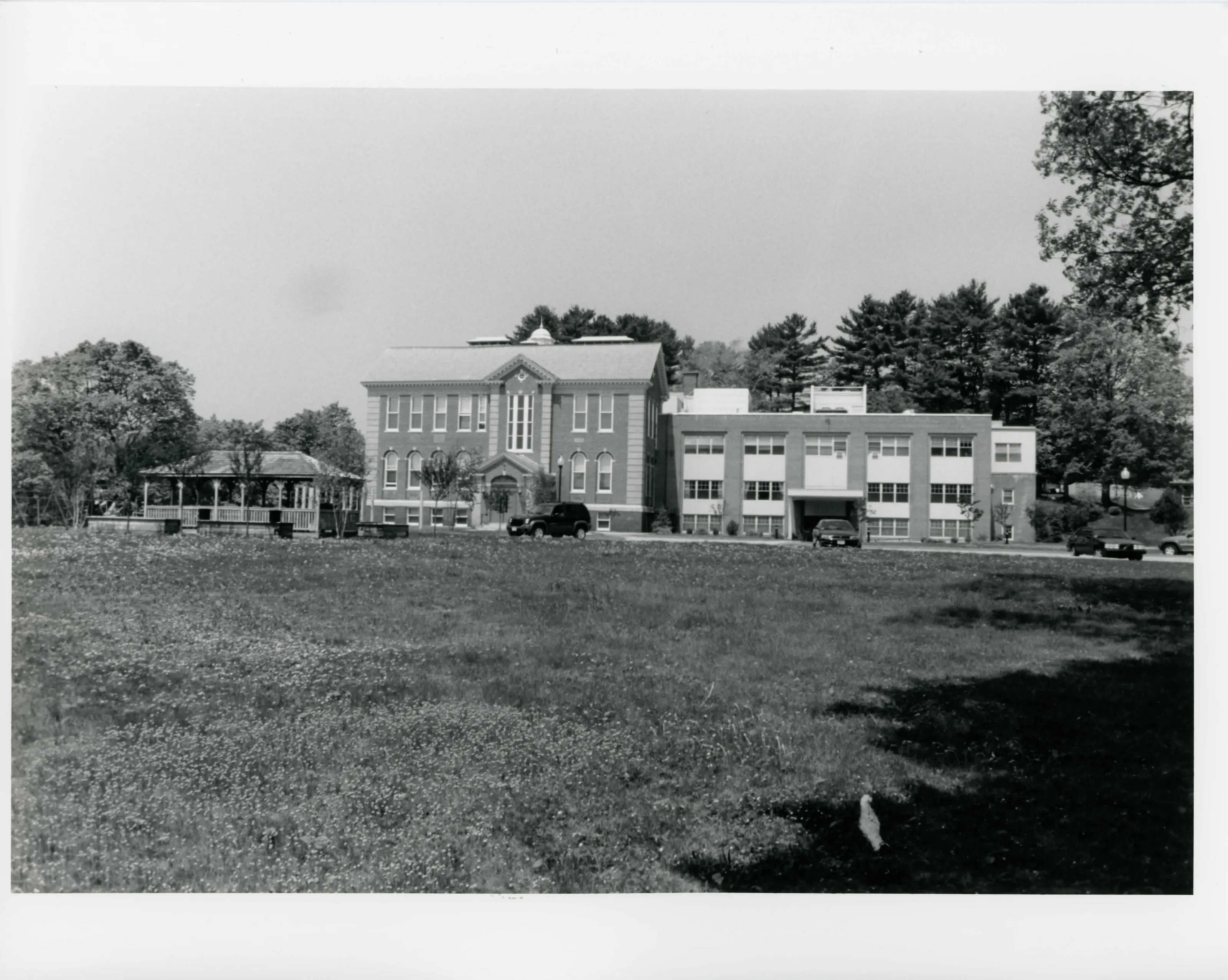
NARRATIVE DESCRIPTION Lenox High School is located on the outskirts of Lenox Center in a neighborhood of modest, singlefamily, wood-framehomes. The building is imposingly sited on a hill facing southwest overlooking Housatonic Street. A red brick structure with terra cotta and buff brick trim, Lenox High School is designed in an eclectic style that combines a strong Colonial Revival vocabulary with Second Renaissance Revival detail.
From the National Register nomination, 2004.
Why it is on the Register
The period of significance is from the date of construction in 1908 to 1954, the standardfifty-yearcut off established to allow for historical perspective. First colonized by the Hinsdale family in 1750, portions of Lenox had previously been designated a reservation for the Mahican tribe in 1736. Increased settlement by Europeans after the close of the French and Indian Wars led to the forced relocation of the Mahicans to New York State. Throughout the Colonial Period, the Lenox economy was based on farming, timber, and small industry. The town remained little changed until its discovery by New York artists, writers, and intellectuals as early as the 1830s. With the post-Civil War economic boom, a new class of tourists discovered the Berkshires.
From the National Register nomination, 2004.
Quoted from the scanned form as the National Archives’ text layer reads it. Line breaks are joined; reading errors are left as they are.
Sources, rights and limits
- Listing facts. National Park Service, National Register of Historic Places spatial data, queried 6 November 2026: type, year listed, landmark status, map location. U.S. government work, public domain.
- Nomination text and areas of significance. National Archives catalog record 63794228, “Massachusetts SP Lenox High School”. National Register nomination forms are U.S. government records and public domain. The quoted text is the catalog’s text layer (machine reading of the scan, 2025-07-29), not a transcription.
- Photographs. Photographs are reproduced from the nomination file at the National Archives with the photographer’s credit as typed on the print; rights may remain with the photographer. Write to hello@parcenomics.com to have one removed.
- Location line. Address as in the Park Service layer.
- Outline. Town boundary from the Commonwealth’s town layer, generalized. Not a survey.