Rare species of Massachusetts · Reptiles
Northern Red-bellied Cooter
Status Endangered · Federal status Federally Endangered · Group Reptiles · Recorded in 20 towns, 19 since 2001 · State sightings records: most recent 2025
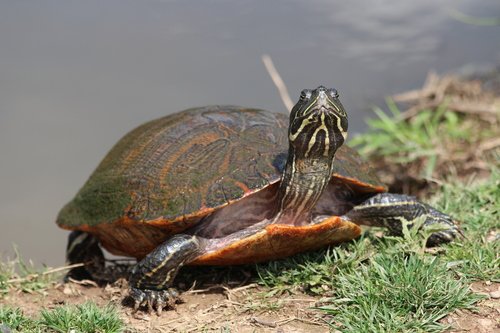
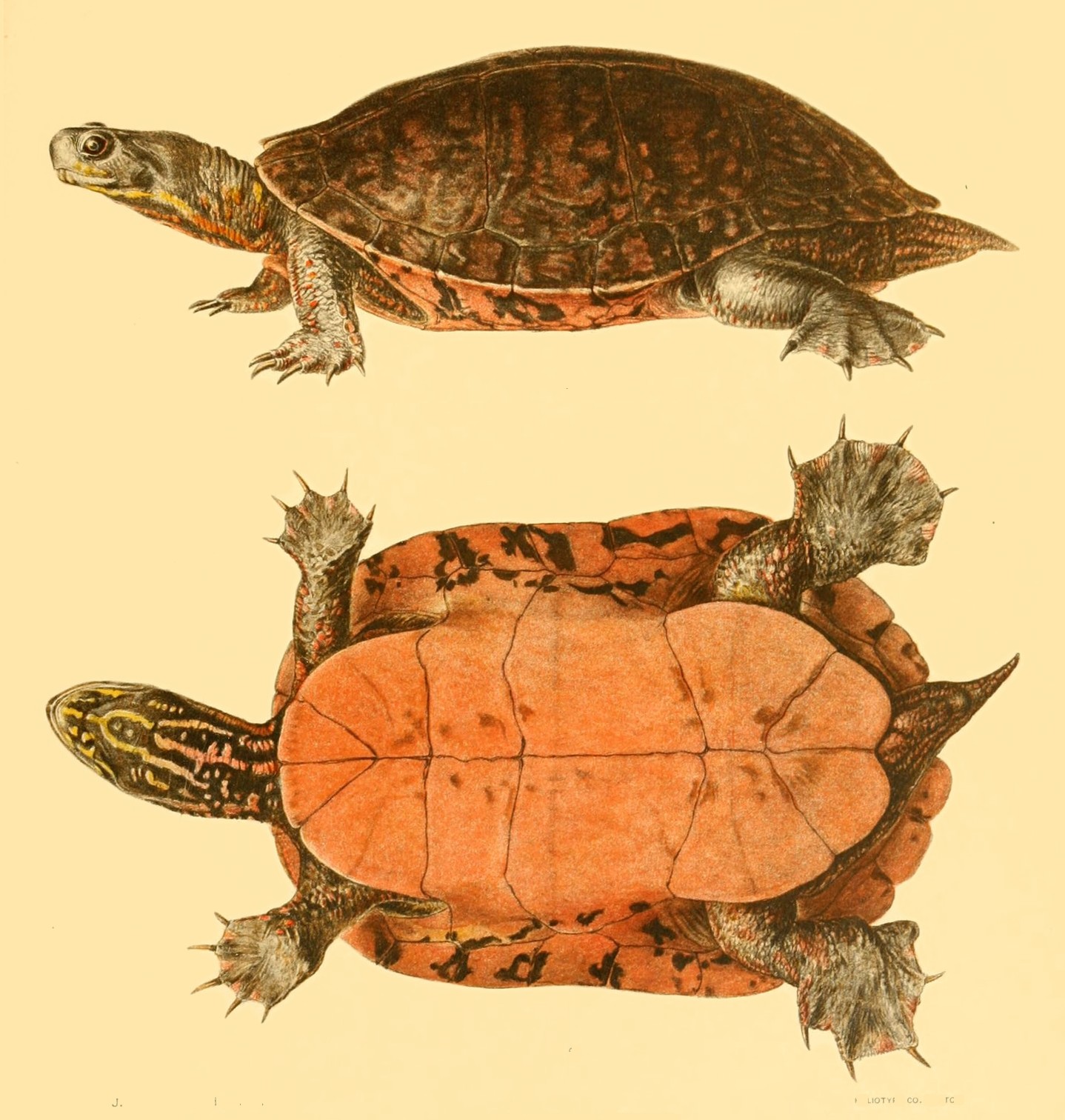
This species is listed by the U.S. Fish & Wildlife Service as P.r. bangsi (Plymouth Redbelly Turtle) in 50 CFR 17.11.
Where NHESP has recorded it
last recorded since 2001 last recorded earlier
- Halifax 2025
- Hanson 2025
- Middleborough 2024
- Carver 2023
- Plymouth 2022
- Rochester 2022
- Norton 2021
- Saugus 2021
- Foxborough 2020
- Taunton 2020
- Wareham 2020
- Barnstable 2019
- Lakeville 2019
- Acushnet 2017
- Freetown 2017
- Raynham 2009
- Pembroke 2008
- Bridgewater 2005
- Bourne 2003
- Kingston 1979
Town-level documented observations from NHESP’s Rare Species Viewer, read 4 November 2026; the year is the last documented record, as NHESP prints it, not evidence of absence. NHESP does not publish locations.
More about this species
Population
At the time of federal listing in 1980, fewer than 300 individuals remained. The population has since grown to roughly ten times that number, now occupying at least 43 water bodies and connected river reaches. Through 2024, more than 5,000 captive-reared turtles had been released.
State fact sheet, 2025. Source: Massachusetts state rare-species fact sheet, Northern Red-bellied Cooter (published March 2025).
In Massachusetts
Plymouth and Bristol Counties account for most known sites. Additional, smaller groups are present in Norfolk County and in Barnstable County on the landward side of the Canal. Unconfirmed observations from the Ipswich River drainage have not been substantiated.
Source: Massachusetts state rare-species fact sheet, Northern Red-bellied Cooter (published March 2025).
Threats
Loss of upland nesting cover, reduced connectivity between water bodies, vehicle strikes, intense predation on hatchlings, invasive vegetation, coastal pond eutrophication, boat propeller injuries, disease, and competition from non-native red-eared sliders all slow recovery. Late sexual maturity and low annual reproduction compound these pressures.
Source: Massachusetts state rare-species fact sheet, Northern Red-bellied Cooter (published March 2025).
Protections
State law classifies this species as Endangered. The 1980 federal rule (45 FR 21828) protected the Massachusetts group under an older common name referencing Plymouth and the distinctive belly coloration. A captive-rearing partnership with federal agencies has operated continuously since 1984.
Source: Federal Register, Listing as Endangered With Critical Habitat for the Plymouth Red-Bellied Turtle in Massachusetts, 45 FR 21828 (April 2, 1980); Massachusetts state rare-species fact sheet, Northern Red-bellied Cooter (published March 2025).
One fact
Wild individuals can survive for more than 60 years. Juveniles raised in captivity through their first year reach a body size comparable to wild turtles three years old before being released.
Source: Massachusetts state rare-species fact sheet, Northern Red-bellied Cooter (published March 2025).
Related species
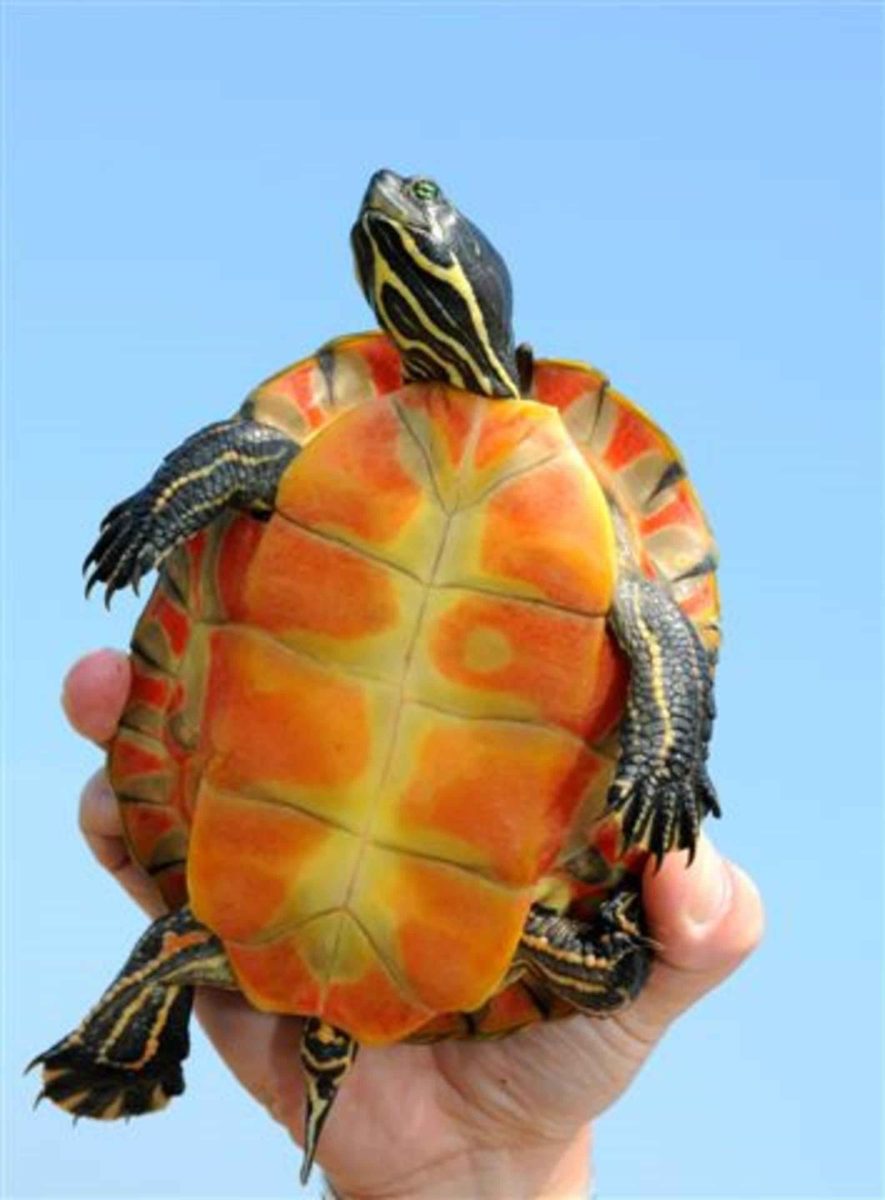
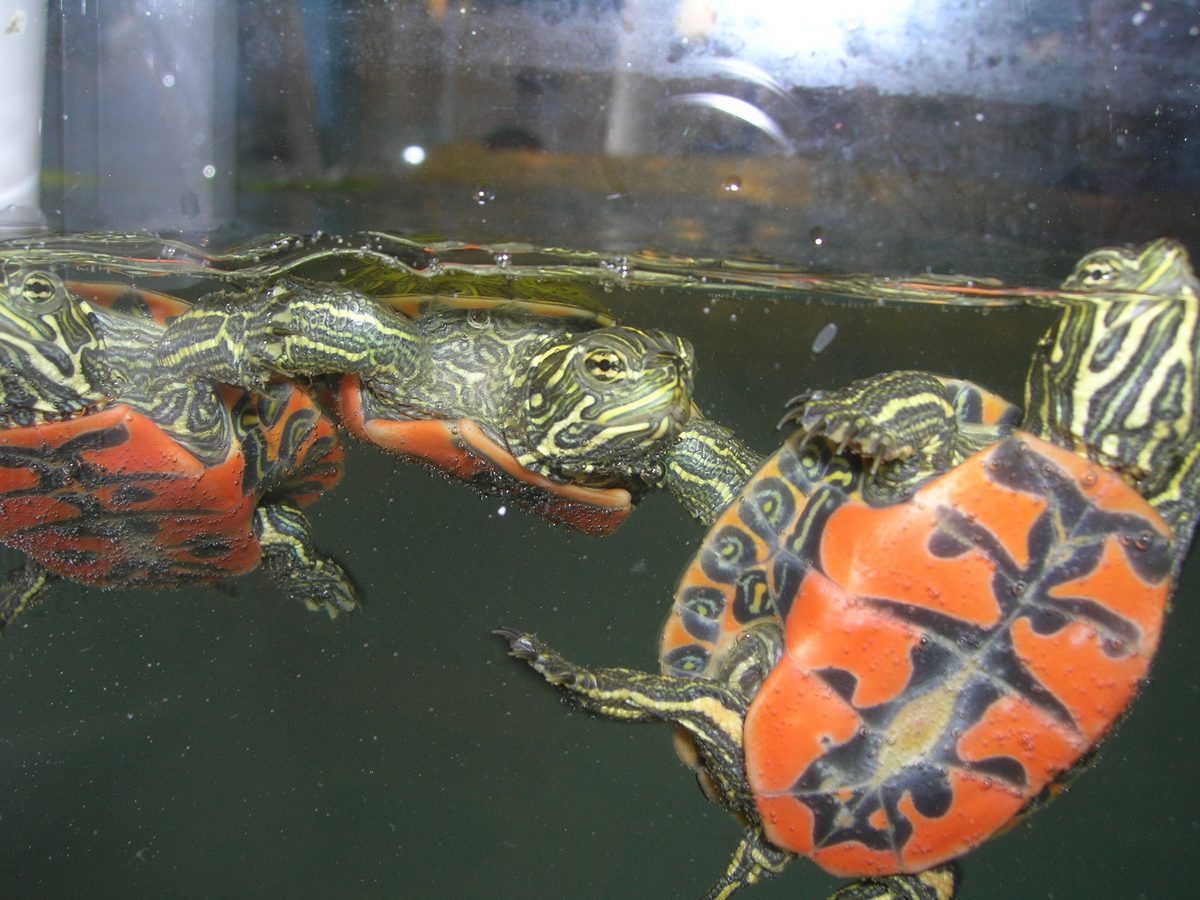
Freshwater turtles on the state list:
State list: 321 CMR 10.90, as of 16 August 2024. Rare species of Massachusetts · Trees of Massachusetts