Rare species of Massachusetts · Reptiles
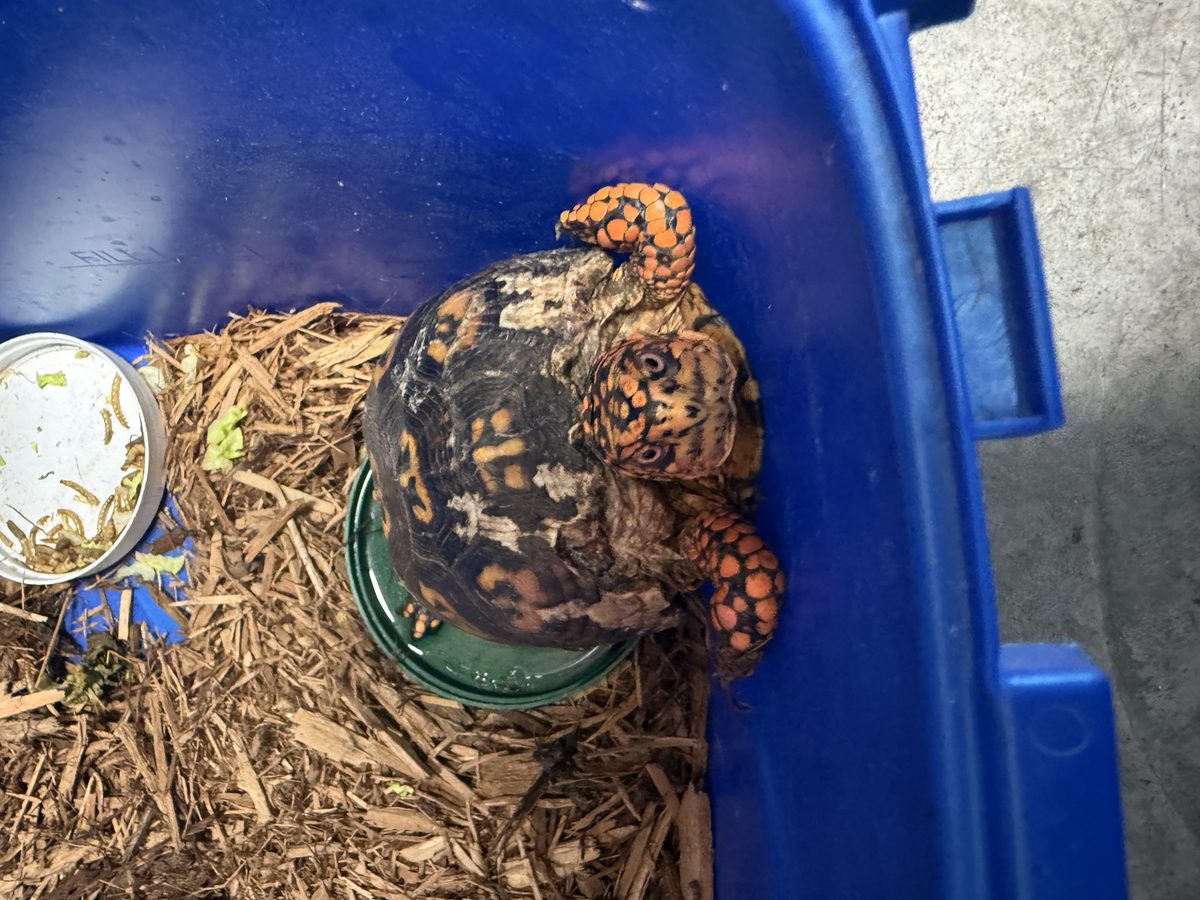
Eastern Box Turtle
Status Special Concern · Group Reptiles · Recorded in 186 towns, 155 since 2001 · State sightings records: most recent 2025
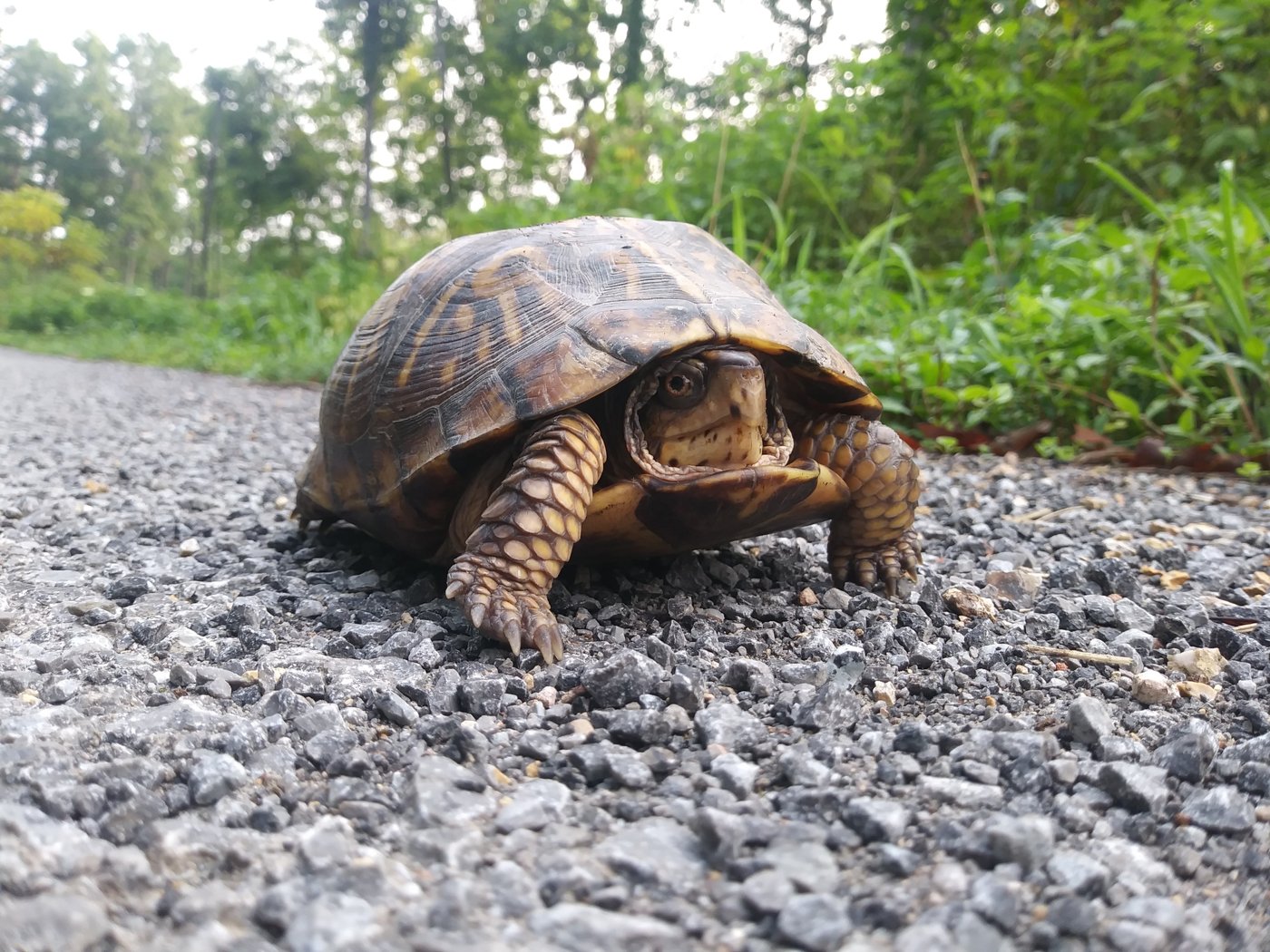
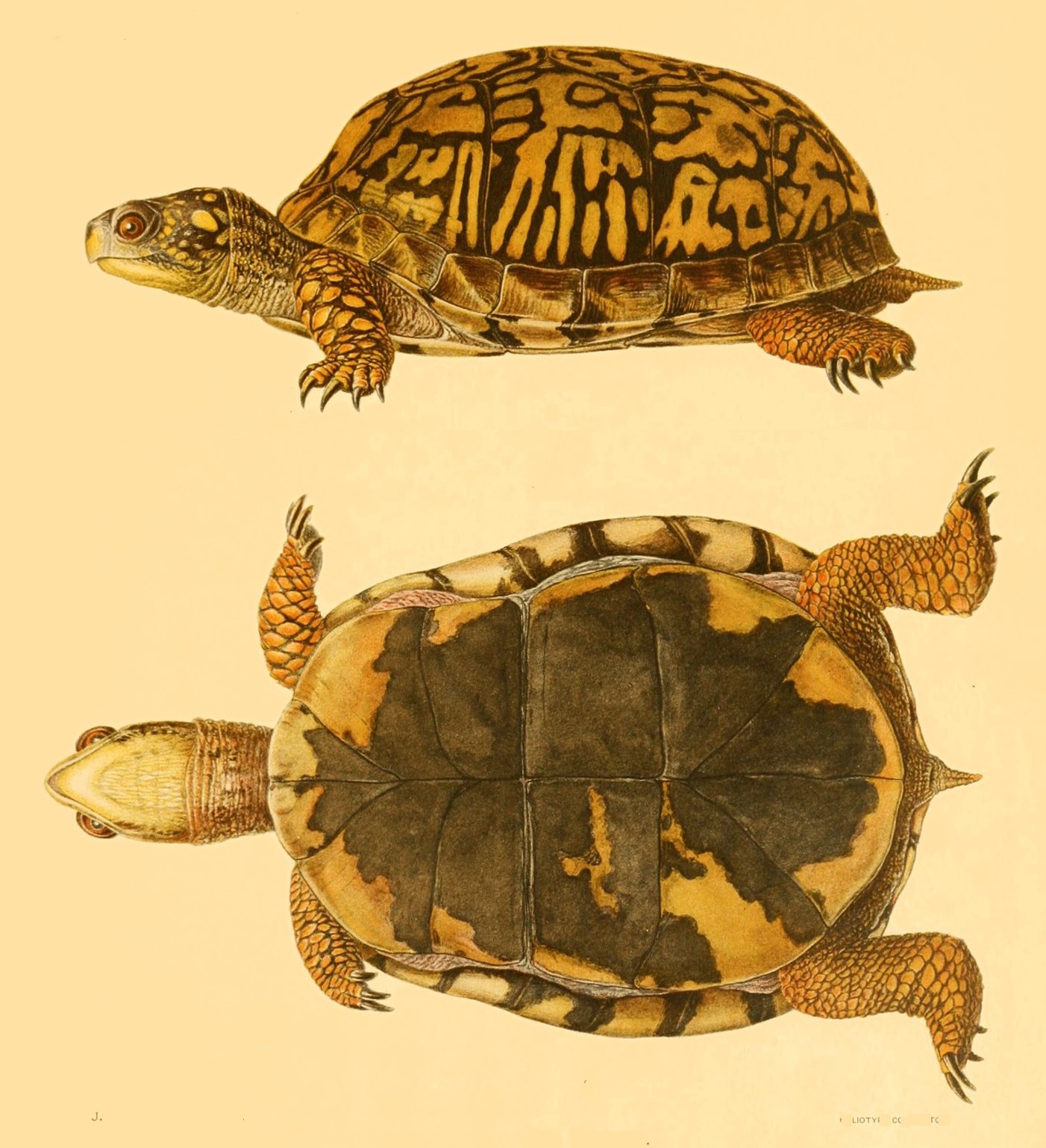
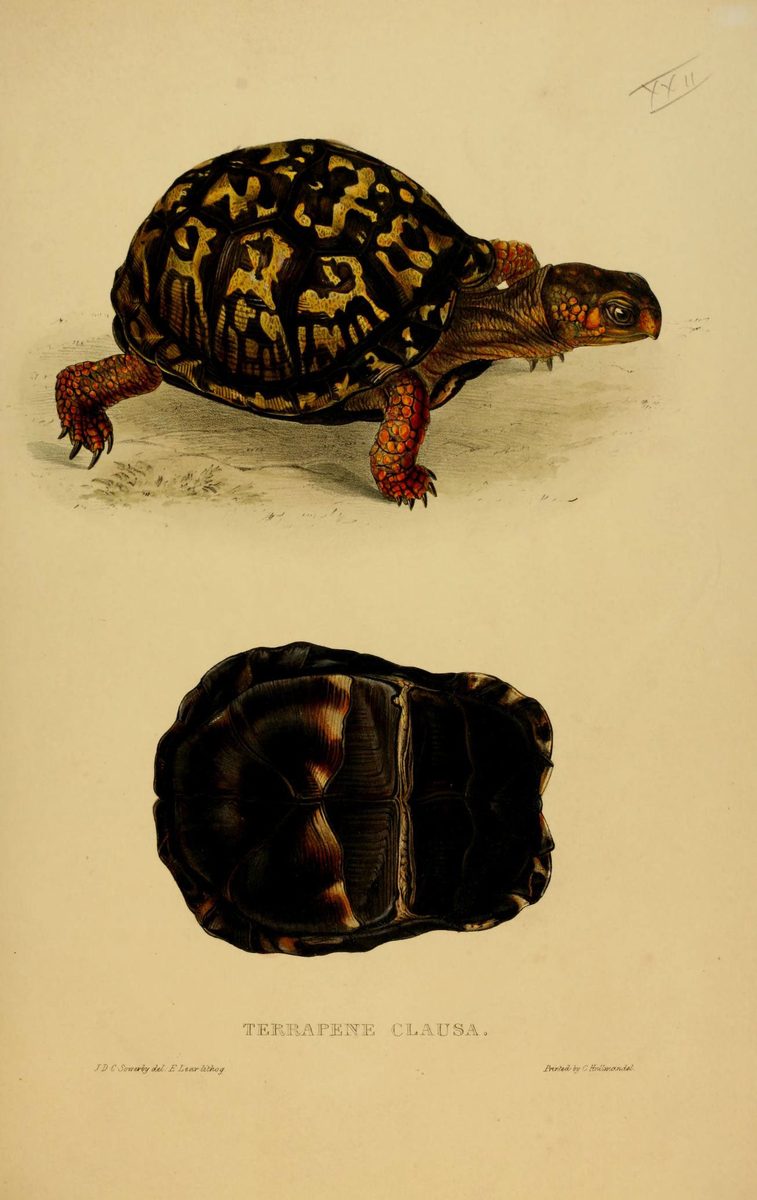
The common box turtle (Terrapene carolina) is a species of box turtle with five existing subspecies. It is found throughout the Eastern United States and Mexico. The box turtle has a distinctive hinged lower shell that allows it to completely enclose itself, like a box.
Description: Wikipedia (CC BY-SA 4.0).
Where NHESP has recorded it
last recorded since 2001 last recorded earlier
- Barnstable 2025
- Bourne 2025
- Falmouth 2025
- Harwich 2025
- Hatfield 2025
- Middleborough 2025
- Northampton 2025
- Plymouth 2025
- Rochester 2025
- Sandwich 2025
- Sharon 2025
- Sunderland 2025
- Wareham 2025
- Yarmouth 2025
- Agawam 2024
- Brewster 2024
- Chatham 2024
- Fall River 2024
- Freetown 2024
- Groton 2024
- Ipswich 2024
- Pembroke 2024
- Wellfleet 2024
- Westport 2024
- Hampden 2023
- Kingston 2023
- Mattapoisett 2023
- Montague 2023
- Orleans 2023
- Plympton 2023
- Provincetown 2023
- West Tisbury 2023
- Belchertown 2022
- Dennis 2022
- Dunstable 2022
- Duxbury 2022
- Georgetown 2022
- Hudson 2022
- Lakeville 2022
- Marlborough 2022
- Marshfield 2022
- Southwick 2022
- Sudbury 2022
- Tisbury 2022
- Uxbridge 2022
- Ware 2022
- Andover 2021
- Berkley 2021
- Easthampton 2021
- Halifax 2021
- Holyoke 2021
- Mansfield 2021
- Maynard 2021
- New Marlborough 2021
- Rehoboth 2021
- Wilbraham 2021
- Acushnet 2020
- Bridgewater 2020
- Dartmouth 2020
- Eastham 2020
- Essex 2020
- Granby 2020
- Mashpee 2020
- Millville 2020
- Raynham 2020
- Stow 2020
- Tewksbury 2020
- Truro 2020
- Upton 2020
- Walpole 2020
- Amherst 2019
- Berlin 2019
- Boxborough 2019
- Foxborough 2019
- Granville 2019
- Hanson 2019
- Lancaster 2019
- Marion 2019
- Nantucket 2019
- Norfolk 2019
- Rockland 2019
- West Springfield 2019
- Westfield 2019
- Weymouth 2019
- Carver 2018
- Easton 2018
- Monson 2018
- Scituate 2018
- Tyngsborough 2018
- Winchendon 2018
- Edgartown 2017
- Fairhaven 2017
- Hingham 2017
- Shutesbury 2017
- Topsfield 2017
- Billerica 2016
- Holliston 2016
- Norton 2016
- Bellingham 2015
- East Bridgewater 2015
- Franklin 2015
- Mendon 2015
- Needham 2015
- Pelham 2015
- Dighton 2014
- New Bedford 2014
- Northbridge 2014
- Norwell 2014
- Princeton 2014
- Sutton 2014
- Bolton 2013
- Carlisle 2013
- Plainville 2013
- South Hadley 2013
- Avon 2012
- Grafton 2012
- Holland 2012
- Chelmsford 2011
- Framingham 2011
- North Attleborough 2011
- Rutland 2011
- Southampton 2011
- Taunton 2011
- Concord 2010
- Hanover 2010
- Leverett 2010
- North Reading 2010
- Stoughton 2010
- West Brookfield 2010
- Attleboro 2009
- Chicopee 2009
- Chilmark 2009
- Hopkinton 2009
- Townsend 2009
- Harvard 2008
- Holbrook 2008
- Swansea 2008
- West Bridgewater 2008
- Clinton 2007
- Natick 2007
- Sherborn 2007
- Littleton 2006
- Springfield 2006
- Wayland 2006
- Barre 2005
- Dracut 2005
- Wilmington 2005
- Bedford 2004
- Palmer 2004
- Petersham 2004
- Wenham 2004
- Pepperell 2003
- Southborough 2003
- Weston 2003
- Wrentham 2003
- Wales 1999
- Burlington 1998
- Gosnold 1998
- Merrimac 1998
- Braintree 1997
- Saugus 1997
- Ludlow 1996
- Peabody 1995
- Russell 1995
- Sheffield 1995
- Webster 1994
- Douglas 1993
- Dover 1993
- Hubbardston 1992
- Lexington 1992
- Milton 1992
- Worcester 1992
- Norwood 1989
- Auburn 1988
- Millbury 1988
- Oak Bluffs 1988
- East Longmeadow 1987
- Spencer 1985
- Hadley 1984
- Ayer 1979
- Erving 1978
- Boston 1939
- Rockport 1937
- Canton 1917
- Cambridge 1892
- Medway No Date
Town-level documented observations from NHESP’s Rare Species Viewer, read 4 November 2026; the year is the last documented record, as NHESP prints it, not evidence of absence. NHESP does not publish locations.
More about this species
In Massachusetts
Southeastern Massachusetts holds the highest concentrations, generally below about 600 to 800 feet in elevation. Very few individuals have been recorded in Essex County; no established groups are known in the Berkshires; and whether a viable population exists on Nantucket is unresolved.
Source: Massachusetts state rare-species fact sheet, Eastern Box Turtle (published April 2025).
Threats
Development and habitat fragmentation are the foremost pressures; additional factors include vehicle mortality, unauthorized collection, mowing of fields and powerline corridors during the active season, invasive vegetation, and disease. Releasing captive box turtles of non-native origin can introduce pathogens and lead to hybridization.
Source: Massachusetts state rare-species fact sheet, Eastern Box Turtle (published April 2025).
Protections
The eastern box turtle holds Special Concern status under state wildlife law.
Source: Massachusetts state rare-species fact sheet, Eastern Box Turtle (published April 2025).
One fact
Field records from Massachusetts and New York document individual box turtles still living at 100 years old or beyond.
Source: Massachusetts state rare-species fact sheet, Eastern Box Turtle (published April 2025).
Related species
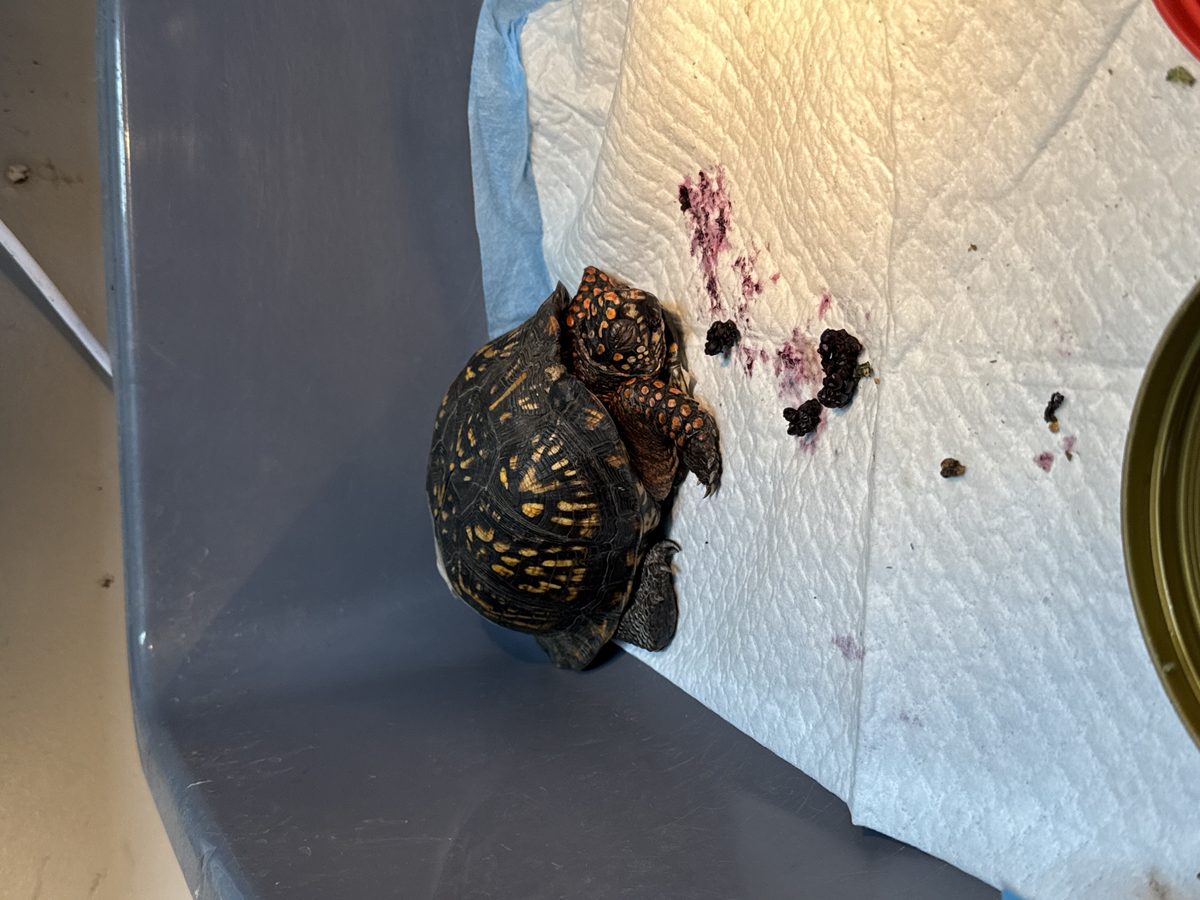
Freshwater turtles on the state list:
State list: 321 CMR 10.90, as of 16 August 2024. Rare species of Massachusetts · Trees of Massachusetts