Rare species of Massachusetts · Reptiles
Leatherback Sea Turtle
Status Endangered · Federal status Federally Endangered · Group Reptiles · Recorded in no town
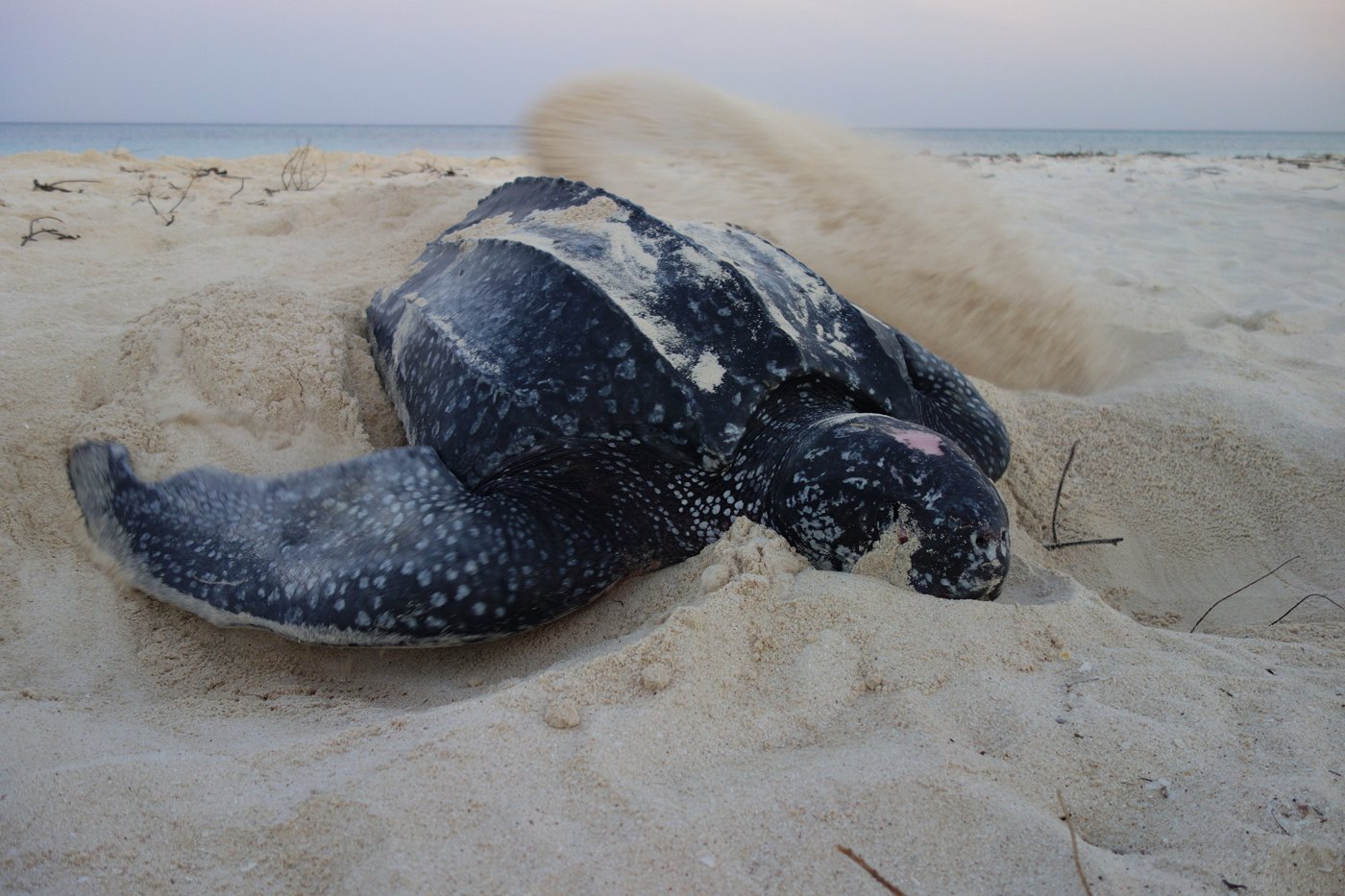
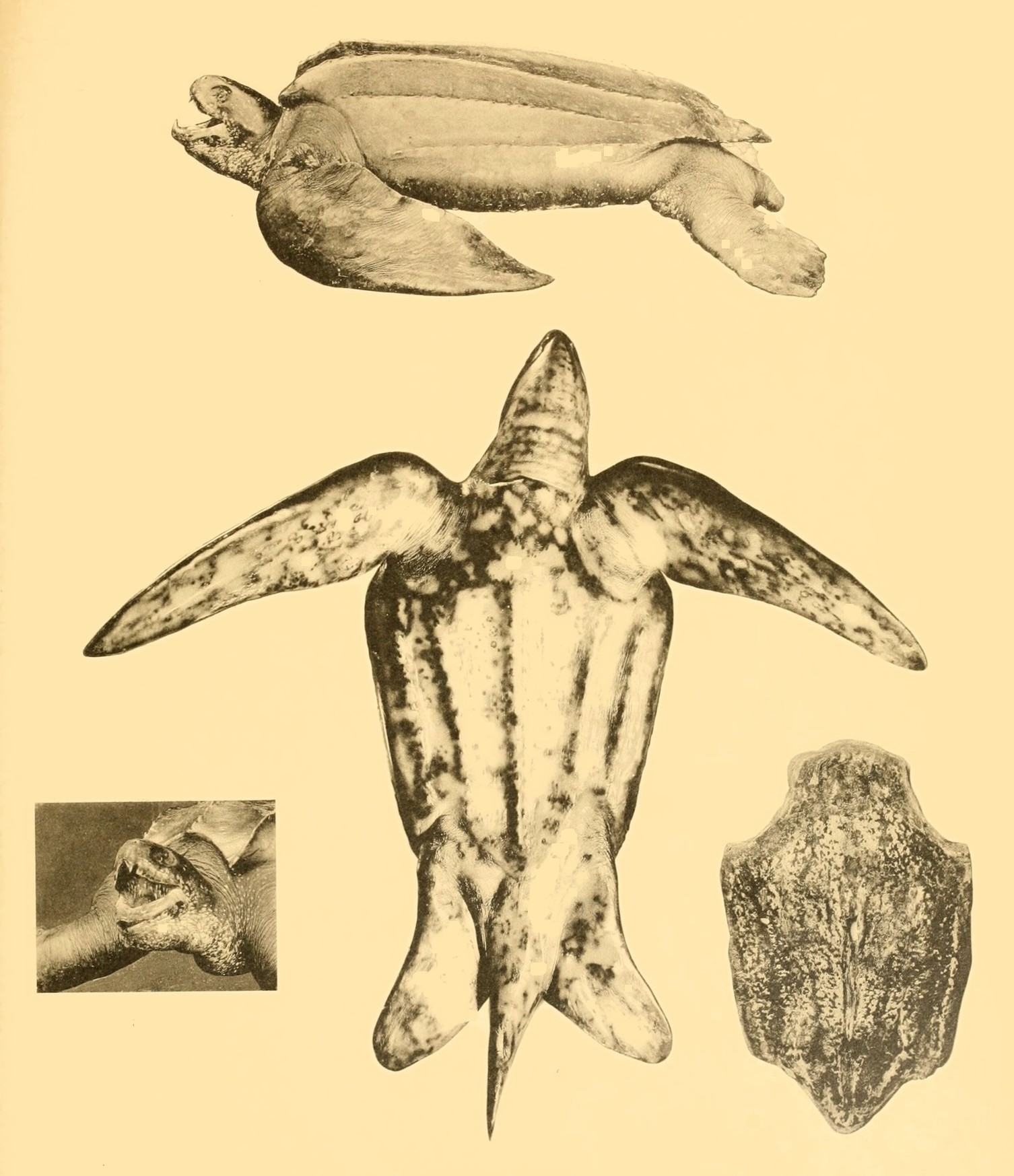
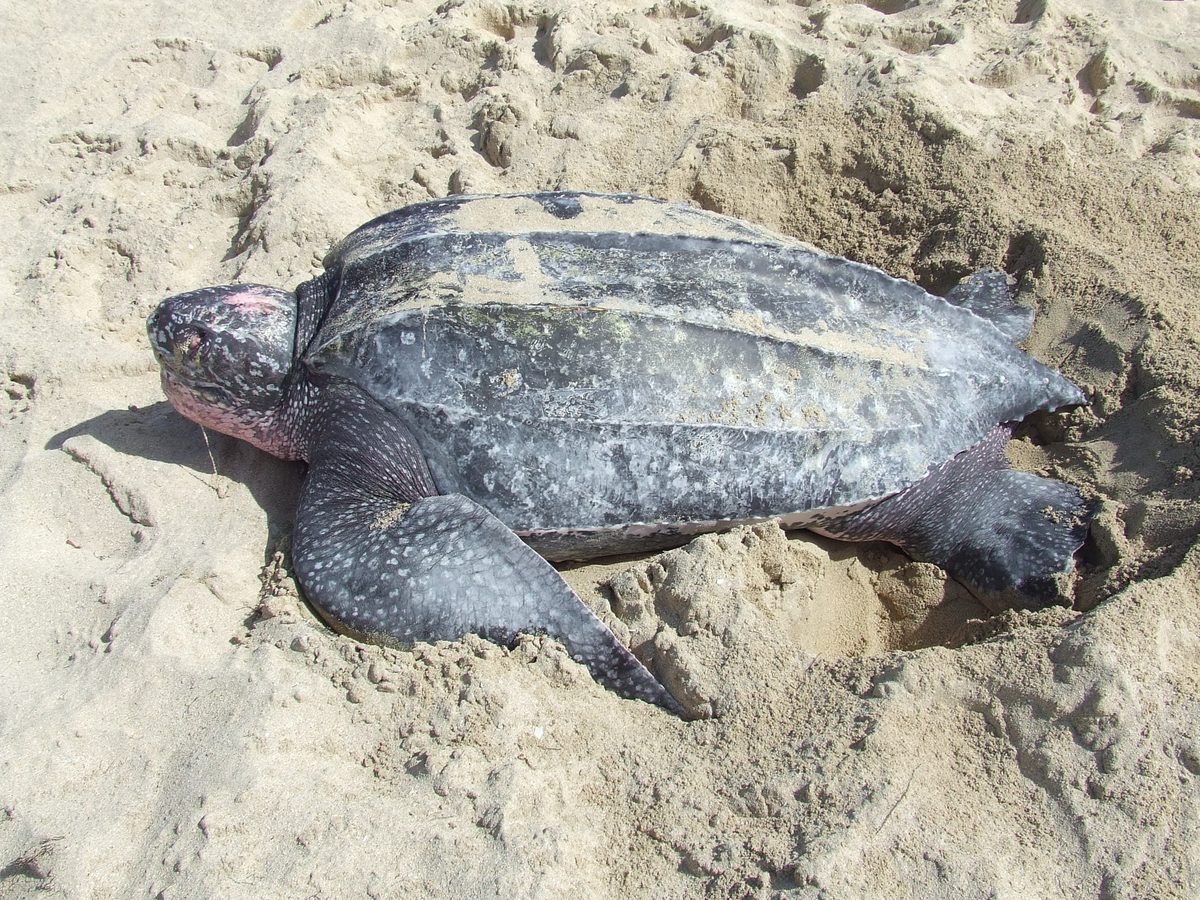
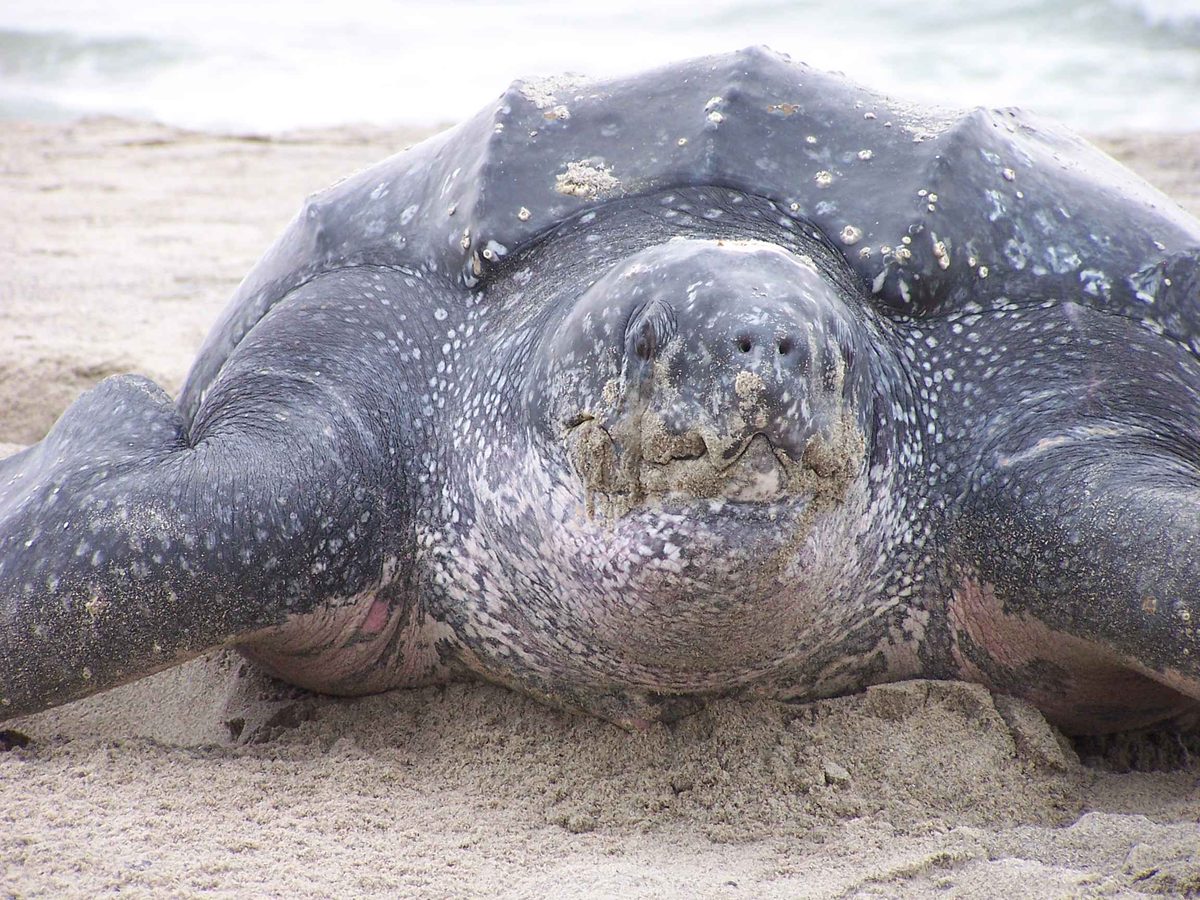
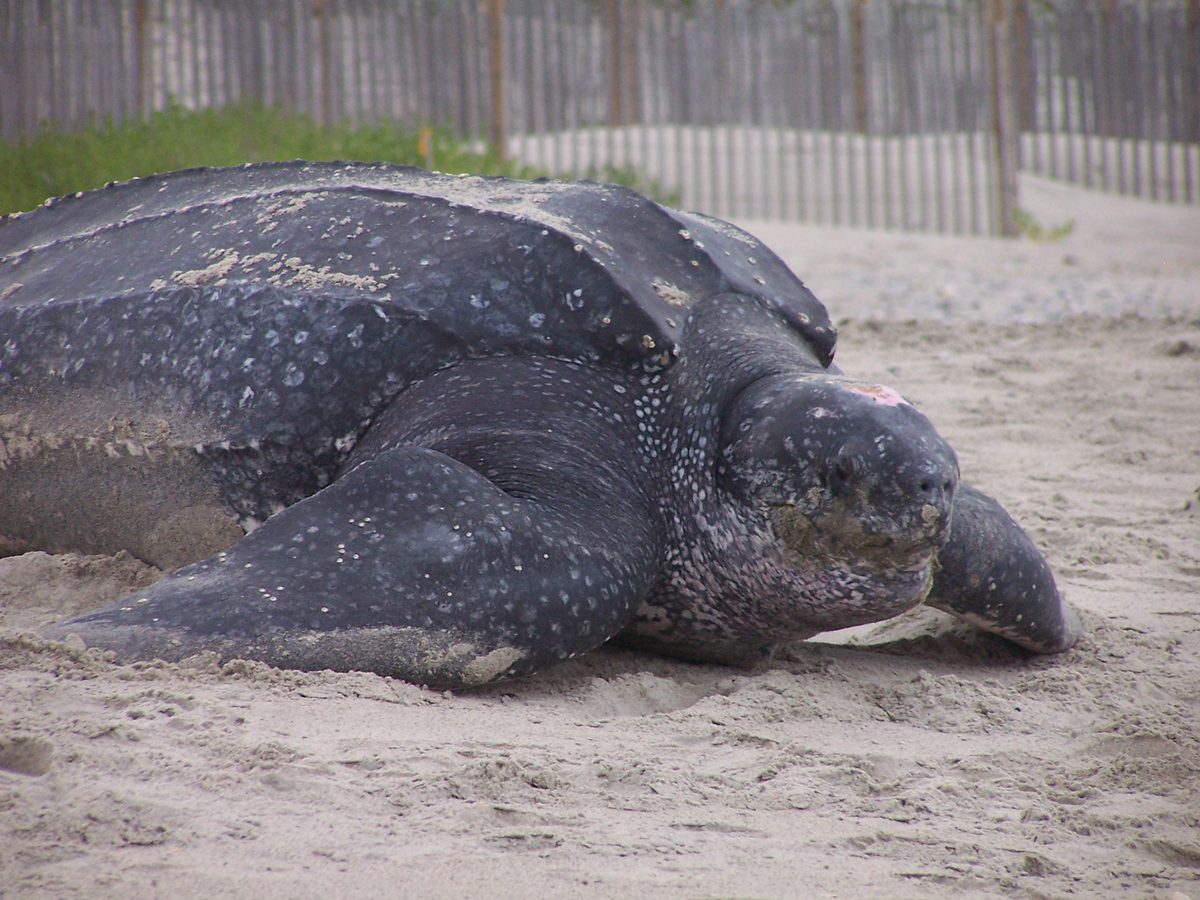
The leatherback sea turtle (Dermochelys coriacea), sometimes called the lute turtle, leathery turtle or simply the luth, is a large species of sea turtle. The largest of all living turtles and the heaviest non-crocodilian reptile, it reaches lengths of up to 2.7 metres (8 ft 10 in) and weights of 500 kilograms (1,100 lb). It is the only living species in the genus Dermochelys and family Dermochelyidae.
Description: Wikipedia (CC BY-SA 4.0).
Where it is
It is listed for Massachusetts waters; the viewer records species by city and town, and the open sea has none.
More about this species
Population
Global numbers have dropped by 40 percent measured across three generations. Nesting activity in the Northwest Atlantic showed gains for a period but has recently declined at multiple sites, including Atlantic-coast beaches in Florida.
Over three generations. Source: NOAA Fisheries, Leatherback Turtle (updated August 3, 2026).
In Massachusetts
The species is recorded annually along the state's coastline, with the largest concentrations found in and around the sounds south of the Cape and in the bay. Animals appear during summer and into fall, tracking jellyfish prey.
Source: Massachusetts state rare-species fact sheet, Leatherback Sea Turtle (undated).
Threats
Incidental capture in fishing gear is the leading hazard. Additional pressures include the taking of adults and eggs, nesting beach loss, vessel collisions, ingestion of or entanglement in plastic debris, and shifts in ocean conditions.
Source: NOAA Fisheries, Leatherback Turtle.
Protections
The species holds Endangered status under both federal and state law. A disentanglement response effort supported in part by state marine fisheries funding handles roughly ten to twenty incidents involving entangled animals each year. Federal management measures include gear requirements and seasonal closures.
Source: NOAA Fisheries, Leatherback Turtle; Massachusetts state rare-species fact sheet, Leatherback Sea Turtle (undated).
One fact
Fully grown leatherbacks reach five to six feet in length and weigh between 750 and 1,000 pounds; their diet consists largely of gelatinous prey — primarily jellyfish and salps.
Source: NOAA Fisheries, Leatherback Turtle.
Related species
Sea turtles on the state list:
State list: 321 CMR 10.90, as of 16 August 2024. Rare species of Massachusetts · Trees of Massachusetts