Rare species of Massachusetts · Reptiles
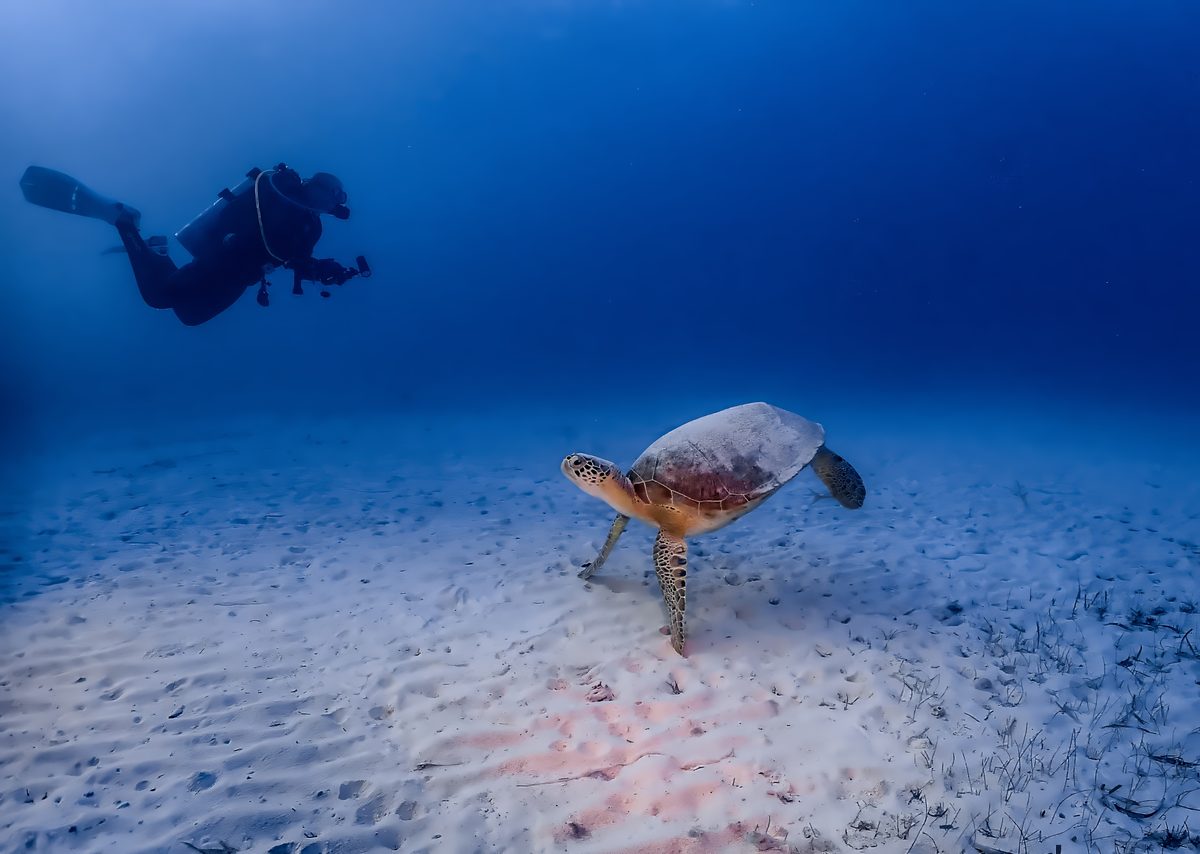
Green Sea Turtle
Status Threatened · Federal status Federally Threatened · Group Reptiles · Recorded in 1 town, 1 since 2001 · State sightings records: most recent 2025
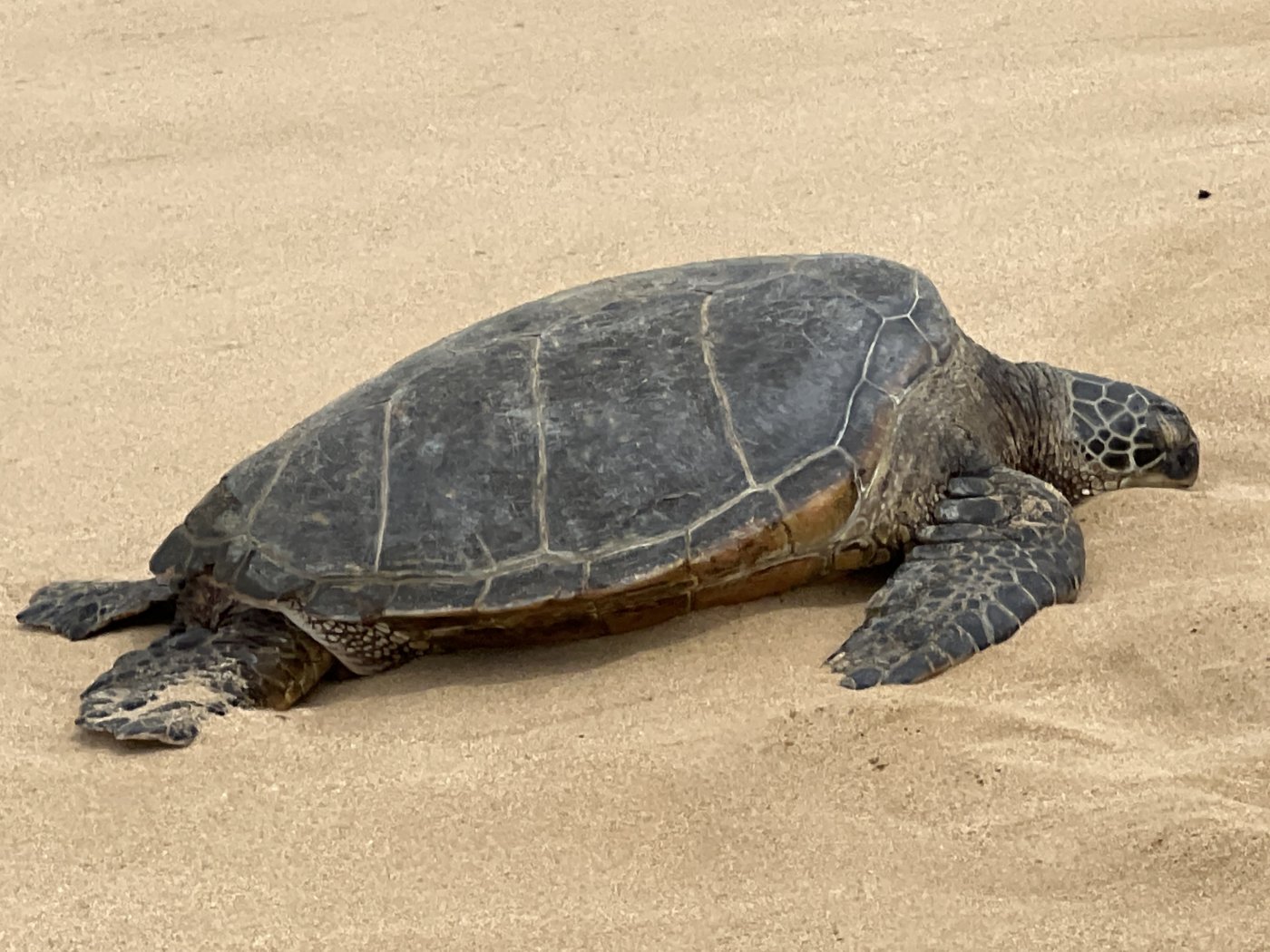
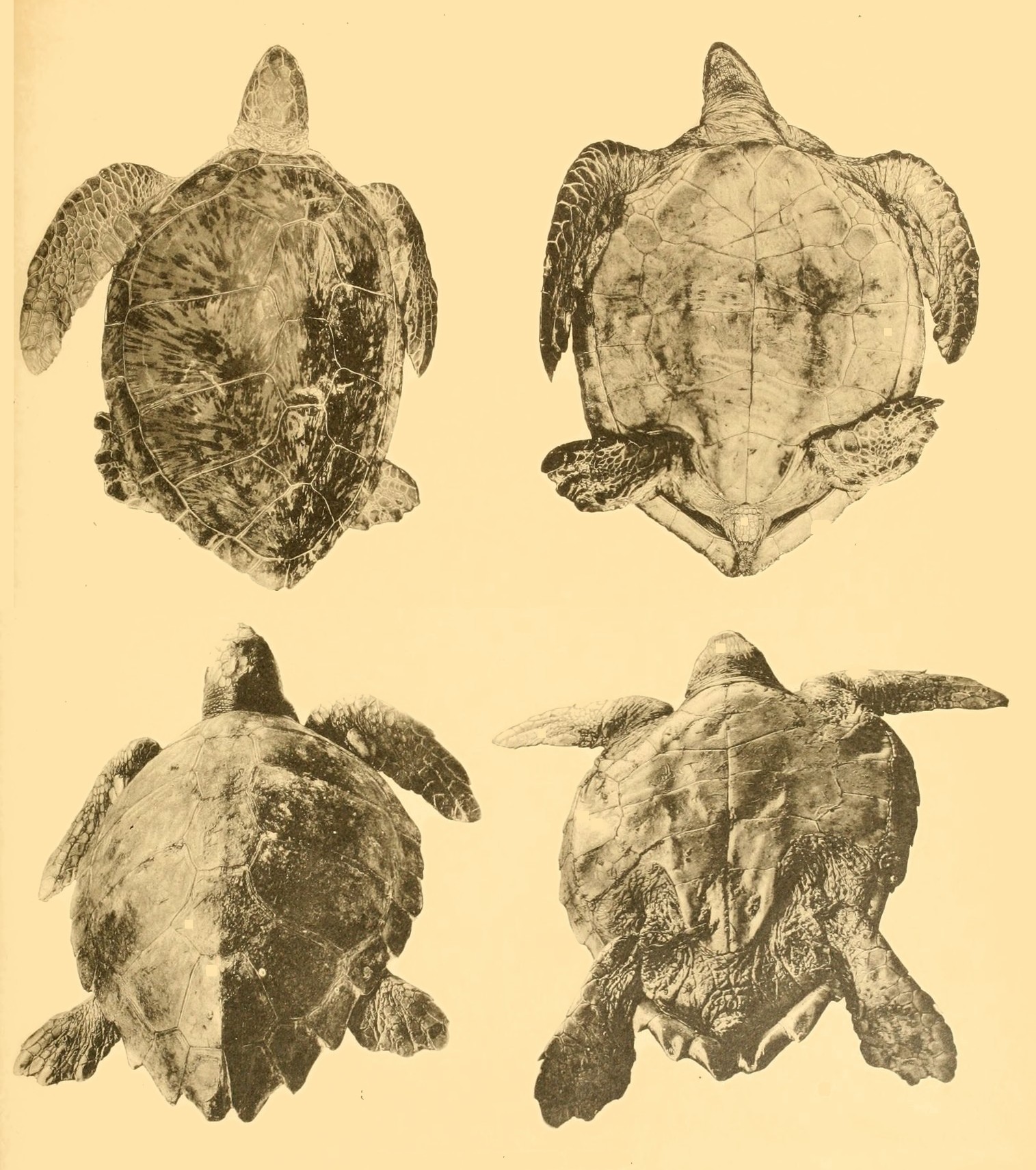
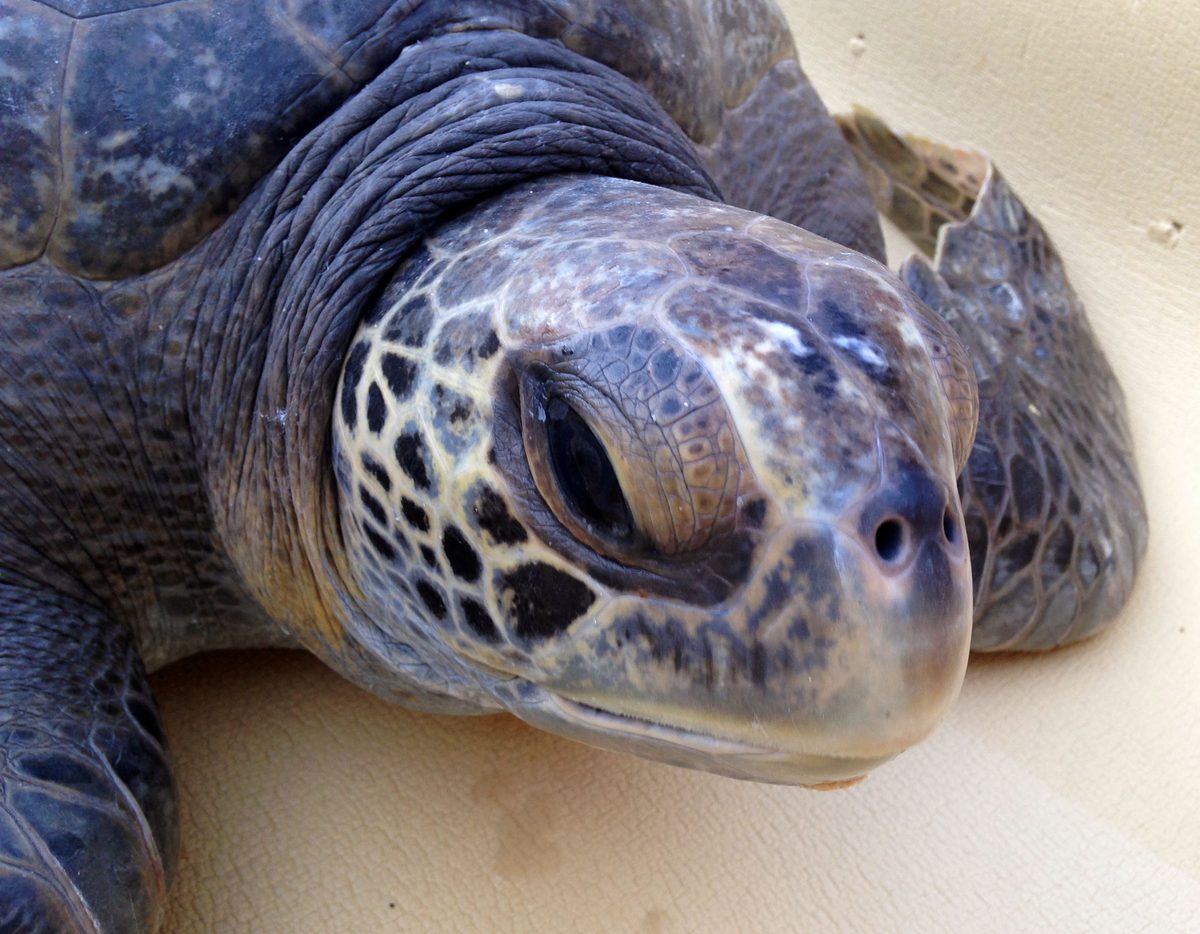
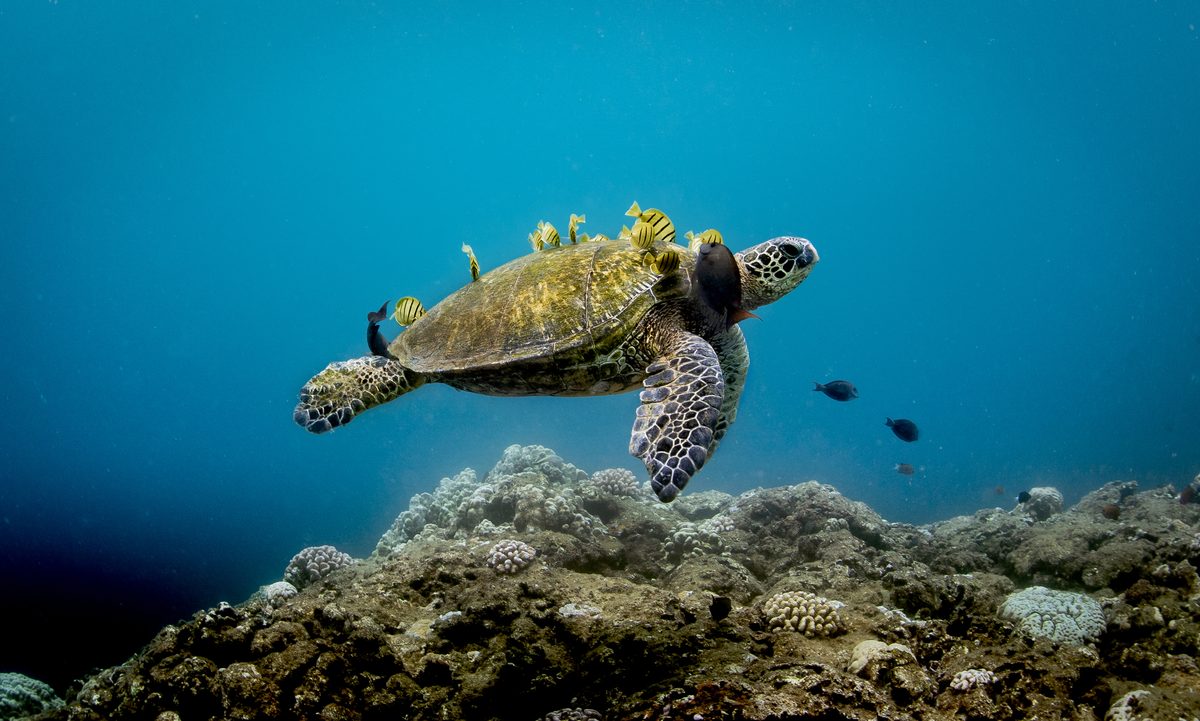
The green sea turtle (Chelonia mydas), also known as the green turtle, black sea turtle, and Pacific green turtle, is a species of large sea turtle of the family Cheloniidae. It is the only species in the genus Chelonia. Its range extends throughout tropical and subtropical seas around the world, with two distinct populations in the Atlantic and Pacific Oceans, but it is also found in the Indian Ocean.
Description: Wikipedia (CC BY-SA 4.0).
Where NHESP has recorded it
last recorded since 2001 last recorded earlier
- Nantucket 2025
Town-level documented observations from NHESP’s Rare Species Viewer, read 4 November 2026; the year is the last documented record, as NHESP prints it, not evidence of absence. NHESP does not publish locations.
More about this species
Population
No total count exists for the North Atlantic population. Nesting in Florida, Georgia, North Carolina, and South Carolina has shown an upward trajectory in recent years.
NOAA page updated July 13, 2026. Source: NOAA Fisheries, Green Turtle.
In Massachusetts
The state marks the northern limit of this species' range, and shallow inshore waters here likely function as developmental habitat for young turtles. Juveniles are found on shorelines in late fall, overcome by dropping temperatures.
Source: Massachusetts state rare-species fact sheet, Green Sea Turtle (undated).
Threats
Pressures include bycatch, taking of adults and eggs, loss of nesting beach, vessel strikes, plastic debris, chemical pollution, shifting conditions, and disease. Late-season cold-stunning of juveniles in this region adds to the documented pressures.
Source: NOAA Fisheries, Green Turtle; Massachusetts state rare-species fact sheet, Green Sea Turtle (undated).
Protections
The North Atlantic population received a Threatened designation under the federal act in April 2016; Massachusetts applies the same classification. Cold-stunned animals are retrieved and treated at wildlife sanctuary facilities and by an aquarium-based response team.
Source: NOAA Fisheries, Green Turtle; Massachusetts state rare-species fact sheet, Green Sea Turtle (undated).
One fact
In the 2025 season, 667 cold-stunned turtles were recovered from local beaches through December 18; 67 of them were green turtles.
Source: Mass Audubon, Cold-stunned sea turtles: the 2025 rescue season in review.
Related species
Sea turtles on the state list:
State list: 321 CMR 10.90, as of 16 August 2024. Rare species of Massachusetts · Trees of Massachusetts