Rare species of Massachusetts · Butterflies and moths
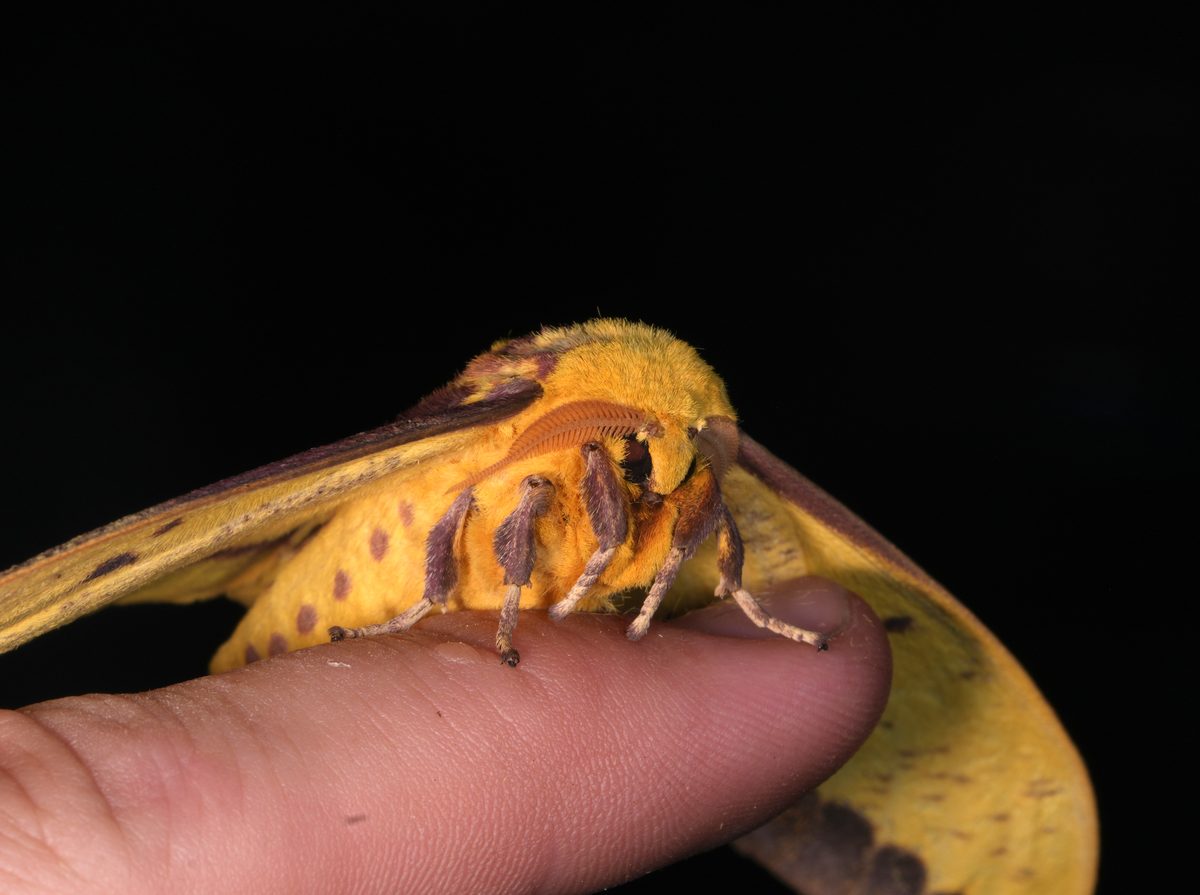
Imperial Moth
Status Threatened · Group Butterflies and moths · Recorded in 16 towns, 8 since 2001 · State sightings records: most recent 2025
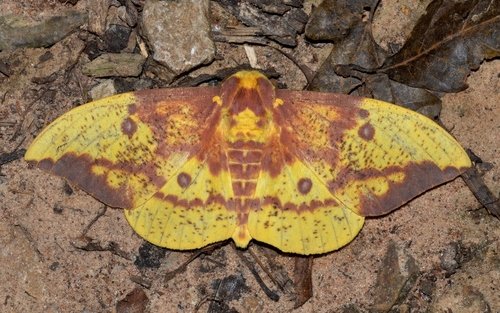
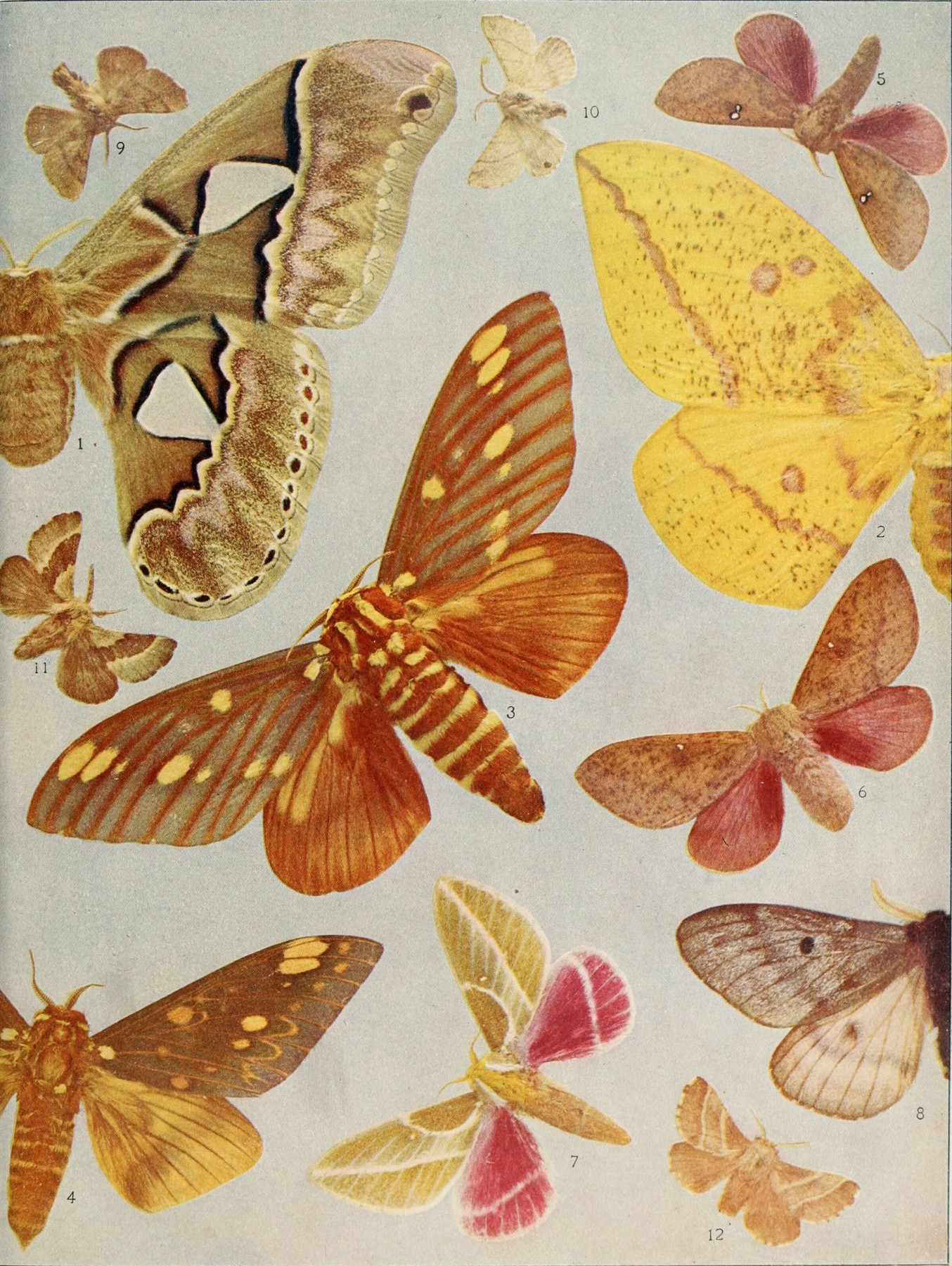
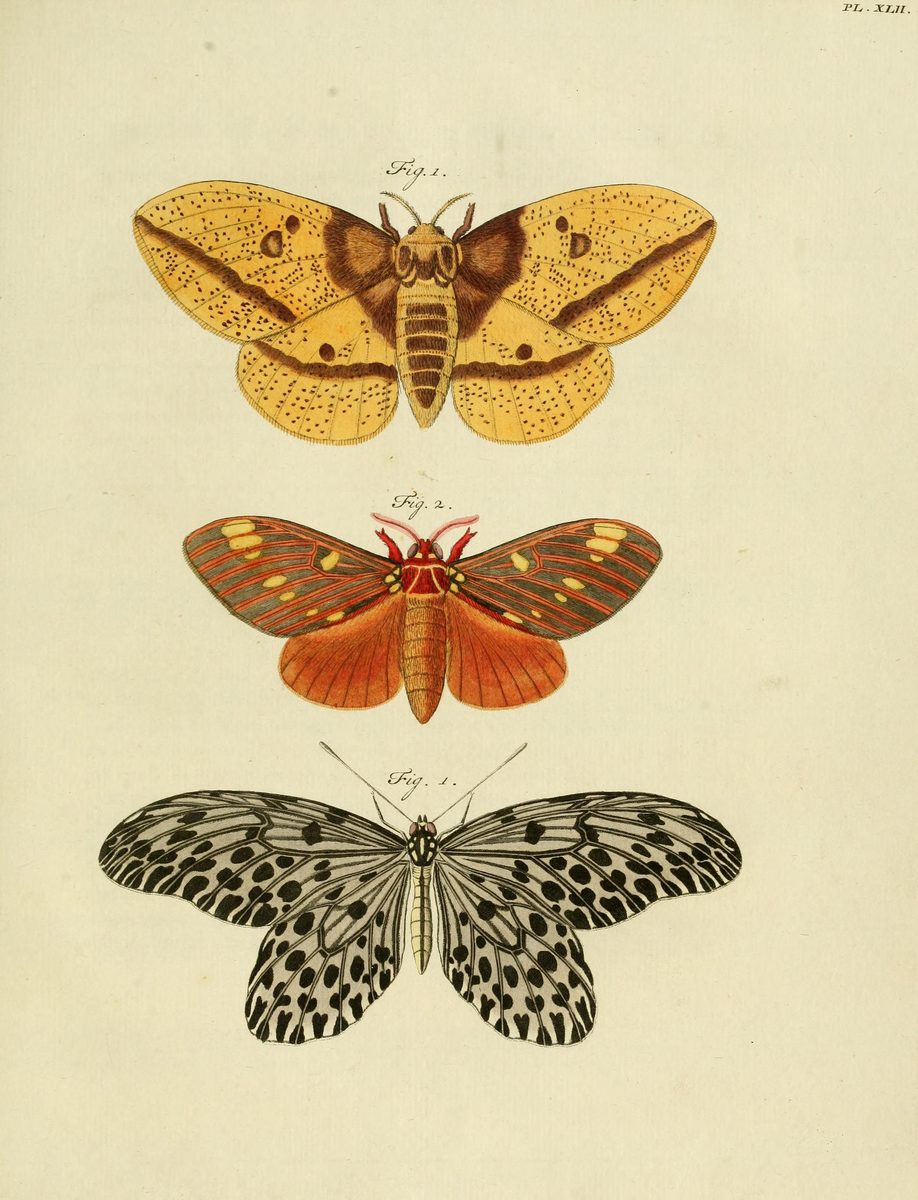
Eacles imperialis, the imperial moth, is a member of the family Saturniidae and subfamily Ceratocampinae. It is found mainly in the East of South America and North America, from the center of Argentina to south Canada. The species was first described by Dru Drury in 1773.
Description: Wikipedia (CC BY-SA 4.0).
Where NHESP has recorded it
last recorded since 2001 last recorded earlier
- Edgartown 2025
- Oak Bluffs 2025
- Tisbury 2025
- West Tisbury 2022
- Aquinnah 2021
- Chilmark 2019
- Falmouth 2012
- Gosnold 2006
- Dartmouth 1986
- Tyringham 1951
- Amherst 1905
- Arlington 1903
- Cambridge PRE-1934
- Cohasset PRE-1934
- Stoneham PRE-1934
- Worcester PRE-1934
Town-level documented observations from NHESP’s Rare Species Viewer, read 4 November 2026; the year is the last documented record, as NHESP prints it, not evidence of absence. NHESP does not publish locations.
More about this species
Population
The species dropped sharply in abundance across New England over the last century. No numeric count has been published.
Past 100 years, per Goldstein 2010. Source: Massachusetts state rare-species fact sheet, Imperial Moth (published March 2025).
In Massachusetts
Martha's Vineyard holds what appears to be the last remaining New England colony, in scrub oak barrens and open pitch pine stands. Wandering adults, presumed to originate from that colony, have occasionally been recorded in the Elizabeth Islands and on adjacent mainland.
Source: Massachusetts state rare-species fact sheet, Imperial Moth (published March 2025).
Threats
Identified pressures include habitat loss, suppression of natural disturbance, non-native generalist parasitoids, aerial insecticide application, and clear-cutting. The range extending into Florida suggests warming is unlikely to cause harm.
Source: Massachusetts state rare-species fact sheet, Imperial Moth (published March 2025).
Protections
Listed as Threatened under state law and designated among the Greatest Conservation Need species. Securing land and conducting ongoing habitat stewardship are the central priorities.
Source: Massachusetts state rare-species fact sheet, Imperial Moth (published March 2025).
One fact
Caterpillars eat almost exclusively pitch pine foliage; the pupa then overwinters buried in soil before the adult emerges.
Source: Massachusetts state rare-species fact sheet, Imperial Moth (published March 2025).
State list: 321 CMR 10.90, as of 16 August 2024. Rare species of Massachusetts · Trees of Massachusetts