Rare species of Massachusetts · Butterflies and moths
Buck Moth
Status Special Concern · Group Butterflies and moths · Recorded in 22 towns, 13 since 2001 · State sightings records: most recent 2025
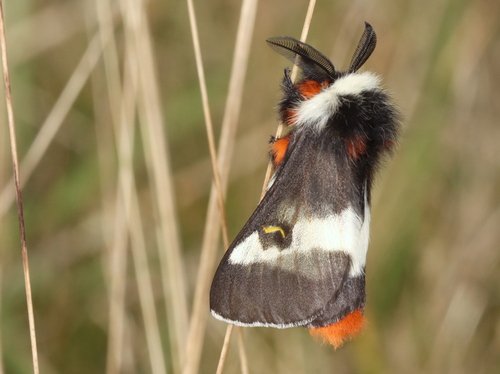
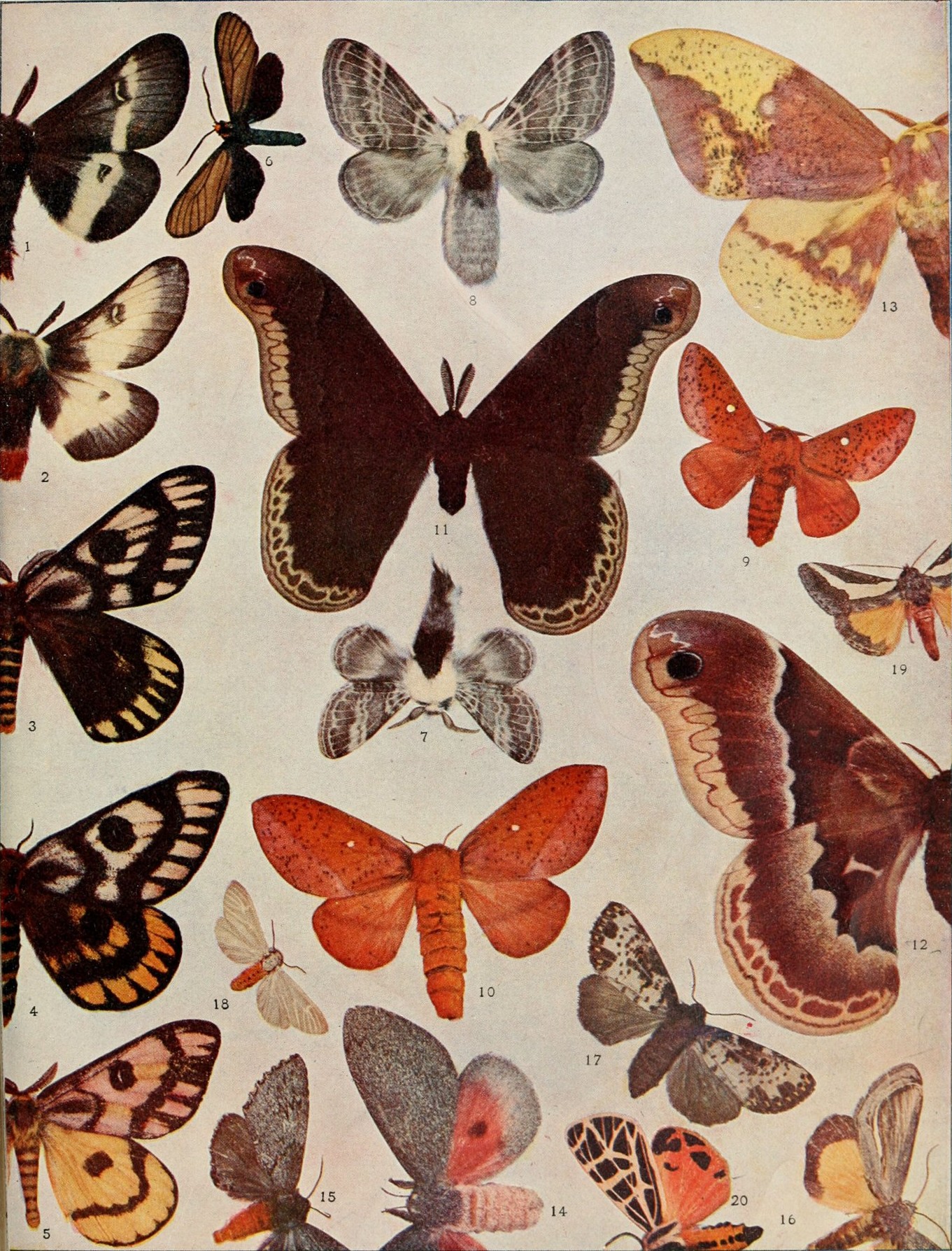
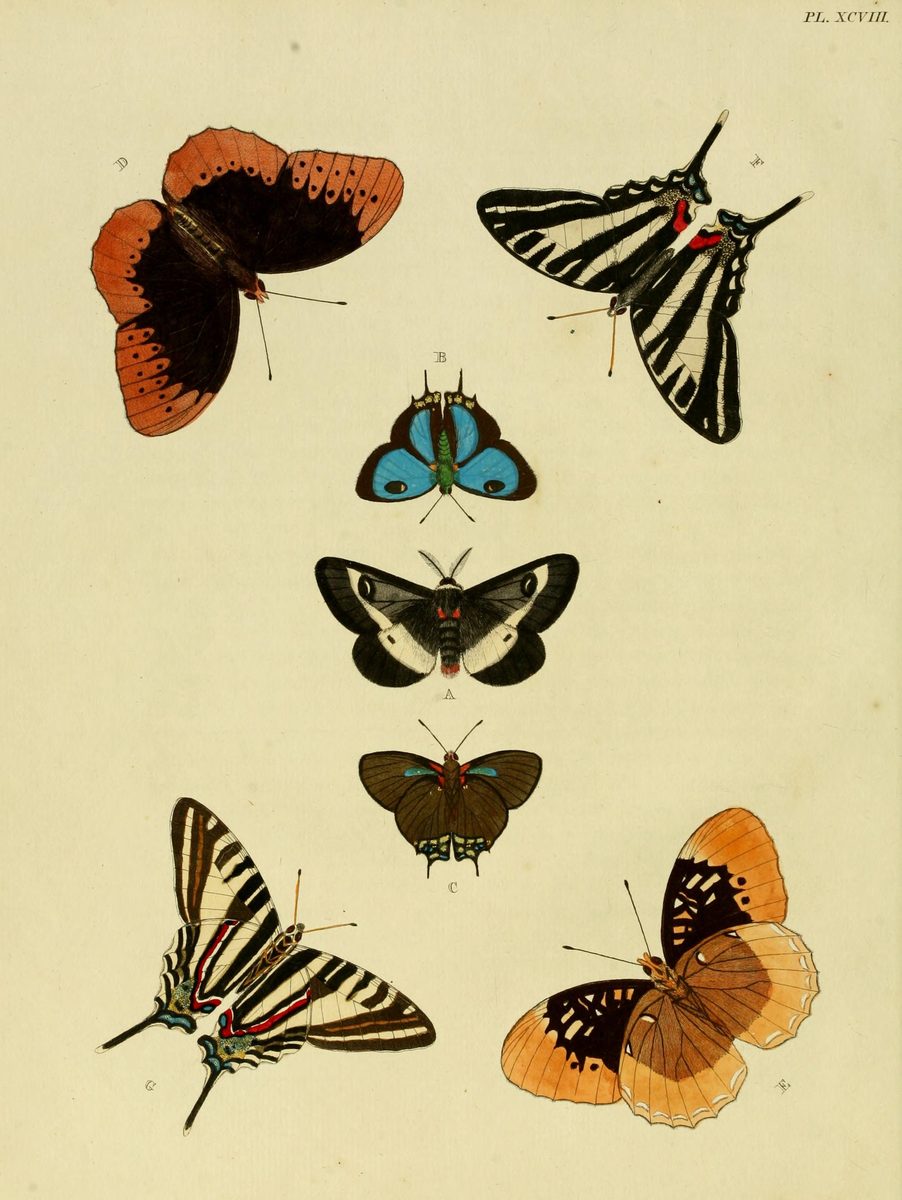
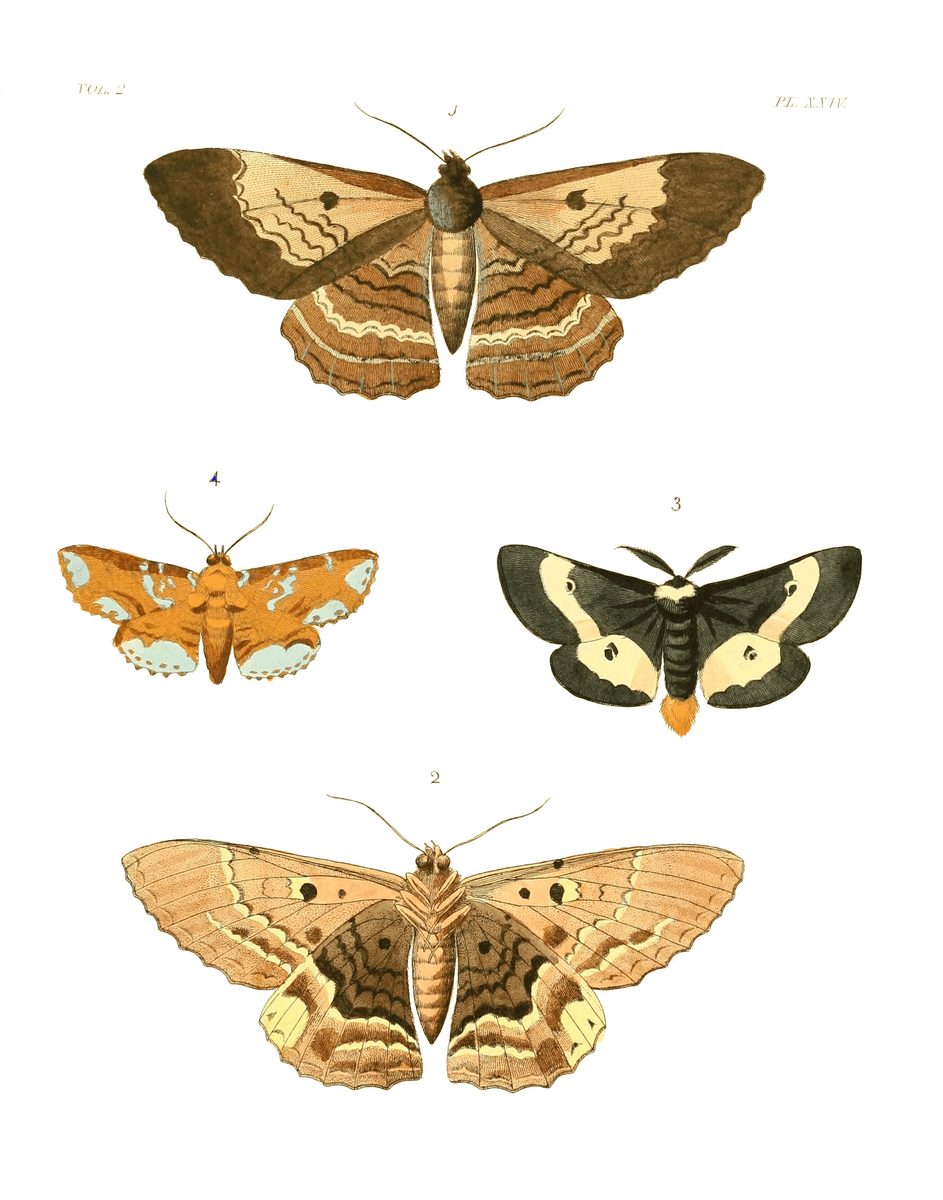
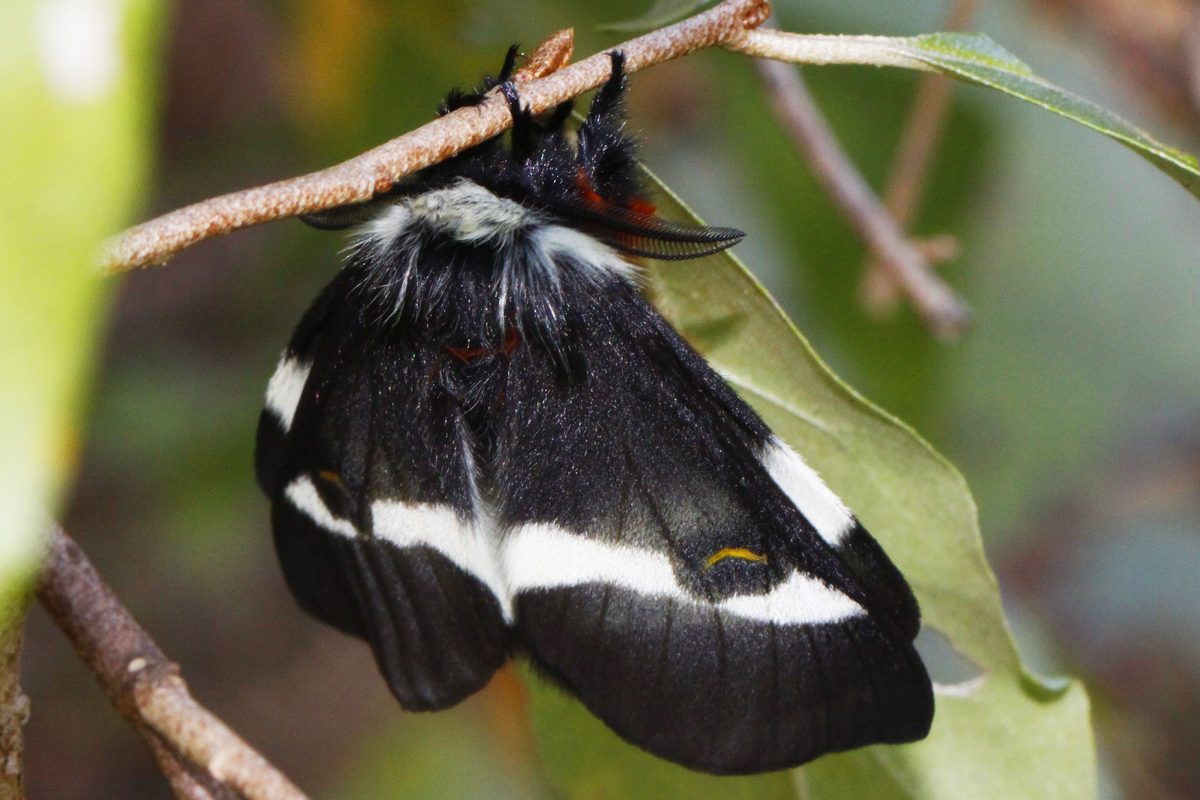
Hemileuca maia, the Buck moth or Buckmoth is a common insect, potentially ranging across the United States from peninsular Florida to New England, and as far west as Texas and Kansas. It was first described by Dru Drury in 1773.
Description: Wikipedia (CC BY-SA 4.0).
Where NHESP has recorded it
last recorded since 2001 last recorded earlier
- Plymouth 2025
- Wellfleet 2024
- Mashpee 2023
- Edgartown 2021
- Fall River 2020
- Sharon 2020
- West Tisbury 2020
- Bourne 2019
- Falmouth 2019
- Sandwich 2019
- Wareham 2019
- Montague 2018
- Nantucket 2011
- Barnstable 1994
- Yarmouth 1986
- Chatham 1928
- Groton 1919
- Littleton 1919
- Taunton 1887
- Andover Historic
- Lynn Historic
- Rowley Historic
Town-level documented observations from NHESP’s Rare Species Viewer, read 4 November 2026; the year is the last documented record, as NHESP prints it, not evidence of absence. NHESP does not publish locations.
More about this species
In Massachusetts
The species is mostly confined to sandplain scrub oak and pitch pine barrens along the southeastern coastal plain, with a single group farther inland in the Connecticut River lowlands.
Source: Massachusetts state rare-species fact sheet, Buck Moth (published March 2025).
Threats
Loss of open barrens habitat and long-term exclusion of fire are the primary concerns. Additional pressures include non-native generalist parasitoids, aerial insecticide treatments, unintended herbicide exposure and damage from off-road vehicles. Temperature increases may not harm the species given its predominantly southern distribution.
Source: Massachusetts state rare-species fact sheet, Buck Moth (published March 2025).
Protections
Listed as Special Concern under state wildlife law and targeted for conservation planning under the state wildlife action plan. Land protection and active barrens management are cited as priorities.
Source: Massachusetts state rare-species fact sheet, Buck Moth (published March 2025).
One fact
The caterpillars carry branching spines capable of delivering a sting.
Source: Massachusetts state rare-species fact sheet, Buck Moth (published March 2025).
State list: 321 CMR 10.90, as of 16 August 2024. Rare species of Massachusetts · Trees of Massachusetts