Rare species of Massachusetts · Fish
Bridle Shiner
Status Special Concern · Group Fish · Recorded in 122 towns, 55 since 2001 · State sightings records: most recent 2025
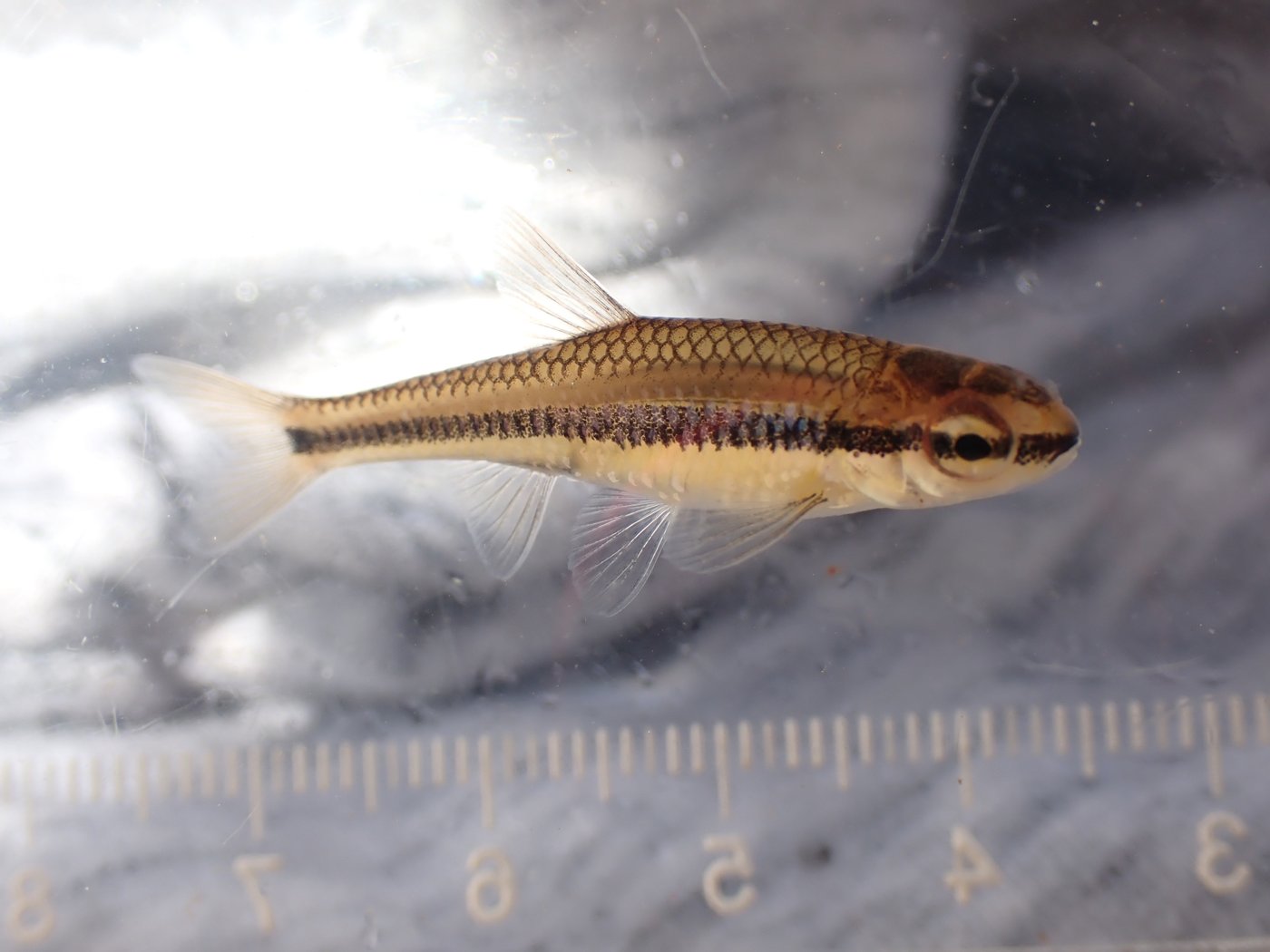
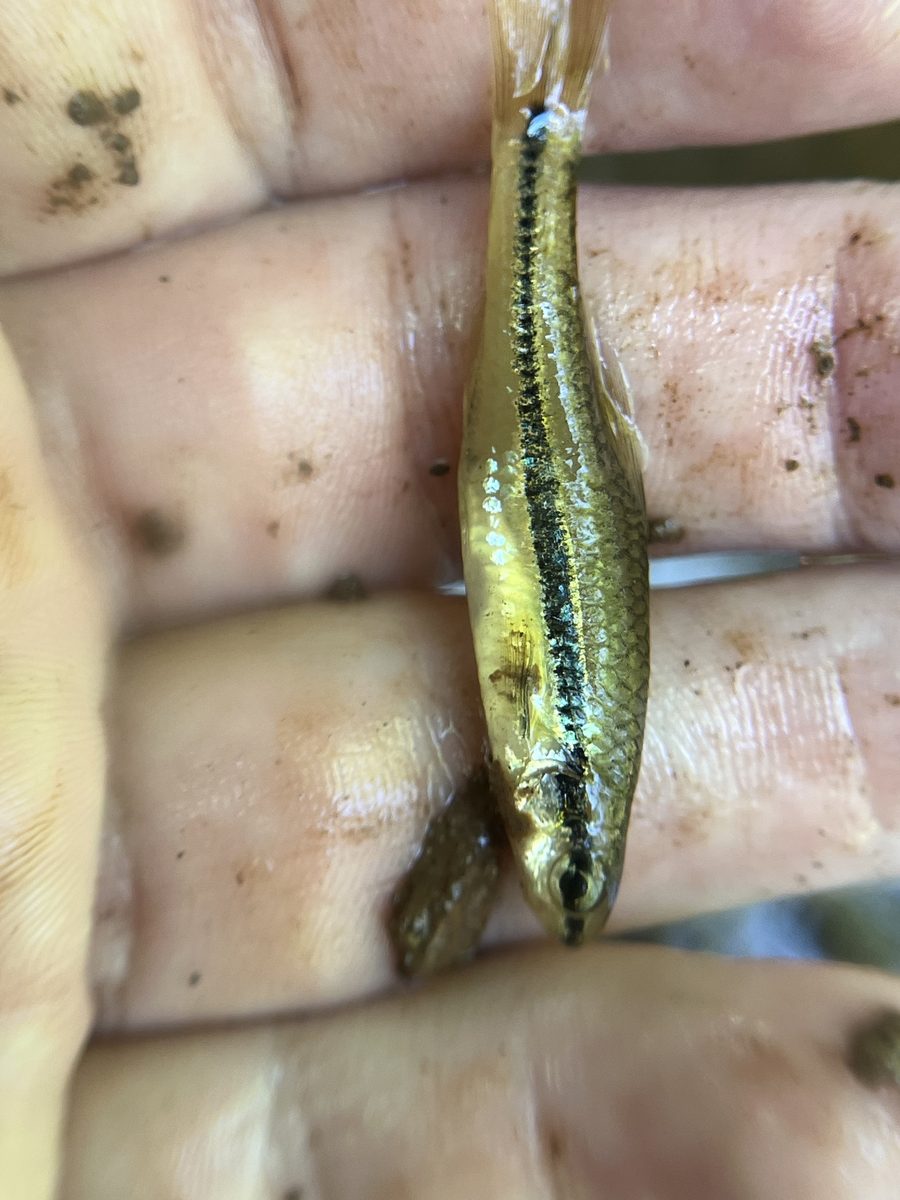
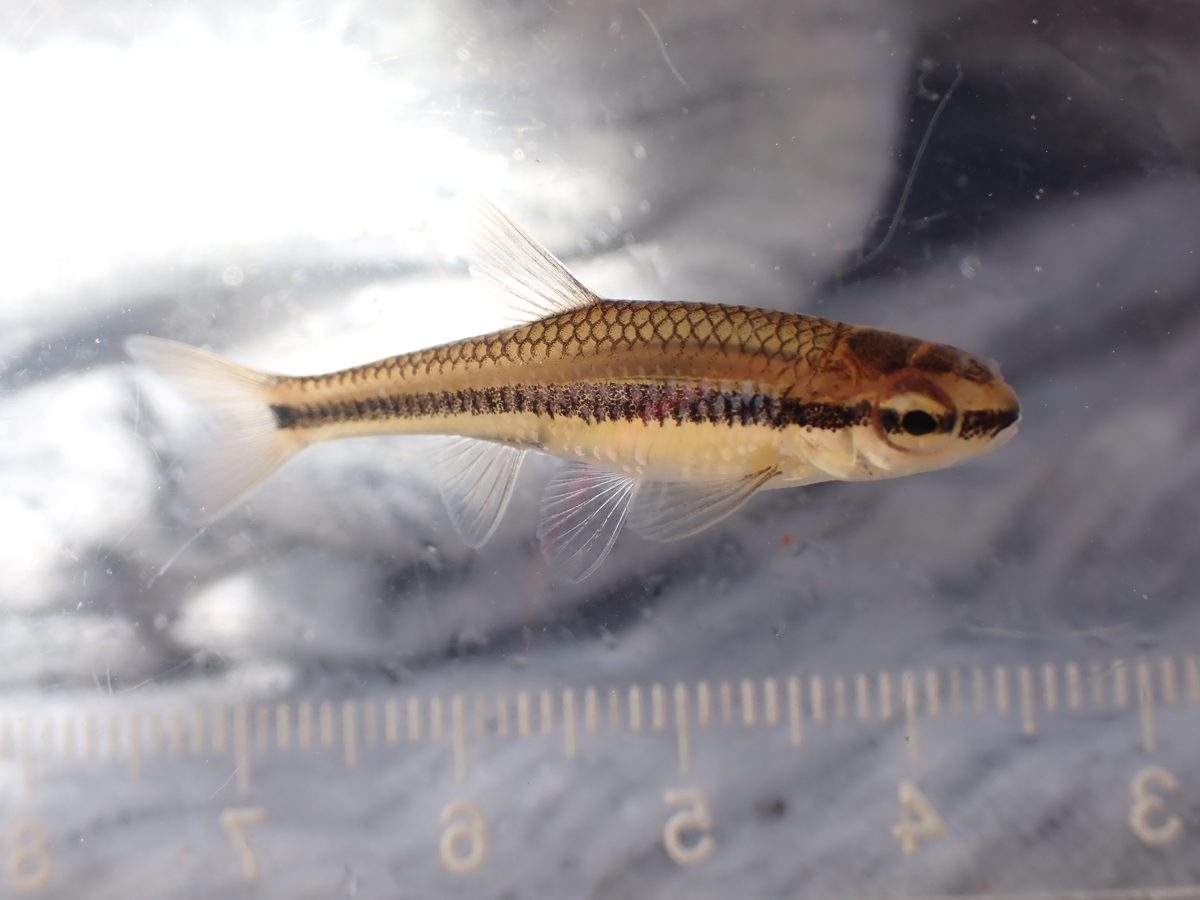
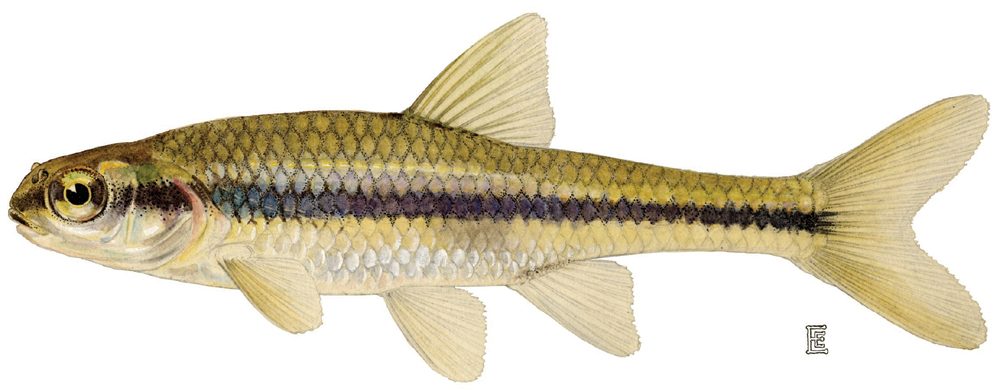
The bridle shiner (Notropis bifrenatus) is a species of freshwater ray-finned fish belonging to the family Leuciscidae, the shiners, daces and minnows. This species has been identified as being of Special Concern by the Committee on the Status of Endangered Wildlife in Canada (COSEWIC).
Description: Wikipedia (CC BY-SA 4.0).
Where NHESP has recorded it
last recorded since 2001 last recorded earlier
- Plymouth 2025
- Berlin 2024
- Hinsdale 2024
- Tyringham 2024
- Boxford 2023
- Warwick 2023
- Palmer 2022
- Pittsfield 2022
- Lakeville 2021
- Mansfield 2021
- Middleborough 2021
- Norton 2021
- Athol 2020
- Holland 2019
- Petersham 2019
- Stockbridge 2019
- Sturbridge 2019
- Ware 2019
- Brimfield 2018
- Monterey 2018
- Barnstable 2017
- Goshen 2017
- New Marlborough 2017
- Pepperell 2017
- Russell 2017
- Sandisfield 2017
- West Brookfield 2017
- Wilbraham 2017
- Hardwick 2016
- Otis 2016
- Richmond 2016
- Rutland 2016
- Shutesbury 2016
- East Brookfield 2015
- Tolland 2015
- Freetown 2014
- West Stockbridge 2014
- Bedford 2013
- Burlington 2013
- Great Barrington 2013
- Lanesborough 2013
- Lee 2010
- Sheffield 2010
- New Salem 2009
- Peru 2009
- Georgetown 2007
- Oakham 2007
- Spencer 2007
- Hawley 2006
- Barre 2005
- Leverett 2004
- Brookfield 2003
- Wrentham 2003
- Savoy 2002
- Cummington 2001
- Acton 2000
- Littleton 2000
- Orange 2000
- Plainville 1999
- Foxborough 1998
- Groveland 1998
- Amherst 1996
- Belchertown 1996
- Rowley 1996
- Townsend 1996
- Washington 1996
- Norfolk 1995
- Becket 1994
- Rochester 1994
- Upton 1994
- Bourne 1993
- Carver 1993
- Halifax 1990
- Hanson 1990
- Dunstable 1988
- Williamstown 1988
- Groton 1986
- Cheshire 1981
- Grafton 1981
- Dighton 1980
- Hadley 1979
- Ashby 1974
- Medway 1969
- Springfield 1968
- Framingham 1962
- Greenfield 1962
- North Andover 1962
- Tewksbury 1962
- Billerica 1961
- Brewster 1961
- Danvers 1961
- Peabody 1961
- Hubbardston 1960
- Essex 1959
- Marshfield 1959
- Weston 1959
- Harwich 1956
- Hopedale 1956
- Hopkinton 1956
- Sharon 1956
- Truro 1956
- Yarmouth 1956
- Hancock 1955
- Shirley 1954
- Chatham 1952
- Falmouth 1952
- Holyoke 1952
- Rockland 1952
- Boylston 1951
- Randolph 1951
- Raynham 1951
- Stoughton 1951
- Sunderland 1951
- Taunton 1951
- Wayland 1951
- Hamilton 1949
- Westfield 1944
- Granby 1939
- Ayer 1928
- Cambridge 1928
- Harvard 1928
- Wilmington 1928
Town-level documented observations from NHESP’s Rare Species Viewer, read 4 November 2026; the year is the last documented record, as NHESP prints it, not evidence of absence. NHESP does not publish locations.
More about this species
In Massachusetts
Occurrences have been recorded in most major drainages. In the west these include the Hoosic and Housatonic systems; in the east, the Charles, Ipswich, Cape Cod and Taunton systems. Genuine declines are considered likely, particularly in eastern drainages, though field-survey capture rates have not been measured.
Source: Massachusetts state rare-species fact sheet, Bridle Shiner (published April 2025).
Threats
Documented pressures include fine sediment from erosion, altered stream and pond hydrology, drawdowns in lakes and ponds, rapid eutrophication, impervious-surface runoff, agricultural and highway runoff, misapplied herbicides and invasive aquatic vegetation.
Source: Massachusetts state rare-species fact sheet, Bridle Shiner (published April 2025).
Protections
Listed as Special Concern under state wildlife law and targeted for conservation planning under the state wildlife action plan.
Source: Massachusetts state rare-species fact sheet, Bridle Shiner (published April 2025).
One fact
Sexual maturity arrives within the first year, and typical lifespan is two to three years.
Source: Massachusetts state rare-species fact sheet, Bridle Shiner (published April 2025).
State list: 321 CMR 10.90, as of 16 August 2024. Rare species of Massachusetts · Trees of Massachusetts