Rare species of Massachusetts · Mammals
Fin Whale
Status Endangered · Federal status Federally Endangered · Group Mammals · Recorded in no town
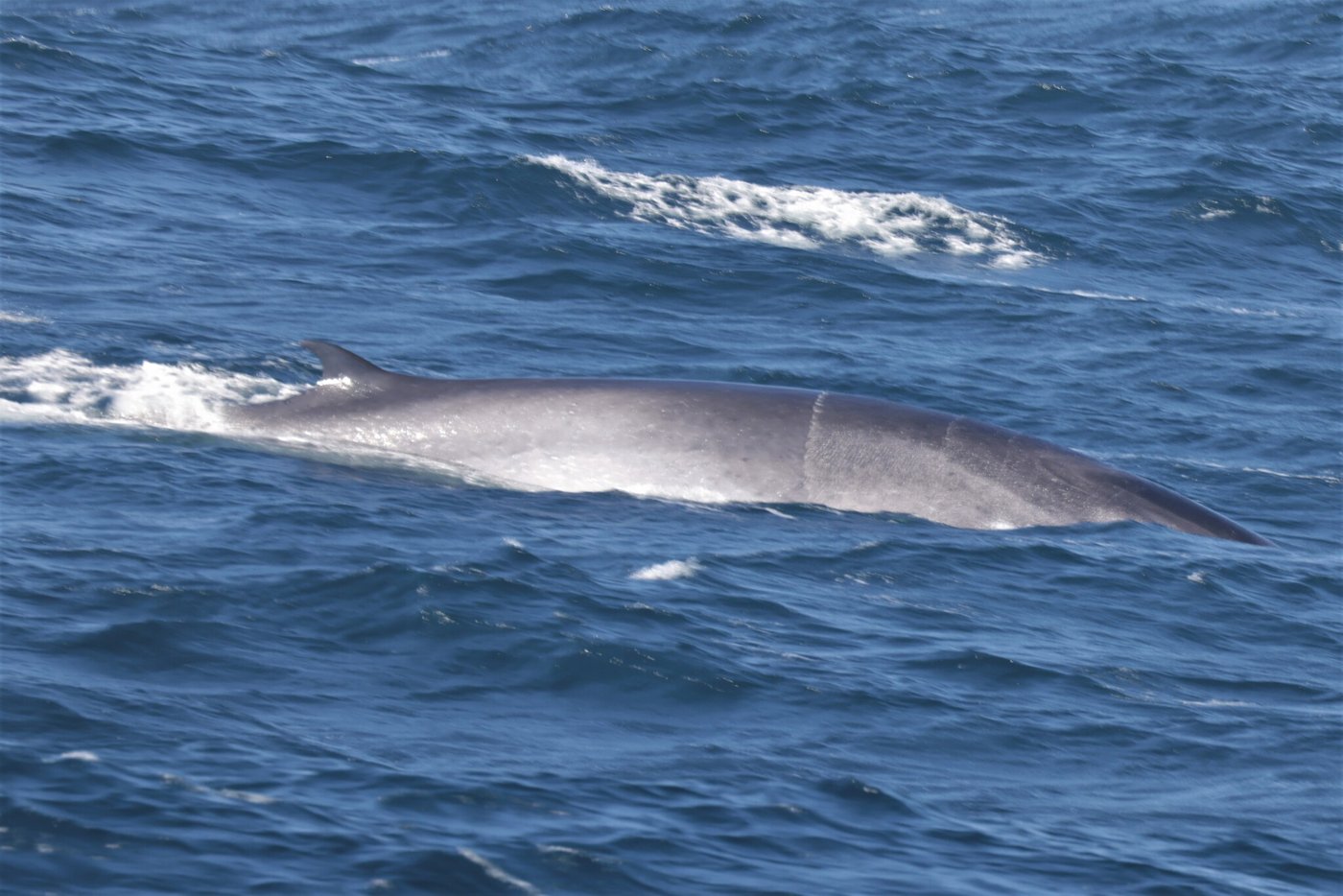
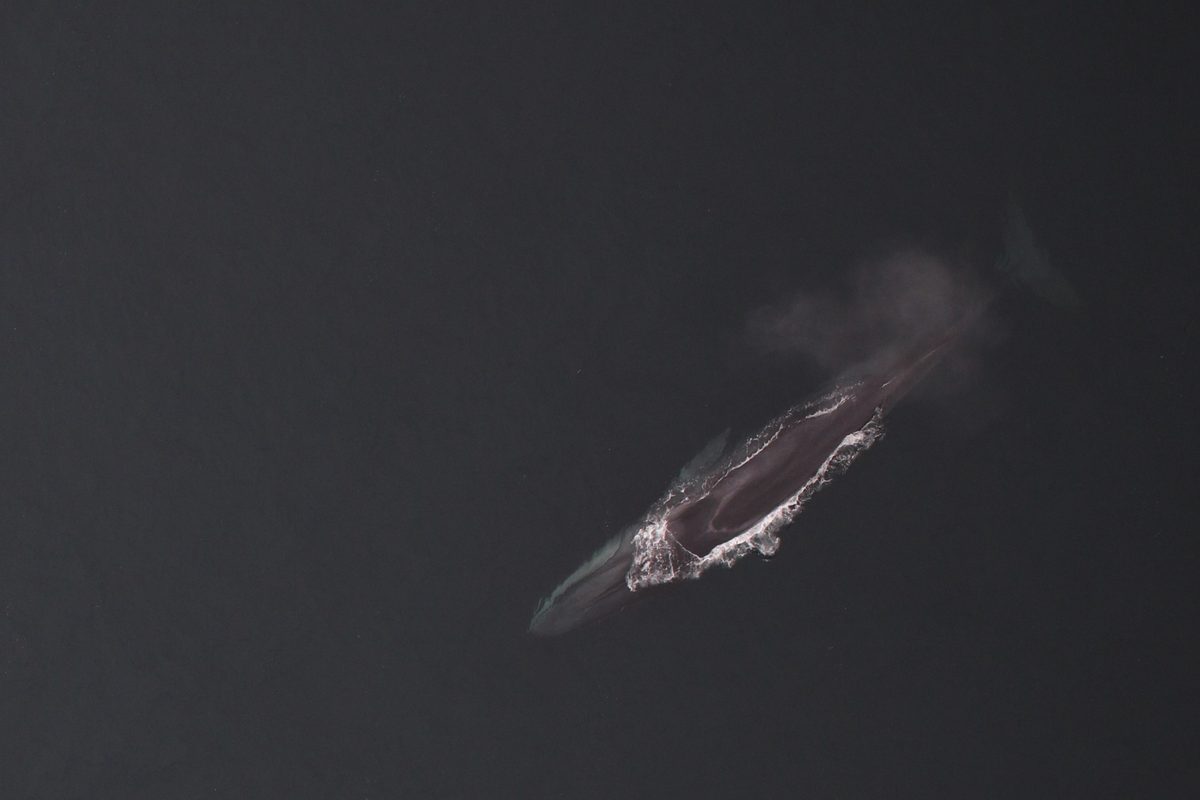
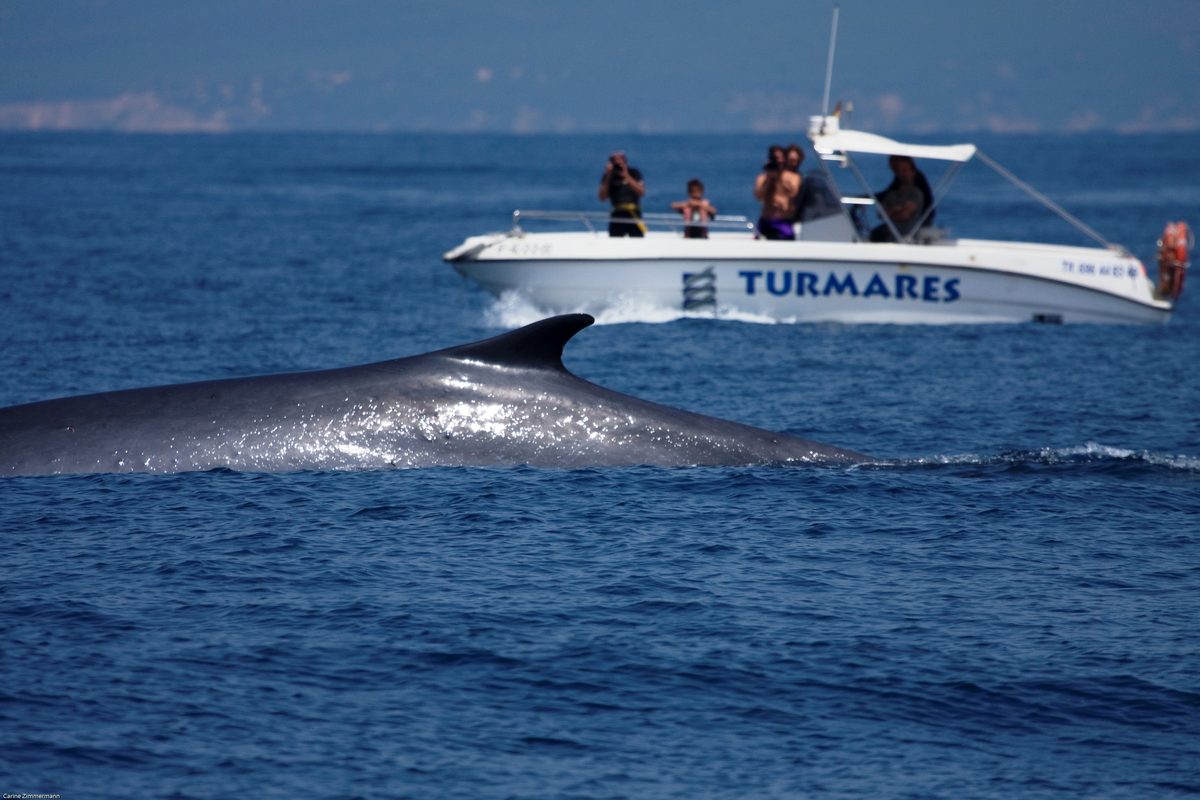
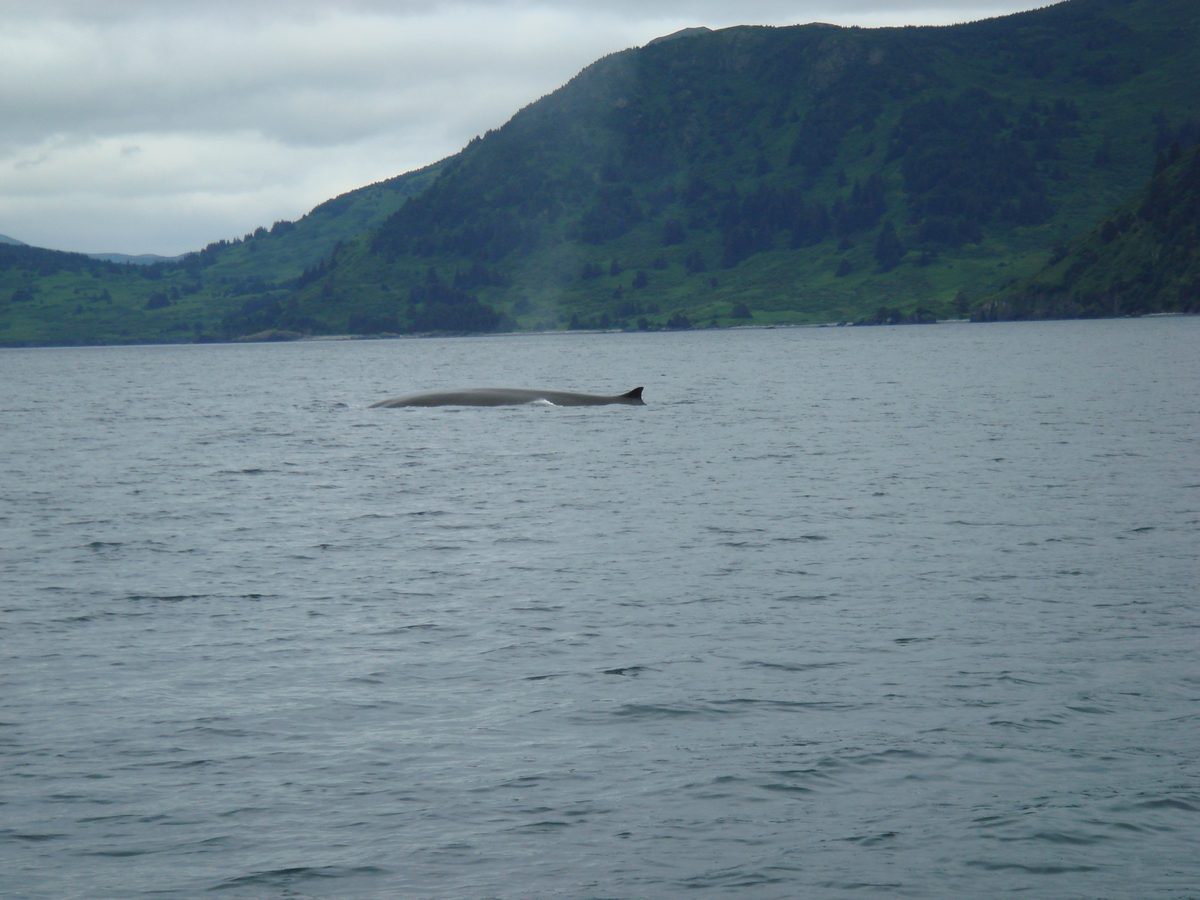
The fin whale (Balaenoptera physalus), also known as the finback whale or common rorqual, is a species of baleen whale and the second-longest cetacean after the blue whale. The biggest individual reportedly measured 26–27.3 m (85–90 ft) in length, with a maximum recorded weight of 65.5 to 120 t (64.5 to 118.1 long tons; 72.2 to 132.3 short tons). The fin whale's body is long, slender, and brownish-gray in color, with a paler underside to appear less conspicuous from below (countershading).
Description: Wikipedia (CC BY-SA 4.0).
Where it is
It is listed for Massachusetts waters; the viewer records species by city and town, and the open sea has none.
More about this species
Population
Vessel surveys conducted in 2016 produced a central estimate of 6,802 for the population off eastern North America (CV 0.24), with a floor figure of 5,573. Both values appear in the 2024 edition of federal stock assessments.
2016 surveys; stock assessment 2024 edition. Source: NOAA Technical Memorandum NMFS-NE-347 (2024 Atlantic stock assessments), Table 1; 2023 fin whale report.
In Massachusetts
Fin whales are year-round residents of the Gulf of Maine, with spring bringing them into shallower inshore waters. Historically, dense aggregations of sand lance and herring drew animals into the outer Cape region and Provincetown's harbor.
Source: Massachusetts state rare-species fact sheet, Fin Whale (undated).
Threats
Ship strikes are identified as the foremost hazard; additional pressures include gear entanglement, underwater sound, shifting prey availability, and changing ocean conditions. Annual mortality data for 2017-2021 show an average of 2.05 human-caused fatalities or serious injuries: 1.45 attributable to fishing gear and 0.60 to vessel collisions.
Source: NOAA Fisheries, Fin Whale; NOAA, 2023 stock assessment report, Fin Whale Western North Atlantic.
Protections
The species holds Endangered status under both federal law and Massachusetts statute. A federal take reduction plan covering gillnet and pot fisheries along the East Coast sets requirements designed to lower injury and death rates for large whales.
Source: NOAA Fisheries, Fin Whale; Massachusetts state rare-species fact sheet, Fin Whale (undated).
One fact
Measuring 75 to 85 feet from snout to fluke and weighing 40 to 80 tons, the fin whale is Earth's second-largest animal among cetaceans.
Source: NOAA Fisheries, Fin Whale (updated October 8, 2026).
State list: 321 CMR 10.90, as of 16 August 2024. Rare species of Massachusetts · Trees of Massachusetts