Rare species of Massachusetts · Butterflies and moths
Early Hairstreak
Status Threatened · Group Butterflies and moths · Recorded in 11 towns, 5 since 2001 · State sightings records: most recent 2017
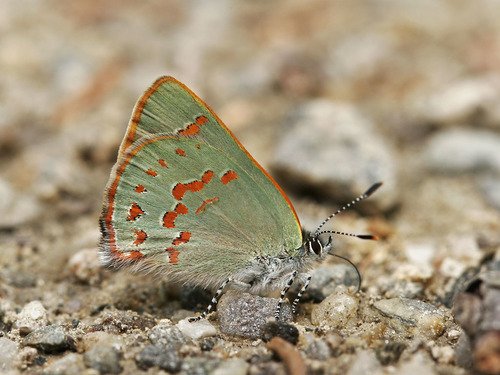
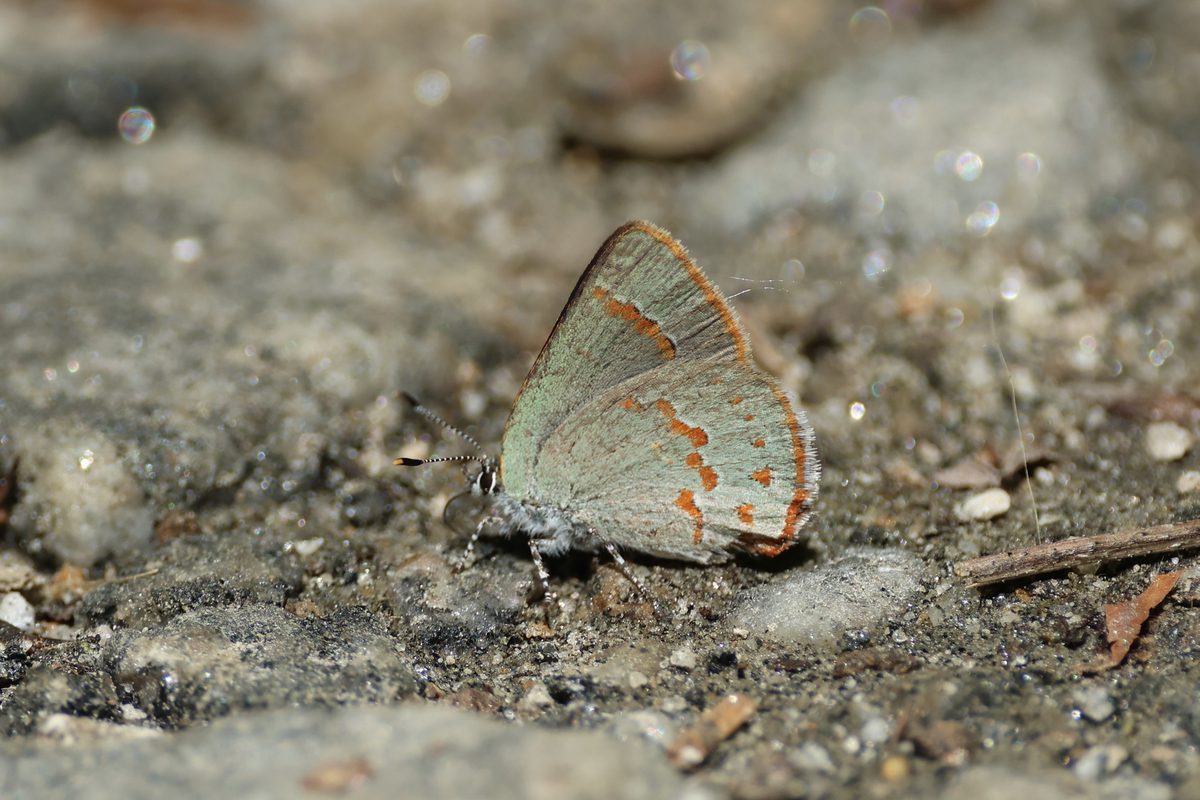
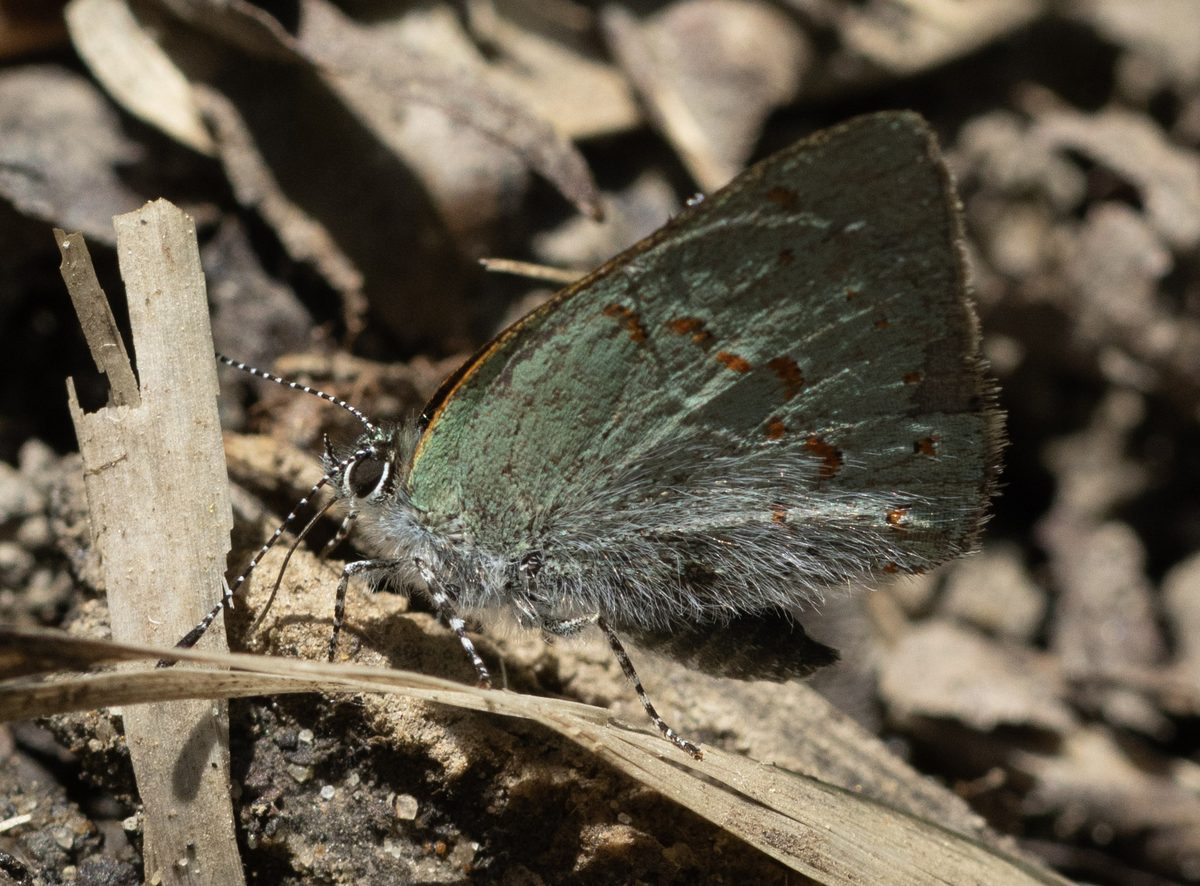
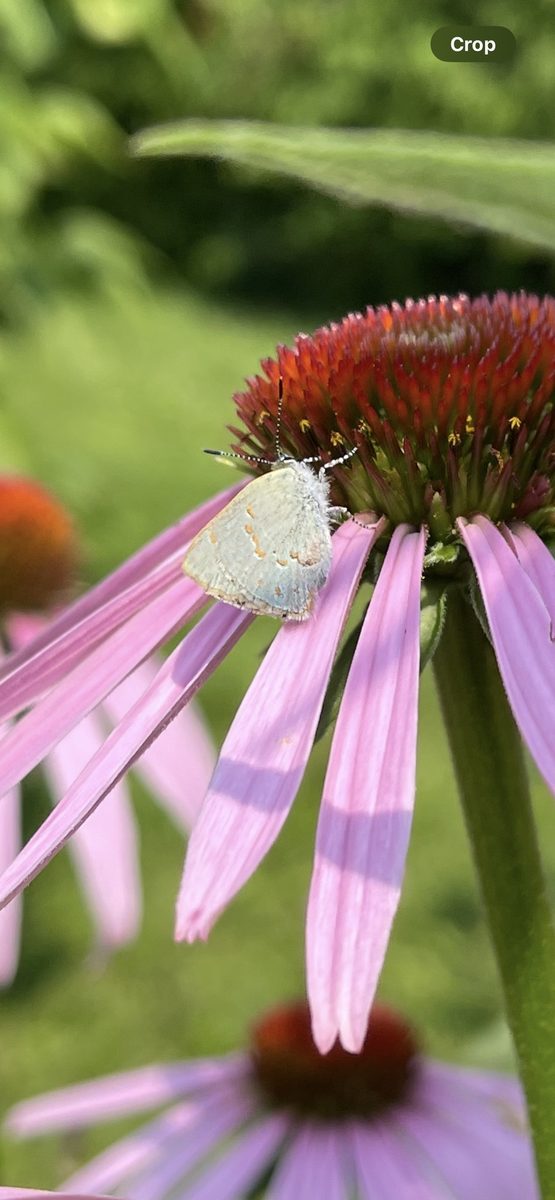
Erora laeta, the early hairstreak, is a butterfly of the family Lycaenidae. It is found in eastern Canada and the United States. The habitat consists of deciduous and mixed woods.
Description: Wikipedia (CC BY-SA 4.0).
Where NHESP has recorded it
last recorded since 2001 last recorded earlier
- Washington 2017
- Williamstown 2017
- New Ashford 2014
- Adams 2006
- Becket 2005
- Cheshire 1993
- Lenox 1991
- Bernardston 1988
- Buckland 1988
- Florida 1988
- Hawley 1980
Town-level documented observations from NHESP’s Rare Species Viewer, read 4 November 2026; the year is the last documented record, as NHESP prints it, not evidence of absence. NHESP does not publish locations.
More about this species
In Massachusetts
Known occurrences are restricted to Berkshire County and Franklin County, and the documented state distribution is considered reasonably complete. Adults are typically on the wing from about the second week of May through June, occasionally persisting beyond that month's midpoint.
Source: Massachusetts state rare-species fact sheet, Early Hairstreak (published March 2025).
Threats
Clearing or fragmenting northern hardwood forest through suburban expansion and clearcutting removes habitat. Beech-tree decline from bark disease and leaf disease strips a critical larval food source. Nonnative parasitoids and insecticide spraying from the air add pressure, and the butterfly is vulnerable to warming because its core range lies in the north.
Source: Massachusetts state rare-species fact sheet, Early Hairstreak (published March 2025).
Protections
Listed Threatened under the state endangered-species law; also ranked among the state's invertebrate conservation priorities. Keeping northern hardwood forest intact and in condition to support beech is the central conservation goal.
Source: Massachusetts state rare-species fact sheet, Early Hairstreak (published March 2025).
One fact
Caterpillars eat the blossoms, maturing fruit and foliage of beech trees. The pupal stage persists through winter.
Source: Massachusetts state rare-species fact sheet, Early Hairstreak (published March 2025).
State list: 321 CMR 10.90, as of 16 August 2024. Rare species of Massachusetts · Trees of Massachusetts