Rare species of Massachusetts · Butterflies and moths
Collared Cycnia
Status Threatened · Group Butterflies and moths · Recorded in 13 towns, 12 since 2001 · State sightings records: most recent 2025
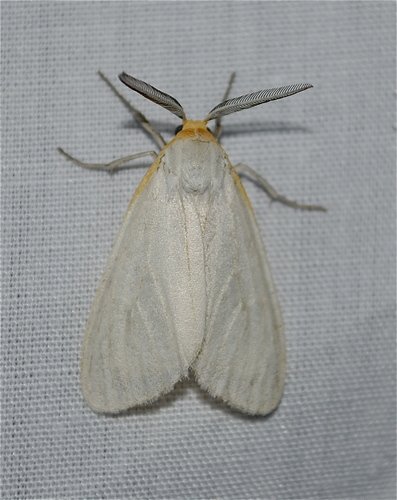
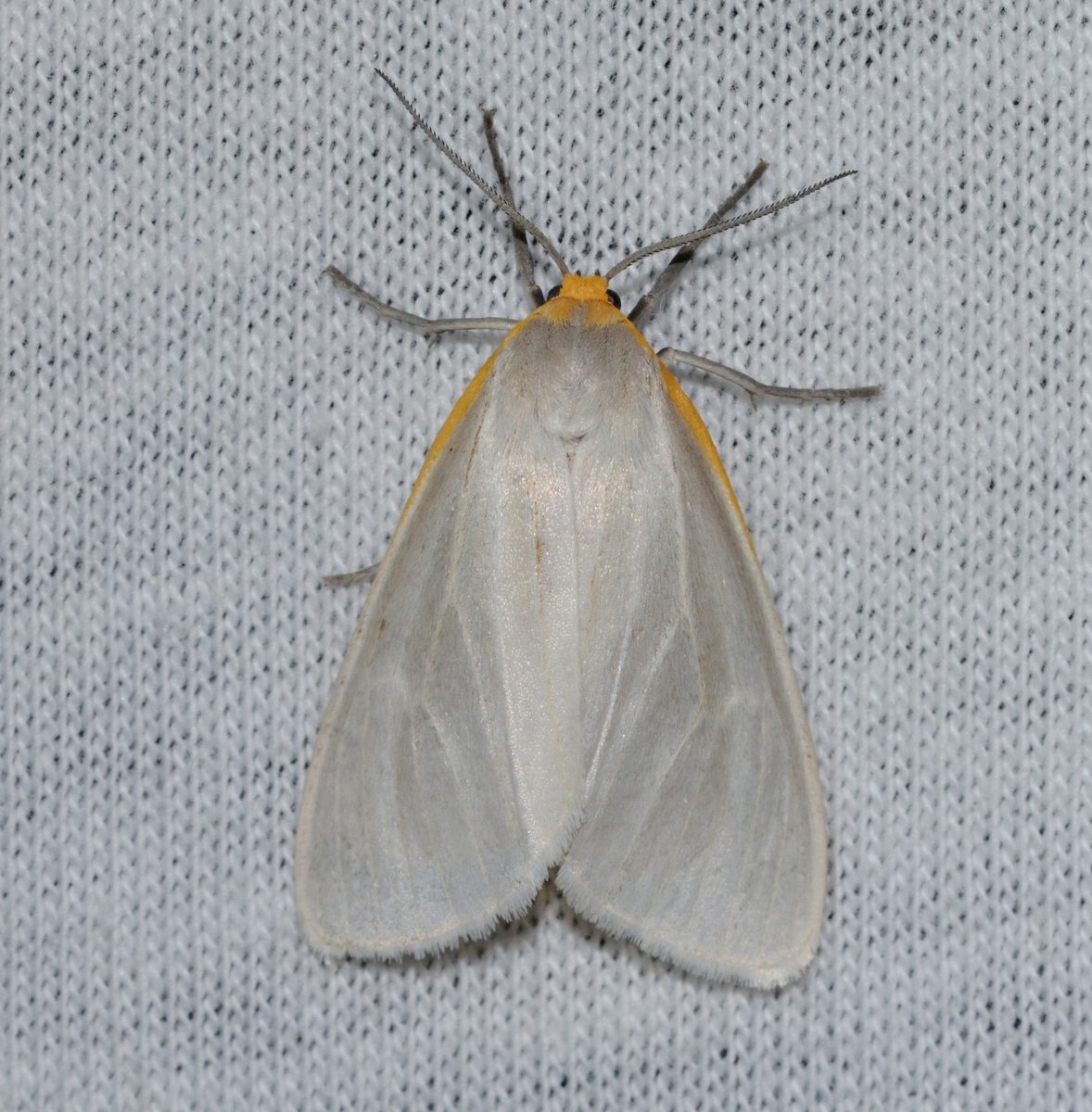
Cycnia collaris is a moth of the family Erebidae. It was described by Asa Fitch in 1857. It is found in the United States from Arizona to Florida.
Description: Wikipedia (CC BY-SA 4.0).
Where NHESP has recorded it
last recorded since 2001 last recorded earlier
- Oak Bluffs 2025
- Sandwich 2024
- Edgartown 2022
- Aquinnah 2021
- West Tisbury 2021
- Falmouth 2020
- Harwich 2019
- Bourne 2017
- Tisbury 2017
- Wellfleet 2017
- Chilmark 2016
- Eastham 2012
- Wareham 1975
Town-level documented observations from NHESP’s Rare Species Viewer, read 4 November 2026; the year is the last documented record, as NHESP prints it, not evidence of absence. NHESP does not publish locations.
More about this species
In Massachusetts
Documented on Cape Cod and on Martha's Vineyard, occupying sandplain grassland and heathland. Adults emerge in two flights per year: one in late spring running through early June, and a second from late July into early August.
Source: Massachusetts state rare-species fact sheet, Collared Cycnia (published March 2025).
Threats
Identified pressures are habitat loss, disappearance of disturbance-dependent openings, invasive plant encroachment, introduced generalist parasitoids, aerial pesticide application, unintended herbicide contact, motorized vehicle damage, and coastal flooding. Warmer temperatures are unlikely to be harmful, but longer-term climate trajectories remain unpredictable.
Source: Massachusetts state rare-species fact sheet, Collared Cycnia (published March 2025).
Protections
Listed as Threatened under state law and designated among the Greatest Conservation Need species. Land protection and active habitat stewardship are the primary goals.
Source: Massachusetts state rare-species fact sheet, Collared Cycnia (published March 2025).
One fact
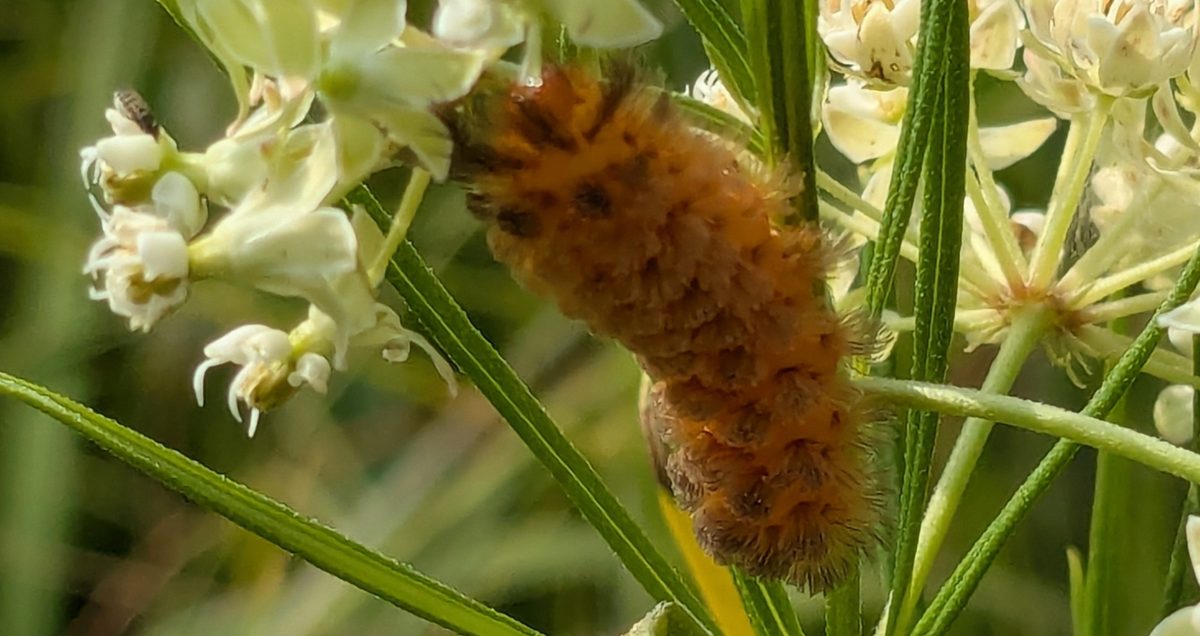
Caterpillars accumulate cardenolides from the milkweed plants they eat, making themselves chemically unpalatable; the larva's vivid orange coloration serves as a warning signal to would-be predators.
Source: Massachusetts state rare-species fact sheet, Collared Cycnia (published March 2025).
State list: 321 CMR 10.90, as of 16 August 2024. Rare species of Massachusetts · Trees of Massachusetts